

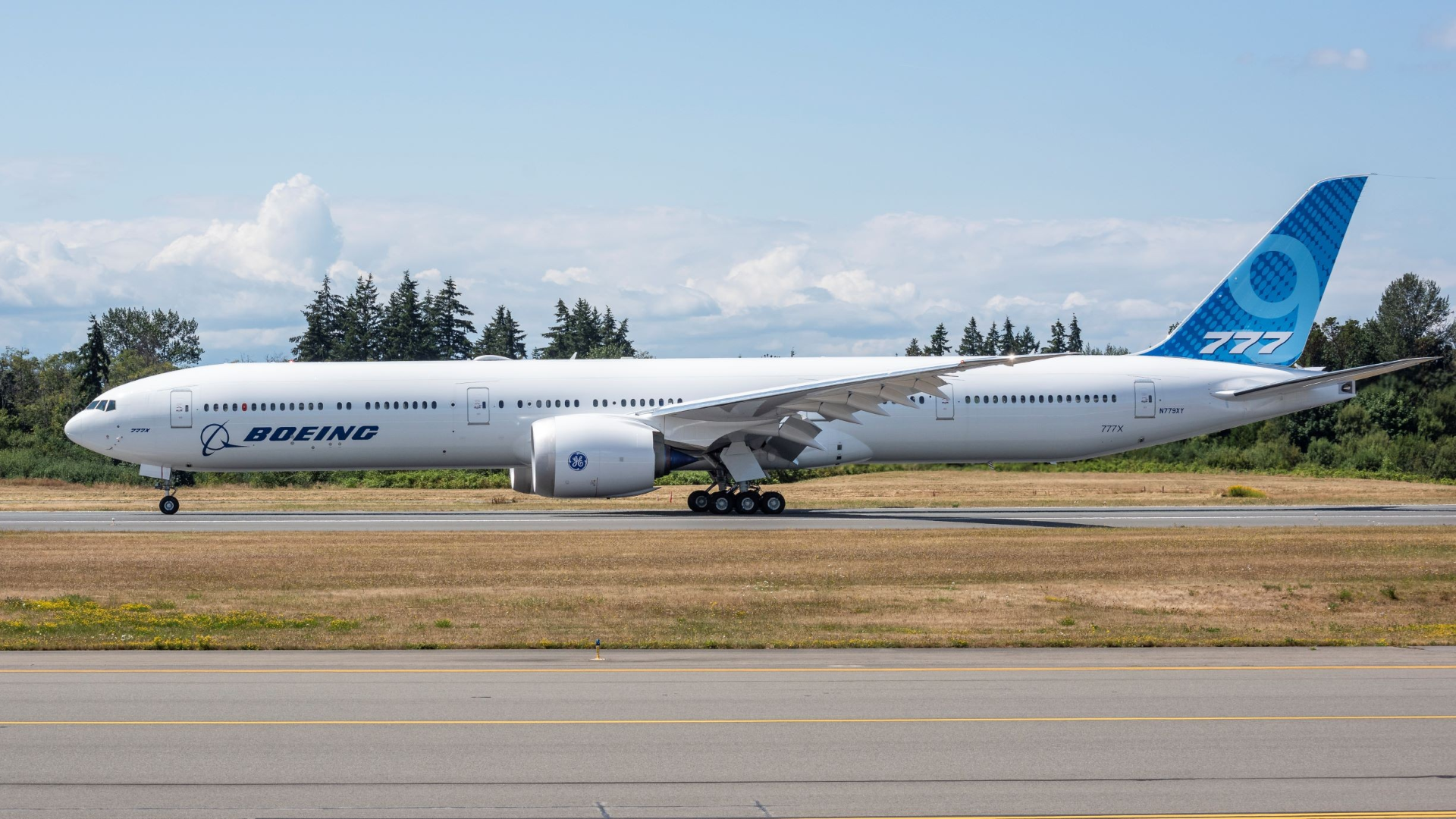
COLOGNE- Lufthansa (LH) is refining its long-haul fleet strategy as delays continue to affect the Boeing 777X. The airline is preparing contingencies while maintaining its position as the launch customer.
Operations anchored at Frankfurt Airport (FRA) highlight a transition phase, with older aircraft retained and new deliveries scheduled to sustain network capacity.
Lufthansa’s Contingency Plan Amid 777X Uncertainty
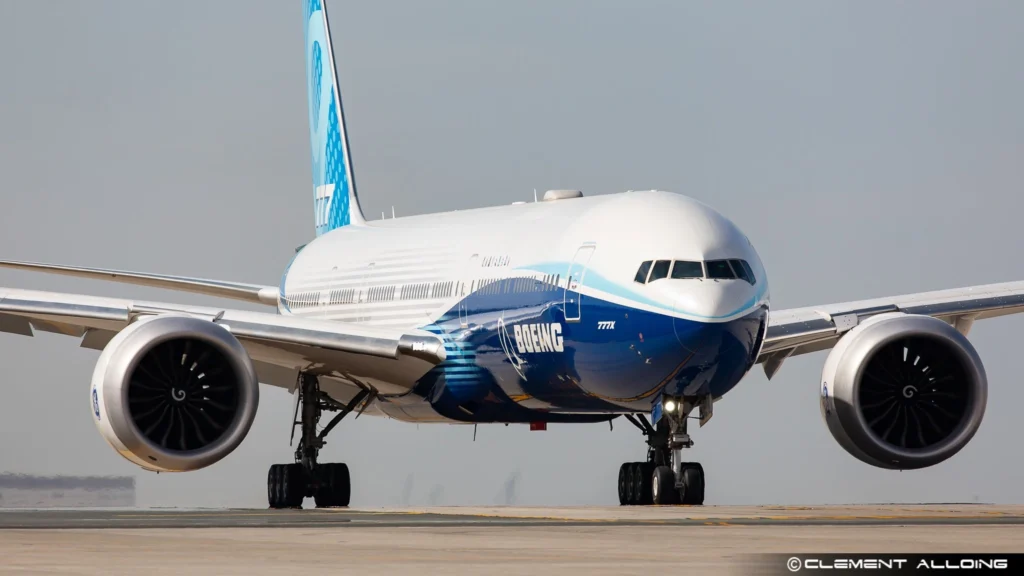
Lufthansa (LH) has 20 Boeing 777-9 aircraft on order, based on fleet data from ch-aviation, and remains committed to the revised 2027 delivery timeline.
CEO Carsten Spohr addressed the situation during the Lufthansa Group’s first-quarter financial results presentation, where he confirmed that the airline is actively preparing for further delays.
Responding to a question from Simple Flying, Spohr stated that “in the case that the 777X is further delayed,” Lufthansa will rely on existing aircraft to fill the capacity gap.
He added that “the Airbus A340-300 will continue to fly in 2027,” noting that the airline’s relatively larger fleet of this type provides operational flexibility.
According to Simple Flying, this approach reflects a structured contingency model designed to balance risk while maintaining long-haul service continuity.
Lufthansa’s short-term strategy is supported by a significant influx of aircraft. Spohr emphasized that “we have got 27 long-haul aircraft arriving this year,” which translates to nearly one aircraft per week when including short-haul deliveries.
This steady pipeline strengthens Lufthansa’s ability to offset delays in new-generation aircraft programs while continuing its modernization efforts.
The airline is balancing incoming capacity with selective retention of older jets to maintain network stability.
Restructuring and Retirement Decisions
The airline’s fleet adjustments are part of a broader restructuring initiative driven by rising fuel costs.
This strategy has already led to the closure of Lufthansa CityLine, reflecting a wider effort to streamline operations.
As part of this transition, Lufthansa will retire the Airbus A340-600 on October 6, marking the end of its service within the airline. Currently, only four units remain in the fleet.
In parallel, Lufthansa is adjusting its Boeing 747-400 operations. Spohr confirmed that “at least temporarily, in the winter, two to four 747-400s will be removed from the fleet.”
The airline will later decide whether to reinstate these aircraft for the summer 2027 schedule.
Boeing 777X Progress and Industry Implications
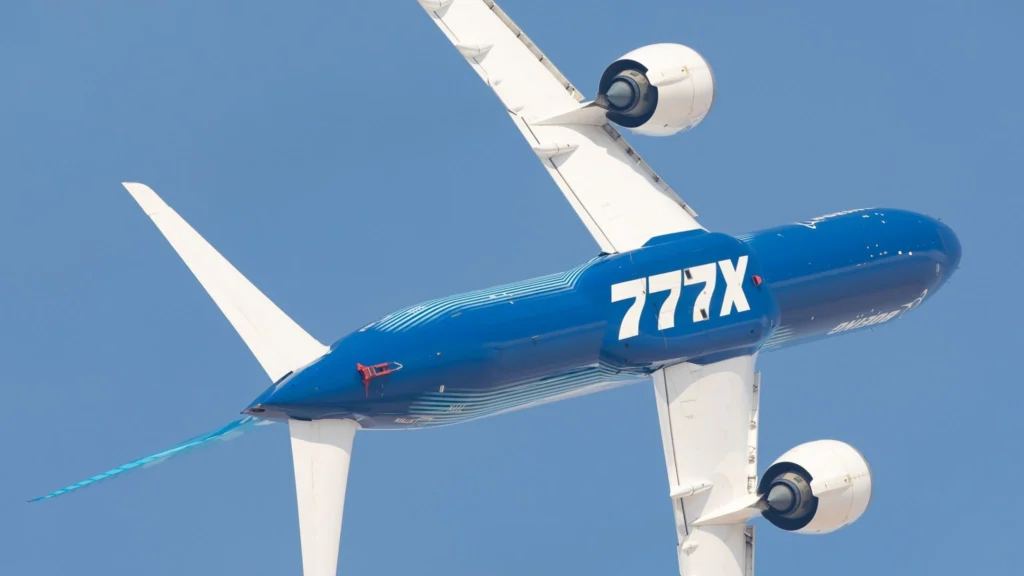
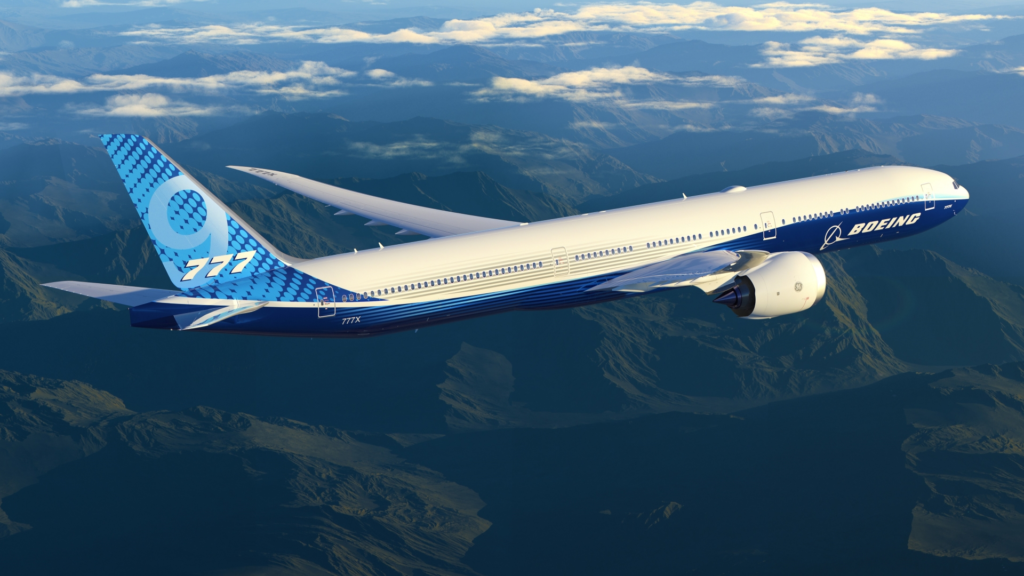
The Boeing 777X program has faced multiple delays since its original 2020 entry-into-service target, resulting in billions of dollars in additional costs and several order adjustments.
Despite these challenges, Boeing has indicated that the aircraft remains on track for a 2027 debut.
Recent updates from Boeing’s own first-quarter financial results presentation confirm progress toward certification.
The company also expects certification of the 737 MAX 7 and 737 MAX 10 in 2026, ahead of their planned 2027 service entry.
For Lufthansa, the 777X represents a critical milestone in fleet modernization. Its eventual delivery will not only enhance efficiency and capacity but also mark a long-awaited turning point for Boeing as it moves closer to resolving one of its most delayed aircraft programs.
Stay tuned with us. Further, follow us on social media for the latest updates.
Join us on Telegram Group for the Latest Aviation Updates. Subsequently, follow us on Google News
