

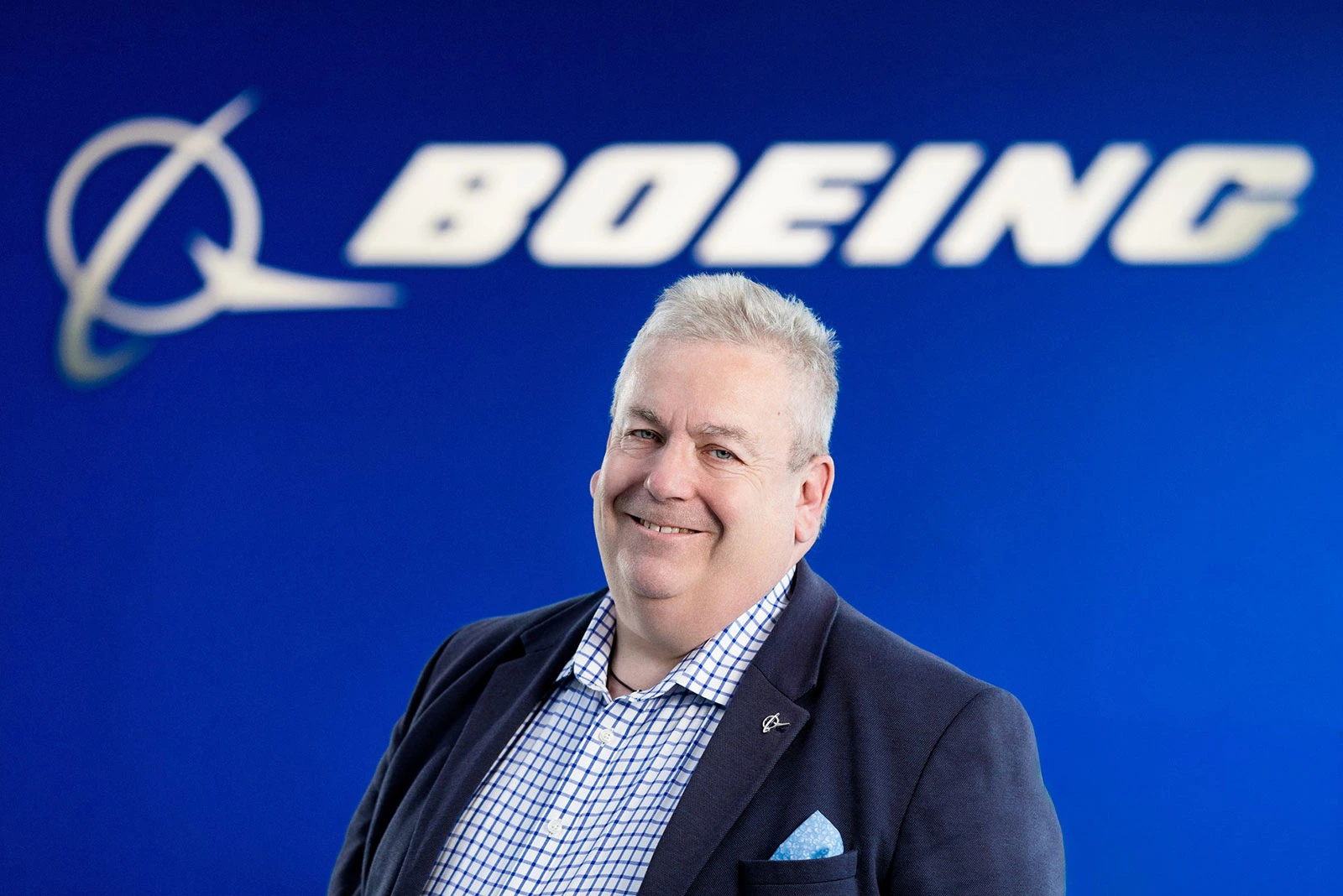
LONDON— A senior training leader at Boeing has highlighted the growing role of virtual training tools in shaping the next generation of pilots. The company’s Virtual Airplane platform is being positioned as a major step forward in how crews prepare for complex aircraft operations.
The insight comes from a Boeing instructor pilot with over 7,500 flight hours, who argues that virtual practice is not replacing traditional instruction but strengthening it. The approach combines classroom teaching with repeatable digital simulations to improve learning efficiency and pilot confidence.
Benefits of Virtual Training
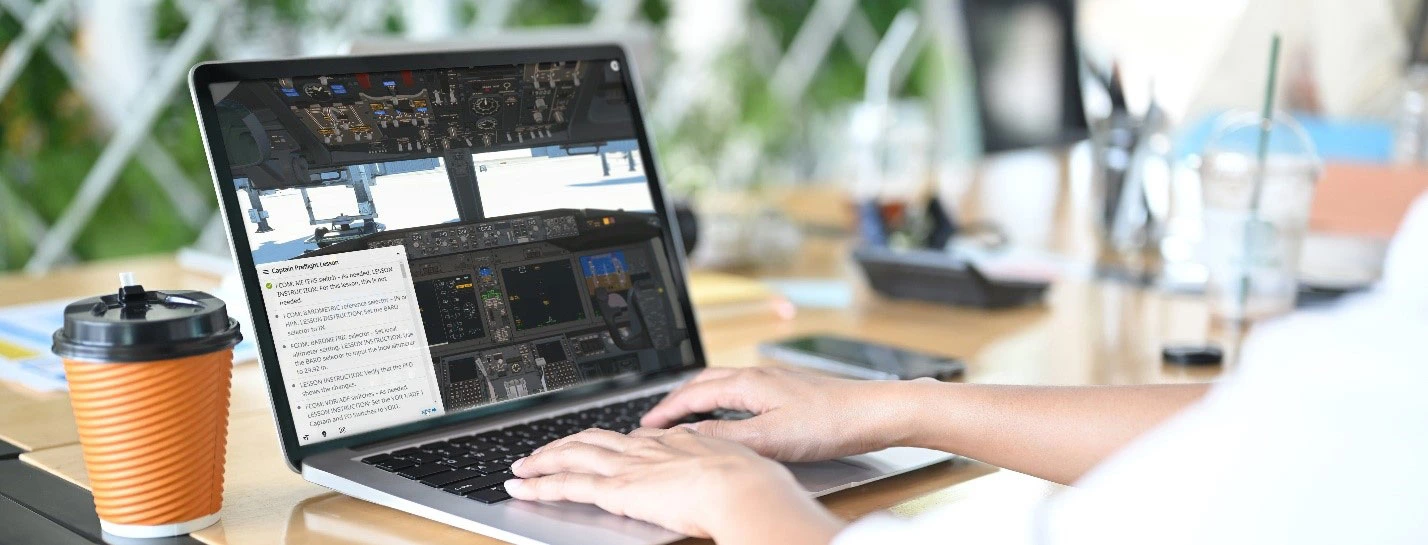
Virtual Airplane allows pilots to rehearse procedures in a high-fidelity digital cockpit without needing access to a full-flight simulator.
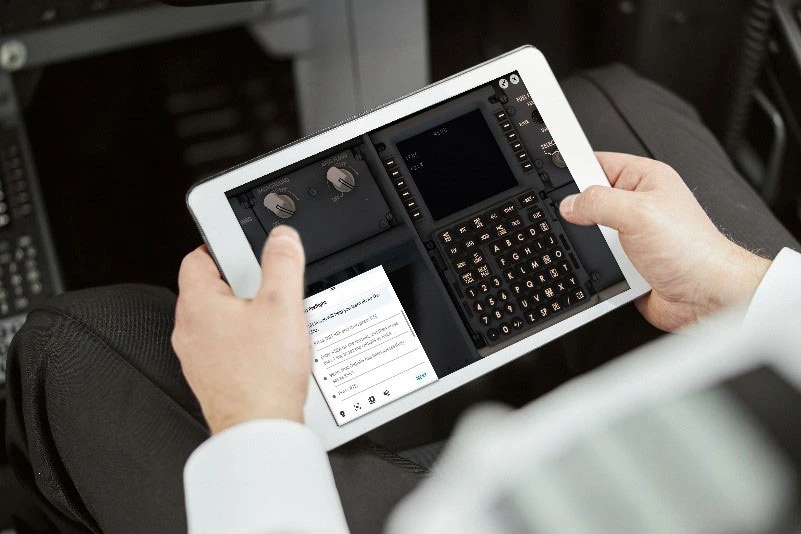
Trainees can practice on personal devices such as tablets or laptops, which enables continuous learning beyond scheduled sessions.
This flexibility helps pilots build familiarity with cockpit workflows before entering simulator training. As a result, simulator sessions can focus more on advanced decision-making and crew coordination rather than basic procedural learning.
The platform also supports mental rehearsal, a technique widely used in aviation and sports. By repeatedly practicing procedures in a virtual environment, pilots strengthen memory and response patterns, which can improve performance under pressure.
The development reflects a broader industry shift toward technology-driven training, where accessibility and repetition are becoming as important as simulator time.
Airlines and training organizations are increasingly exploring such tools to reduce costs while maintaining high safety standards.
Pilot Training Efficiency
One of the key advantages of virtual training is its ability to reduce cognitive overload during initial learning phases.
Pilots often need to absorb large volumes of technical information in a short time, and traditional methods can limit how often they practice.
Virtual tools address this gap by allowing trainees to revisit scenarios multiple times in a low-pressure setting. This repetition helps consolidate knowledge and improves overall training outcomes without increasing simulator hours.
According to Boeing’s training leadership, pilots who use virtual practice arrive better prepared for simulator sessions.
This shift allows instructors to focus on higher-level skills, including judgment, communication, and handling non-standard situations.
The Evolving Role of Instructors
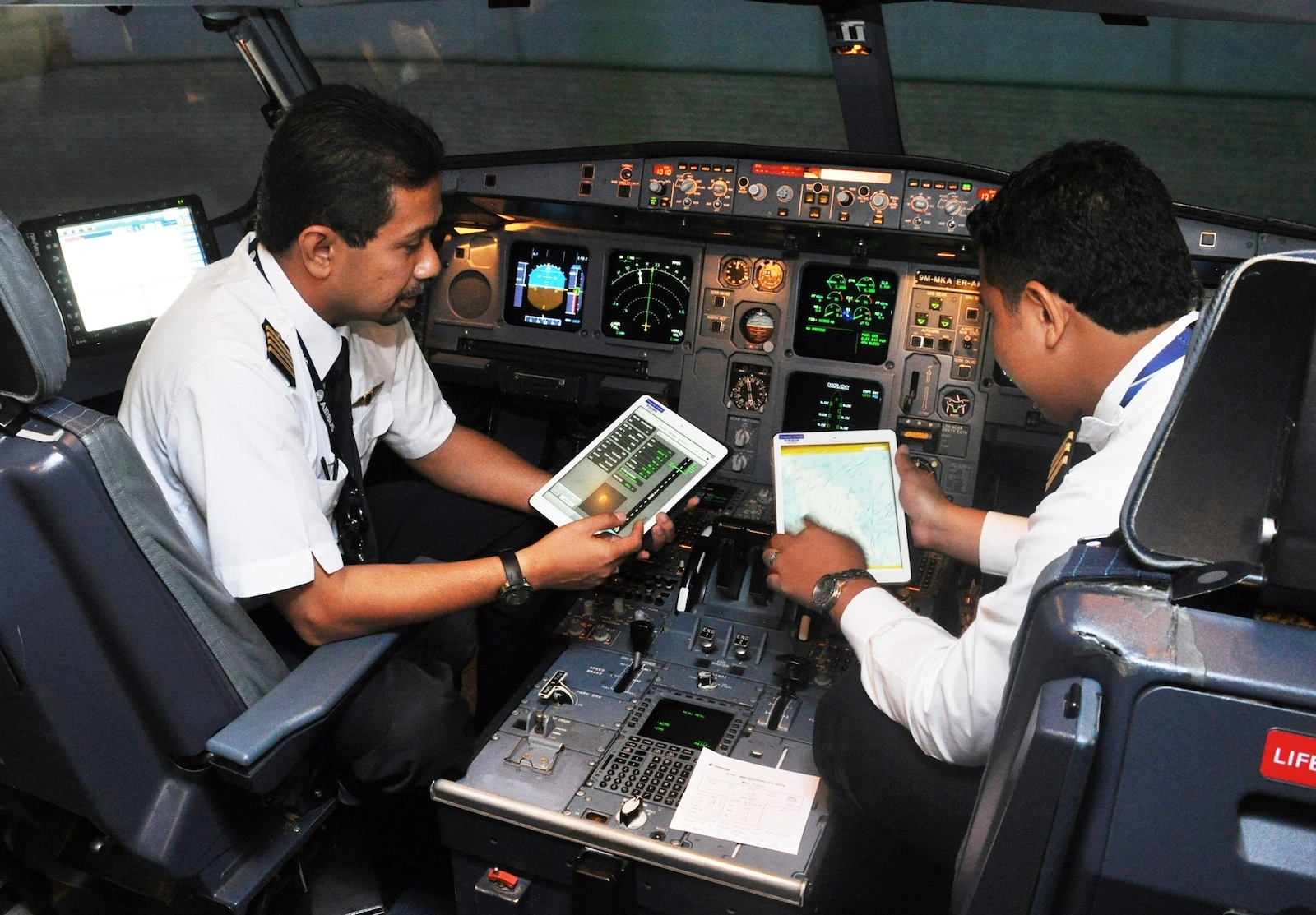
Despite the rise of digital tools, instructors remain central to the training process.
Virtual Airplane is designed to complement, not replace, traditional teaching methods such as whiteboard briefings and interactive discussions.
Instructors can use virtual scenarios to reinforce concepts introduced during classroom sessions. This blended approach ensures that trainees understand both the theory and practical execution of procedures.
The model also improves the quality of instruction by allowing educators to spend more time on complex topics.
Instead of repeating basic drills, instructors can guide pilots through decision-making processes and real-world scenarios.
Stay tuned with us. Further, follow us on social media for the latest updates.
Join us on Telegram Group for the Latest Aviation Updates. Subsequently, follow us on Google News
