

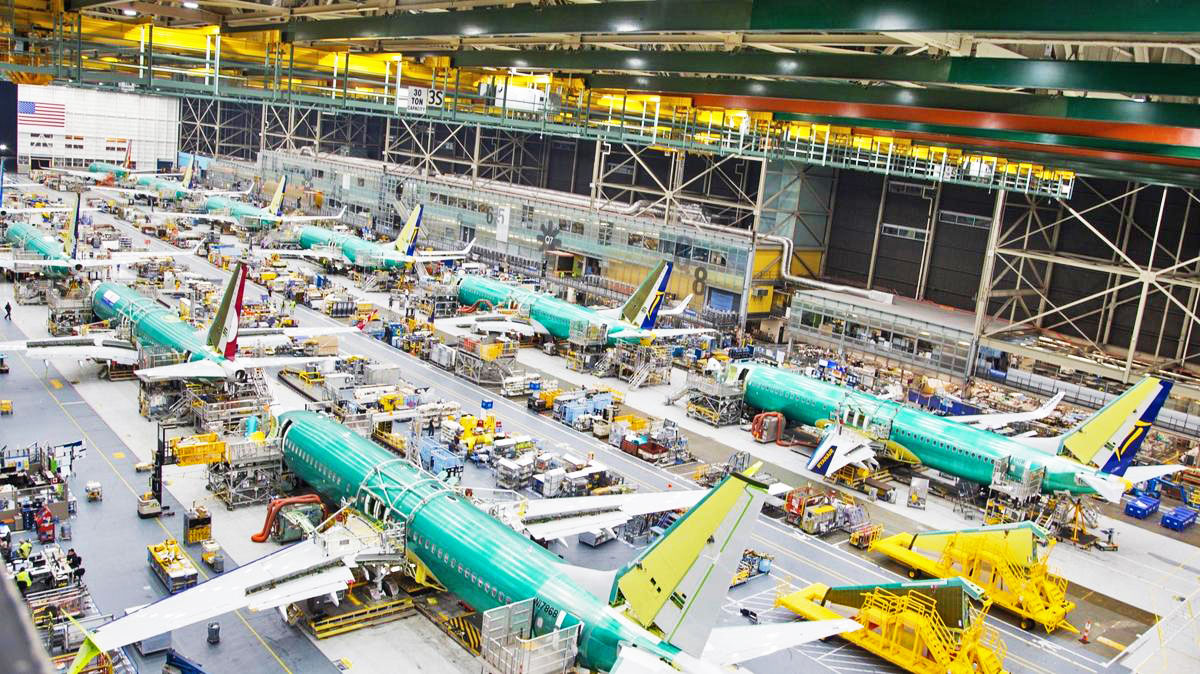
SEATTLE— Boeing is accelerating recruitment across its Washington state facilities as it works to stabilize output and prepare for higher production of its best-selling narrowbody aircraft. The hiring push comes as the manufacturer balances workforce attrition with rising demand for newer, fuel-efficient jets.
The expansion is centered around the Seattle area, including Everett (PAE) and Renton (RNT), where Boeing assembles its commercial aircraft. While airlines such as Southwest Airlines (WN) and Ryanair (FR) continue to rely heavily on the 737 platform, Boeing is under pressure to deliver aircraft on time and at scale.
Boeing Hiring Drive for New 737 Line
Boeing is currently onboarding more than 100 assemblers per day to reinforce its production lines. The company is addressing a wave of retirements while also building capacity for future programs and increased output rates.
The hiring effort spans multiple roles, including mechanics, inspectors, and manufacturing engineers. Boeing aims to ensure that new recruits are ready to integrate quickly into complex assembly operations without disrupting existing workflows.
This workforce expansion reflects broader industry trends, where aerospace companies are competing for skilled labor amid strong airline demand and increased defense spending. Boeing’s strategy focuses on maintaining continuity while scaling up operations efficiently.
737 Production Expansion
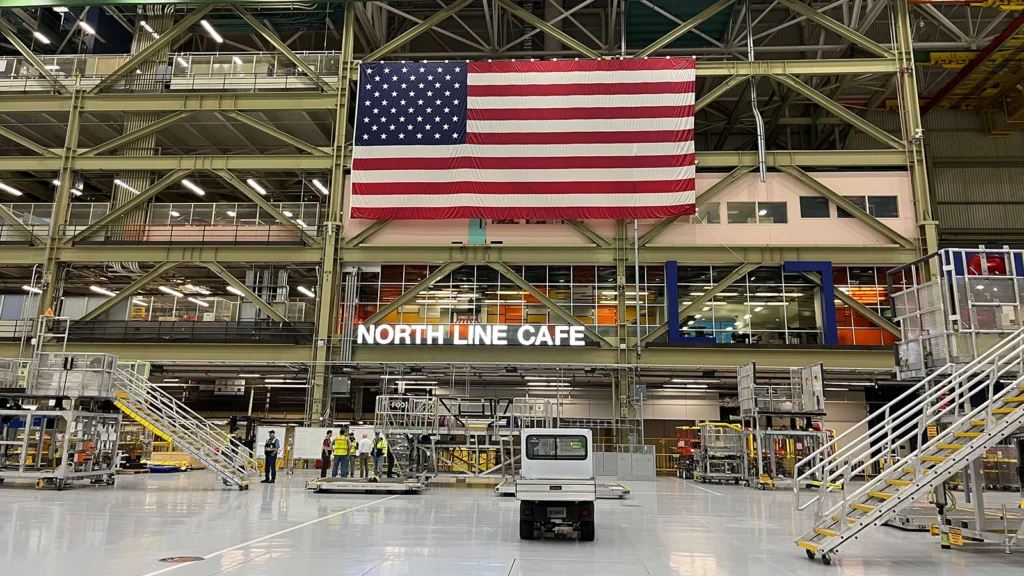
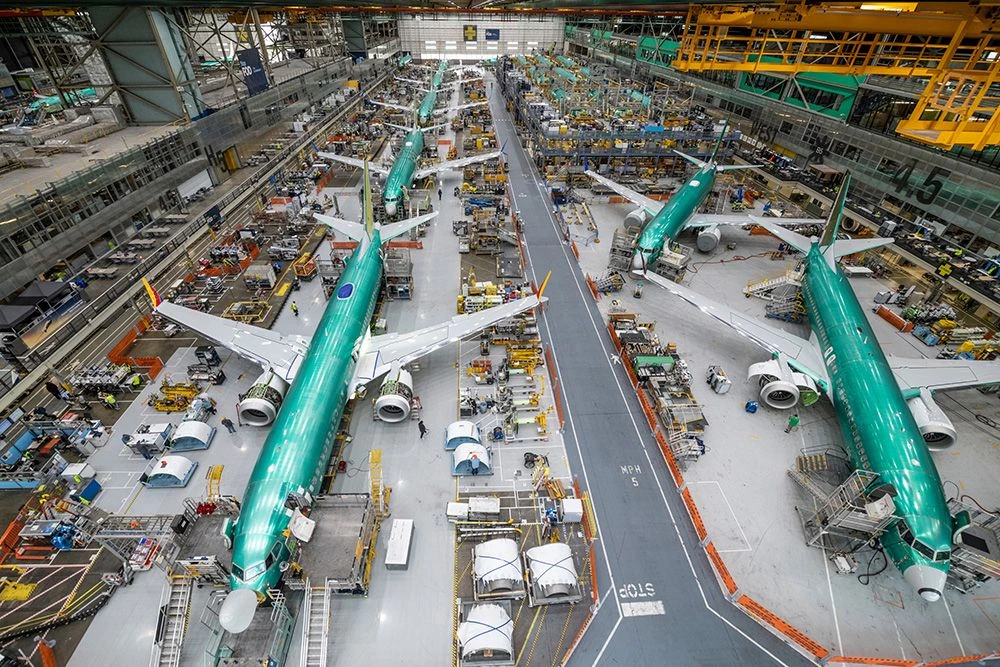
A key part of Boeing’s plan involves launching a new 737 production line at its Everett facility. Known internally as the North Line, this marks a significant shift as 737 assembly has historically been concentrated in Renton, Assembly Mag flagged.
The Everett line will initially produce multiple variants of the 737 MAX family, including the -8, -9, and -10 models. By diversifying production locations, Boeing aims to improve flexibility and reduce bottlenecks in its narrowbody program.
The new line will mirror Renton’s established manufacturing processes but will introduce specialized logistics tools. One such system will transport partially assembled wings to Everett, streamlining final assembly and reducing handling complexity.

Training New Workforce
To support rapid hiring, Boeing is investing heavily in hands-on training programs. These initiatives are designed to ensure that new employees develop practical skills before entering live production environments.
One training approach involves simulated inspection exercises using real aircraft sections with hidden defects. This method helps quality inspectors build accuracy and confidence, reducing the risk of errors on the factory floor.
At Boeing’s composite facility in Frederickson, new hires work with full-scale mockups of 777X components. These realistic setups allow workers to practice assembly techniques without risking damage to actual aircraft parts.
The training programs also provide valuable feedback to engineers, helping them refine production processes based on real-world challenges observed during simulations.
Boeing’s hiring and training strategy highlights its focus on long-term production stability. By strengthening its workforce and expanding manufacturing capacity, the company aims to meet growing global demand while improving operational resilience.
Stay tuned with us. Further, follow us on social media for the latest updates.
Join us on Telegram Group for the Latest Aviation Updates. Subsequently, follow us on Google News
