

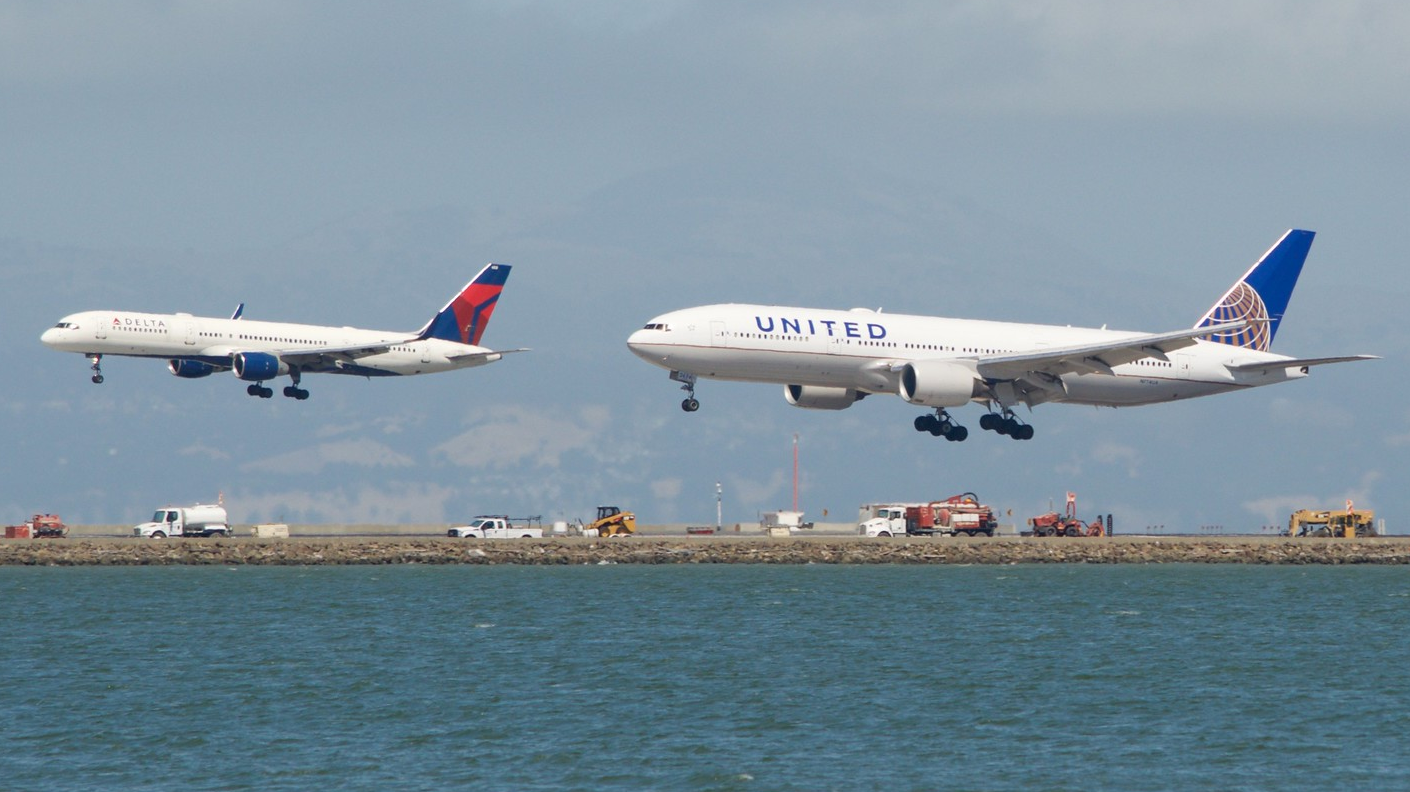
SAN FRANCISCO- The Federal Aviation Administration (FAA) has approved a new staggered parallel landing procedure at San Francisco International Airport (SFO), offering operational relief after months of severe flight delays caused by runway restrictions and construction.
The updated procedure, effective August 12, is expected to improve arrival efficiency at San Francisco International Airport (SFO), benefiting airlines including United Airlines (UA), Delta Air Lines (DL), Southwest Airlines (WN) and other carriers operating at one of the busiest airports in the United States.
FAA Introduces New Landing Procedure at SFO
The FAA’s decision marks the first major operational improvement since March 30, when the agency prohibited the closely spaced side-by-side visual landing procedure that had long been used at San Francisco International Airport. The restriction was introduced to align airport operations with current aircraft separation standards.
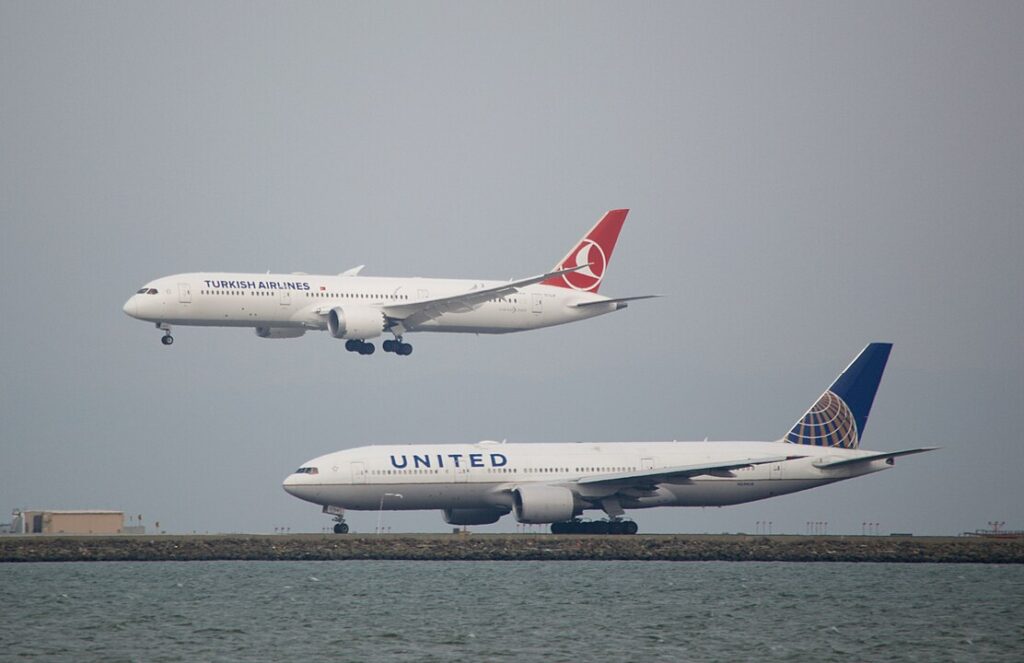
Beginning August 12, aircraft will be permitted to conduct staggered parallel landings on Runways 28L and 28R. While this procedure does not restore the previous side-by-side visual approaches, it allows aircraft to approach the two runways in a more efficient sequence while maintaining required safety separation.
According to San Francisco International Airport officials, the revised procedure will increase arrival rates and reduce congestion, although it will not completely restore the airport’s previous landing capacity.
SFO spokesperson Doug Yakel stated that the updated procedure represents an important operational improvement and should provide noticeable relief for passengers and airlines during the remainder of the summer travel season.
Why the FAA Ended Side-by-Side Landings
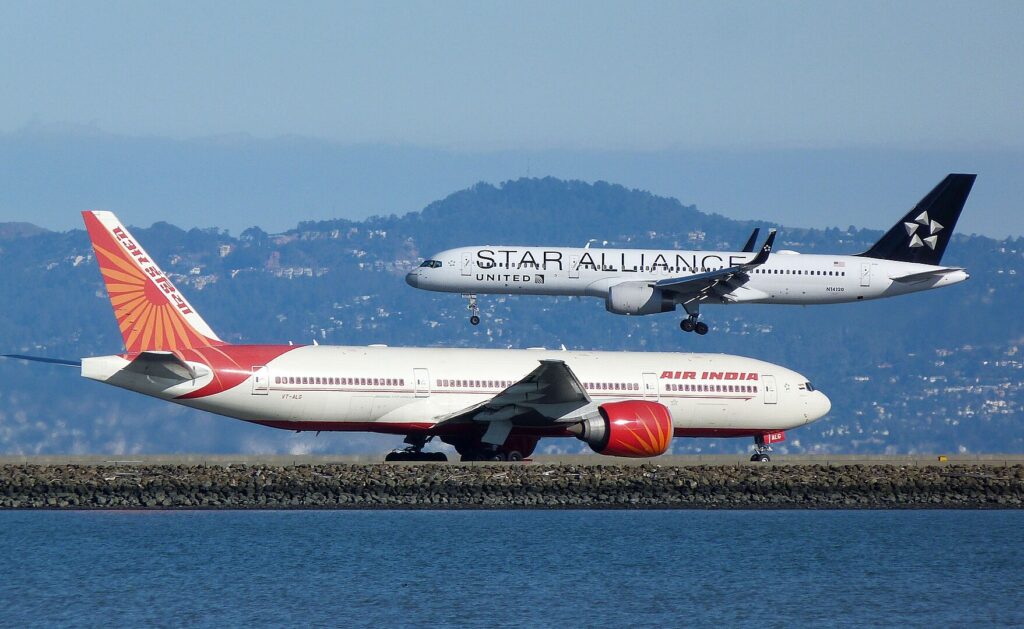
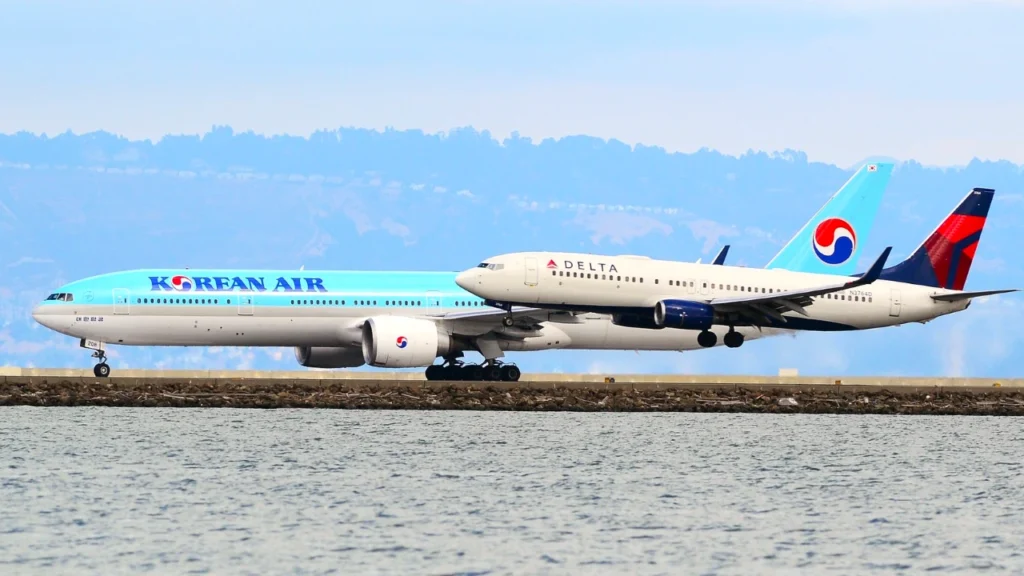
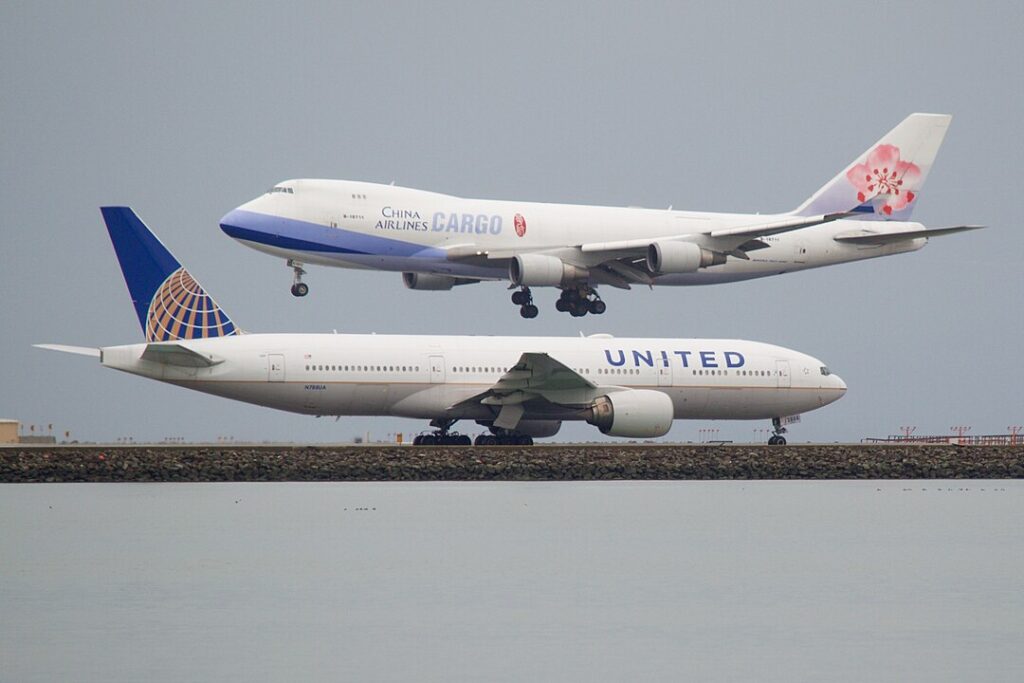
San Francisco International Airport has one of the most unique runway layouts in the United States. Its primary arrival runways, 28L and 28R, are separated by only about 750 feet, significantly less than the spacing typically required for independent instrument approaches.
For decades, during good weather conditions, pilots maintained visual separation while approaching the two runways simultaneously. This allowed air traffic controllers to maximize arrival capacity without compromising operational efficiency.
On March 30, however, the FAA ended the practice, requiring controllers to use radar-based aircraft separation instead. Aircraft could no longer conduct simultaneous visual approaches in the traditional side-by-side manner.
The FAA described the move as a safety measure intended to ensure compliance with modern aircraft separation policies. The agency did not cite any specific accident or serious incident that prompted the policy change but acknowledged that delays would likely increase.
Runway Construction Added to Operational Challenges
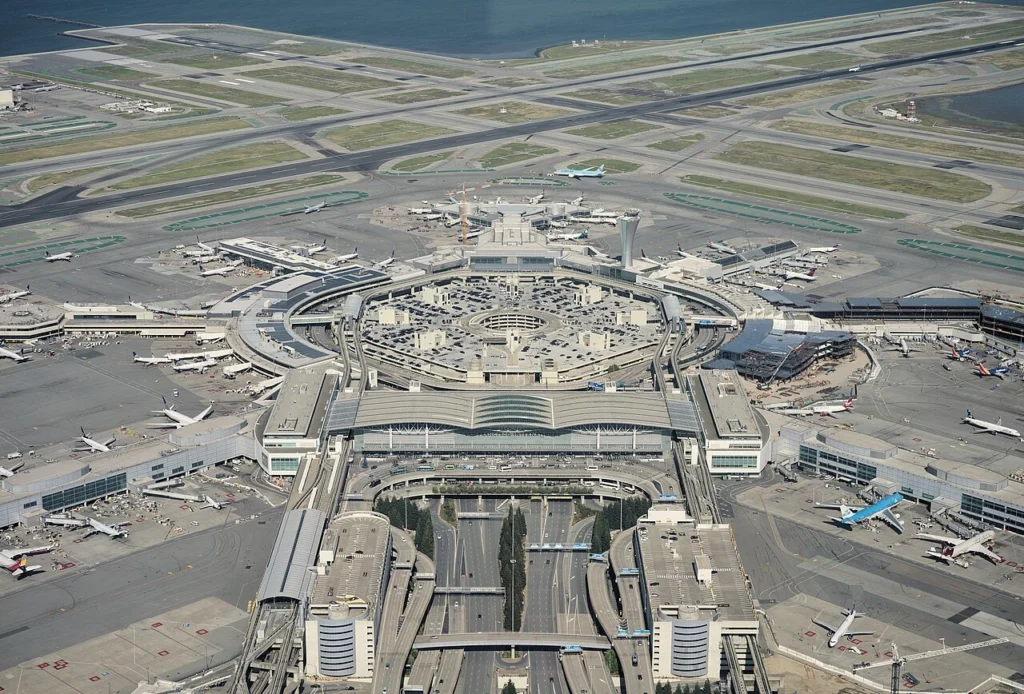
The timing of the FAA restriction coincided with one of the largest infrastructure projects currently underway at San Francisco International Airport.
Also on March 30, Runway 1R was closed for approximately six months as part of a $180 million rehabilitation program. The project includes runway resurfacing, lighting upgrades, new pavement markings and taxiway improvements.
During construction, arrivals and departures have been concentrated on Runways 28L and 28R, while Runway 1L has been temporarily converted into a taxiway to support ground operations.
The reduced runway availability significantly limited airport capacity even before the FAA implemented the new landing restrictions.
Airport officials initially estimated that approximately 15 percent of arriving flights would experience delays because of construction. Following the FAA’s operational changes, that estimate increased to roughly 25 percent.
Maximum arrival capacity during favorable weather also declined from approximately 54 aircraft per hour to around 36 aircraft per hour. According to the FAA, roughly half of that reduction resulted from runway construction, while the remainder stemmed from the revised aircraft separation requirements.
Flight Delays Increased Dramatically
The operational impact quickly became evident throughout the spring and summer travel season.
Analysis reported by the San Francisco Chronicle found that 41 percent of flights arriving or departing after April 1 were delayed by at least 15 minutes, compared with only 18 percent during the same period in 2025.
Departure delays increased even more sharply. About 45 percent of departing flights experienced delays of 15 minutes or longer, compared with just 16 percent a year earlier.
Arrival delays also rose substantially, with 37 percent of inbound flights delayed compared with 20 percent during the previous year.
Perhaps the clearest indicator of worsening operations was the airport’s average delay across all flights. That figure increased from less than five minutes in spring 2025 to more than 20 minutes in 2026.
The busiest afternoon and evening periods experienced the greatest disruption, with more than half of scheduled flights delayed between 1:00 p.m. and 9:00 p.m. Early morning operations generally remained more reliable because fewer aircraft were competing for limited runway capacity.
Domestic services experienced higher delay rates than international flights, largely because airlines prioritized long-haul international schedules.
Weather Further Reduced Airport Capacity
The restricted arrival capacity also made SFO more vulnerable to weather disruptions.
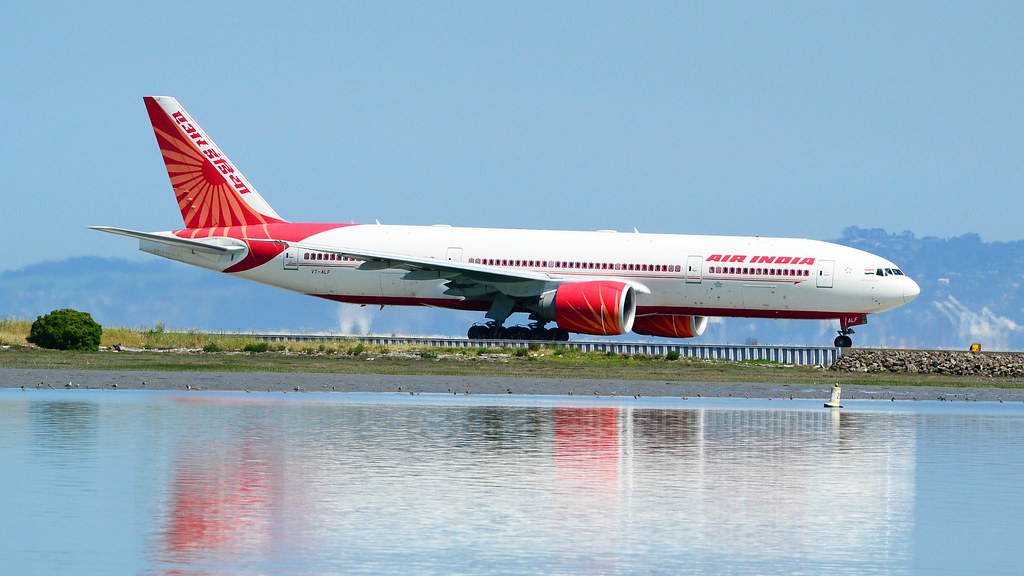
The airport’s location along San Francisco Bay frequently exposes operations to fog, low cloud ceilings and changing wind conditions. Under normal circumstances, controllers could recover from weather-related disruptions by increasing arrival rates once conditions improved.
With reduced runway capacity, that recovery became significantly more difficult.
On May 28, easterly winds forced arrival rates down to only 25 aircraft per hour, triggering an FAA Ground Delay Program. More than 400 flights were delayed, 47 were canceled and average delays exceeded two hours and forty minutes.
A similar Ground Delay Program was implemented on July 6, affecting more than 400 flights and producing average delays exceeding one hour.
While weather and runway construction contributed to the disruption, the reduced landing capacity limited the airport’s ability to recover quickly, allowing delays to spread throughout airline networks across the country.
Staggered Landings Mark First Step Toward Recovery
The newly approved staggered parallel landing procedure is expected to improve arrival efficiency beginning August 12.
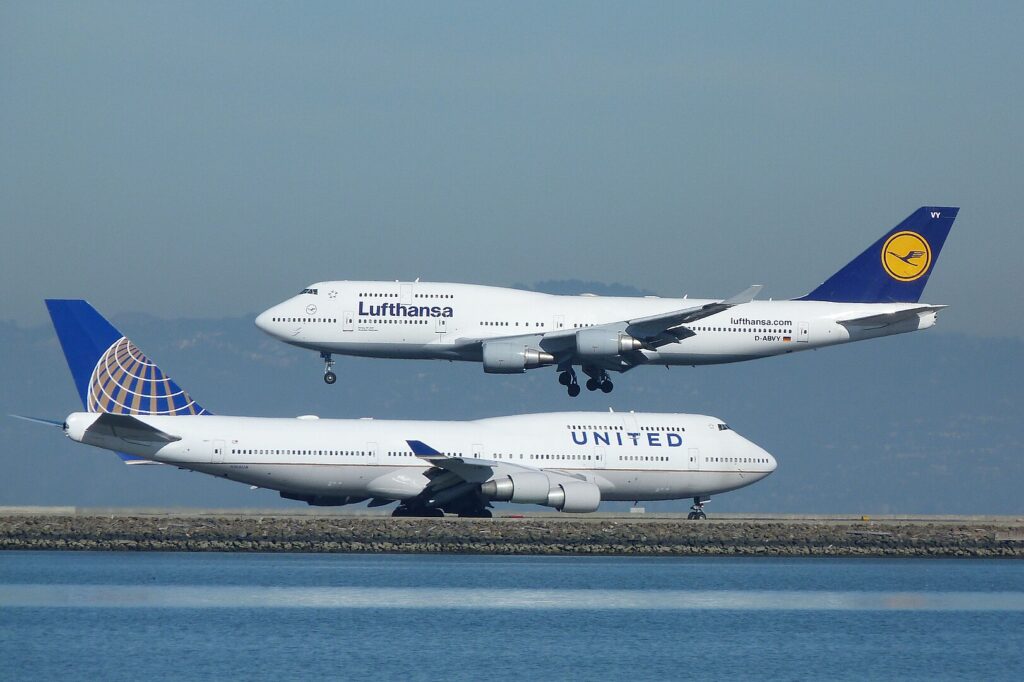
Unlike the former side-by-side visual approach system, aircraft will remain offset during their approaches while maintaining FAA-required separation standards. This allows both runways to be used more effectively without returning to the previously prohibited operating method.
Airport officials expect the revised procedure to increase arrival frequency and reduce delays, although overall capacity will remain below historical levels until construction is completed.
A second major improvement is expected in early October when Runway 1R is scheduled to reopen following completion of the rehabilitation project.
Together, the new landing procedure and restoration of full runway availability should significantly improve operations at San Francisco International Airport ahead of the busy holiday travel season.
Bottom Line
The FAA’s approval of staggered parallel landings represents an important operational improvement for San Francisco International Airport after months of widespread delays.
While the revised procedure does not fully restore the airport’s former arrival capacity, it provides a practical solution that balances efficiency with current safety standards.
Combined with the planned reopening of Runway 1R in October, SFO is positioned to gradually recover from one of its most challenging summer operating periods in recent years.
Stay tuned with us. Further, follow us on social media for the latest updates.
Join us on Telegram Group for the Latest Aviation Updates. Subsequently, follow us on Google News
