

CANBERRA— Australia is set to become the first country outside the United States to operate the highly classified AIM-260 Joint Advanced Tactical Missile (JATM), marking a significant milestone in the nation’s air combat modernization efforts.
The Australian Government announced an investment of nearly A$736 million (US$480 million) to acquire the advanced beyond-visual-range missile through the U.S. Foreign Military Sales program, strengthening the Royal Australian Air Force’s (RAAF) long-range strike capability.
The announcement came during Exercise Pitch Black in Darwin (DRW), Australia’s premier multinational air combat exercise, where defense officials highlighted the importance of maintaining a technological advantage in the Indo-Pacific.
Although no commercial airlines were involved in the announcement, the acquisition reinforces Australia’s growing defense partnership with the United States and its commitment to countering emerging regional air threats.
AIM-260 Missile Integration Program
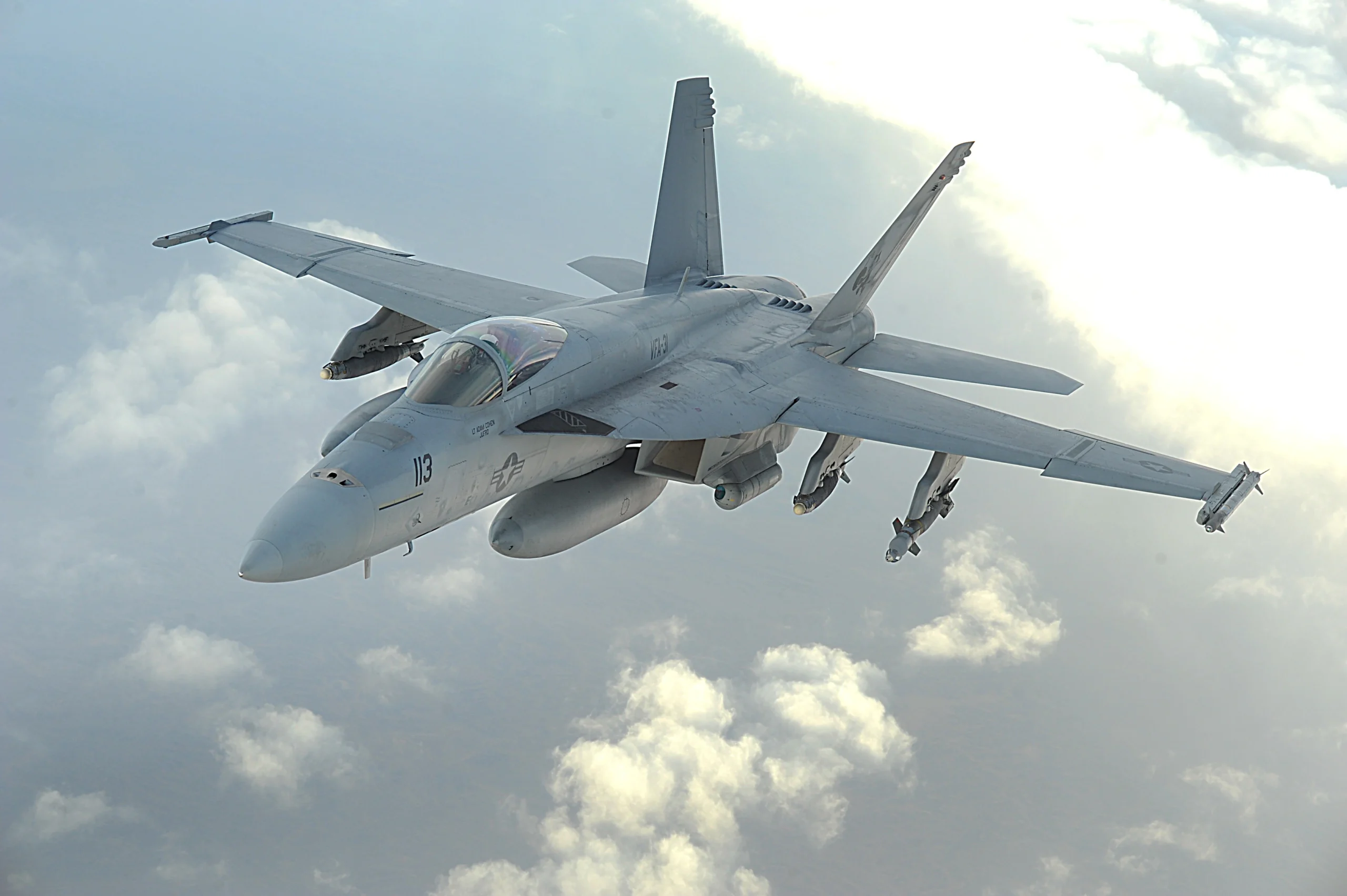
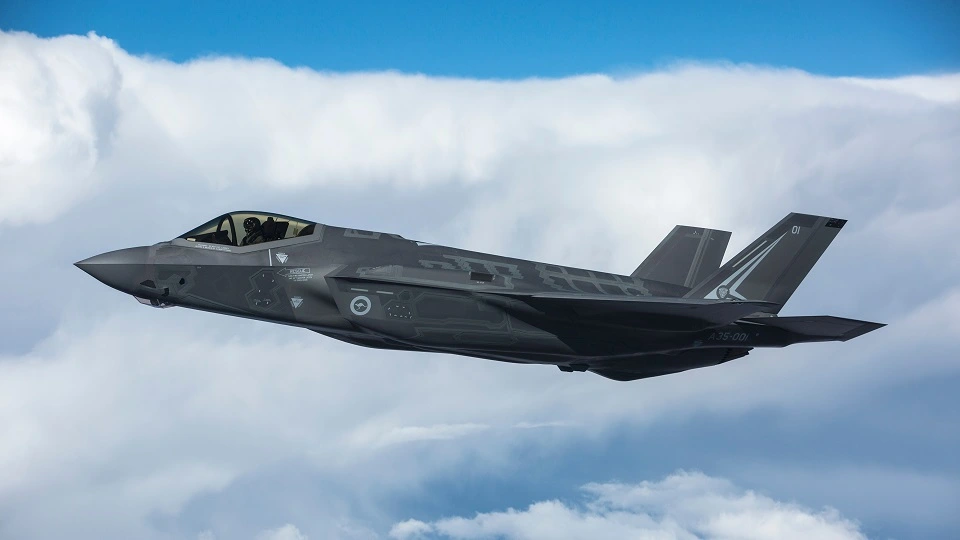
The Lockheed Martin AIM-260 will initially equip the RAAF’s Boeing F/A-18F Super Hornet fleet before expanding to the Lockheed Martin F-35A Lightning II and the Boeing EA-18G Growler electronic attack aircraft.
This phased integration will provide Australia’s frontline combat aircraft with one of the world’s most advanced air-to-air weapons.
Officials also indicated that the domestically developed MQ-28 Ghost Bat collaborative combat aircraft could receive the missile in the future.
The unmanned platform has already demonstrated compatibility with modern air-to-air weapons, making it a logical candidate for the AIM-260 as Australia’s autonomous combat capabilities continue to evolve.
Unlike previous missile upgrades, the AIM-260 represents a generational leap rather than an incremental improvement.
It is designed to replace the widely used AIM-120 AMRAAM while maintaining a similar external size, allowing aircraft to carry the same number of missiles without sacrificing internal weapons capacity.
Strategic Air Combat Advantage
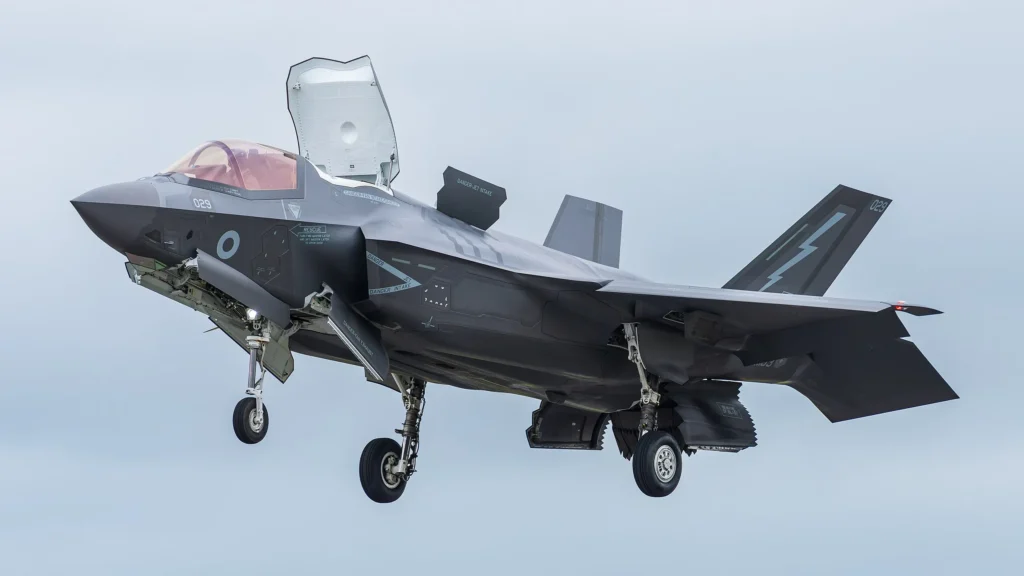
The AIM-260 remains one of the United States’ most closely guarded defense programs, with many of its specifications still classified.
Defense analysts, however, believe it offers substantially greater engagement range, improved speed, and enhanced performance against advanced aerial threats compared to the AIM-120.
The missile was developed in response to China’s rapidly expanding inventory of long-range air-to-air weapons, particularly the PL-15 missile that has reshaped beyond-visual-range aerial combat across the Indo-Pacific.
Maintaining parity in missile range has become increasingly important as regional air forces introduce more capable fighters and long-range precision weapons.
Australia’s acquisition reflects a broader shift toward stronger deterrence through advanced technology rather than larger force numbers.
The investment also improves operational interoperability with U.S. forces, enabling both militaries to employ similar next-generation air combat capabilities during joint operations.
Defense Modernization Strategy Continues
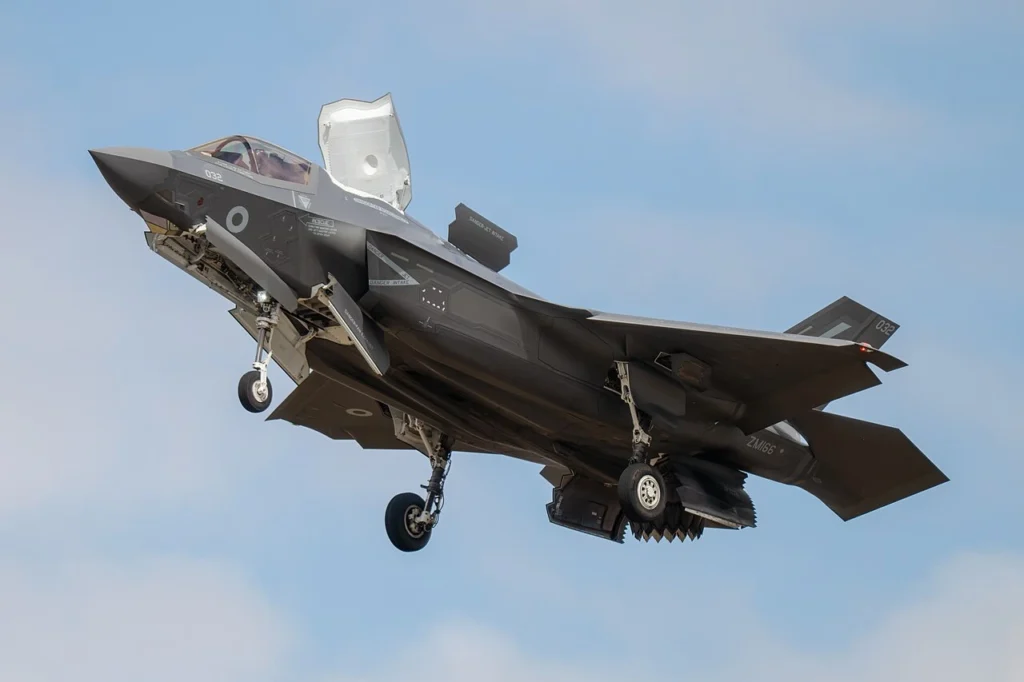
The procurement forms part of Australia’s wider defense modernization strategy, which prioritizes long-range strike systems, integrated air defense, and advanced guided weapons.
Government officials said the AIM-260 will strengthen the Australian Defence Force’s ability to detect, engage, and defeat hostile aircraft while supporting national security objectives across the Indo-Pacific.
The missile purchase follows continued investments in precision-guided weapons, autonomous aircraft, and integrated defense networks.
Together, these initiatives aim to prepare the RAAF for increasingly contested operating environments while ensuring it remains equipped with cutting-edge technology.
Although officials have not disclosed the delivery schedule or the total number of missiles being acquired, Australia will become the first international operator of the AIM-260 once deliveries begin, TWZ reported.
The decision represents another milestone in the country’s long-term effort to build a modern, highly capable air force able to respond to rapidly evolving regional security challenges.
Stay tuned with us. Further, follow us on social media for the latest updates.
Join us on Telegram Group for the Latest Aviation Updates. Subsequently, follow us on Google News


