

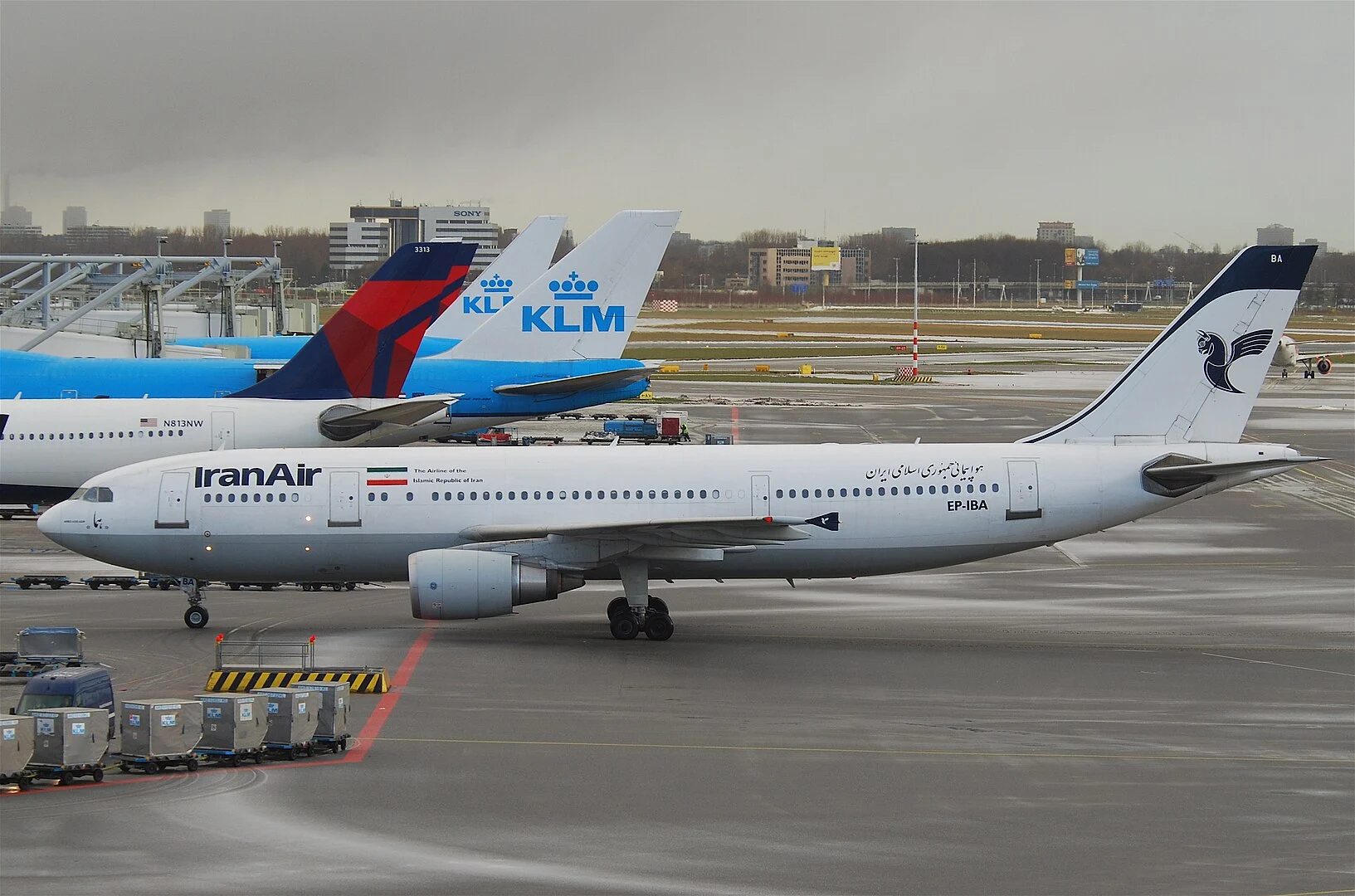
TEHRAN- Iran has confirmed that over 20 passenger aircraft were damaged during US-Israeli strikes, while most airport infrastructure remains operational.
Officials state that the aviation system retains 95% operational capacity despite a reduced active fleet following the attacks.
Iranian Passenger Aircraft Damaged
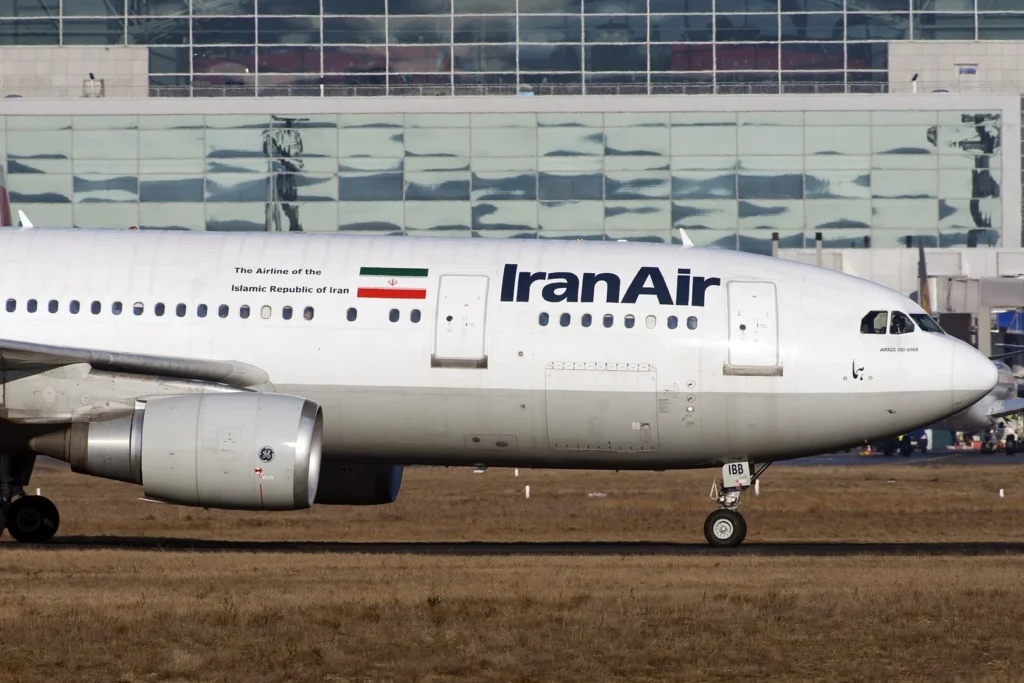
Iran’s civil aviation sector sustained targeted damage during recent US-Israeli military operations, with more than 20 passenger aircraft severely affected.
Maqsoud Asadi Samani, head of the Iranian Airlines Association, stated that claims suggesting 40 to 60 aircraft were damaged “do not reflect reality.” He clarified that the confirmed number does not exceed 20 aircraft.
Despite these losses, approximately 95 percent of Iran’s airport infrastructure remains intact. Runways, terminals, and core air traffic systems continue to function, allowing essential domestic and limited international operations to proceed without major disruption.
According to Yeni Safak, authorities are prioritizing operational continuity while assessing damage.
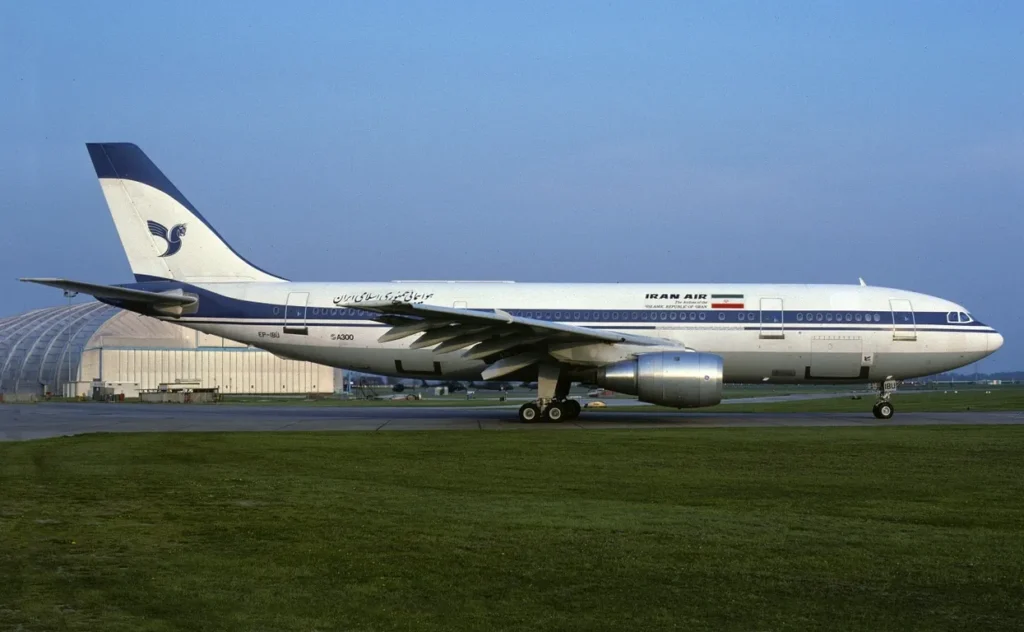
Before the strikes, Iran’s total passenger aircraft inventory ranged between 250 and 300 aircraft.
Out of this, around 150 aircraft were actively in service, while the remaining fleet was grounded due to technical and maintenance-related issues.
Following the attacks, the number of active aircraft declined to approximately 130. This reduction aligns directly with the confirmed damage to about 20 aircraft, reinforcing the accuracy of official estimates.
Airlines are expected to optimize fleet deployment by prioritizing high-demand routes and maintaining schedule efficiency with reduced capacity.
Conflict Timeline and Diplomatic Developments
The military campaign began on February 28 and resulted in more than 3,300 fatalities. A Pakistan mediated two week ceasefire was announced on April 8, temporarily halting hostilities and enabling diplomatic engagement.
A first round of negotiations between the United States and Iran took place on April 12 but ended without agreement.
A second round is scheduled to be held in Islamabad, which may influence regional stability and aviation operations depending on its outcome.

Regional Aviation Implications
The situation holds strategic importance for countries such as Türkiye, which serves as a major international aviation hub. Türkiye hosts several global airlines and plays a key role in regional air traffic management.
Damage to Iran’s aviation sector could affect overflight routes and technical cooperation, including aircraft maintenance arrangements.
Turkish authorities have emphasized the need to protect civilian aviation infrastructure to ensure continuity of international air travel.
Operational Outlook
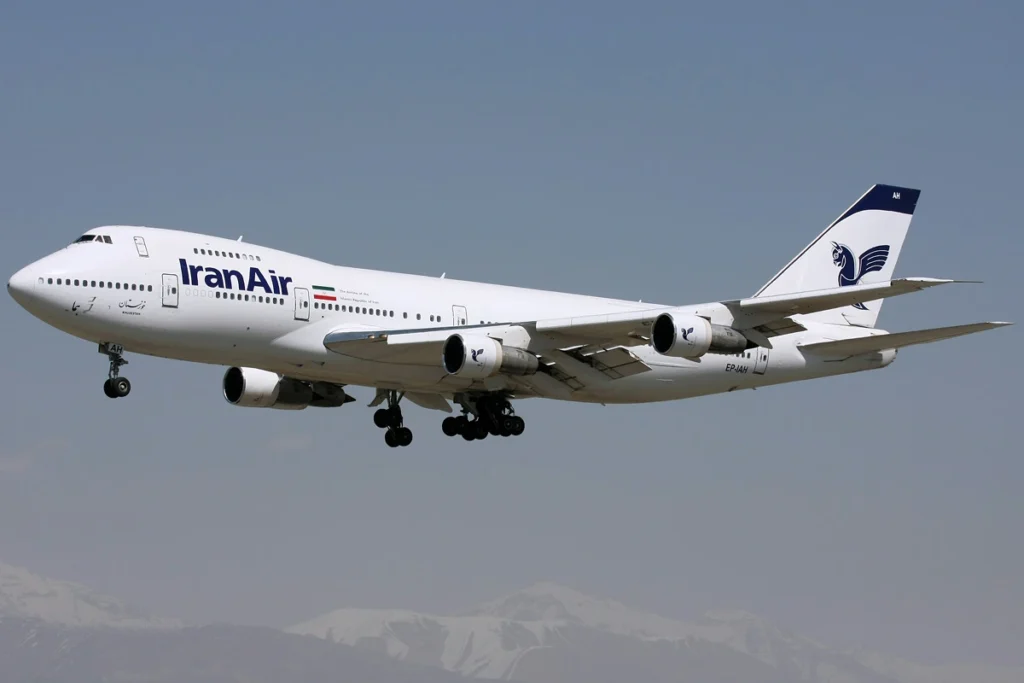
Iran’s aviation network continues to function with minimal structural disruption despite aircraft losses.
Airlines are adapting through optimized scheduling and efficient aircraft utilization. Airport infrastructure remains largely unaffected, supporting stable operations.
The controlled scale of damage indicates that Iran can maintain essential connectivity in the short term, provided geopolitical conditions do not deteriorate further.
Stay tuned with us. Further, follow us on social media for the latest updates.
Join us on Telegram Group for the Latest Aviation Updates. Subsequently, follow us on Google News
