

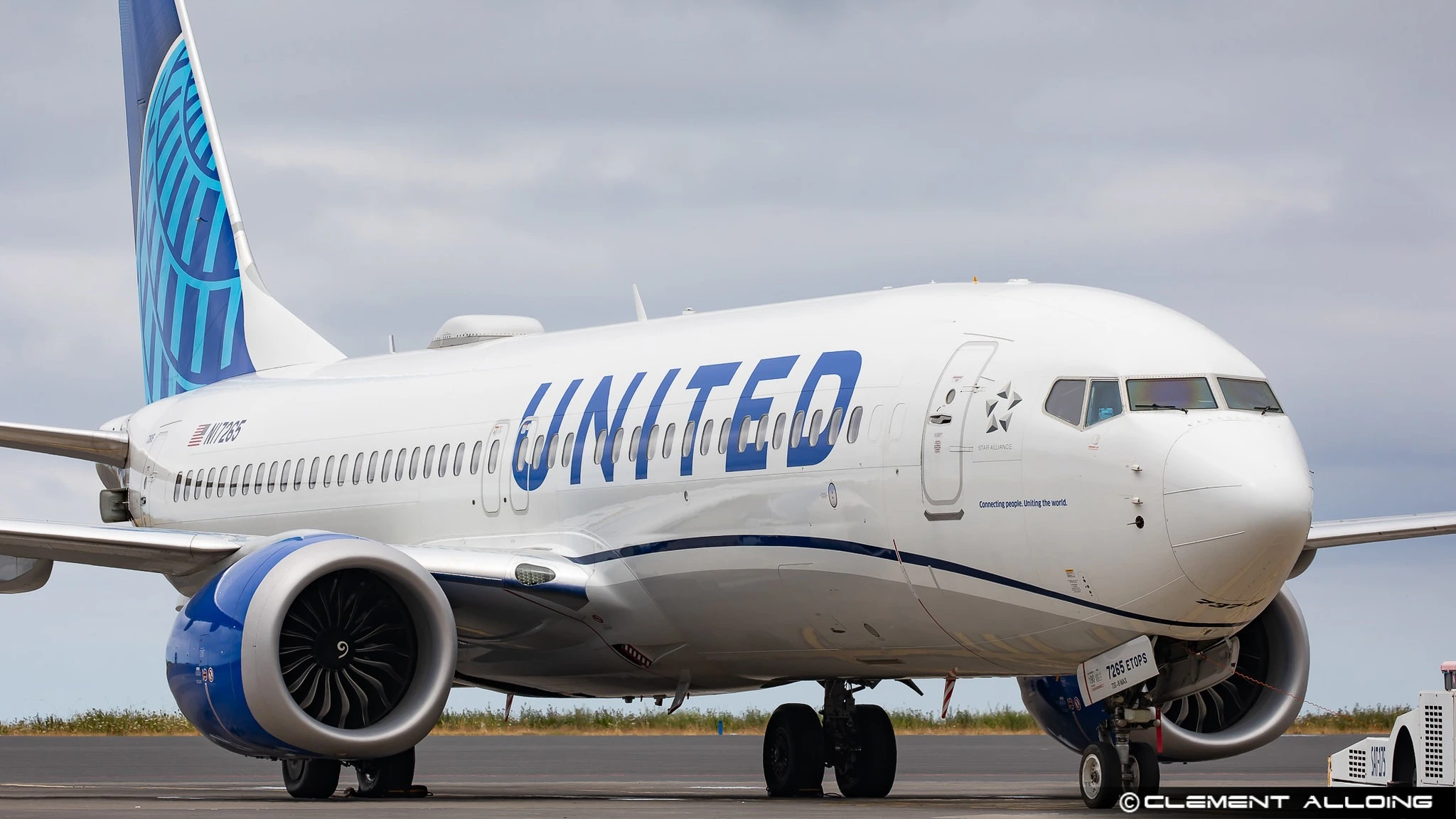
WASHINGTON— The US Federal Aviation Administration (FAA) has ordered mandatory inspections of 471 Boeing 737 MAX aircraft after identifying a potential structural issue that could affect the long-term integrity of the airplanes.
The new airworthiness directive covers Boeing 737-8, 737-9, and 737-8200 aircraft and will become effective on September 10, 2026.
The directive follows reports of cracks found near the forward galley door on aircraft with a similar structural design.
Although no such cracks have been detected on the Boeing 737 MAX fleet, the FAA said the inspection requirement is necessary because the aircraft shares key design and manufacturing characteristics with earlier Boeing 737 Next Generation (NG) models.
The move comes as Boeing continues working to restore confidence in its manufacturing processes following increased regulatory oversight.
FAA Inspection Order for Boeing
The FAA’s final directive addresses cracks that may develop in a structural support known as the bear strap near the upper corner of the forward galley door cutout.
According to the regulator, undetected cracking could eventually spread into the fuselage skin, reducing the aircraft’s ability to withstand certified structural loads.
The inspections apply to 471 US-registered Boeing 737 MAX aircraft, including the 737-8, 737-9, and high-density 737-8200 variants.
Airlines must inspect the affected area and perform corrective actions if any damage is found before the cracks reach a critical length. The FAA stated that repeated inspections provide multiple opportunities to detect and repair the issue before it becomes a safety risk.

Boeing Response to Directive
Boeing said it has been working with airline operators on the issue for approximately six years after similar cracking was identified on older Boeing 737 Next Generation aircraft.
The manufacturer emphasized that the current FAA directive extends an existing inspection program rather than responding to failures found on the MAX fleet.
According to Boeing, no cracking has been observed on in-service 737 MAX aircraft. However, because the MAX family shares comparable structural features and production methods with the earlier generation, the company supports extending the inspection requirements.
Boeing also confirmed that engineering studies have identified the root cause of the cracking mechanism.
The manufacturer is implementing permanent design improvements that are expected to eliminate the issue on future production aircraft while continuing to support inspections across the existing fleet.
Industry Impact Across Airlines
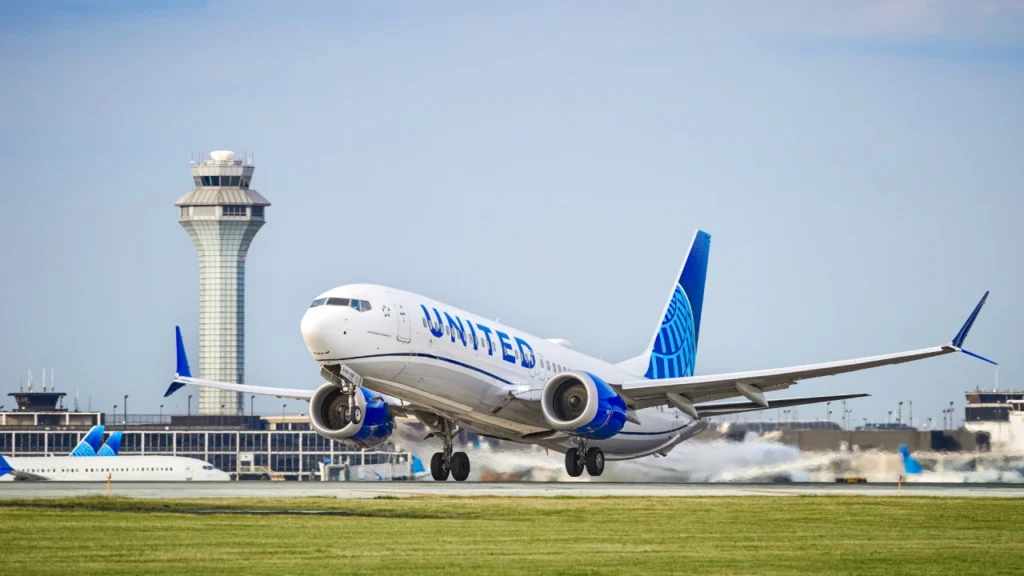
The latest directive follows another FAA action issued in late July, when the regulator proposed inspections of seat installations on hundreds of Boeing 737 MAX aircraft to verify they had been installed correctly.
Together, the actions demonstrate the FAA’s continued emphasis on preventive inspections rather than waiting for in-service failures.
Industry data from aviation intelligence firm IBA estimates that roughly 2,300 Boeing 737 MAX aircraft are currently operating worldwide, including 823 in the United States.
Outside the US, airlines will await guidance from their national aviation authorities, which often adopt FAA airworthiness directives.
In the Middle East, flydubai (FZ) remains the largest Boeing 737 MAX operator, with dozens of 737 MAX 8 aircraft in service and additional deliveries planned. Boeing has not confirmed whether operators outside the United States will immediately adopt the same inspection schedule.
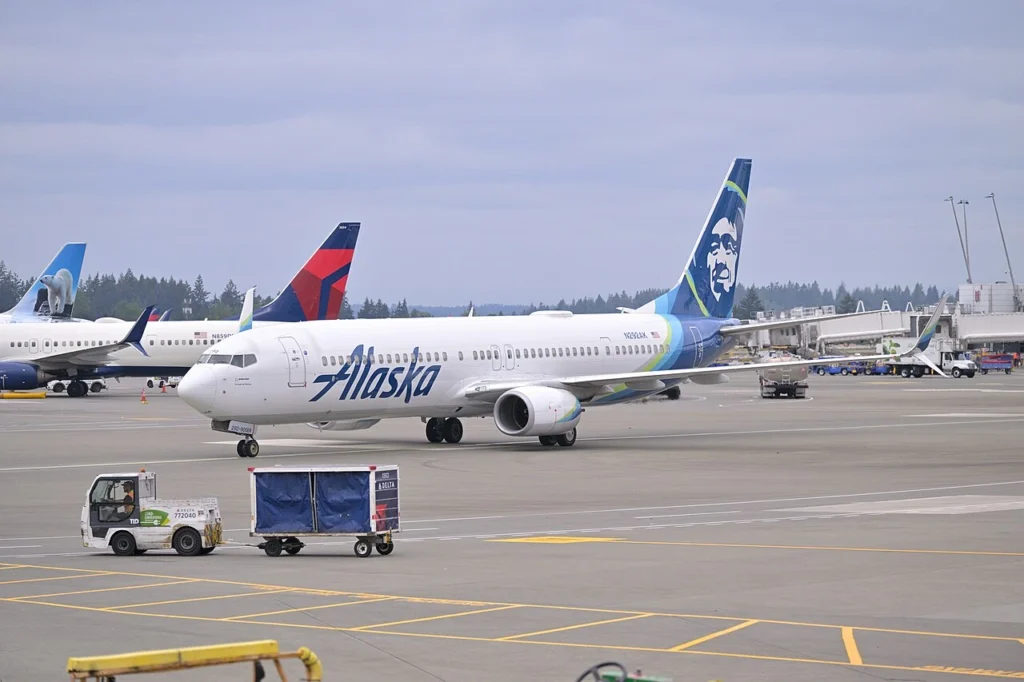
The directive also arrives as Boeing continues rebuilding production quality under CEO Kelly Ortberg after intense regulatory scrutiny following the Alaska Airlines (AS) Boeing 737 MAX 9 door plug accident in January 2024.
Stay tuned with us. Further, follow us on social media for the latest updates.
Join us on Telegram Group for the Latest Aviation Updates. Subsequently, follow us on Google News

