

Not every world-class airport handles more than 70 or 80 million passengers a year. In fact, many airports welcoming between 20 million and 30 million travellers annually consistently outperform larger hubs when it comes to customer satisfaction, efficiency, cleanliness, and overall travel experience.
With manageable passenger volumes and continuous investments in modern infrastructure, these airports often provide smoother journeys and shorter waiting times while maintaining excellent international connectivity.
The Skytrax World Airport Awards 2026 recognise airports that excel in categories such as terminal design, passenger comfort, staff service, shopping, dining, security procedures, and operational efficiency. The airports featured in this ranking demonstrate that handling millions of travellers does not mean compromising on quality.
Top 10 Best Airports Handling 20 to 30 Million Passengers
From Japan and Taiwan to Canada, Germany, China, and Australia, these airports have become benchmarks for aviation excellence. Here are the top 10 best airports in the world handling between 20 million and 30 million passengers in 2026.

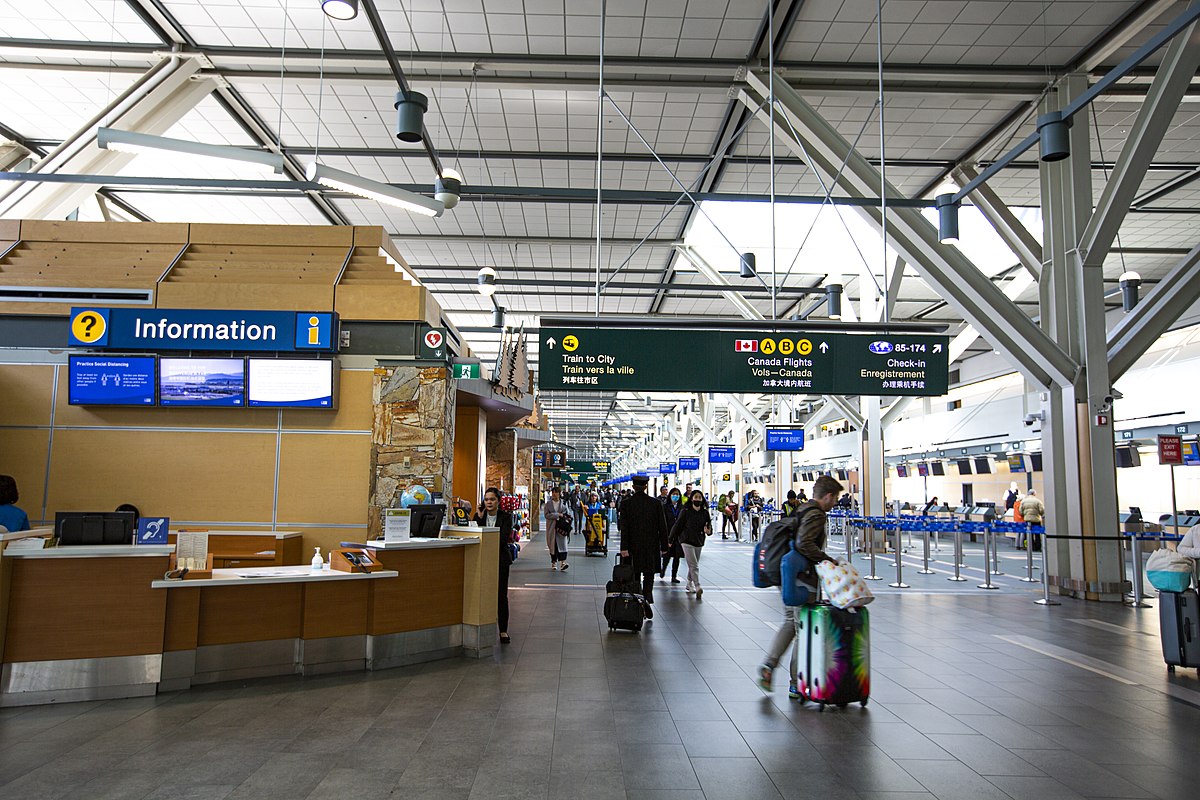
1. Vancouver International Airport (Canada)
Vancouver International Airport tops the rankings in the 20–30 million passenger category and continues to be one of North America’s most admired aviation hubs.
Located just south of downtown Vancouver, the airport is celebrated for its efficient operations, outstanding customer service, and beautiful design inspired by the natural landscapes and Indigenous cultures of British Columbia. Spacious terminals filled with natural light create a welcoming atmosphere for arriving and departing travellers.
Passengers consistently praise the airport’s smooth security procedures, short walking distances, and impressive cleanliness. Restaurants highlight local Canadian cuisine and Pacific seafood, while premium lounges and quiet seating areas make longer layovers comfortable.
Excellent rail links to the city centre further enhance convenience. Vancouver’s commitment to sustainability, innovation, and passenger satisfaction ensures it remains a global leader in airport excellence.
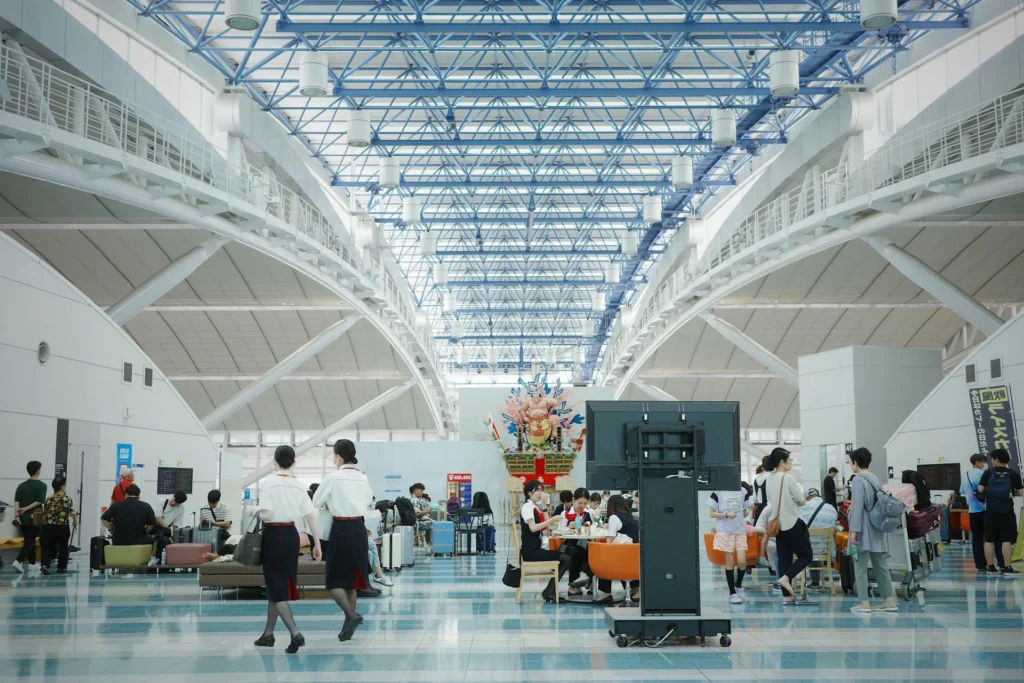
2. Fukuoka Airport (Japan)
Fukuoka Airport secures second place thanks to its remarkable convenience and exceptional service standards.
Situated unusually close to the city centre, travellers can reach downtown Fukuoka in only a matter of minutes using public transport. This accessibility has made it one of Japan’s most popular airports among both domestic and international passengers.
Despite limited space compared with larger hubs, the airport operates efficiently with well-organised terminals, courteous staff, and excellent signage. Dining options feature renowned local specialities, including Hakata ramen, while retail areas showcase regional products and Japanese brands.
Passengers consistently appreciate the airport’s cleanliness and hospitality, reflecting Japan’s reputation for world-class customer service.
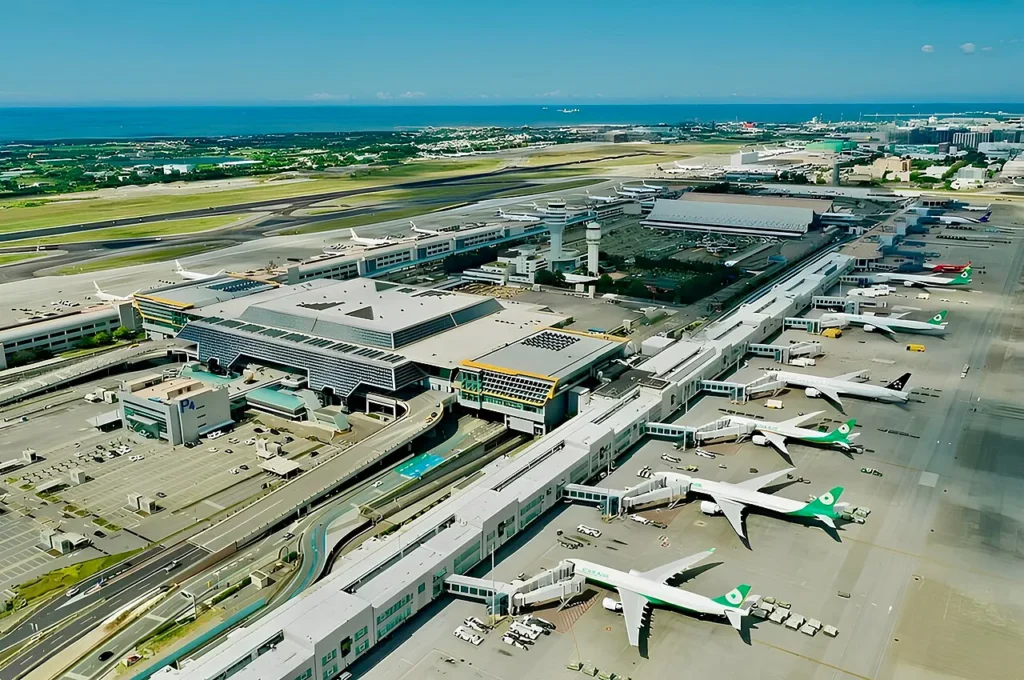
3. Taiwan Taoyuan International Airport (Taiwan)
Taiwan Taoyuan ranks third and continues serving as Taiwan’s principal international gateway.
The airport combines modern facilities with efficient passenger processing and a broad range of services catering to global travellers. Recent upgrades have expanded retail offerings, dining experiences, and digital technologies that streamline check-in and boarding.
Visitors often compliment the professionalism of airport staff and the calm atmosphere maintained despite significant passenger volumes. Comfortable lounges, family-friendly facilities, and cultural displays provide an enjoyable travel environment.
With excellent connectivity across Asia and beyond, Taoyuan remains one of the region’s leading aviation hubs.

4. Haikou Meilan International Airport (China)
Haikou Meilan claims fourth place and has steadily gained recognition as one of China’s highest-rated airports.
Serving Hainan Island, the airport combines modern architecture with efficient operations and a welcoming atmosphere. Expansion projects have introduced larger terminals and upgraded passenger amenities while preserving smooth operational flow.
Travellers enjoy clean facilities, helpful staff, and a growing variety of shopping and dining choices. The airport’s tropical location and relaxed environment create a pleasant contrast to many busier metropolitan hubs.
Its commitment to continuous improvement has elevated Haikou Meilan into the ranks of the world’s best mid-sized airports.

5. New Chitose Airport (Japan)
New Chitose Airport, serving Hokkaido, earns fifth place and offers one of Japan’s most distinctive airport experiences.
Beyond its operational efficiency, the airport has become a destination in its own right, featuring museums, entertainment areas, local food courts, and speciality shops selling Hokkaido’s famous dairy products and confectionery.
Passengers praise the airport’s organisation, cleanliness, and exceptionally polite staff. Winter travellers particularly appreciate its ability to maintain reliable operations despite heavy snowfall.
Excellent domestic connections and growing international services make New Chitose an essential gateway to northern Japan.
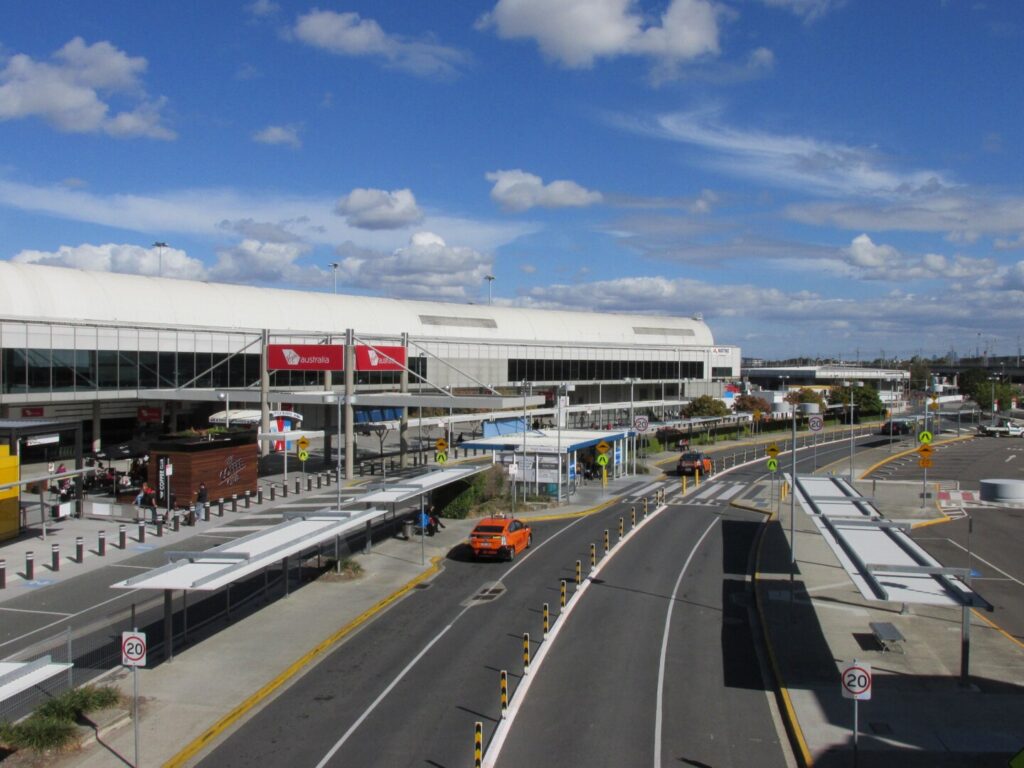
6. Brisbane Airport (Australia)
Brisbane Airport takes sixth place and continues strengthening its reputation as one of Australia’s leading aviation facilities.
Serving Queensland’s capital, the airport combines modern terminals with efficient passenger services and a relaxed atmosphere. Recent investments have enhanced security processing, expanded retail areas, and upgraded lounge facilities.
Travellers appreciate the airport’s straightforward layout, professional staff, and strong range of restaurants and cafés. Convenient transport links ensure easy access to Brisbane’s city centre and surrounding tourist destinations.
Its emphasis on sustainability and operational efficiency continues attracting favourable passenger reviews.
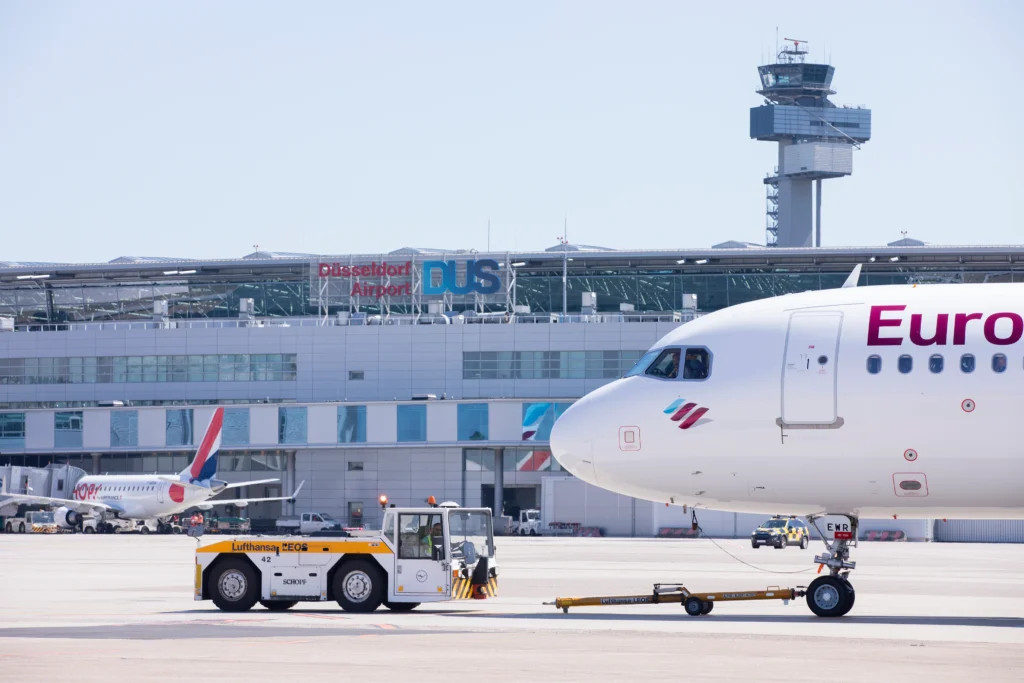
7. Dusseldorf Airport (Germany)
Dusseldorf Airport ranks seventh and remains an important gateway for western Germany and neighbouring European markets.
Known for its efficient design and reliable operations, the airport offers travellers a pleasant experience with modern terminals, comfortable waiting areas, and extensive shopping opportunities. Security procedures are generally quick, while multilingual staff assist international visitors throughout the terminal.
Restaurants range from traditional German cuisine to international dining options, ensuring broad appeal for diverse passengers.
Excellent rail connectivity further enhances Dusseldorf’s reputation as one of Europe’s most convenient airports.
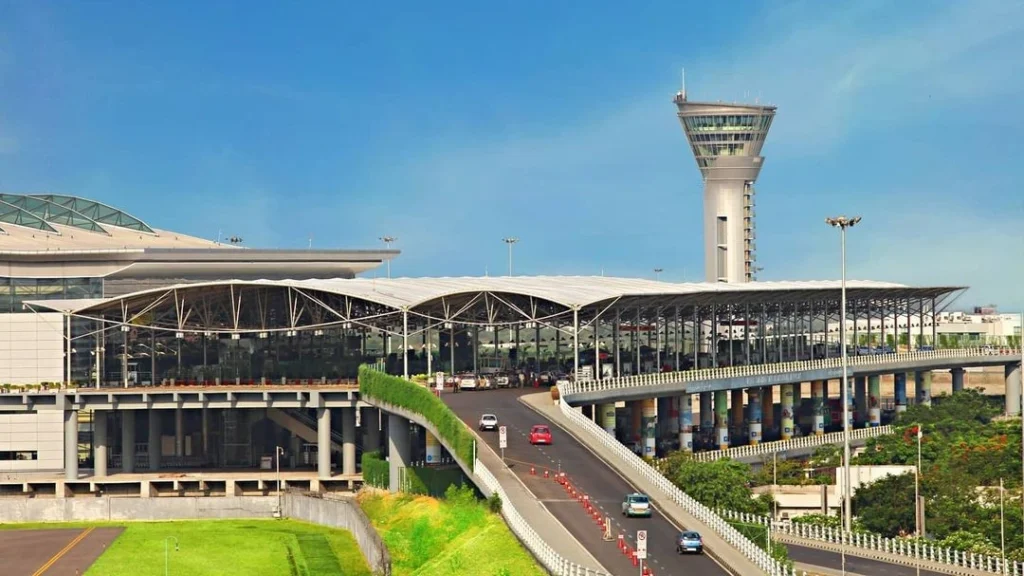
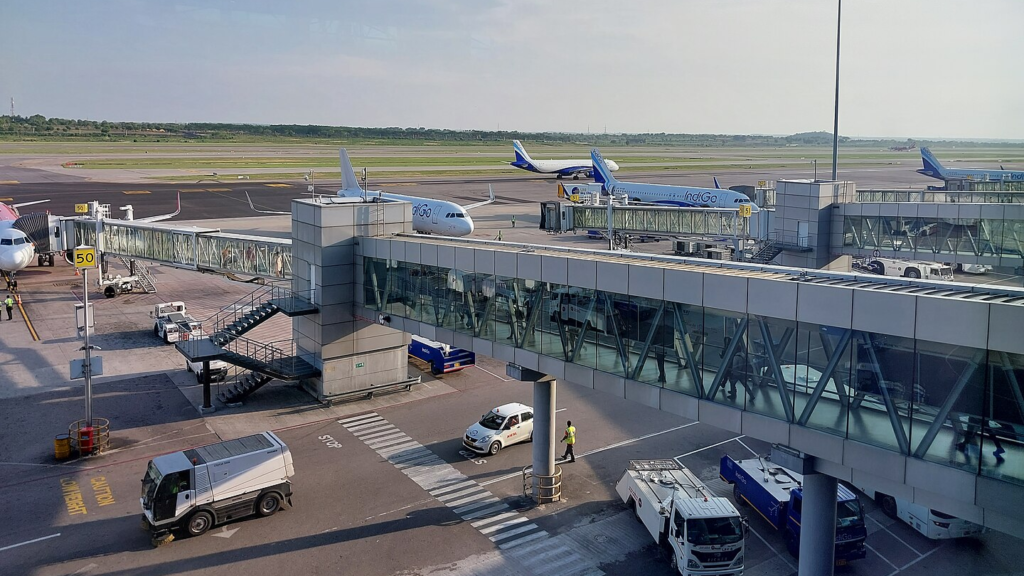
8. Rajiv Gandhi International Airport, Hyderabad (India)
Hyderabad secures eighth place and continues to receive praise for combining technological innovation with outstanding passenger service.
The airport has invested heavily in automation, digital check-in systems, and sustainable infrastructure while maintaining high standards of cleanliness and efficiency. Spacious terminals, premium lounges, and varied dining choices contribute to an enjoyable travel experience.
Visitors often highlight the helpfulness of airport staff and the smooth processing through security and immigration. Cultural displays and locally inspired architecture add a distinctive regional character.
As one of India’s fastest-growing aviation hubs, Hyderabad continues to set benchmarks for excellence in South Asia.
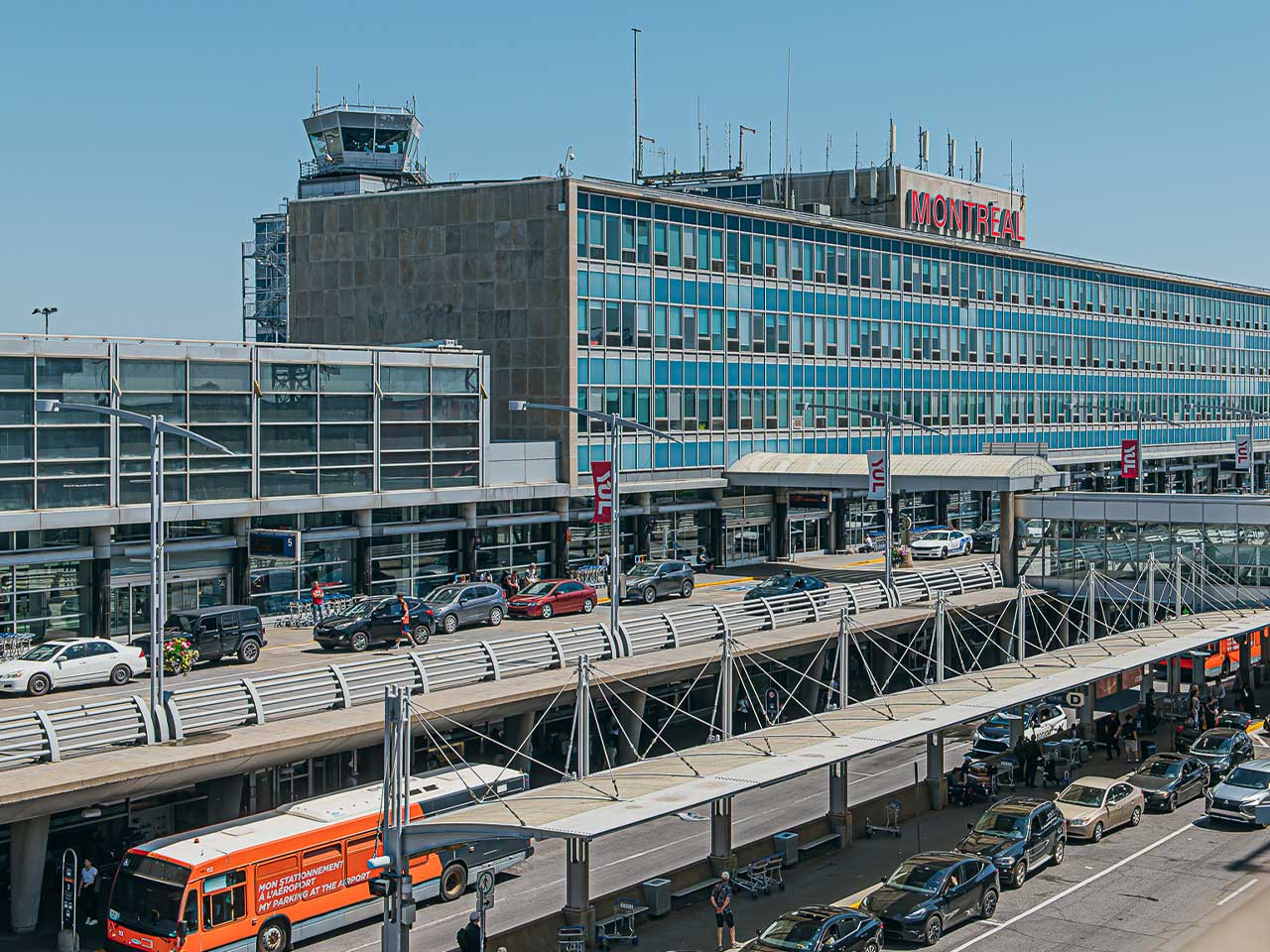
9. Montreal-Trudeau International Airport (Canada)
Montreal-Trudeau claims ninth position and remains a key gateway connecting Canada with Europe and North America.
The airport’s bilingual environment reflects the city’s French and English heritage, while upgraded terminals provide modern facilities and improved passenger comfort. Dining options showcase Quebec’s culinary traditions alongside international cuisine.
Travellers appreciate efficient operations, courteous staff, and well-maintained public spaces. Investments in technology and accessibility have further enhanced the passenger experience in recent years.
Montreal continues building its reputation through steady improvements and customer-focused services.
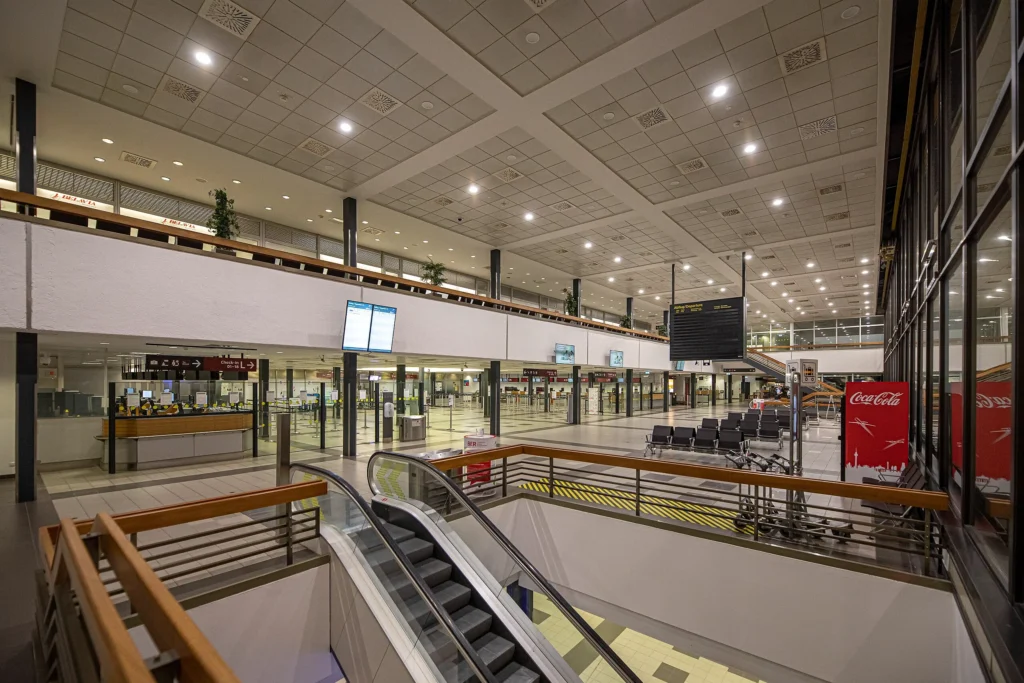
10. Berlin Brandenburg Airport (Germany)
Berlin Brandenburg completes the top ten after establishing itself as Germany’s capital gateway.
Although its development faced significant delays before opening, the airport now offers spacious terminals, contemporary architecture, and steadily improving passenger services. Retail outlets, restaurants, and premium facilities continue expanding as traffic grows.
Passengers frequently praise the airport’s modern design and organised layout, while staff work to maintain efficient operations across domestic and international services.
As Berlin strengthens its position as a major European destination, Brandenburg Airport continues evolving into an increasingly competitive international hub.
What Makes These Airports Exceptional?
The highest-ranked airports handling between 20 million and 30 million passengers share several defining characteristics:
- Efficient check-in and security procedures.
- Clean and well-maintained terminals.
- Comfortable lounges and seating areas.
- Helpful multilingual staff.
- Reliable baggage handling systems.
- Strong dining and shopping options.
- Excellent transport connections.
- Smart use of digital technology.
- Passenger-friendly layouts with minimal congestion.
- Ongoing investment in sustainability and infrastructure.
These qualities help deliver premium travel experiences while accommodating substantial passenger volumes.
Emerging Trends in 2026
- Passenger comfort remains central – Many airports are redesigning terminals to maximise natural light, reduce walking distances, and create more relaxing environments.
- Smart technology is expanding – Biometric boarding, automated immigration gates, and AI-assisted operations continue to reduce queues and improve efficiency.
- Sustainability drives development – Renewable energy projects, environmentally responsible construction, and waste reduction initiatives are becoming standard across leading airports.
- Regional identity matters – Several airports incorporate local architecture, cuisine, culture, and artwork to create memorable experiences that reflect their destinations.
The Future of Mid-Sized Global Airports
As aviation demand continues growing, airports in the 20–30 million passenger category are expected to expand capacity while maintaining their customer-focused approach. Future developments will likely include greater automation, enhanced digital services, carbon-neutral operations, and personalised passenger experiences.
Many of these airports have the flexibility to innovate more rapidly than larger mega hubs, allowing them to remain competitive in an increasingly demanding global travel market.
Bottom Line
The world’s best airports handling between 20 million and 30 million passengers demonstrate that excellence is measured by more than traffic numbers. Together, they illustrate how thoughtful design, continual investment, and a focus on passenger satisfaction can transform airports into destinations that travellers genuinely enjoy visiting.
FAQs
Vancouver International Airport in Canada holds the top position in the Skytrax 2026 rankings for airports handling between 20 million and 30 million annual passengers.
Japan features two airports in the top ten: Fukuoka Airport and New Chitose Airport, both recognised for their efficiency and customer service.
Its combination of excellent customer service, sustainable practices, efficient operations, beautiful terminal design, and consistently high passenger satisfaction makes Vancouver the leader in the 20–30 million passenger category for 2026.
Stay tuned with us. Further, follow us on social media for the latest updates.
Join us on Telegram Group for the Latest Aviation Updates. Subsequently, follow us on Google News
