

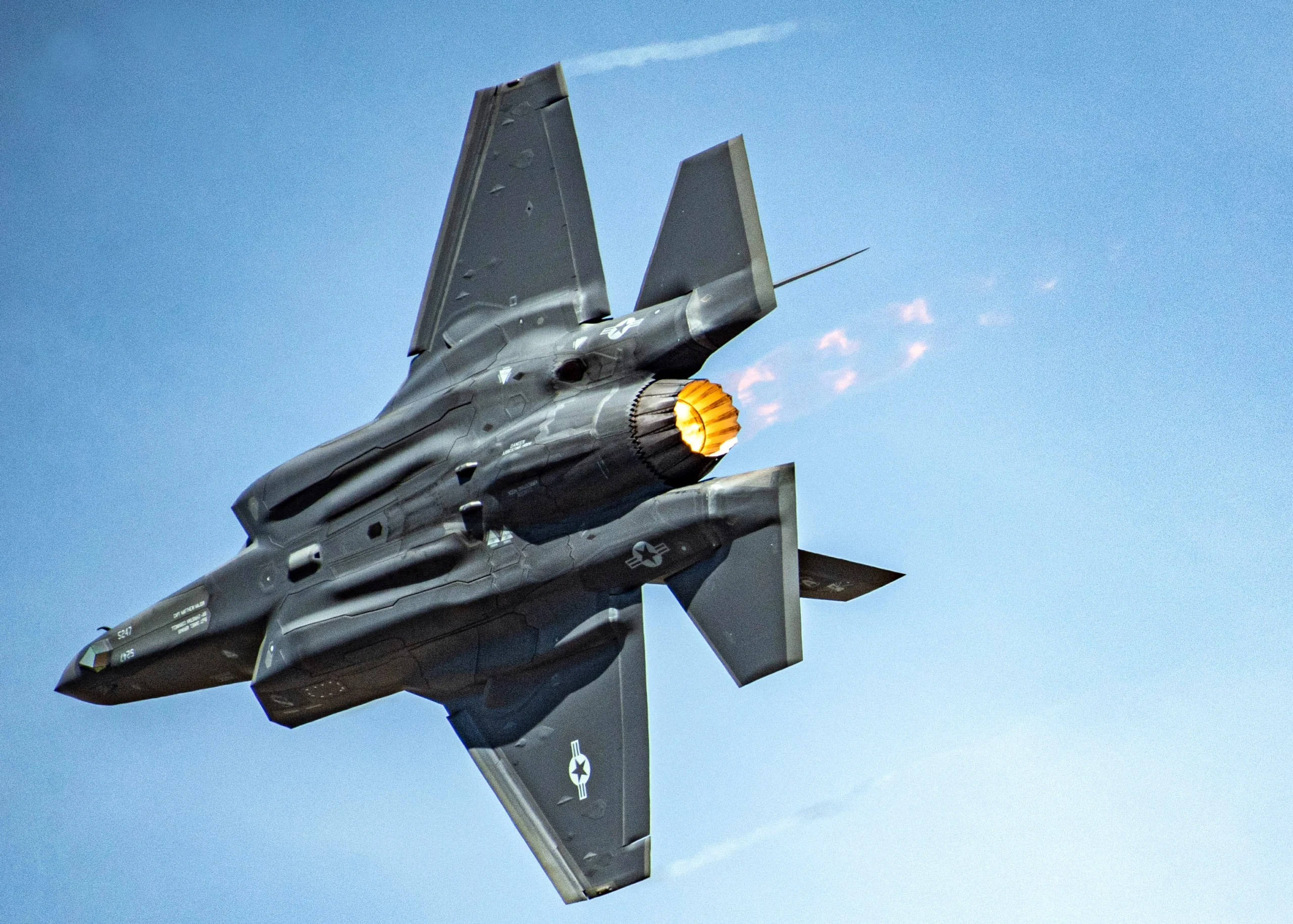
TEL AVIV- Israel is prepared to invoke a technology-based veto to prevent the sale of F-35 stealth fighter jets to Turkey, according to a senior Israeli official, underscoring rising geopolitical and defense tensions in the eastern Mediterranean and the broader NATO alliance.
Israel’s Deputy Foreign Minister Sharren Haskel said the country holds clear reservations about any potential transfer of the fifth-generation fighter to Turkey, citing national security risks and proprietary defense technologies. Her remarks came amid renewed debate in Washington over Ankara’s request to rejoin the F-35 program after being removed from it in 2019.
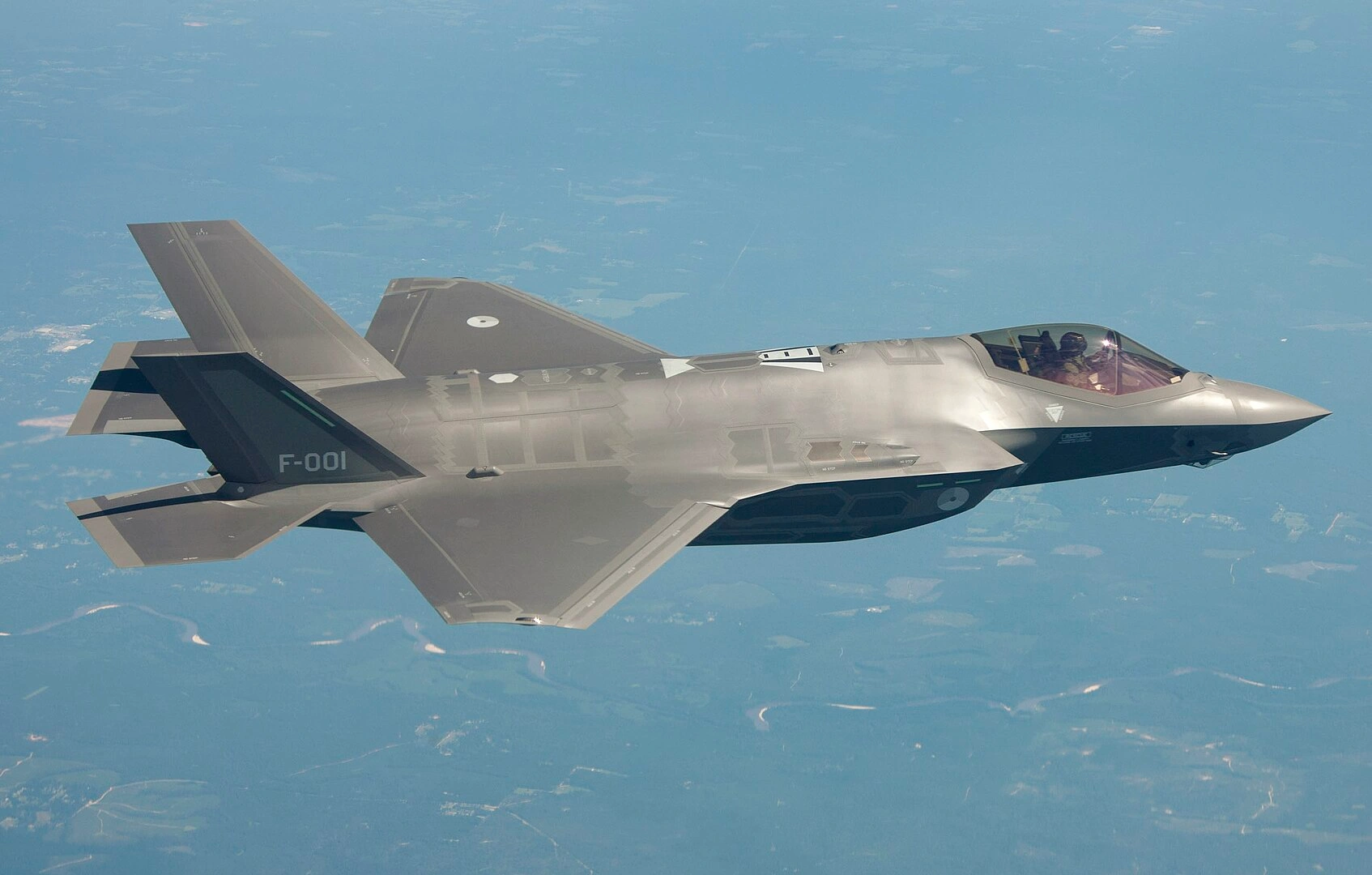
Israel Can Block Turkey’s F-35 Deal
Israel argues that a significant portion of the F-35’s advanced avionics, sensors, and electronic warfare systems were developed domestically.
Officials maintain that these systems fall under technology-sharing agreements that allow Israel to block transfers to countries it deems sensitive.
Haskel stated that even if a sale were approved by the United States, Israeli-developed systems would not be included.
This position effectively limits Turkey’s ability to receive a fully configured aircraft comparable to those operated by other regional air forces.
Turkey was expelled from the F-35 development and procurement program in 2019 after it acquired the Russian-made S-400 air defense system.
The United States cited concerns that operating the S-400 alongside the F-35 could expose sensitive data and compromise the jet’s stealth characteristics.
The removal ended Turkey’s role as both a buyer and an industrial partner, disrupting contracts held by Turkish defense firms that produced components for the aircraft.
Since then, Ankara’s air force modernization plans have faced growing challenges as neighboring countries move ahead with fifth-generation capabilities.
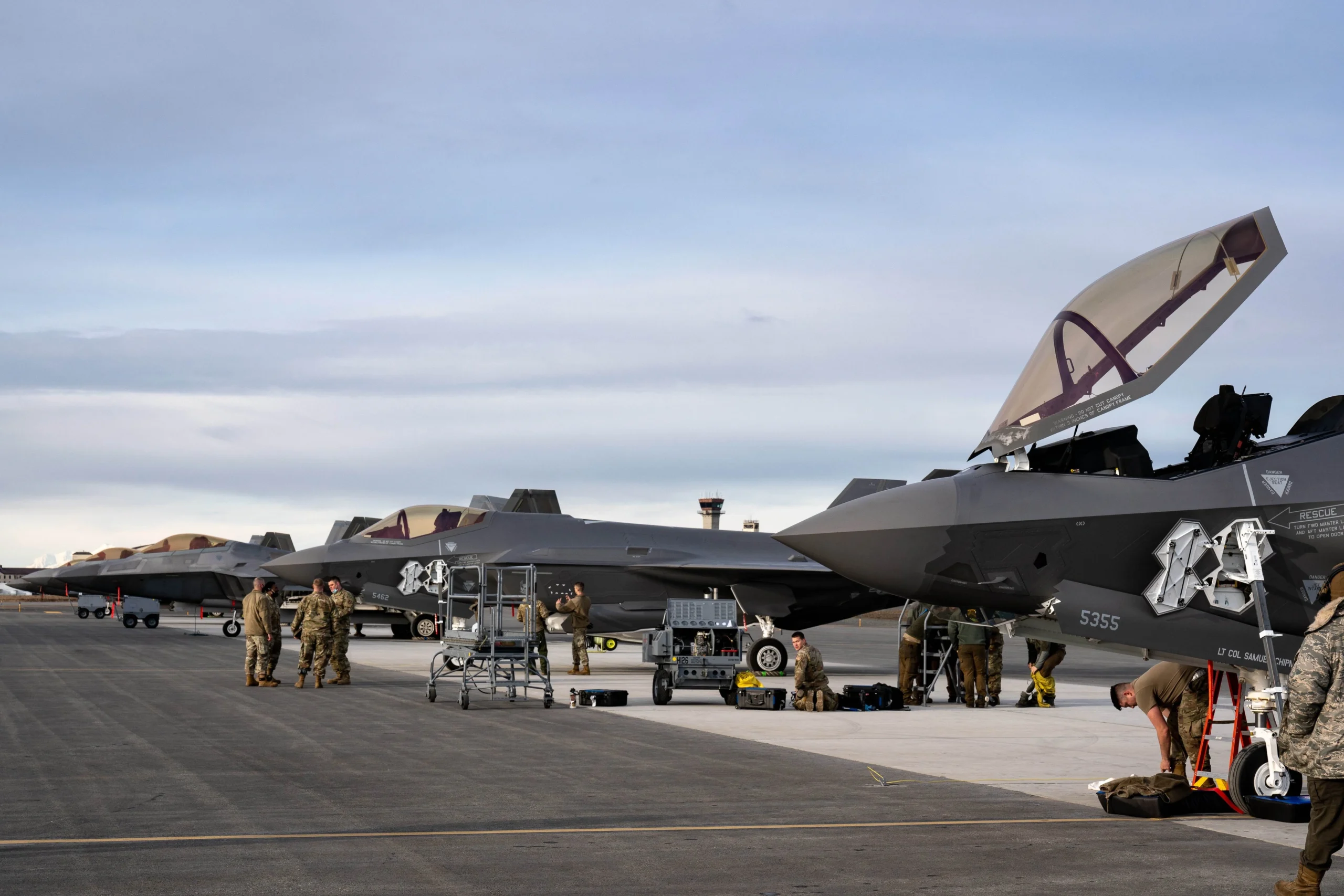
Regional Air Power
Israel has used its F-35 fleet to establish sustained air superiority across multiple theaters in the Middle East. The aircraft has become central to Israel’s long-range strike and intelligence-gathering strategy, reinforcing its qualitative military edge.
Meanwhile, regional competitors to Turkey, including Greece and Saudi Arabia, have secured agreements with the United States to acquire the F-35.
These developments have widened the capability gap for Turkey’s air force, which continues to rely on aging fourth-generation platforms.
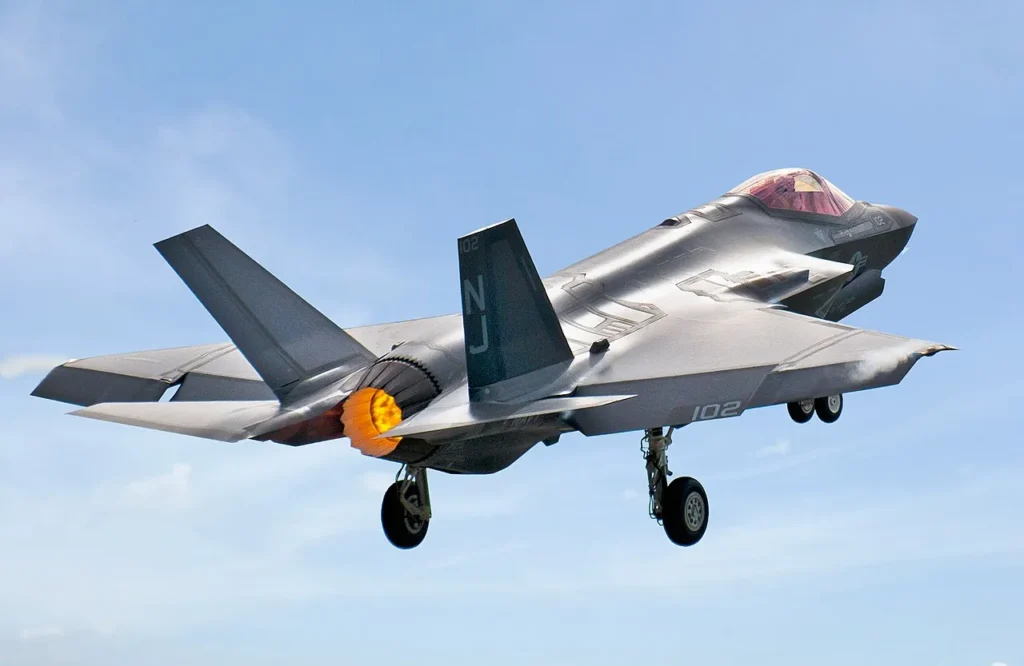
F-35: Most Advanced Fighter Jet
Lockheed Martin, the manufacturer behind the F-35 Lightning II, operates the world’s largest fifth-generation fighter program from the United States.
Primary production is led by Lockheed Martin Aeronautics, with Fort Worth as the industrial hub, supported by Dallas-Fort Worth International Airport (DFW).
As of August 2025, more than 1,215 F-35 stealth fighter jets are in service worldwide.
The aircraft remains the backbone of US and allied air power, even as next-generation programs move slowly toward operational status.
The F-35 Program and Its Global Role
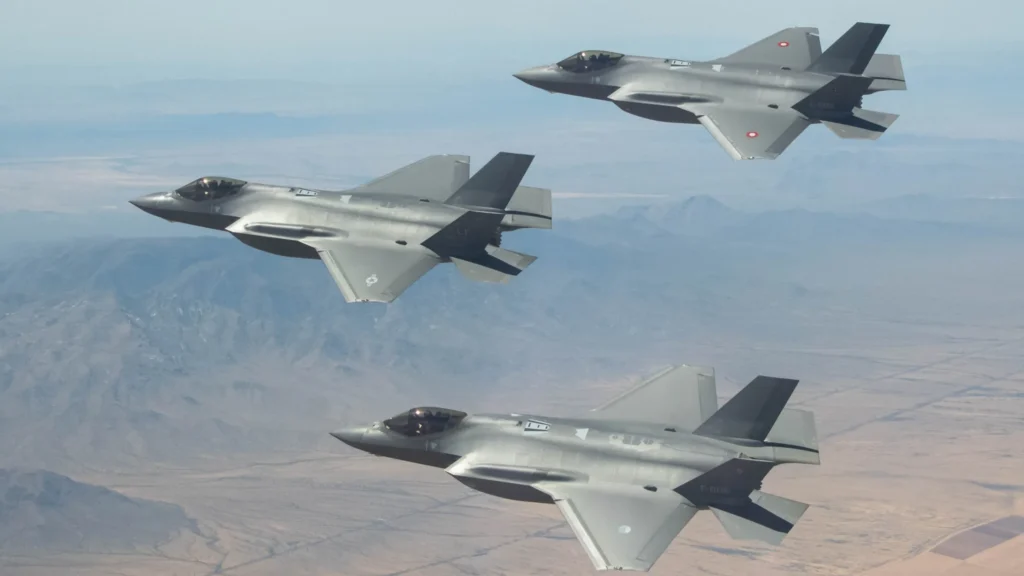
The F-35 Lightning II is designed as a fifth-generation, multi-role stealth fighter built for modern, high-threat environments. Its strength lies not only in stealth and speed but in its ability to gather, process, and share battlefield data across air, land, sea, space, and cyber domains.
Often described as the quarterback of the skies, the F-35 can detect targets far beyond visual range and guide friendly aircraft, naval vessels, and ground forces toward them. This makes it a central node in modern network-centric warfare rather than a standalone strike platform.
Unlike past fighter programs led by a single nation, the F-35 Joint Strike Fighter program is a multinational effort. Dozens of partner countries contribute to manufacturing, sustainment, and operational deployment. This shared structure explains both the scale and the cost of the program.
The US Department of Defense estimates total lifecycle costs will exceed $2 trillion over the aircraft’s service life.
Three Variants, Distinct Missions
The F-35 is produced in three specialized variants, each optimized for a different operational requirement.
F-35A Conventional Takeoff and Landing
The F-35A is the standard version designed for traditional runways. It is the lightest and simplest variant to maintain, requiring an average of 5.3 maintenance man-hours per flight hour.
F-35B Short Takeoff and Vertical Landing
The F-35B is built for short takeoff and vertical landing operations. It can operate from austere bases and amphibious assault ships, giving forces greater flexibility. This capability comes with higher maintenance demands, averaging 11.5 man-hours per flight hour.
F-35C Carrier Variant
The F-35C is optimized for aircraft carrier operations, featuring larger wings and reinforced landing gear. It requires approximately 10.1 maintenance man-hours per flight hour and is currently deployed exclusively by the United States Navy.
Mission Capabilities
The F-35 is designed to perform a wide range of missions without reconfiguration. These include air superiority, close air support, strategic strike, intelligence surveillance and reconnaissance, suppression and destruction of enemy air defenses, and electronic warfare.
Its sensor fusion and data-sharing capabilities allow it to operate effectively in contested airspace while supporting less stealthy platforms operating nearby.
F-35A Technical Specifications
The F-35A serves as the baseline model for the program.
- Length: 51.4 feet
- Wingspan: 35 feet
- Empty weight: 29,300 pounds
- Standard takeoff weight: 49,540 pounds
- Maximum takeoff weight: 65,918 pounds
- Top speed: Mach 1.6 at altitude
- Combat range: 1,500 nautical miles
- Engine: Pratt and Whitney F135-PW-100 afterburning turbofan
- Armament: GAU-22A 25 mm cannon, internal and external hardpoints supporting up to 18,000 pounds of weapons
Global Fleet and Operating Bases
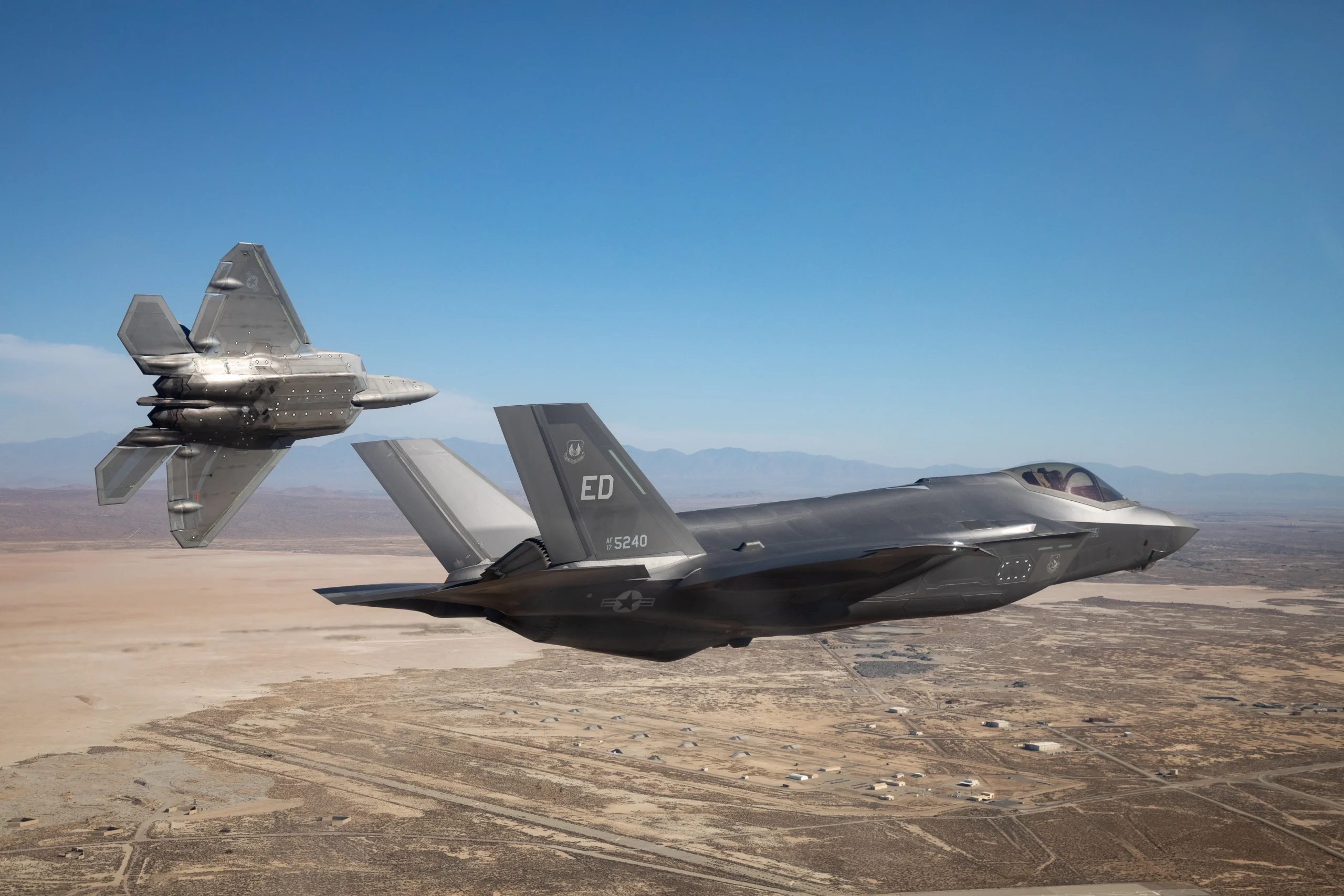
By August 2025, the global F-35 fleet had surpassed one million flight hours. More than 3,070 pilots and nearly 18,900 maintainers are qualified to operate and sustain the aircraft. The fleet has completed over 685 deployments and roughly 660,000 training and operational sorties.
Operating the F-35 requires specialized infrastructure. Around 37 dedicated air bases worldwide support the fleet, while 12 US Navy warships are configured to operate carrier-capable variants.
As deliveries stabilize following earlier delays, the growing fleet strengthens US and NATO readiness for near-peer conflicts.
Bottom Line
President Recep Tayyip Erdogan has renewed calls for Turkey’s reinstatement into the F-35 program, arguing that the move would strengthen NATO security and repair ties with Washington.
He has described Turkey’s earlier removal as unjust and emphasized that the country has already paid for the aircraft.
Israel’s stated readiness to exercise a technology veto adds a new layer of complexity to the debate.
Any future decision on Turkey’s F-35 bid will now hinge not only on U.S. policy but also on the consent of key technology stakeholders within the program.
Stay tuned with us. Further, follow us on social media for the latest updates.
Join us on Telegram Group for the Latest Aviation Updates. Subsequently, follow us on Google News
