

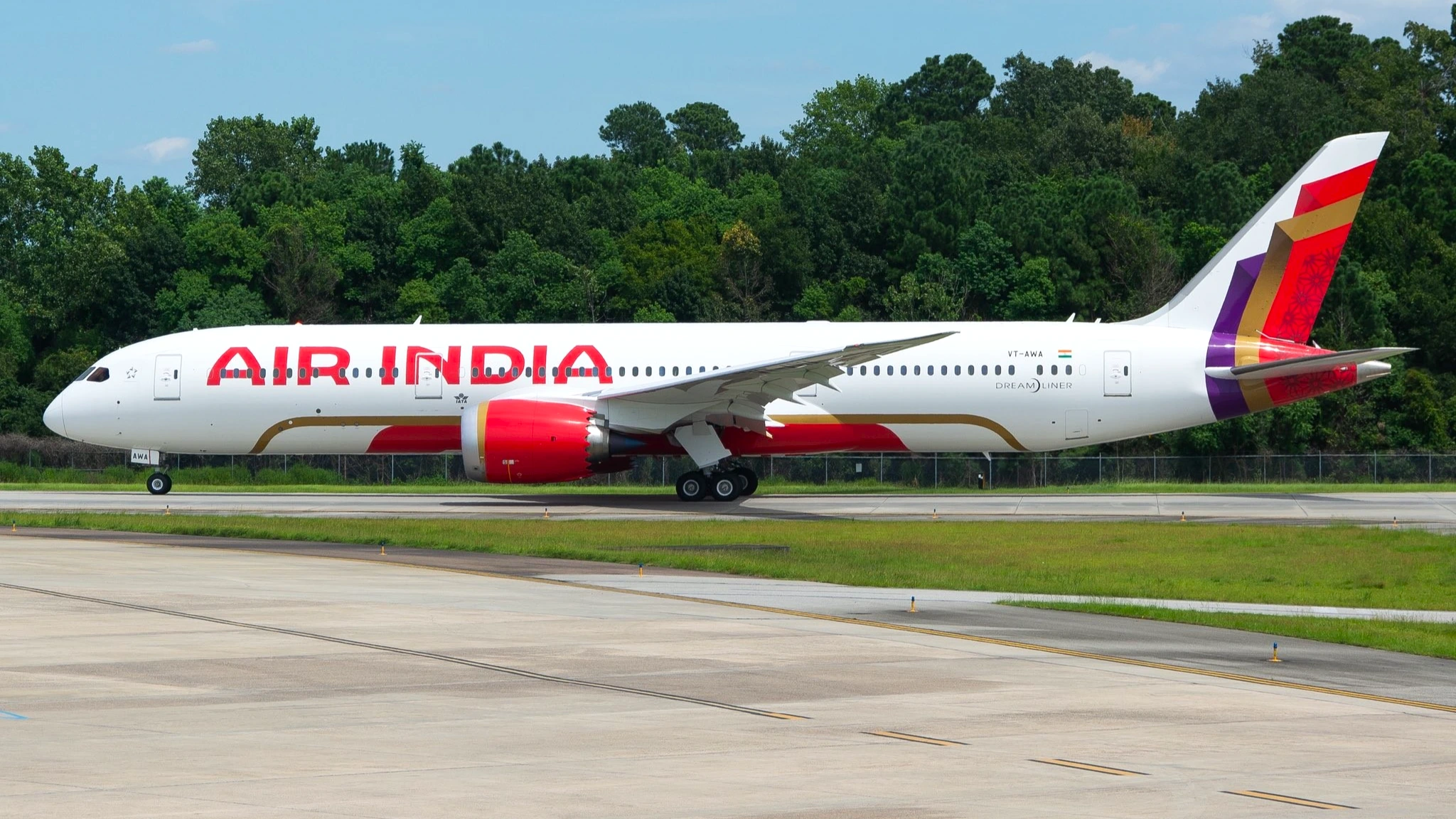
DELHI- Tata Group-owned Air India (AI) has taken delivery of its first custom-built Boeing 787-9 Dreamliner since returning to private ownership, completing the title transfer in Seattle.
The aircraft was handed over at Boeing’s Everett facility, reinforcing the airline’s long-term wide-body expansion plan.
This Boeing 787-9 is Air India’s first line-fit Dreamliner after the Tata Group acquisition, following regulatory inspections by Indian aviation authorities. The aircraft is expected to arrive in India within days after completing the Directorate General of Civil Aviation approvals.
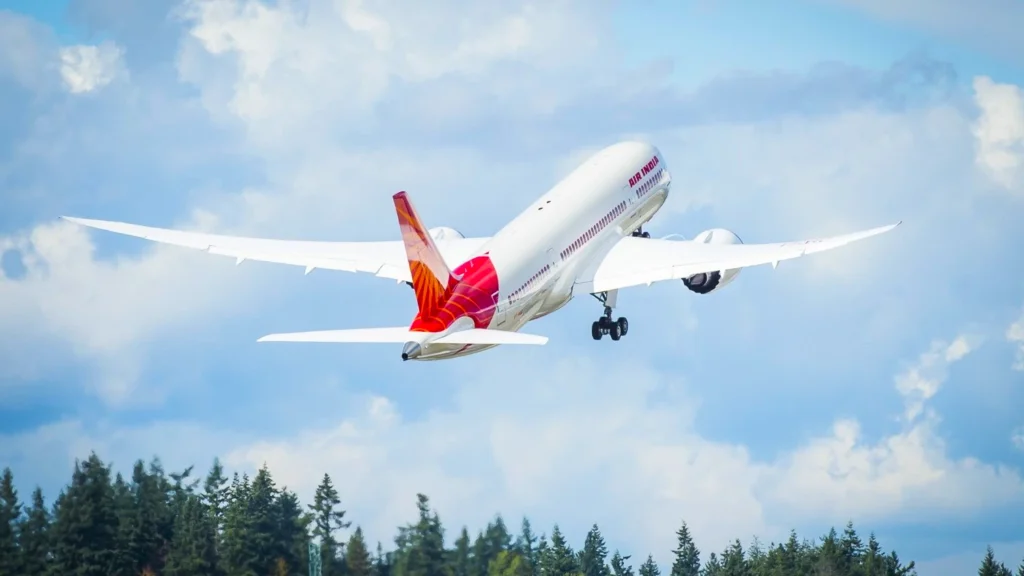
Air India First 787-9 Delivery
The Boeing 787-9 was delivered to Air India at Boeing’s Everett factory near Seattle, United States. This marks the airline’s first line-fit Dreamliner since October 2017, when the carrier was still under government ownership.
Line-fit aircraft are built to an airline’s specifications directly on the production line. This allows Air India to introduce its latest cabin standards without extensive post-delivery modifications.
The newly delivered Dreamliner features a three-class cabin layout. It includes economy, premium economy, and business class seating aligned with the airline’s refreshed onboard product.
Regulatory Clearance and Entry Into Service
Before entering commercial service, the aircraft underwent inspections by the Directorate General of Civil Aviation. Once cleared, it will operate long-haul international routes from India.
This delivery is also Air India’s first wide-body aircraft among the 220 Boeing jets ordered in 2023. It represents the 52nd aircraft delivered under the Tata Group’s broader fleet acquisition strategy.
Since the Tata Group takeover in January 2022, Air India has placed orders for 570 aircraft.
This includes 350 Airbus planes and 220 Boeing aircraft to modernise its aging fleet.
Out of the Airbus order, six Airbus A350 aircraft have already joined Air India’s fleet.
On the Boeing side, Air India Express has inducted 51 Boeing 737-8 aircraft, including its first line-fit narrow-body plane delivered in December.
Existing Dreamliner Fleet and Future Upgrades
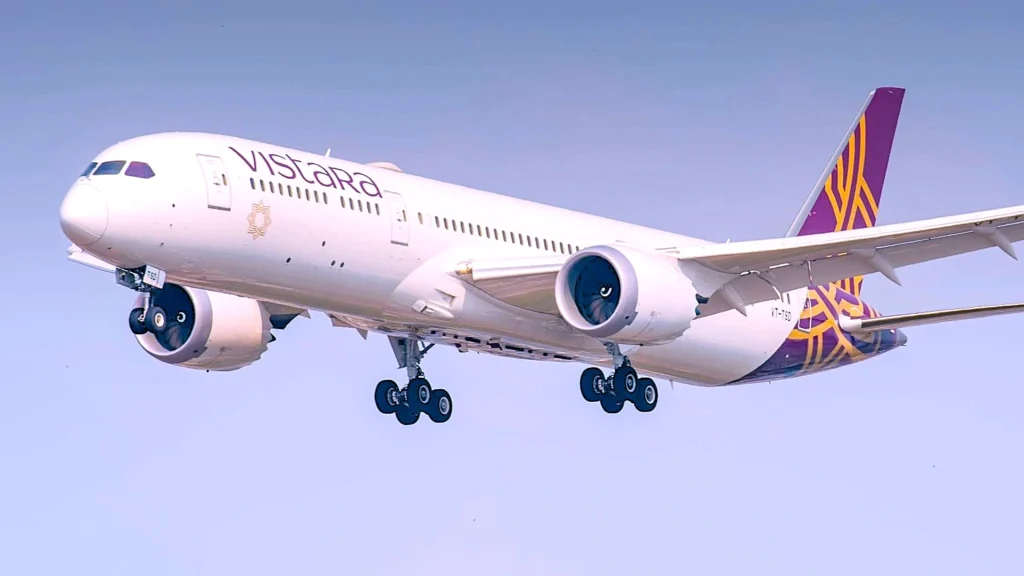
Air India currently operates 26 Boeing 787-8 aircraft and six Boeing 787-9s inherited from Vistara.
Vistara was merged into Air India as part of the group’s consolidation strategy.
In addition, a dozen legacy Dreamliners with upgraded interiors are scheduled to return to service by 2026. These refurbishments aim to align older aircraft with the airline’s new product standards.
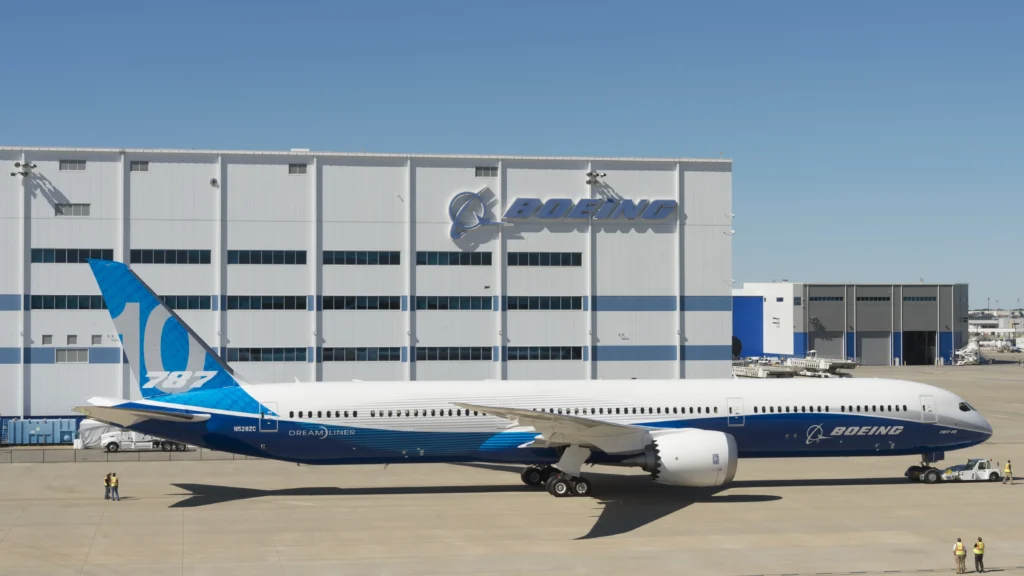
About 787-9 Dreamliner
The Boeing 787-9 Dreamliner is a long-haul aircraft designed to reduce fuel use while improving passenger comfort. It delivers lower emissions, quieter operations, and a more refined onboard environment.
With advanced engines, modern cabin systems, and efficient aerodynamics, the 787-9 represents a major shift in how long-distance air travel is engineered and experienced.
Engineering the Dreamliner Experience
The Boeing 787-9 is built around efficiency and passenger well-being. It consumes about 2.5 liters of fuel per passenger per 100 kilometers, which is roughly 30 percent less than older widebody aircraft. This reduction directly lowers carbon dioxide emissions and operating costs for airlines.
The aircraft uses twin high-bypass turbofan engines with sawtooth nozzle edges. These designs reduce noise during takeoff and landing while maintaining strong thrust and fuel efficiency. The result is a quieter aircraft both inside the cabin and on the ground.
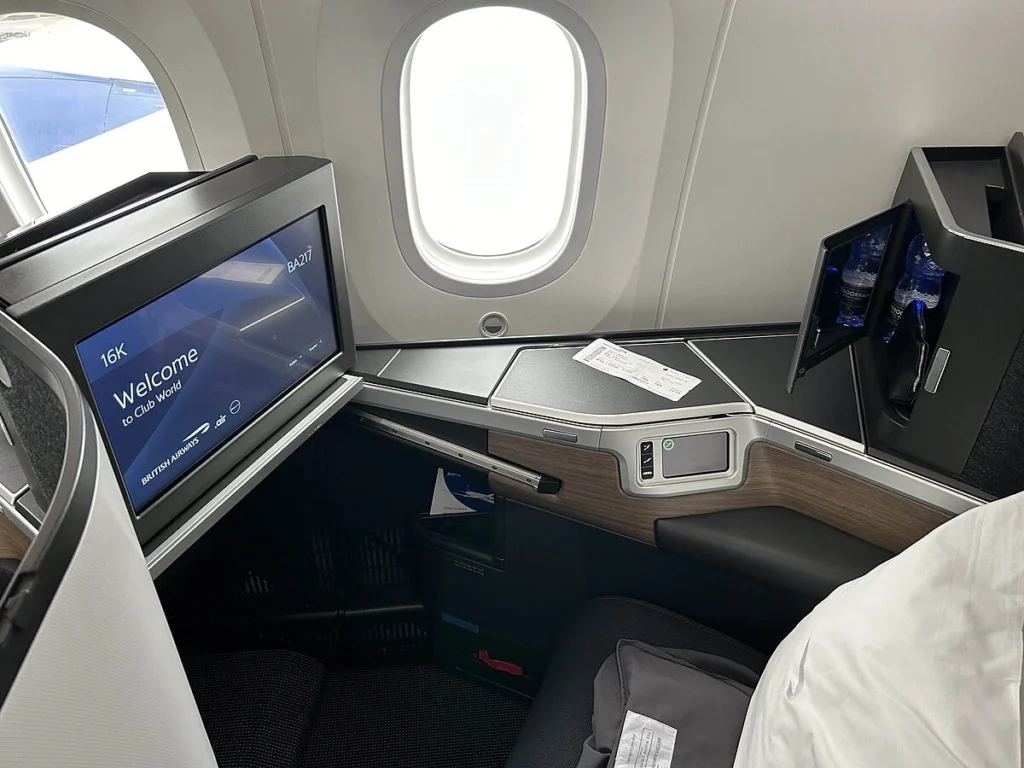
Cabin Design Focused on Space and Visibility
The 787-9 features the largest windows installed on any commercial aircraft. These windows are mounted higher on the fuselage, allowing passengers seated away from the window to still see the horizon. This improves spatial awareness and reduces the closed-in feeling common on long flights.
Overhead storage bins are larger and shaped to hold different sizes of carry-on luggage. Each passenger can stow additional bags directly above their seat, reducing congestion during boarding and deplaning.
Advanced Window and Lighting Systems
Instead of traditional window shades, the Dreamliner uses electronically dimmable windows. Passengers can adjust light levels with a button while maintaining visibility outside the aircraft. This system reduces glare without fully blocking natural light.
Human Centric Lighting adapts cabin illumination to different phases of flight. Warm tones are used during rest periods, while cooler light supports alertness during boarding and meal service. This lighting approach helps align the cabin environment with natural sleep rhythms.
Improved Cabin Air Quality
The Boeing 787-9 offers higher cabin humidity compared to older aircraft. This reduces dry skin and eye irritation during long flights. An advanced air filtration system continuously removes odors and airborne particles, improving overall cabin comfort.
Boeing 787-9 Technical Specifications
The aircraft measures 62.80 meters in length with a wingspan of 60.10 meters. It cruises at approximately 920 kilometers per hour and can operate at altitudes up to 13,100 meters.
The maximum takeoff weight is 252,650 kilograms, with a range of up to 14,010 kilometers. The cabin width of 5.49 meters allows for comfortable seating layouts on long-haul routes.
Long-Term Fleet and Network Strategy
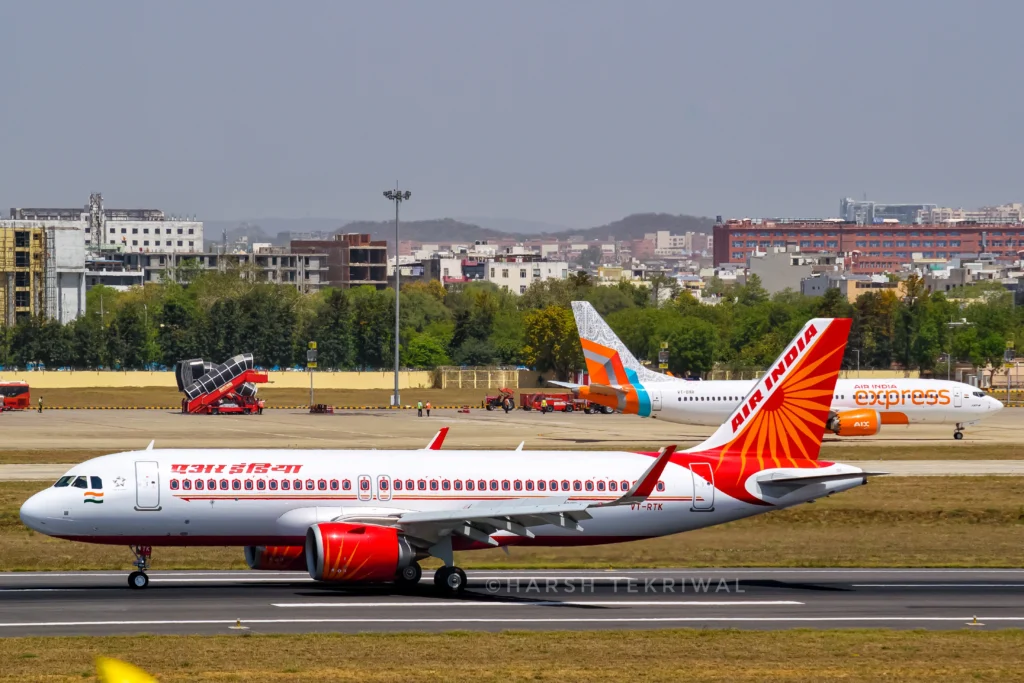
The Air India Group now operates over 300 aircraft across its brands. Air India itself accounts for 185 aircraft, with the remaining fleet operated by Air India Express.
According to the airline’s leadership, 26 additional wide-body and narrow-body aircraft are expected to be inducted by the end of 2026. By then, 81 percent of Air India’s international flights are planned to operate with upgraded aircraft.
Stay tuned with us. Further, follow us on social media for the latest updates.
Join us on Telegram Group for the Latest Aviation Updates. Subsequently, follow us on Google News
