

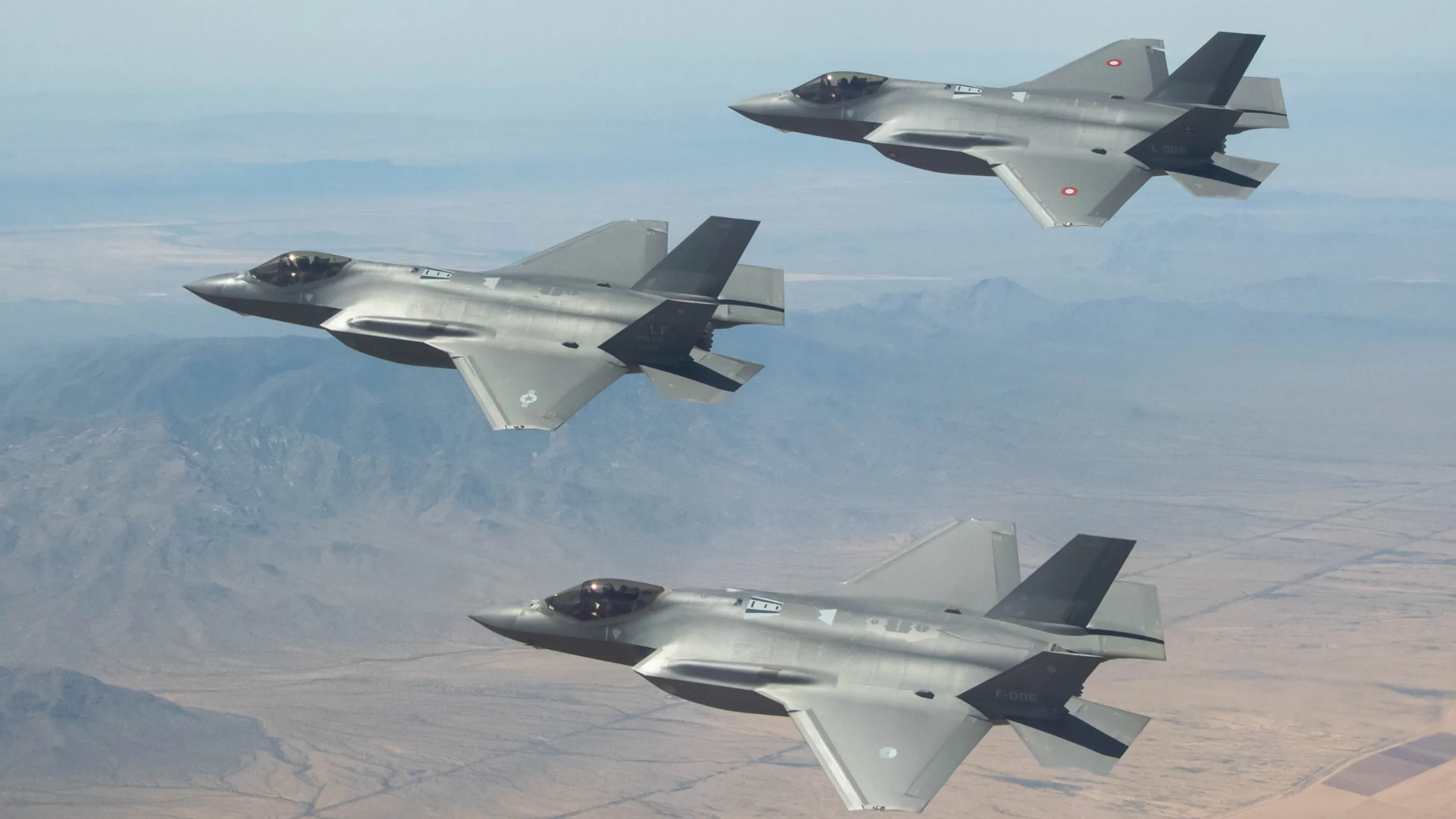
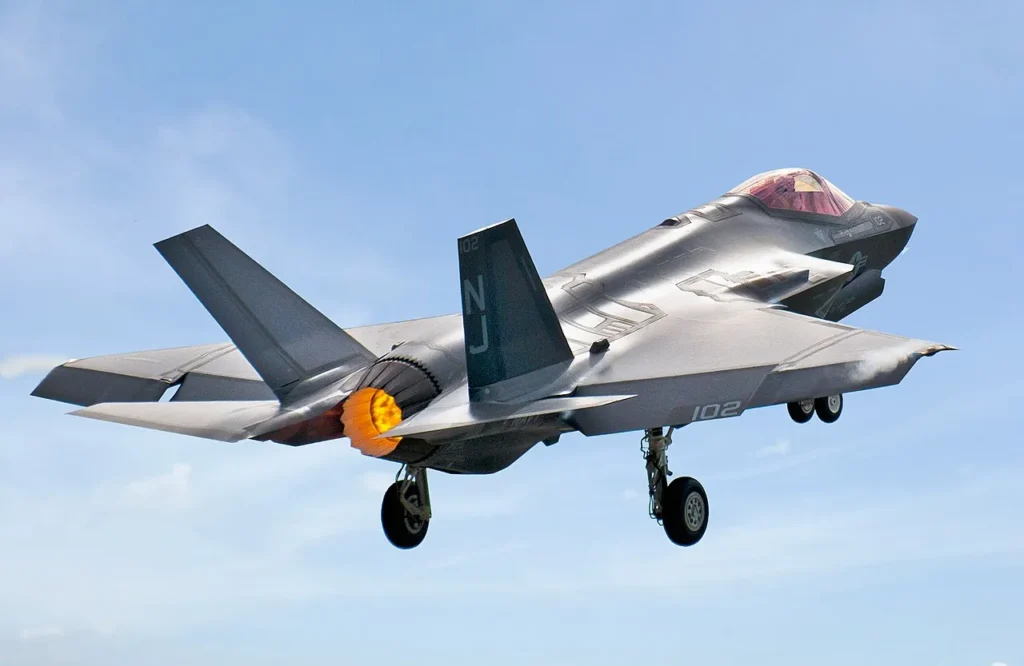
BETHESDA- US strategic leaders debate President Donald Trump’s decision to sell F-35 Lightning II jets to Saudi Arabia, fearing Chinese exploitation of stealth technology through Riyadh’s deepening ties with Beijing.
The $142 billion defense package, finalized on November 18, 2025, could make Riyadh the first Arab operator of the world’s most advanced stealth fighter while raising fresh concerns over repeated Chinese theft of F-35 blueprints.
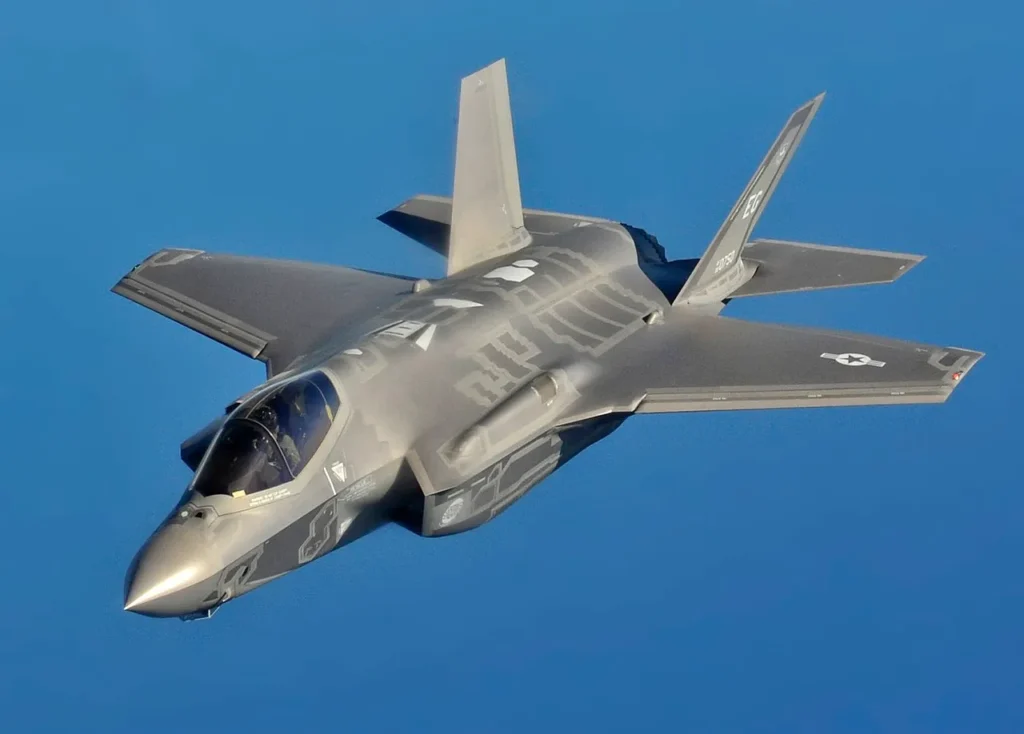
US Saudi Arabia F-35 Deal
President Donald Trump and Crown Prince Mohammed bin Salman signed agreements in Washington on November 18, 2025, that include future F-35 deliveries inside a record $142 billion arms package. Saudi Arabia seeks the jets to counter Iran and modernize its air force.
Reported by EurAsian Times, US officials previously blocked F-35 sales to the United Arab Emirates and Turkey over risks of Chinese access.
Saudi Arabia now triggers identical worries. Riyadh already operates Chinese Wing Loong II and CH-4 drones, owns DF-3 and DF-21 ballistic missiles with ranges exceeding 2,150 km, and receives Chinese help to produce solid rocket fuel. Beijing also offers the twin-engine J-35 stealth fighter to the kingdom.
In late 2021, the UAE cancelled a $23 billion F-35 contract because Washington’s strict safeguards against technology transfer to China were seen as unacceptable limits on Abu Dhabi’s sovereignty and its growing defense relationship with Beijing.
Israel’s Unique Edge and Trade-Off
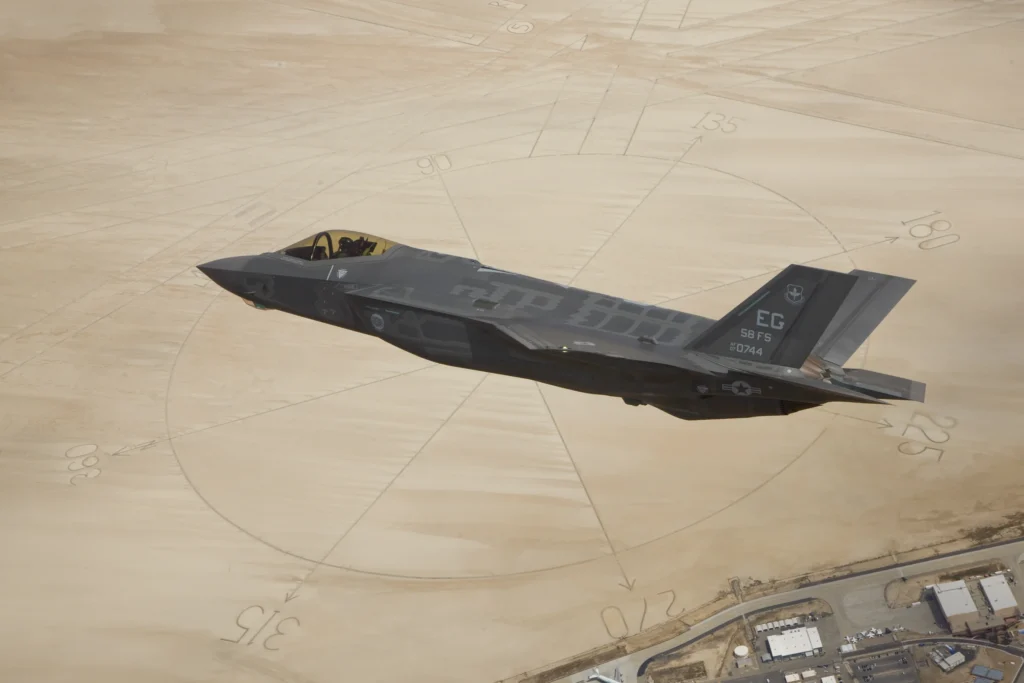
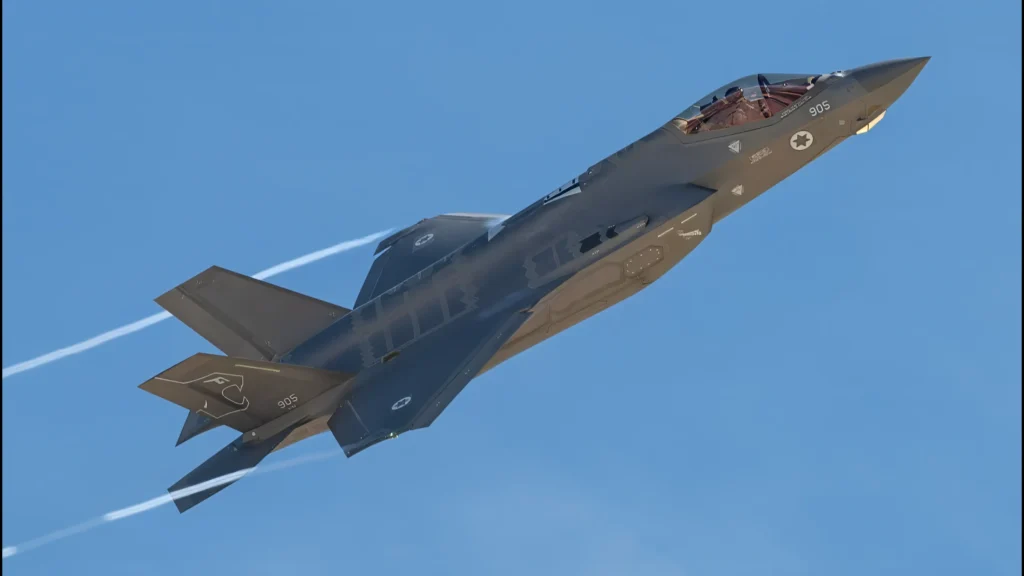
Israel operates 45 of 75 ordered F-35s from bases near Tel Aviv (TLV), with extensive Israeli-made modifications to electronic warfare systems and munitions.
Israel alone enjoys US permission to integrate domestic weapons and to fly missions for extended periods without connecting to Lockheed Martin’s cloud-based support network.
Saudi F-35s would lack source code access, independent mission software, and freedom to add local weapons without US approval. The jets would remain tied to American-controlled sustainment systems, ensuring strategic dependence.
Israel’s Air Force opposes the sale, but the government accepts it in principle if linked to Saudi-Israeli normalization under the Abraham Accords.
4 Arab states (UAE, Bahrain, Morocco, Sudan) and Kazakhstan, the first non-Arab member in November 2025, have already joined. Saudi Arabia could become the sixth signatory, trading recognition of Israel for F-35s and formal US security guarantees.
China’s Proven Track Record of F-35 Theft
Chinese espionage has already compromised F-35 technology. Between 2008 and 2014, aerospace businessman Su Bin, operating from Canada through a company specializing in aircraft cable harnesses, directed PLA hackers who stole tens of thousands of F-22 and F-35 documents from Lockheed Martin and over 630,000 Boeing files totaling 65 gigabytes.
Experts believe stolen data directly influenced China’s Chengdu J-20 and Shenyang FC-31/J-35 programs.
Gordon Chang stated last week: “We should assume China has everything already. They already stole the whole plane once. They probably did it again.”
A 2024 Five Eyes intelligence bulletin revealed that the PLA recruits current and former Western fighter pilots through private companies to learn NATO tactics and accelerate its own capabilities.
Balancing Risks
Hudson Institute analyst Can Kasapoğlu argues that delivering F-35s to Saudi Arabia would block Chinese and Russian inroads: “A fifth-generation fleet in the kingdom could enhance deterrence against Iran, strengthen the US-led regional coalition, and anchor the US, rather than China, as Saudi Arabia’s main defense industrial partner.”
Saudi Arabia demonstrated its value in April 2025 by sharing advanced intelligence on Iran’s attack against Israel, providing real-time missile tracking data, and opening its airspace to allied interceptors.
Kasapoğlu concludes: “For the United States, the choice is clear. Anchoring Riyadh in the US-led security architecture by delivering a carefully designed F-35 deal that preserves Israel’s QME advances US military and economic interests and regional stability. On the other hand, if the White House balks at the deal, it risks ceding strategic ground to Beijing in the Gulf’s most strategically vital market.”
Stay tuned with us. Further, follow us on social media for the latest updates.
Join us on Telegram Group for the Latest Aviation Updates. Subsequently, follow us on Google News
