

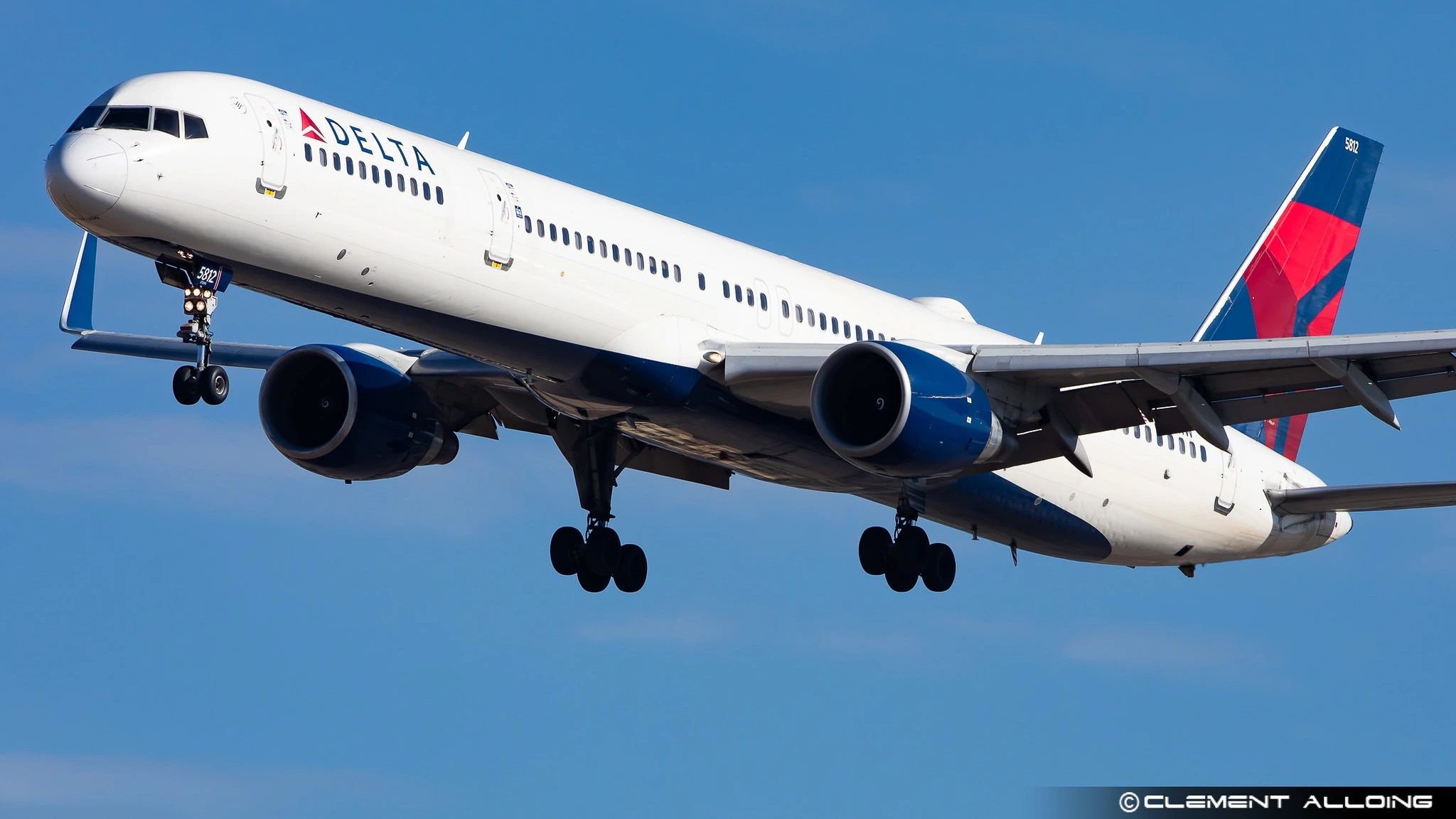
ATLANTA- Delta Air Lines (DL) is facing a growing reliability crisis on its high-stakes New York John F. Kennedy International Airport (JFK) to Los Angeles International Airport (LAX) route, one of the most lucrative air corridors in the United States.
Internal communications reveal that cascading delays are damaging customer satisfaction scores and threatening the airline’s dominance in this premium transcon market.
Executives acknowledge the problem with cascading cancellations is expected to persist through summer, while pilots on the JFK-LAX route are being directly asked to improve passenger communication during disruptions to recover falling Net Promoter Scores (NPS), View from the Wing reported.
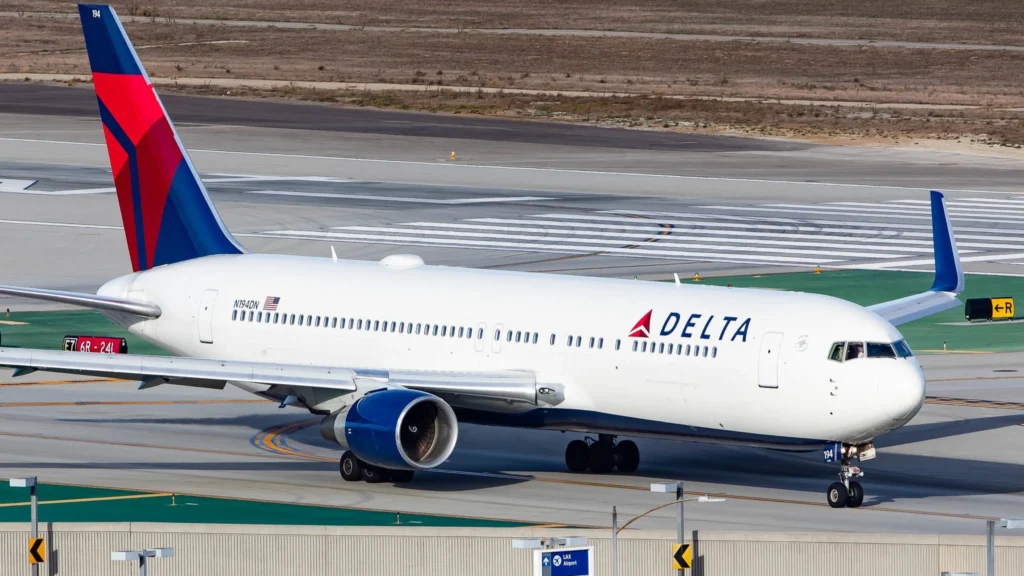
Delta’s Premium Transcon Route Under Pressure
Delta’s internal note to pilots highlights that the JFK-LAX corridor carries an unusually high concentration of business travelers, high-profile customers, and social media influencers, making every service failure highly visible.
Customer experiences on these flights are frequently shared in real time, amplifying reputational damage far beyond what comparable domestic routes would generate.
The airline’s own data confirms the damage. Customer experience scores on JFK-LAX run 9.2 NPS points below Delta’s mainline domestic average, while the return LAX-JFK direction sits 12.7 points below. These are significant gaps for a carrier whose brand has historically been built on reliability and premium service perception.
Pilots are being instructed to focus on Delta’s core service behaviors, specifically greeting, recognizing, and informing passengers during delays. The airline’s internal analysis indicates NPS scores improve measurably when pilots provide timely, positive updates during disruptions, making crew communication a short-term substitute for operational consistency.
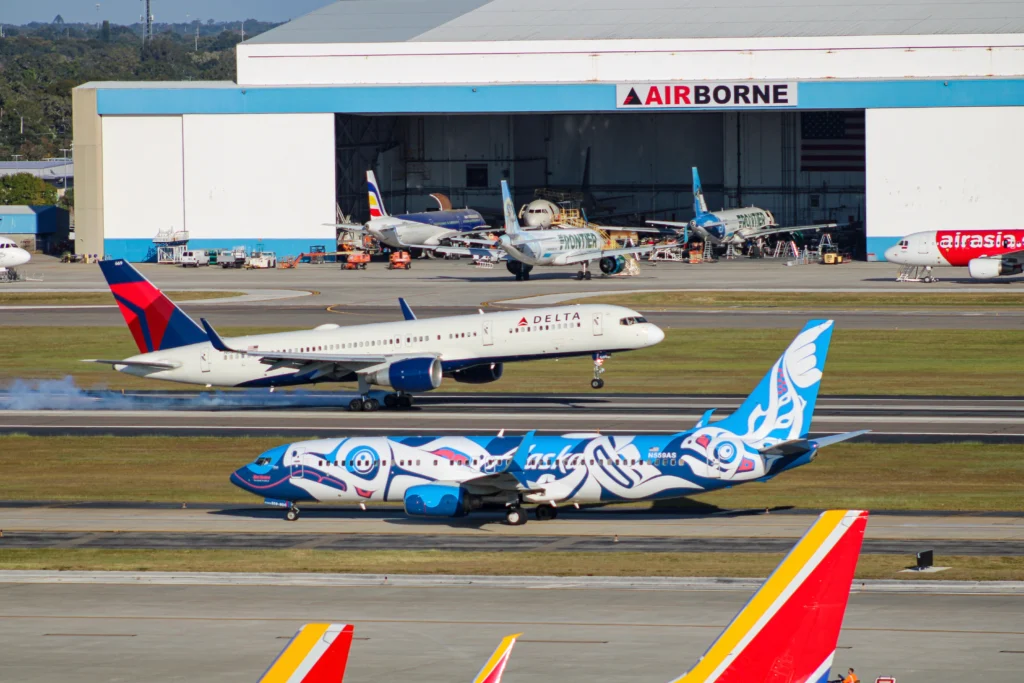
Revenue Stakes on the New York–Los Angeles Market
The JFK-LAX market is the most heavily flown domestic route by seats in the U.S., with 3.43 million seats operated in 2025, a 9% increase over 2024 but still 20% below 2019 levels.
Delta (DL) currently ranks second in annual revenue on this corridor, generating approximately $449 million annually based on Bureau of Transportation Statistics (BTS) DB1B ticket sample data covering Q2 2024 through Q1 2025.
United Airlines (UA) leads the broader New York-to-California premium market, topping the revenue table at $493 million on the Newark Liberty International Airport (EWR) to San Francisco International Airport (SFO) pairing. United also earns $384 million on EWR-LAX, giving it a commanding combined presence across both the Bay Area and Los Angeles markets.
JetBlue Airways (B6) ranks fourth on JFK-LAX at $280 million, while American Airlines (AA) trails at $220 million on the same route. Delta’s second JFK pairing, serving San Francisco (SFO), contributes an additional $252 million, reinforcing just how central these California corridors are to Delta’s overall network revenue.
Delta’s strength on JFK-LAX is not driven by flight frequency alone. The airline benefits from operating larger aircraft, holding a stronger corporate account share, and selling a higher proportion of premium cabin tickets.
Its position in the New York market was partly built on acquiring US Airways’ LaGuardia operation (LGA), a strategic move that gave Delta a structural advantage that competitors have struggled to replicate.
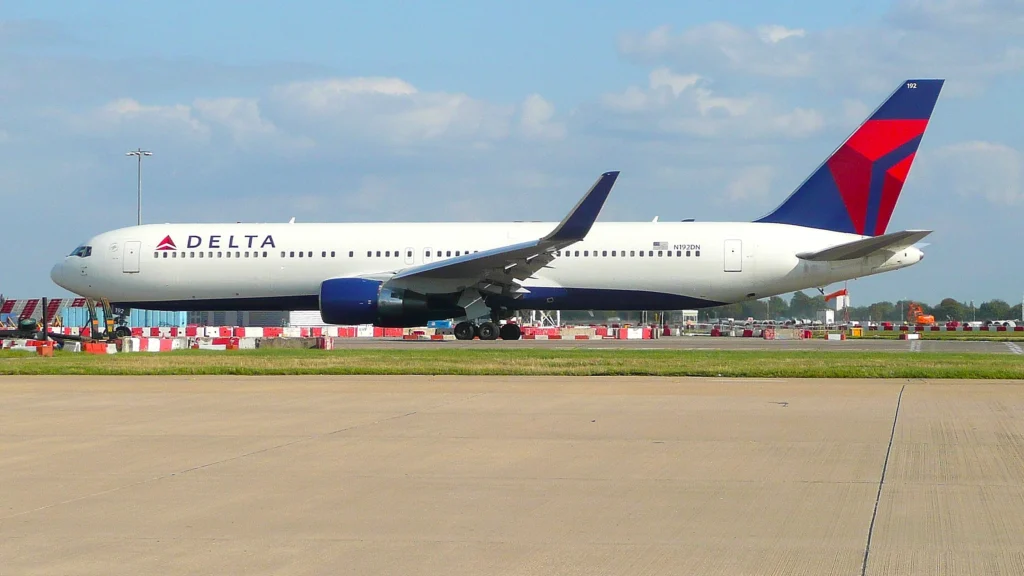
Competitive Product Gaps and the United Threat
Despite its revenue lead on JFK-LAX specifically, Delta operates an acknowledged uncompetitive inflight product on transcon routes. United Airlines (UA) currently offers less functional Wi-Fi, though that gap is narrowing as its Starlink rollout progresses.
Delta’s John F. Kennedy International Airport (JFK) Delta One lounge is well-regarded for morning and early afternoon visits, but becomes severely overcrowded during late afternoon and evening departures.
United holds dominant corporate relationships in the San Francisco Bay Area and maintains a strong operational presence at both Newark (EWR) and Los Angeles (LAX). This dual-gateway strength makes United a formidable competitor for any premium traveler or corporate account that moves between New York and California regularly.
Credit Card Revenue and the Broader Business Risk
The consequences of Delta’s reliability failures extend well beyond individual flight satisfaction scores.
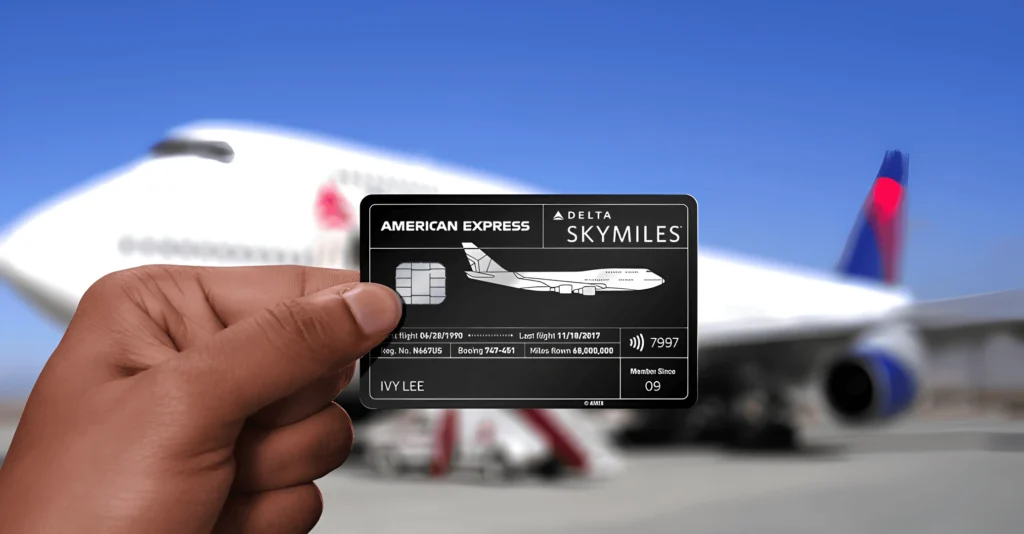
New York and Los Angeles are among the top credit card spending markets in the entire United States, and Delta’s co-brand partnership with American Express generates approximately $8 billion in annual revenue.
Corporate and premium travelers who defect to a competing airline on this route do not just take their ticket purchases with them. They migrate their credit card spending as well, directly eroding the co-brand revenue stream that has become one of Delta’s most important financial pillars.
A sustained reliability failure on the JFK-LAX corridor, therefore, carries financial risk far disproportionate to the route itself.
Stay tuned with us. Further, follow us on social media for the latest updates.
Join us on Telegram Group for the Latest Aviation Updates. Subsequently, follow us on Google News
