

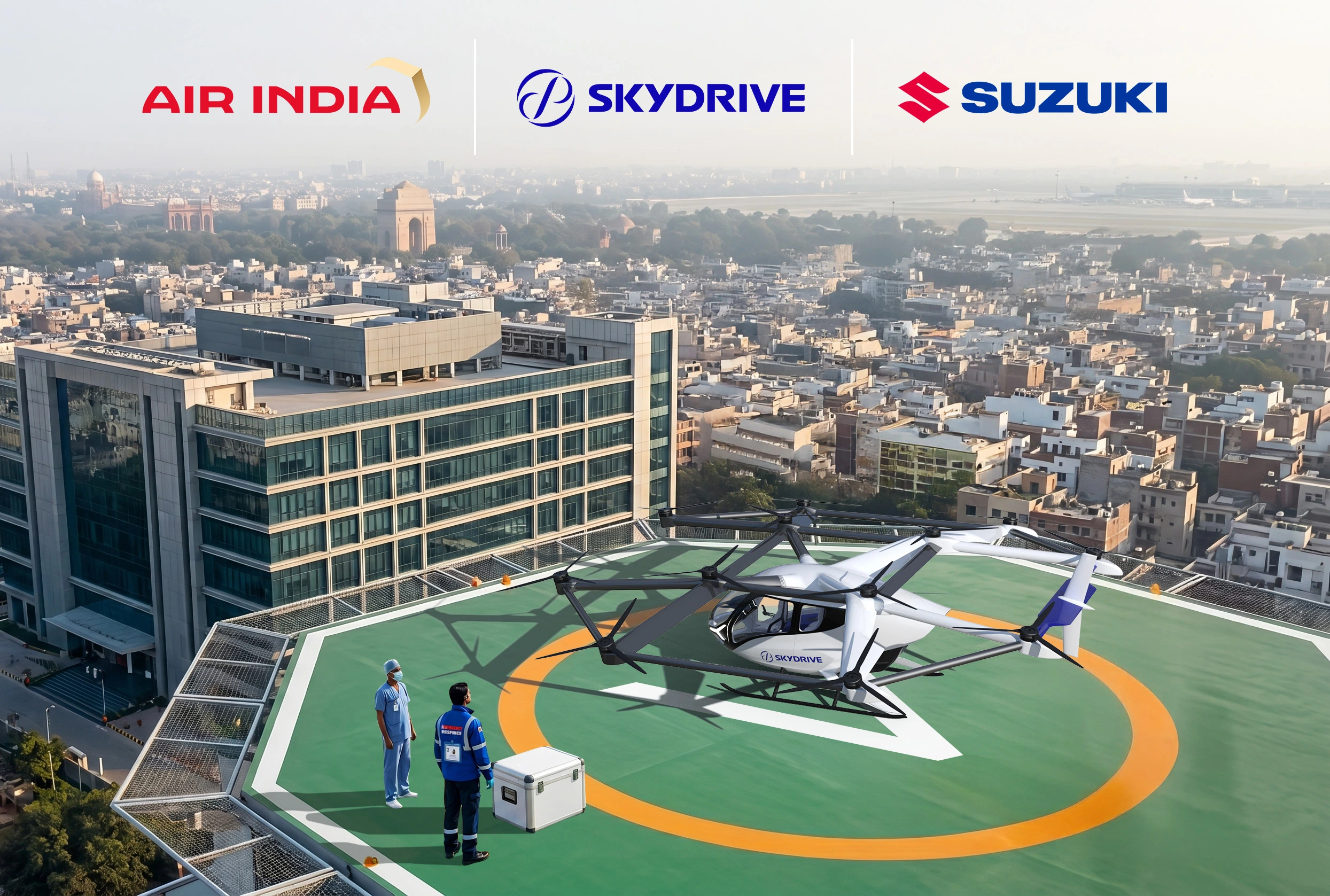
NEW DELHI— Air India (AI) has partnered with Japan-based SkyDrive Inc. and Suzuki Motor Corporation to examine the feasibility of using electric vertical takeoff and landing (eVTOL) aircraft for medical air logistics across India.
The joint study aims to explore whether advanced air mobility can help overcome chronic traffic congestion in major Indian cities, where delays often affect the timely delivery of critical medical supplies.
The collaboration marks Air India’s first major initiative to evaluate flying car technology for healthcare logistics.
While the study does not involve commercial operations at this stage, it will assess how eVTOL aircraft could support emergency medical transportation by leveraging Air India’s operational expertise, airport infrastructure, and industry relationships.
The project is expected to focus on developing a safe, reliable, and scalable framework for future eVTOL operations in India.
Medical Logistics Plans for India
India’s expanding healthcare network continues to face logistical challenges, particularly in densely populated urban areas where road congestion can significantly delay time-sensitive deliveries.
Through this feasibility study, the three companies will analyze whether eVTOL aircraft can improve last-mile transportation for high-value and urgent medical cargo.
The initiative combines SkyDrive’s aircraft technology, Air India’s cargo operations, and Suzuki’s understanding of the Indian mobility market.
Together, the partners aim to determine how electric aircraft could become part of India’s broader transportation ecosystem while strengthening healthcare infrastructure.
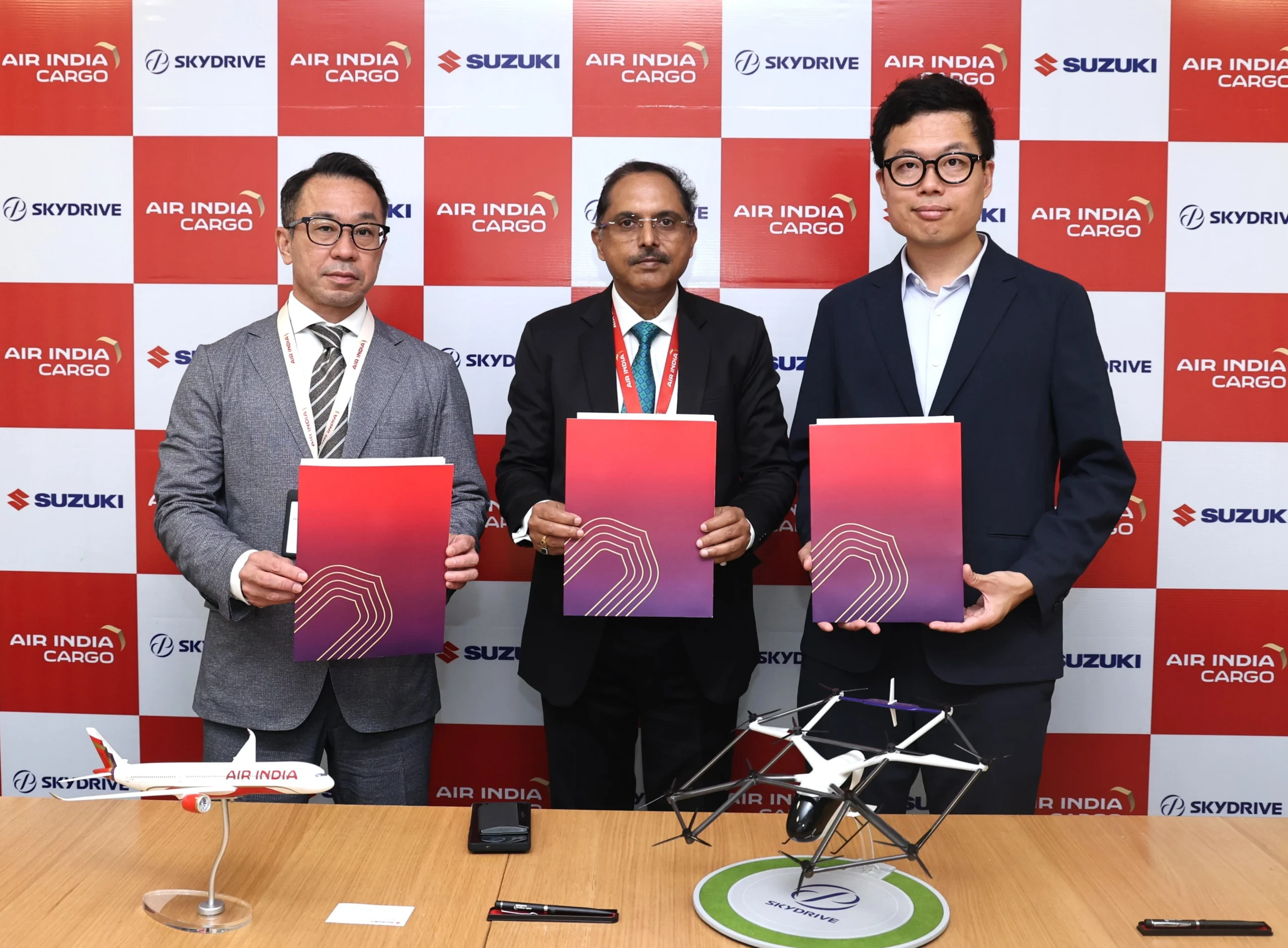
Air India Head of Cargo Ramesh Mamidala said India has become one of the world’s fastest-growing aviation markets, creating opportunities for advanced air mobility.
He noted that the company views eVTOL aircraft as a logical extension of future transport solutions capable of addressing practical challenges beyond conventional aviation.
According to Mamidala, Air India will contribute operational expertise, airport infrastructure knowledge, and stakeholder coordination to help evaluate how eVTOL services can be integrated safely into India’s aviation environment.
The airline believes reducing transport times for critical medical supplies could make a meaningful difference during emergencies.
SkyDrive eVTOL Vision for Medical Logistics
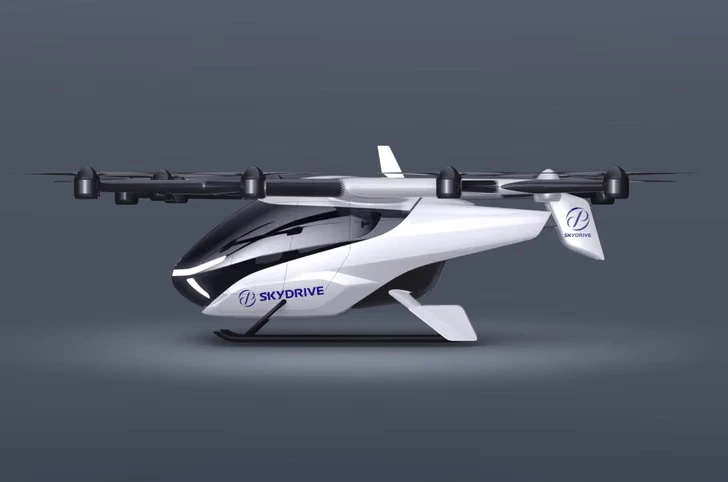
SkyDrive has spent several years developing compact electric aircraft designed for urban air mobility. The company sees medical logistics as one of the most practical early applications for eVTOL technology before broader passenger operations become commercially viable.
Founder and Chief Executive Officer Tomohiro Fukuzawa said the partnership represents an important milestone in advancing aerial mobility solutions that directly benefit society.
He stated that India’s severe traffic congestion presents a strong opportunity for eVTOL aircraft to transform the movement of life-saving medical supplies.
Fukuzawa added that the company remains committed to supporting healthcare logistics where every second matters.
By enabling faster transportation of high-value medical cargo, SkyDrive believes the technology can contribute to saving lives while modernizing India’s medical infrastructure.
Suzuki Supports eVTOL Project
Suzuki Motor Corporation will contribute its market knowledge and mobility expertise as part of the collaboration.
The company already maintains business and technology ties with SkyDrive and considers lightweight eVTOL aircraft an extension of its long-standing engineering philosophy focused on efficiency and simplicity.
Masao Fujitani, Executive General Manager for Next Generation Business Development at Suzuki, said the aircraft aligns with the company’s “Sho-Sho-Kei-Tan-Bi” philosophy, emphasizing smaller, lighter, and more efficient mobility solutions, Times of India reported.
He added that such aircraft could become valuable tools for supporting medical infrastructure in urban environments.
The feasibility study reflects growing global interest in advanced air mobility, with governments, airlines, and manufacturers exploring practical uses beyond passenger transport.
If the study delivers positive results, it could provide the foundation for future medical eVTOL operations in India and potentially accelerate broader adoption of electric aviation technologies.
Stay tuned with us. Further, follow us on social media for the latest updates.
Join us on Telegram Group for the Latest Aviation Updates. Subsequently, follow us on Google News
