

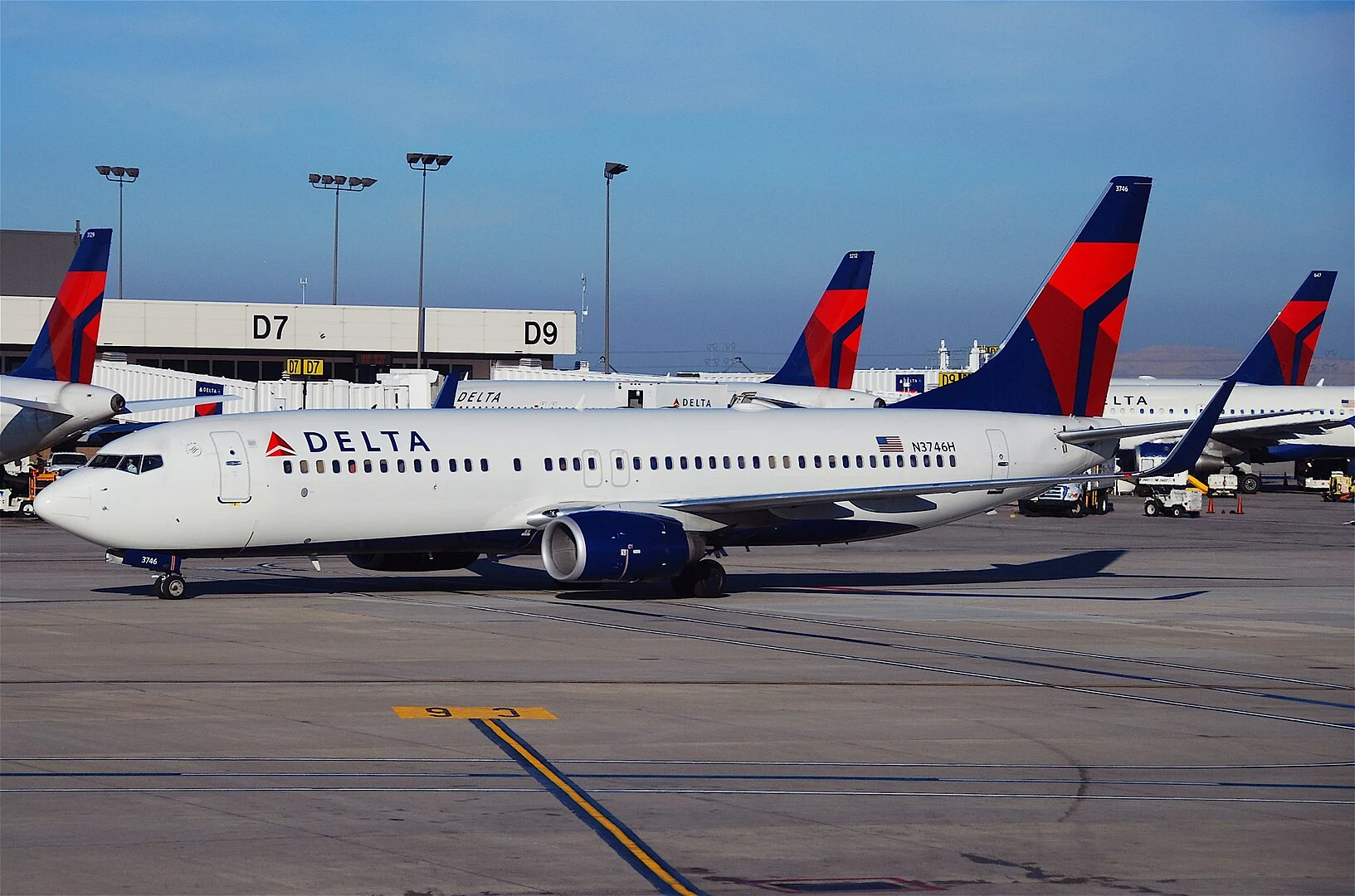
ATLANTA- Delta Air Lines (DL) flights narrowly avoided a mid-air conflict near Atlanta Hartsfield-Jackson International Airport (ATL) after air traffic control cleared one aircraft for departure while another was executing a go-around.
The incident involved Delta Air Lines (DL) Flight DL1568 arriving from Pittsburgh International Airport (PIT) and Delta Air Lines (DL) Flight DL2472 departing for Frederick Douglass Greater Rochester International Airport (ROC). The Federal Aviation Administration (FAA) has launched an investigation into the event.
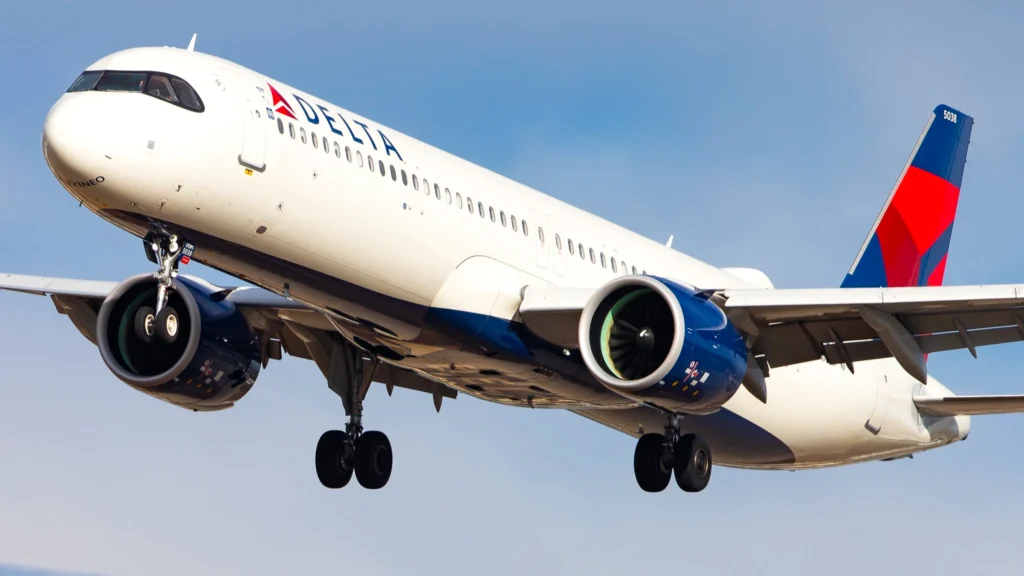
Delta Flights Receive TCAS Resolution Advisory Near Atlanta
A serious aviation incident unfolded late on July 27 at Hartsfield-Jackson Atlanta International Airport (ATL), one of the world’s busiest airports, when two Delta Air Lines aircraft came into close proximity during simultaneous arrival and departure operations.
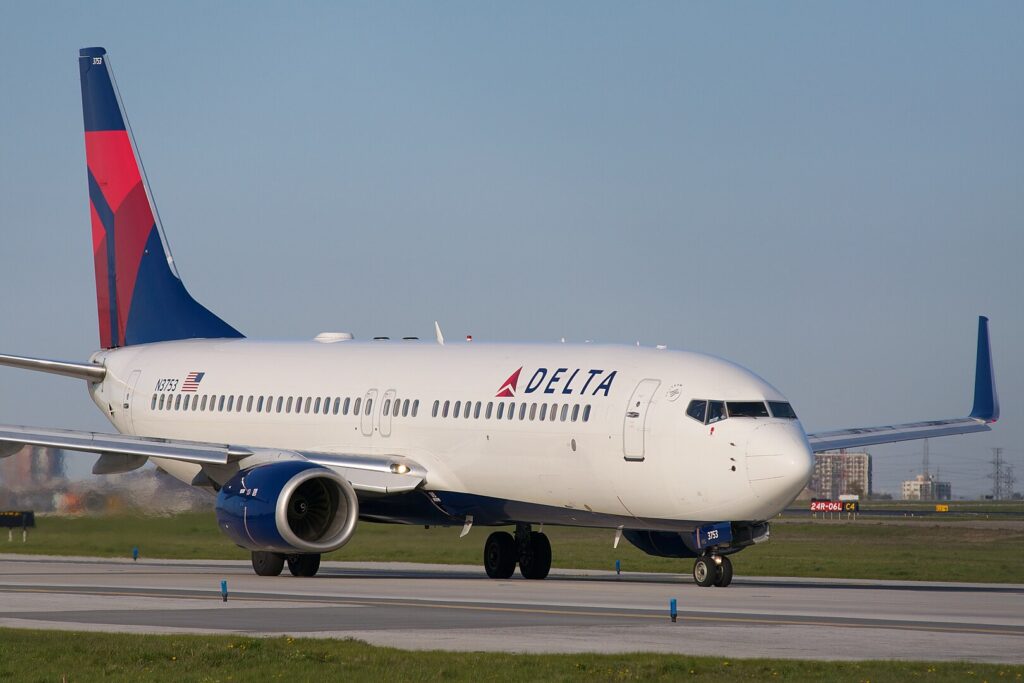
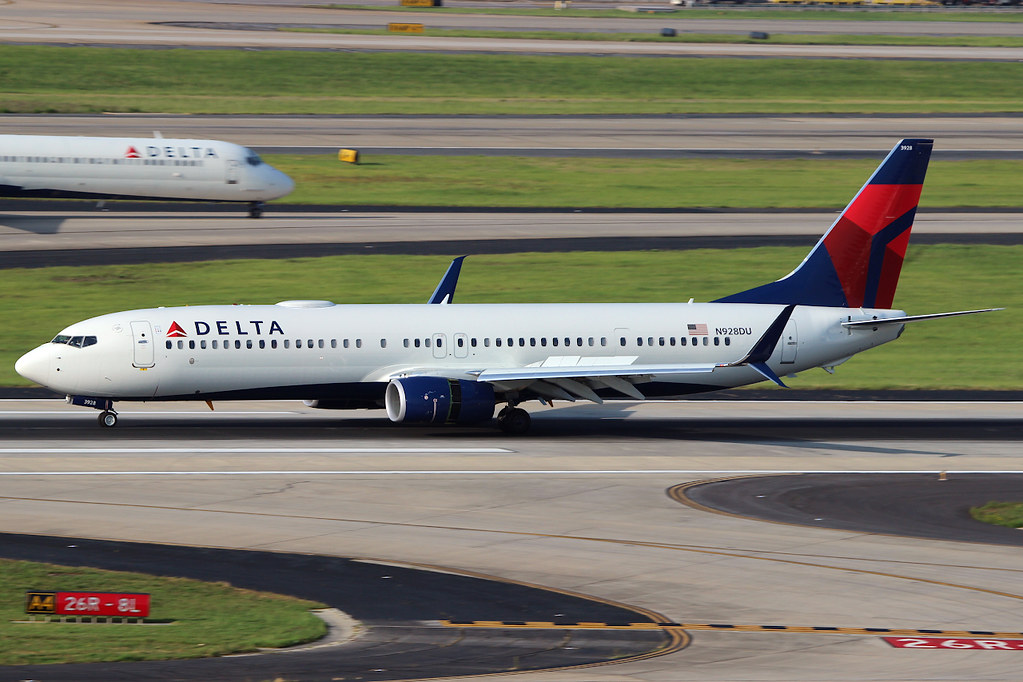
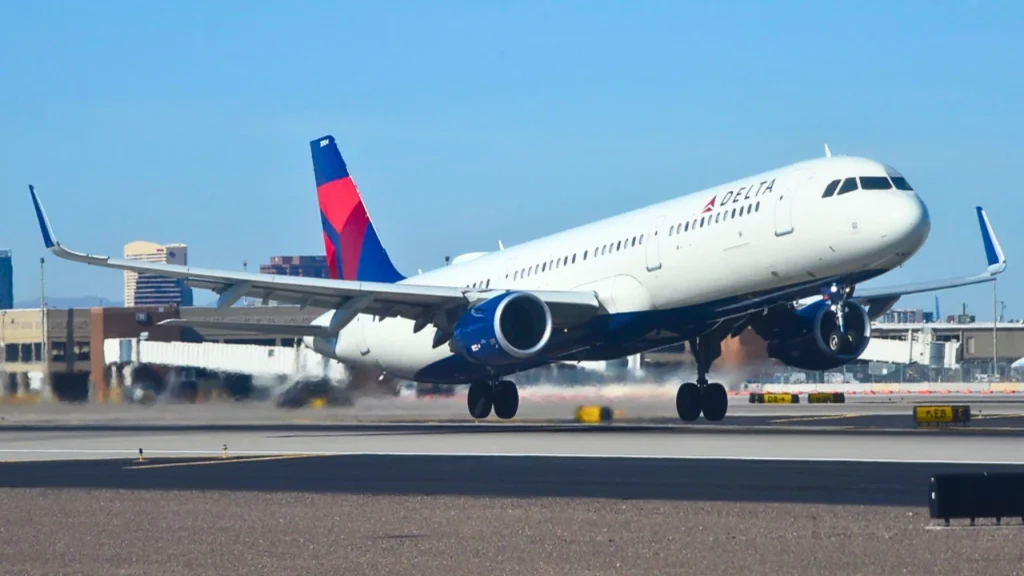
The aircraft involved were Delta Flight DL1568, operated by a Boeing 737-900, arriving from Pittsburgh International Airport (PIT), and Delta Flight DL2472, operated by an Airbus A321, departing for Rochester, New York.
The event occurred at approximately 11:00 p.m. local time after severe summer thunderstorms caused widespread delays and diversions across the Atlanta area.
Flight DL1568 had originally been scheduled to arrive around 8:00 p.m. but diverted to Chattanooga Metropolitan Airport (CHA) to wait for weather conditions to improve before continuing to Atlanta.
As flights resumed, controllers were managing a significant backlog of arrivals and departures. According to PYOK, traffic volume remained exceptionally high as the airport worked to restore its normal schedule.
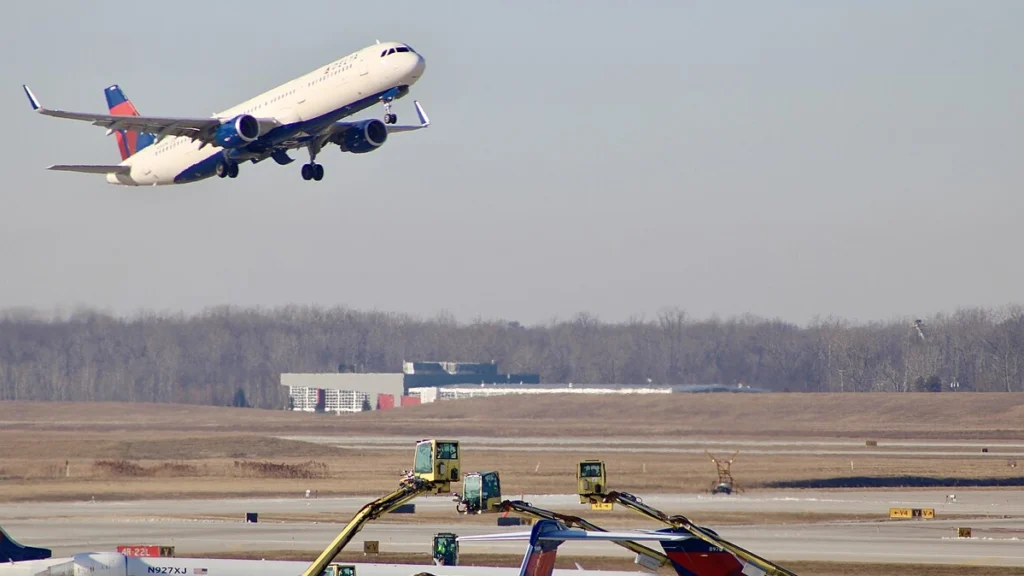
Go Around Triggered by Aircraft on Runway
At the time of the incident, Atlanta Airport was operating two parallel northbound runways.
Runway 26R was being used for arriving aircraft, while departures were taking place from Runway 26L.
Flight DL1568 was cleared to land on Runway 26R. During the final approach, however, the flight crew observed a Frontier Airlines aircraft that had landed ahead but had not yet fully vacated the runway.
The Delta pilots asked the control tower whether another aircraft remained on the runway. Although controllers advised that the Frontier aircraft was clearing onto a taxiway, the crew elected to perform a go-around rather than continue the landing.
A go around is a standard safety maneuver in which an aircraft abandons its landing approach and climbs away for another attempt. Pilots regularly perform this procedure whenever runway conditions or traffic situations create uncertainty.
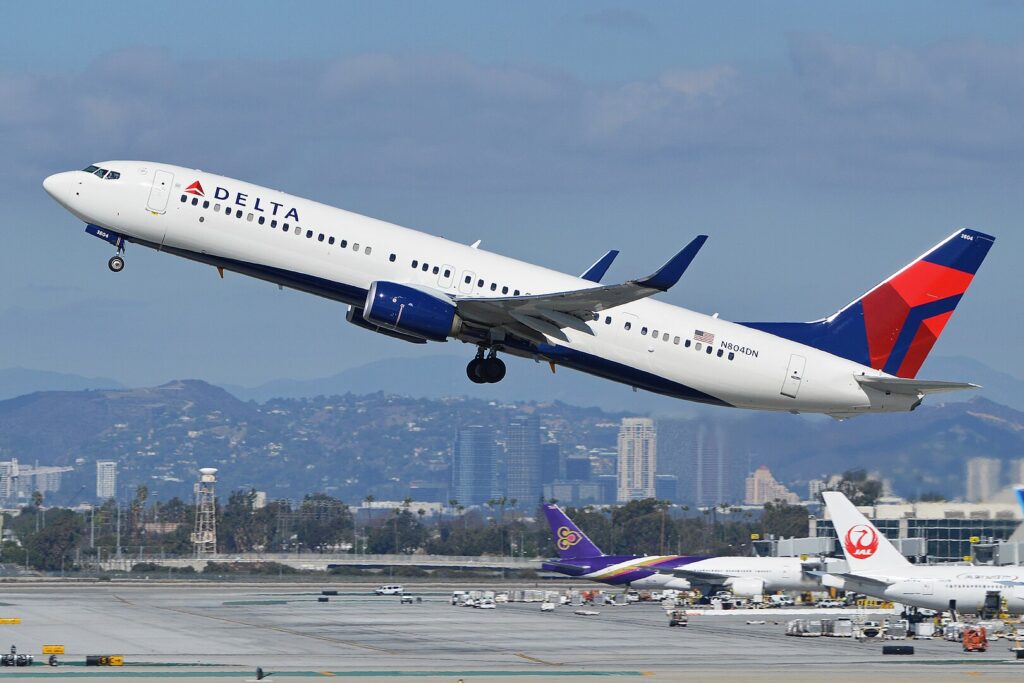
Departure Aircraft Turned Toward Go Around Flight
While Flight DL1568 climbed away from the runway, controllers cleared Delta Flight DL2472 for departure from the adjacent Runway 26L.
After takeoff, the departing Airbus A321 received instructions to turn right and climb to 4,000 feet.
At nearly the same time, the Boeing 737 executing the go around was also climbing toward 4,000 feet. The two aircraft briefly converged as their flight paths crossed.
During the event, the crew of Flight DL2472 informed air traffic control that they were “responding RA.”
The phrase indicates the pilots were following a Traffic Collision Avoidance System (TCAS) Resolution Advisory, an automated warning generated when two aircraft are projected to come too close together.
TCAS System Issued Highest Level Collision Warning
TCAS continuously monitors nearby aircraft using transponder signals and serves as an independent safety layer separate from air traffic control.
The system provides two alert levels.
A Traffic Advisory (TA) alerts pilots to nearby aircraft and increases situational awareness.
A Resolution Advisory (RA) is more serious. It provides immediate climb or descent commands that pilots are required to follow in order to increase separation between aircraft.
Flight tracking data from Flightradar24 indicated that the two Delta aircraft came within approximately 1,800 feet of each other before safely separating.
There were no reports of injuries or damage to either aircraft.
Delta Says Safety Procedures Worked as Designed
Delta Air Lines stated that safety was never compromised during the incident.
The airline said the flight crews followed established operating procedures throughout the event and handled the situation exactly as they are trained to do.
Delta also emphasized that its pilots receive extensive training for uncommon operational scenarios, including go around procedures and TCAS Resolution Advisories.
The Federal Aviation Administration has confirmed that it is investigating the incident to determine why the aircraft were placed on converging flight paths during a period of heavy traffic.
FAA investigations typically review air traffic control communications, radar data, flight recordings, and operational procedures before issuing final findings or recommendations.
FAA Investigation Underway
Although the aircraft came closer than expected, multiple layers of aviation safety prevented the situation from escalating.
The decision by the arriving crew to execute a go-around, combined with the onboard TCAS warning and the pilots’ immediate response to the Resolution Advisory, ensured safe separation was maintained.
The FAA’s investigation will determine whether any procedural or operational changes are needed following the incident at Atlanta Hartsfield-Jackson International Airport.
Stay tuned with us. Further, follow us on social media for the latest updates.
Join us on Telegram Group for the Latest Aviation Updates. Subsequently, follow us on Google News
