


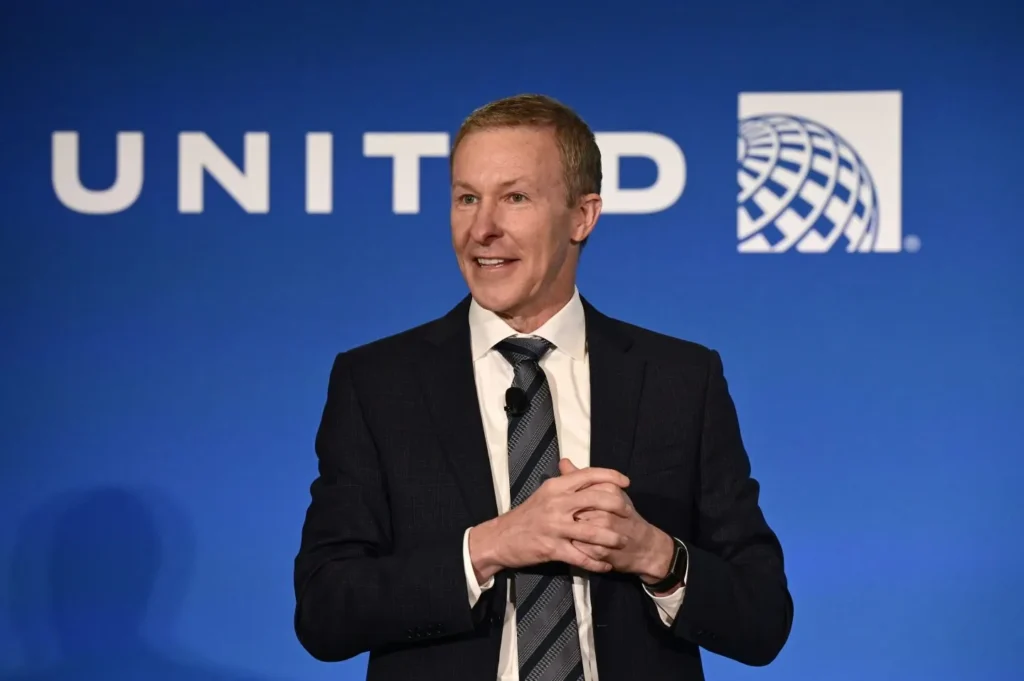
CHICAGO- United Airlines (UA) CEO Scott Kirby contacted Delta Air Lines (DL) CEO Ed Bastian in 2025 to propose a merger between the two carriers, according to a Wall Street Journal report. Delta reviewed the approach and then ended the discussion.
The call came before Kirby raised a similar idea with American Airlines (AA) CEO Robert Isom, which American also rejected. Kirby continues to argue publicly for a single large US carrier and has ruled out a smaller target such as JetBlue (B6).
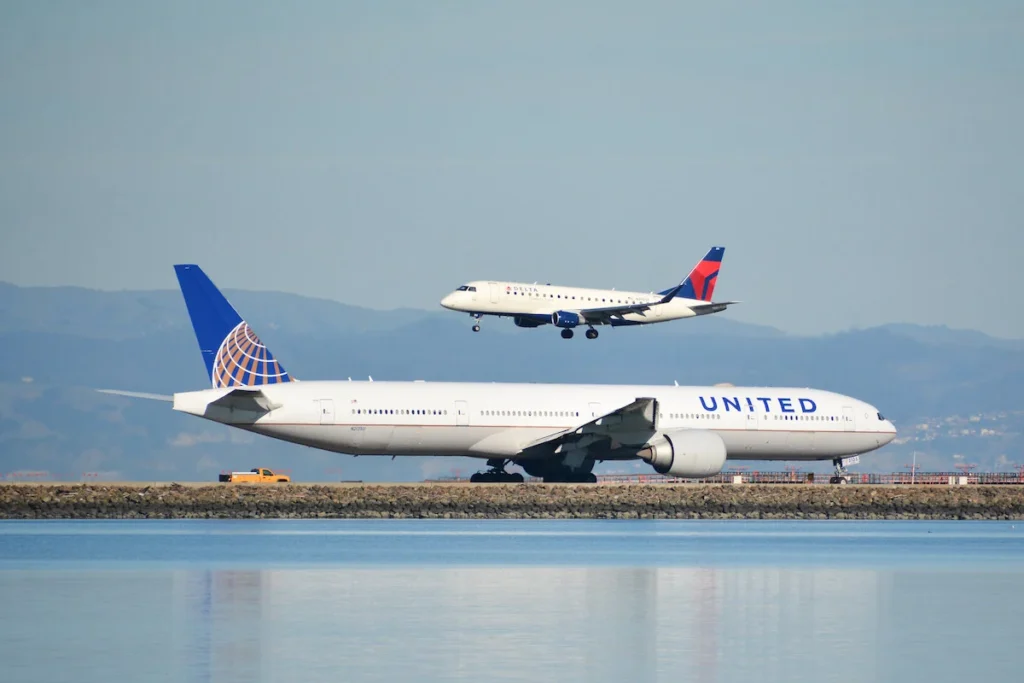
Delta Ended Discussion After Preliminary Due Diligence
The Wall Street Journal reported that Kirby placed a phone call to Bastian in 2025 to raise the concept of a United and Delta combination.
Delta leaders discussed the approach and the merits of a potential deal as part of preliminary due diligence. The talks did not progress, and both companies moved on from the proposal.
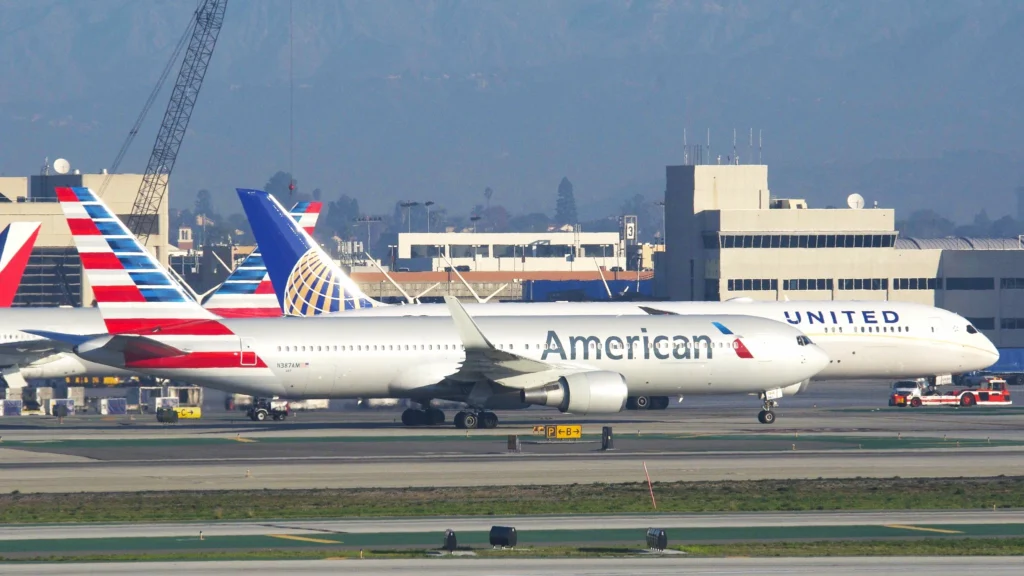
Months later, Kirby made a similar approach to American. American rejected the concept, arguing there was no way a deal of that size would win regulatory approval. Kirby nonetheless continued to make his case publicly, saying such a combination would be good for consumers.
Kirby’s stated ambition is to build a single US mega carrier.
His central argument rests on what he describes as a trade deficit in air service. The United States receives more international service from foreign carriers than it operates through domestic airlines, and Kirby’s position is that the way to address that imbalance is to build an even more powerful US airline.
Kirby has framed the debate around value rather than price. His argument is that passengers do not want cheap tickets so much as a good experience, and that value is what counts.
He has separately made clear that he wants United to hold fares up and improve margins even when oil prices fall.
He has also linked the concept to the wider US economy, pointing to the number of union jobs a combined airline would support and to the effect on US aircraft manufacturing.
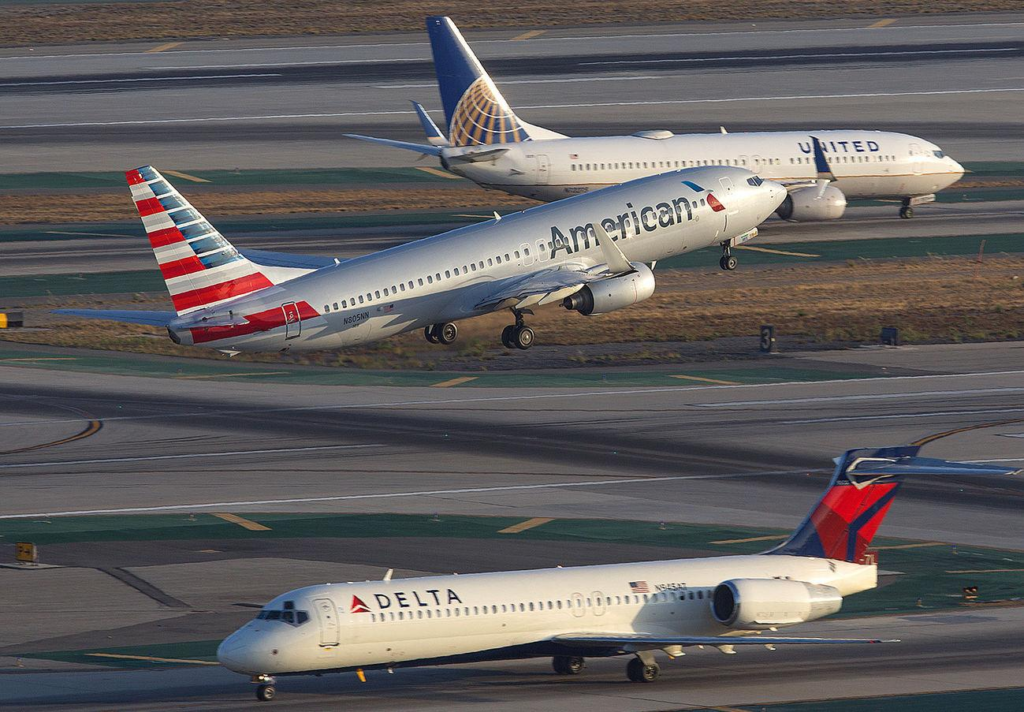
Bastian Has Ruled Out Big 3 Consolidation
Bastian has held a consistent public position against consolidation between the largest US airlines.
His view is that any further consolidation in the US market should centre on the smaller players rather than the 3 largest network carriers.
Financial Scale
Delta and United together accounted for 90% of US airline industry profits in 2025.
United currently carries a market capitalisation of USD 38 billion, while Delta stands at USD 56 billion. The combined figure illustrates why a merger of the two would create a carrier of unmatched size in the domestic market.
United has long been linked with a possible purchase of JetBlue. Kirby has more recently argued that a deal of that scale is not big enough to make sense.
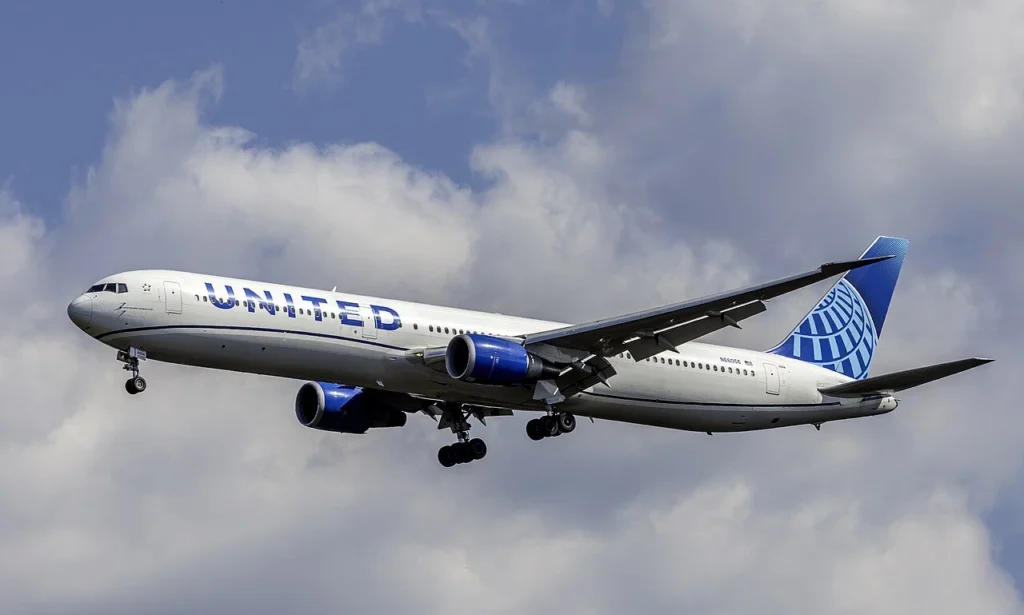
Competition Concerns Raised By Proposal
The obstacle to any United and Delta deal is regulatory approval. According to OMAAT, a merger of 2 of the big three carriers would be severely damaging for competition, since the combined airline would dominate the domestic market and hold substantial pricing power.
The same analysis points to the effect on long haul travel. Three transatlantic and transpacific joint ventures currently exist, one aligned with each of the major global alliances, and that structure is credited with keeping long haul airfares competitive. Removing one of those groupings would break the balance.
The economic argument has also been disputed. Union employment and US aircraft manufacturing activity are already in place without a merger, and United has ordered hundreds of Airbus aircraft alongside its US orders.
The broader criticism is that the proposal sets aside domestic competition concerns by shifting the discussion to international service.
Questions Over Timing Of Approach
The timing of Kirby’s approaches has drawn attention.
The assessment offered is that Kirby believes approval for a deal of this kind would only be possible while President Donald Trump is in office, and that his public efforts to flatter Trump may have been made in anticipation of such a request. That reading is presented as opinion, not as a statement from Kirby or United.
Bottom Line
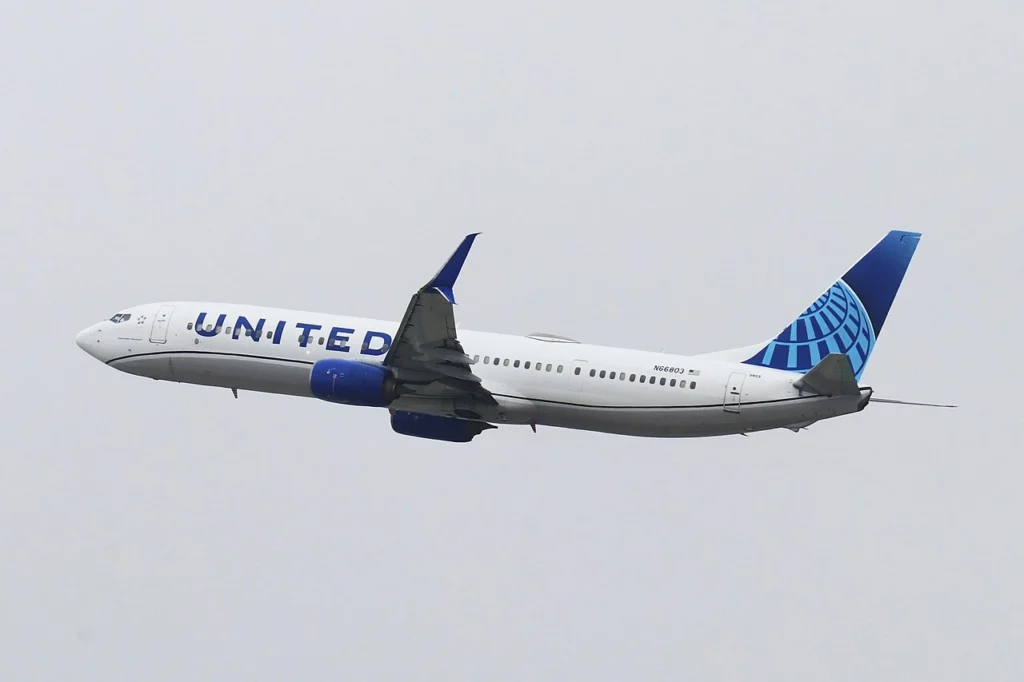
Neither approach produced a deal. Delta ended its review at an early stage, and American rejected the concept on regulatory grounds.
A US mega carrier of the kind Kirby describes would benefit investors rather than passengers, and the regulatory barriers remain substantial.
Kirby has continued to make the public case for consolidation, even though both potential partners have declined to take the idea forward.
Stay tuned with us. Further, follow us on social media for the latest updates.
Join us on Telegram Group for the Latest Aviation Updates. Subsequently, follow us on Google News
