

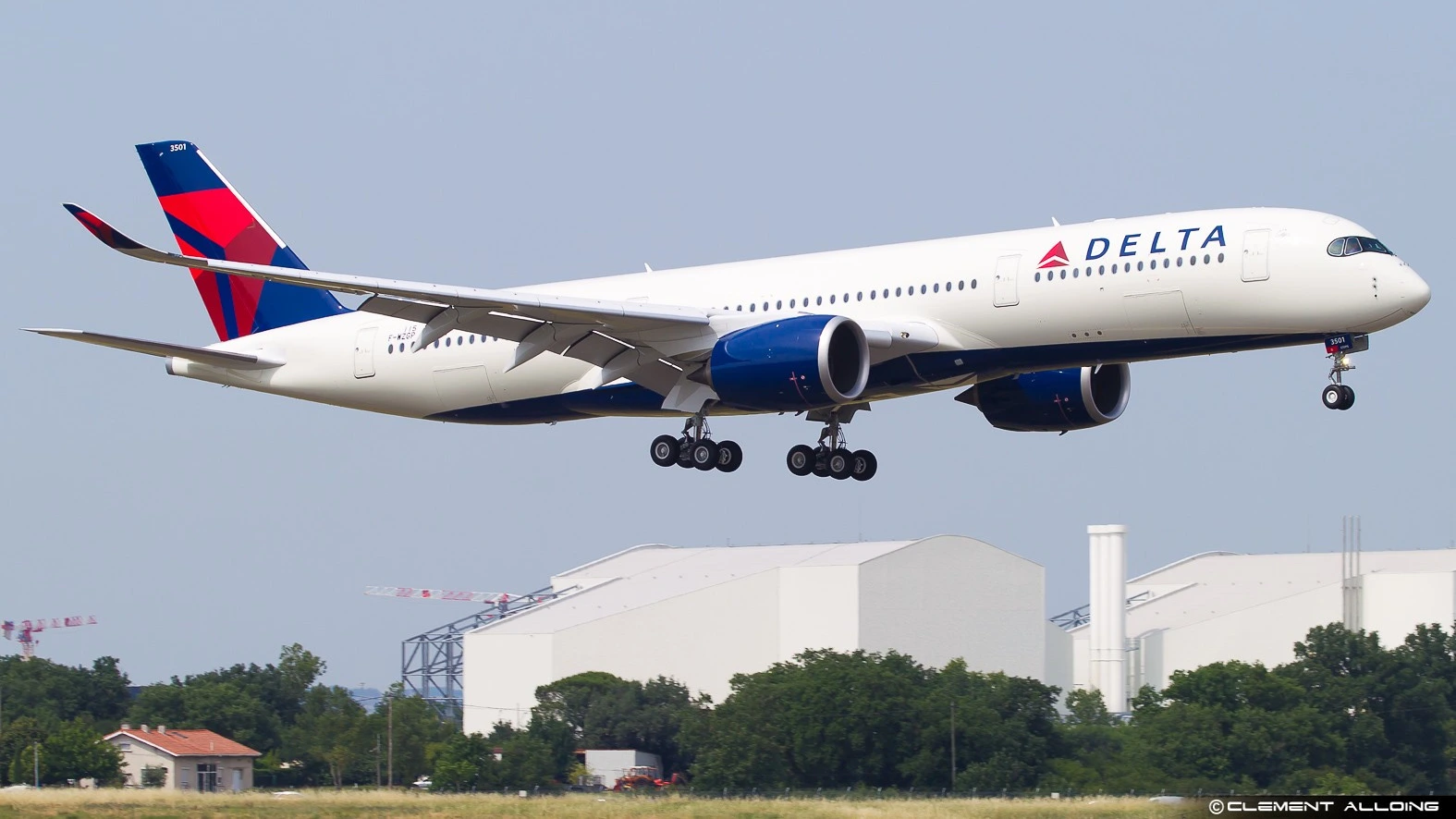
ATLANTA— Delta Air Lines (DL), headquartered in Atlanta (ATL), has chosen Amazon Leo over SpaceX Starlink for its next generation inflight Wi-Fi rollout. Reports now indicate that a branding dispute centred on the carrier’s Delta Sync portal triggered the breakdown of negotiations.
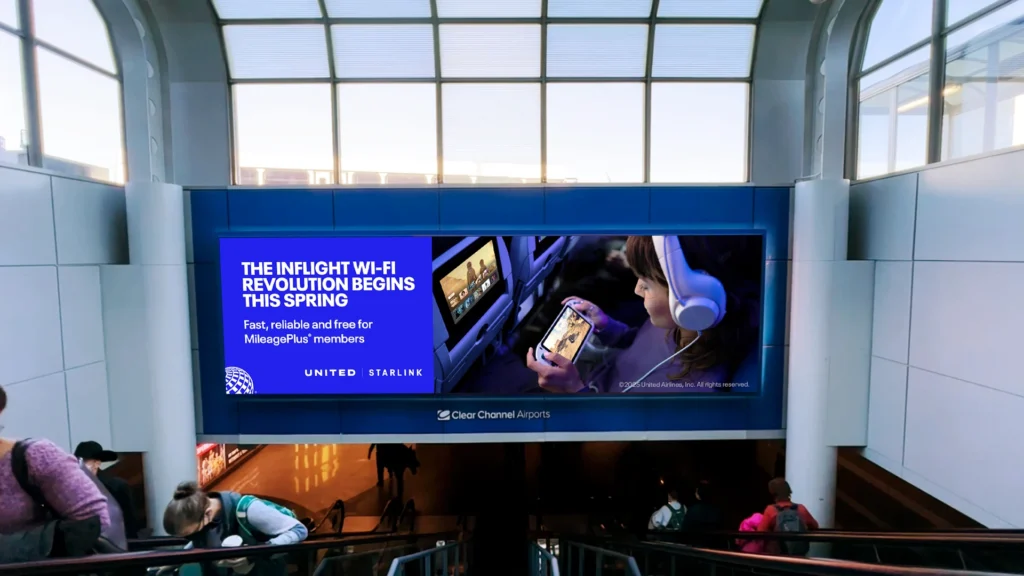
The Atlanta-based airline plans to begin Amazon Leo installations on roughly 500 aircraft starting in 2028. In contrast, United Airlines (UA), based in Chicago (ORD), expects to finish equipping its entire fleet with Starlink connectivity by the end of 2027.
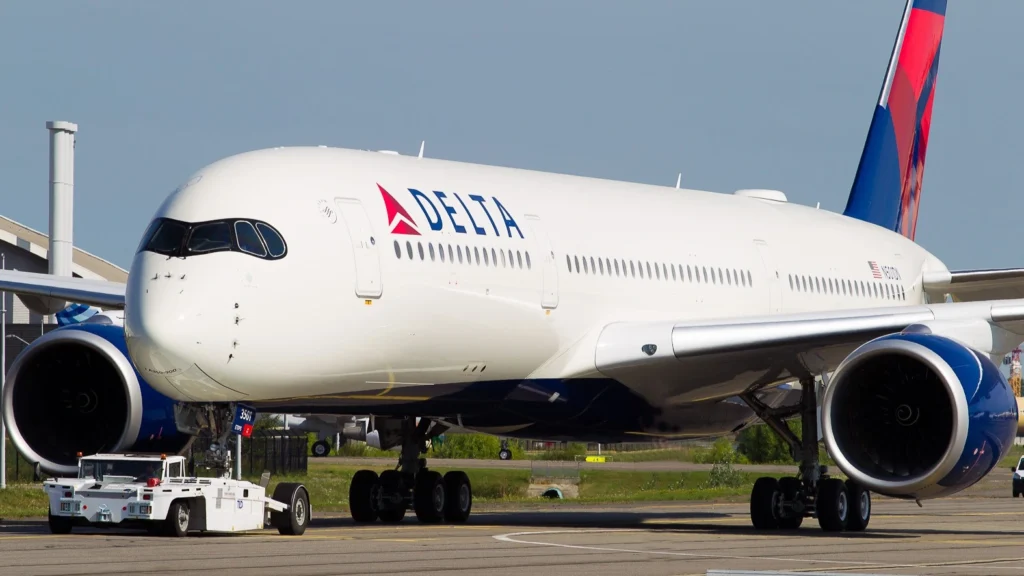
Delta Rejected Starlink Wi-Fi
Billionaire investor Ron Baron, an early backer of both Tesla and SpaceX, disclosed on CNBC that the Starlink deal with Delta collapsed over portal control. Delta reportedly insisted that Starlink access sit behind its Delta Sync-branded interface, a condition SpaceX refused to accept.
Starlink applies strict requirements to its airline partnerships. The service must be offered free of charge to passengers, and the connectivity portal must carry visible Starlink branding.
Air France (AF) already follows this format on its Starlink-equipped aircraft, displaying a co-branded landing page.
Delta has built its Delta Sync platform as a unified gateway for inflight entertainment, connectivity, and SkyMiles personalization. The carrier prioritised maintaining exclusive branding across the passenger touchpoint, which clashed directly with Starlink’s terms. By late March, Delta announced its agreement with Amazon’s Leo network instead, View from the Wing reported.
Amazon Leo Trails Starlink in Scale and Readiness
Starlink currently operates around 10,000 satellites in low Earth orbit and continues to lead the industry in annual launch cadence. Amazon Leo, by comparison, has roughly 300 satellites in service as of now.
The gap in deployment scale is also reflected in commercial readiness. Starlink is already live on multiple global carriers, while Amazon Leo remains in early build-out.
Delta’s 2028 installation target depends on Amazon meeting its own constellation milestones without delay, which industry observers consider a notable risk.
United Airlines Gains a Multi-Year Connectivity Edge
The timeline differential creates a sustained competitive gap rather than a short-term one.
United Airlines will operate a fleet-wide Starlink network roughly a full year before Delta installs Amazon Leo on a single aircraft.
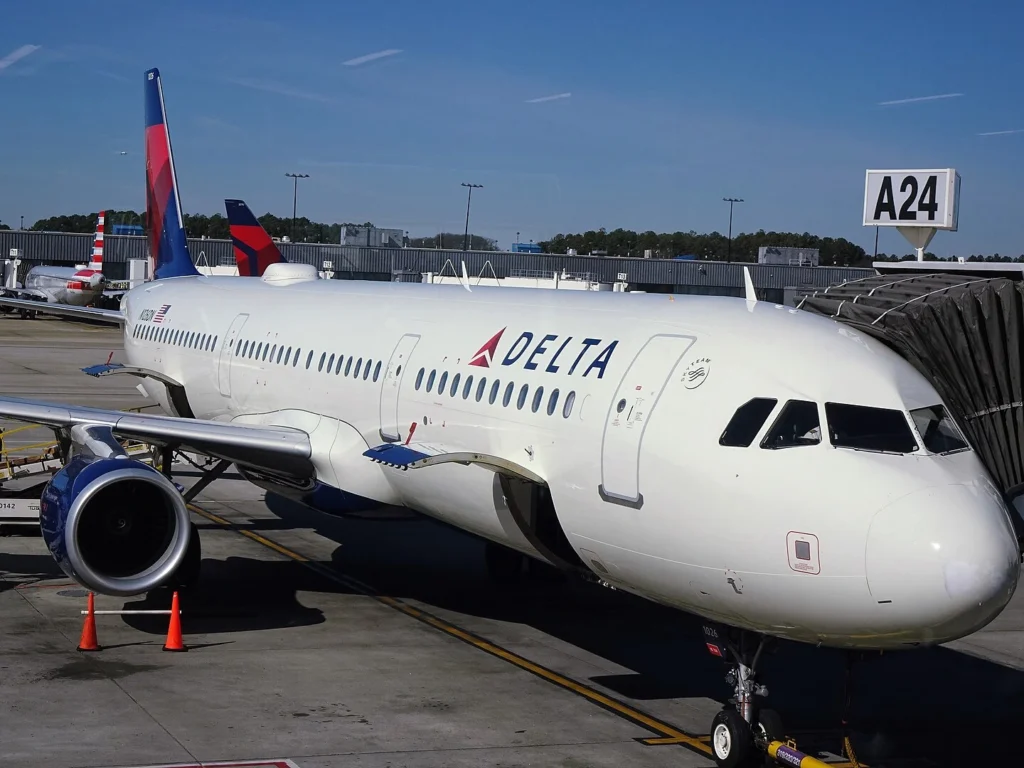
Delta has also not committed to equipping its entire mainline fleet with Amazon Leo. The announced 500-aircraft figure covers approximately half of the carrier’s operation, leaving the remaining aircraft on older connectivity systems for an undefined period.
Passenger Experience Implications for Delta
Delta currently offers free Wi-Fi powered by Viasat across a wider share of its fleet than United does today. However, passengers familiar with both Viasat and Starlink consistently report a significant performance gap in favour of Starlink, particularly for streaming and video calls.
Consumer expectations around inflight connectivity have shifted quickly in the past two years. Passengers increasingly expect ground-equivalent speeds, low latency, and reliable streaming.
By 2027, Delta passengers may face the same uncompetitive experience that United customers reported before the Starlink rollout began.
Bottom Line
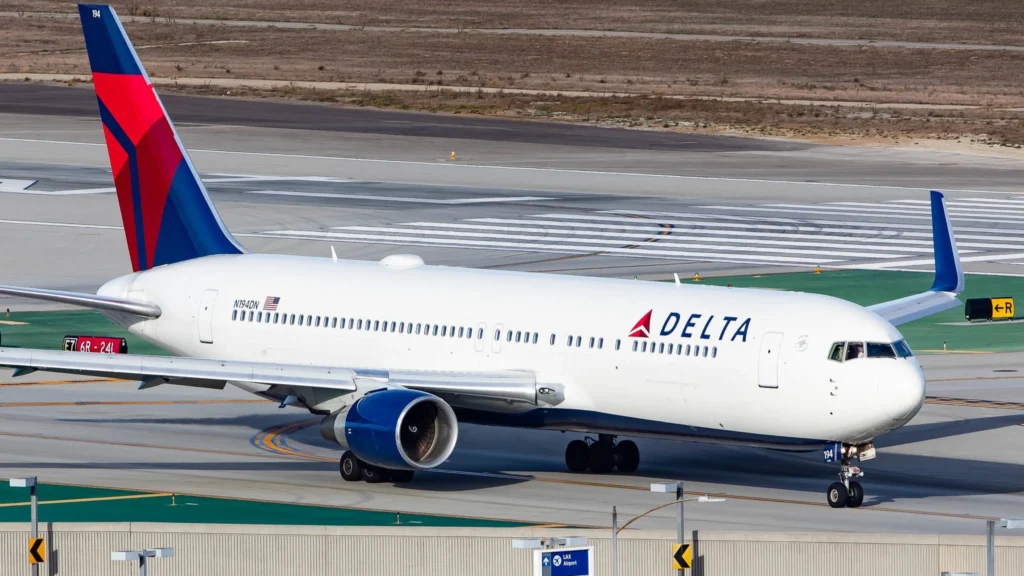
Delta Air Lines selected Amazon Leo for its next inflight Wi-Fi platform after talks with SpaceX Starlink failed over branding control. The Delta Sync portal requirement proved incompatible with Starlink’s standard partnership terms.
United Airlines now stands positioned to complete a fleet-wide Starlink rollout by the end of 2027, while Delta’s Amazon Leo installation will begin no earlier than 2028 and cover only half of the fleet.
The decision sets up a multi-year passenger experience gap that Delta will need to address as the connectivity landscape evolves.
Stay tuned with us. Further, follow us on social media for the latest updates.
Join us on Telegram Group for the Latest Aviation Updates. Subsequently, follow us on Google News
