


ATLANTA- A Delta Air Lines (DL) passenger and parenting content creator has drawn attention online by refusing to book first class or private flights for her children.
The family flies only in Comfort+ on Delta routes from Hartsfield-Jackson Atlanta International Airport (ATL), even when heading to destinations like St. Barthélemy (SBH), Nantucket (ACK), Aspen (ASE), Jackson Hole (JAC), and Turks and Caicos (PLS).
The mother, a former lawyer turned stay-at-home parent, argues that premium seating could teach her kids to feel “better than” hardworking adults.
Critics, including travel writers, suggest the position is so extreme it almost reads like parody, and argue that character comes from parenting, not from where children sit on Southwest Airlines (WN) or any other carrier.
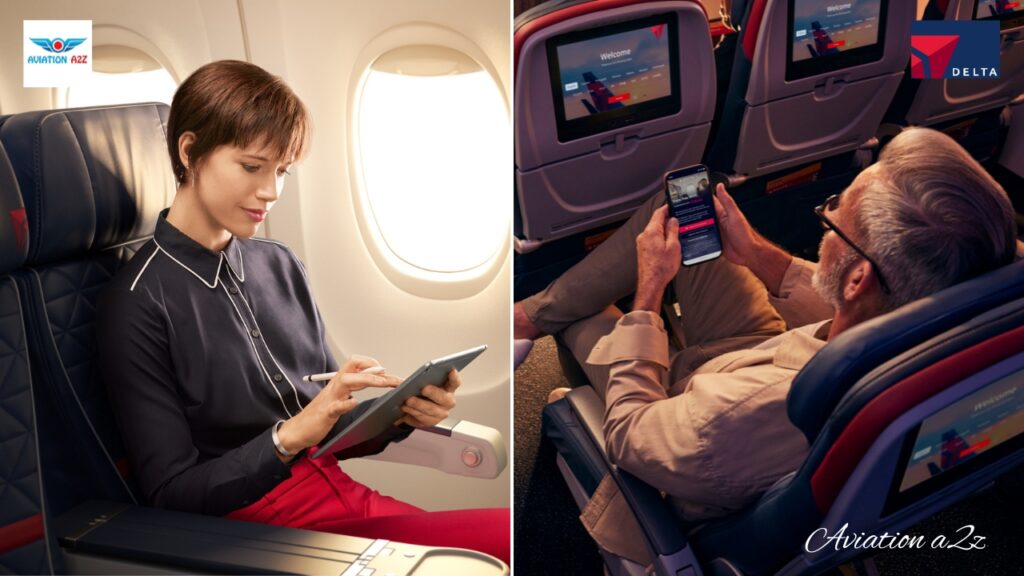
Why This Delta Mom Avoids Premium Cabins
The mother says her children “are privileged” because of their activities and calls them lucky. She frames her kids as fortunate while not acknowledging her own good fortune in being able to leave a law career to focus on parenting and content creation.
Her main concern is that flying first class will teach her kids to look down on adults seated in the back of the plane. She believes the effect grows stronger on private aviation.
The reasoning contains visible gaps. She sends her children to private schools, yet identifies the airline cabin as the source of social hierarchy in their lives.
She also takes her children to destinations most travelers will never visit, which already places them in a small group of privileged travelers regardless of cabin class.
According to View from the Wing, the real risk is teaching kids that comfort is their birthright, that inconvenience is an injustice, and that people serving them are beneath them.
A lie-flat seat does not create those lessons. Parents do so through how they speak about others and how they treat the people around them.
The “struggle” the mother references rings hollow when the family is traveling to Turks and Caicos, St. Barth, Nantucket, Aspen, and Jackson Hole.
These are not destinations associated with hardship. The framing suggests the issue is more about appearance than substance.

How Points Make Premium Travel Possible
Frequent flyer points open business class to families who could not otherwise afford it. One travel writer explains his family flies long haul business class because points make it accessible, and the comfort makes travel far less grueling, especially with young children.
His daughter has been flying business class since age three. The lie-flat space lets the family keep her bedtime routine intact, including changing into pajamas, reading books, and telling stories before sleep.
The writer looks forward to his younger son reaching the same age and following the same in-flight routine.
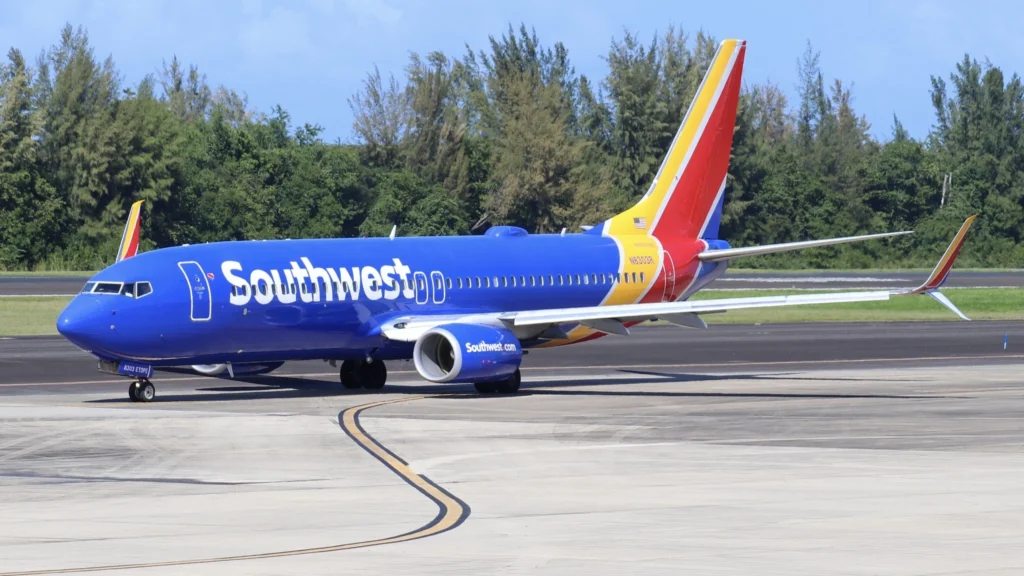
Coach Still Plays Role in Family
The same family does not always fly premium. The daughter sits where her parents tell her to, which often means coach on shorter flights.
Extra space helps with two kids, and the parents have used promotional Southwest Companion Passes to secure an additional seat for their son rather than carrying him as a lap infant.
This approach treats cabin choice as a practical decision rather than a moral one. The family adjusts based on flight length, points availability, and what works best for the children at each stage.
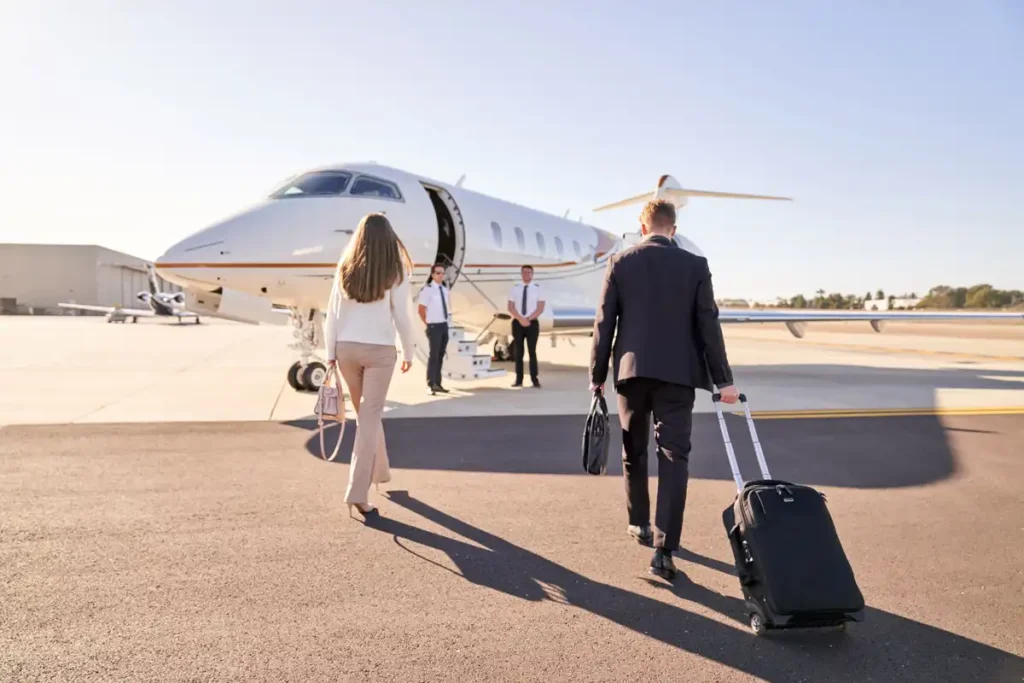
Private Jet Argument Falls Apart
The mother claims the entitlement effect grows stronger on private aviation. However, private jet passengers do not see anyone walking past them to a back cabin.
There is no visible economy section to look down upon, which contradicts the social hierarchy argument she builds her case on.
The same gap appears in long haul business class. Passengers in lie-flat suites rarely encounter economy travelers during the flight.
Children seated in premium cabins on long international routes simply do not see the comparison their mother fears.
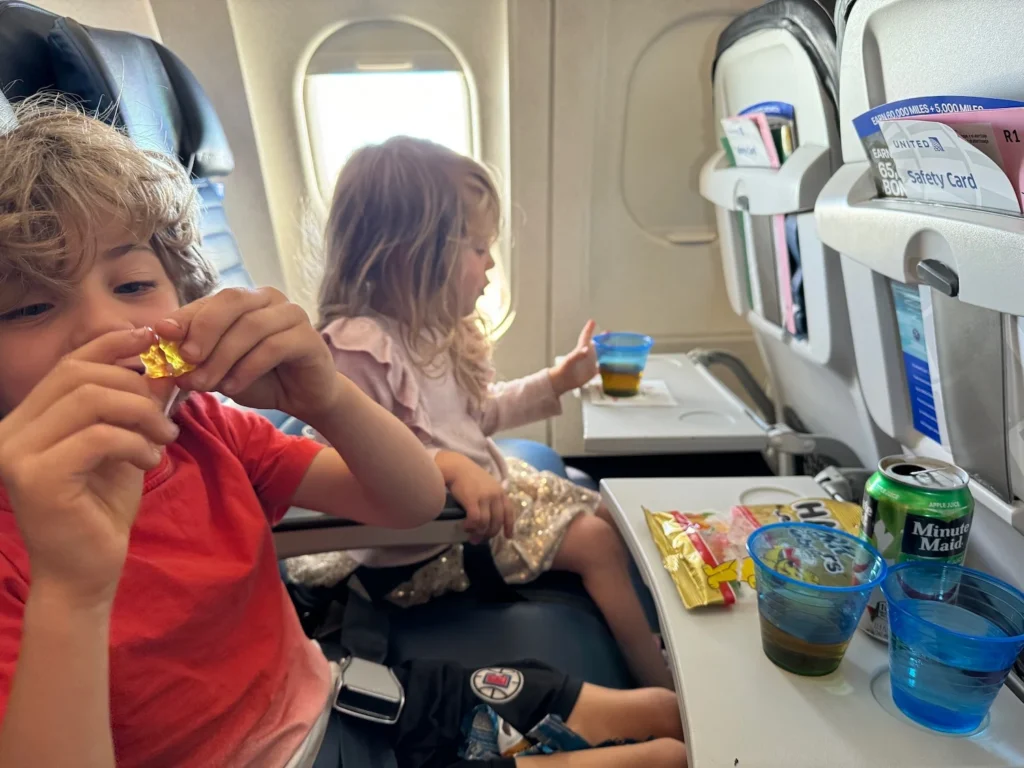
Talking To Kids About Points, Money, And Work
Conversations about how premium travel works can begin early but require care. The writer explains that his daughter understands basic exchange, that doing something for someone else earns something in return.
The deeper concept, that money represents value provided to one party and can be traded with another offering different value, may be too abstract at her age.
There is a difference between nodding acceptance and genuine understanding. Parents can introduce these ideas slowly, knowing children will grasp the full picture only as they grow older.
The harder question is how to provide more than parents had growing up without creating entitlement that undermines a child’s drive to achieve. Providing for children can be liberating.
It lets them take big swings in the world without the risk of failure being existential. The challenge is making support enabling rather than suppressing.
There is also a meaningful difference between material happiness and lasting satisfaction. Work and achievement remain central to a fulfilling life.
Parents who invest in their children want them driven to pursue goals, create, and succeed, not to coast on comfort.
What Business Class Actually Teaches Kids
Business class lets families travel more often and stay connected to friends and family abroad. It expands a child’s sense of what is possible.
It gives them a greater understanding of the world and the people in it. It makes the world feel navigable rather than intimidating.
Normalizing premium travel can reduce the impression that luxury is rare or special. When kids grow up comfortable in different environments, they are less likely to be impressed by status symbols later. The parent’s job is then to ensure children do not feel entitled to that comfort.

Bottom Line
Coach does not build character, and business class does not destroy it. The moral hierarchy of the airplane cabin is mostly adult projection.
Kids understand “this plane has beds” long before they understand “this cabin embodies social status.”
The goal is to raise children who see the world as big, navigable, and worth seeing. Parental success can remove friction so children can use their gifts to succeed.
The balancing act is making sure that removing friction does not suppress their own drive.
Stay tuned with us. Further, follow us on social media for the latest updates.
Join us on Telegram Group for the Latest Aviation Updates. Subsequently, follow us on Google News
