

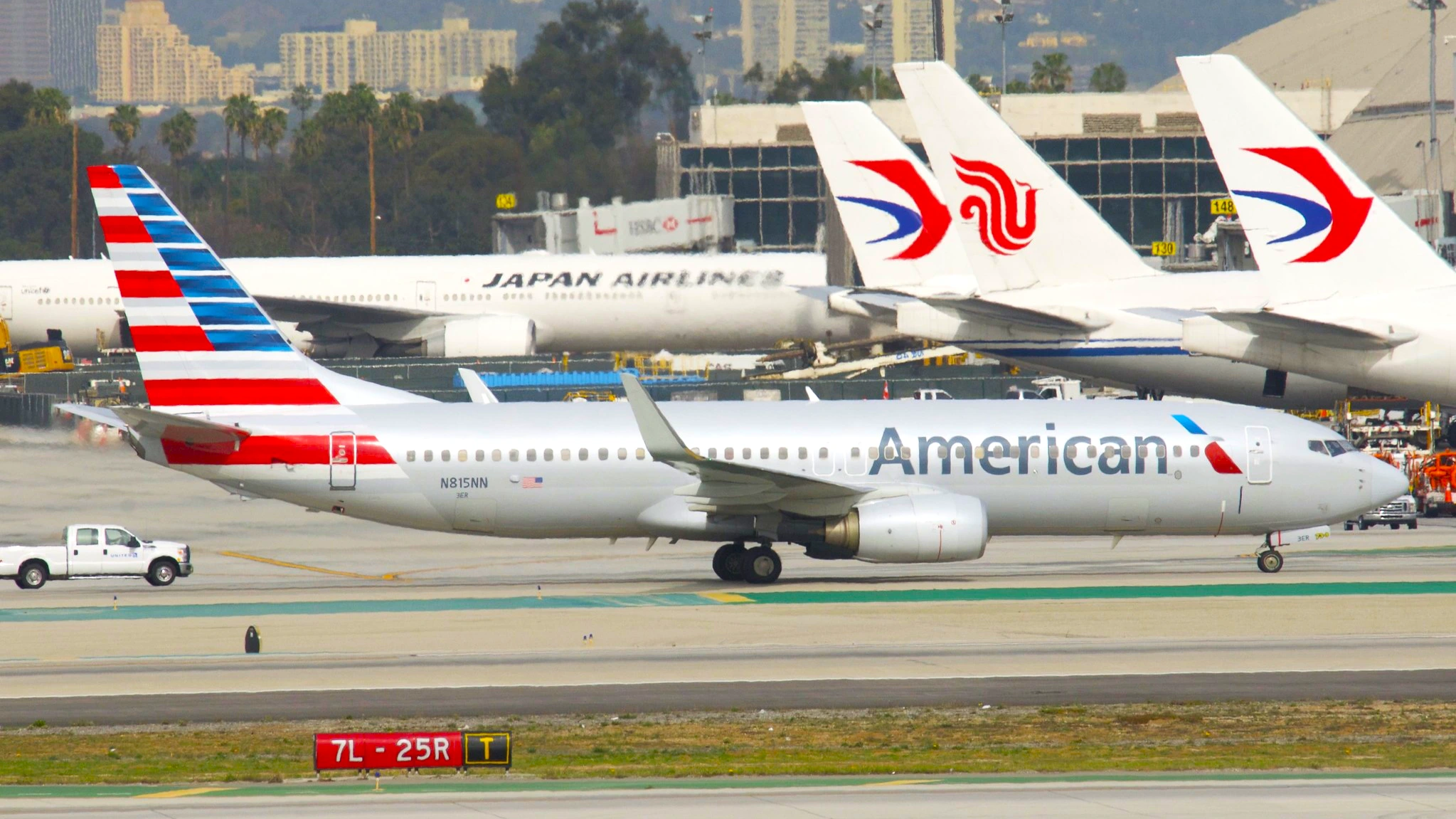
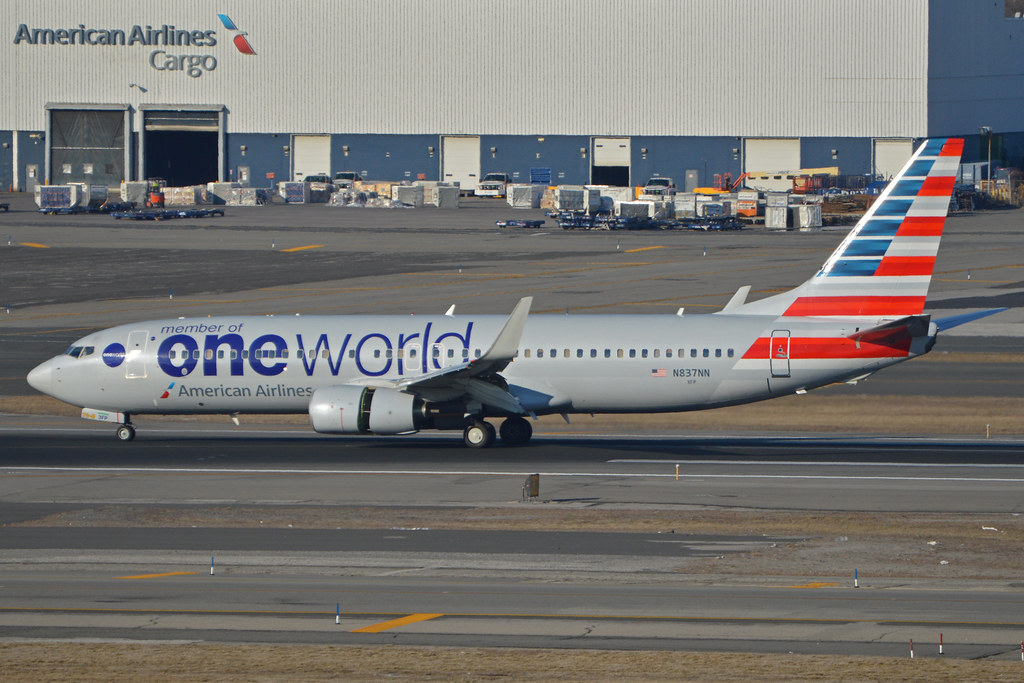
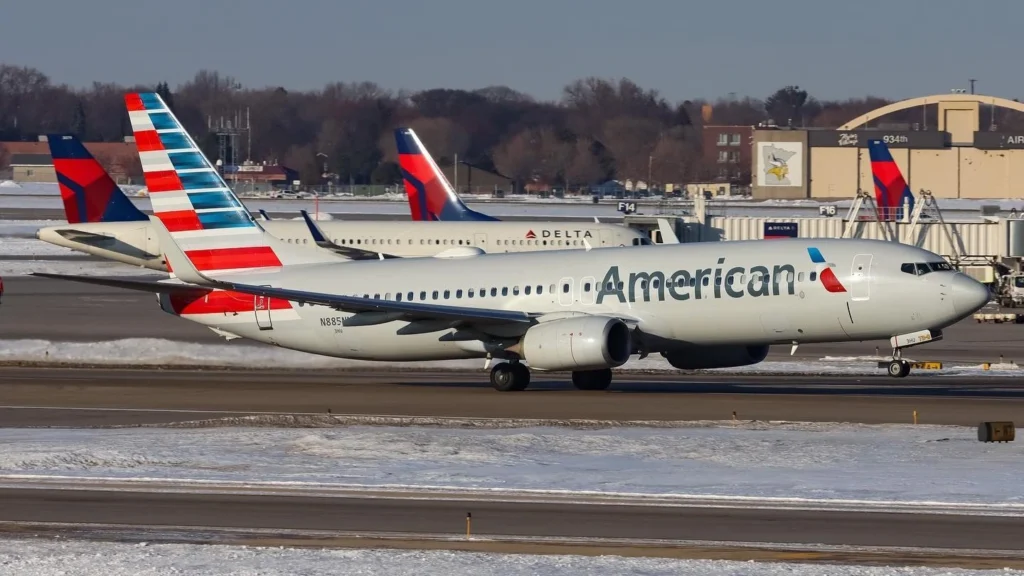
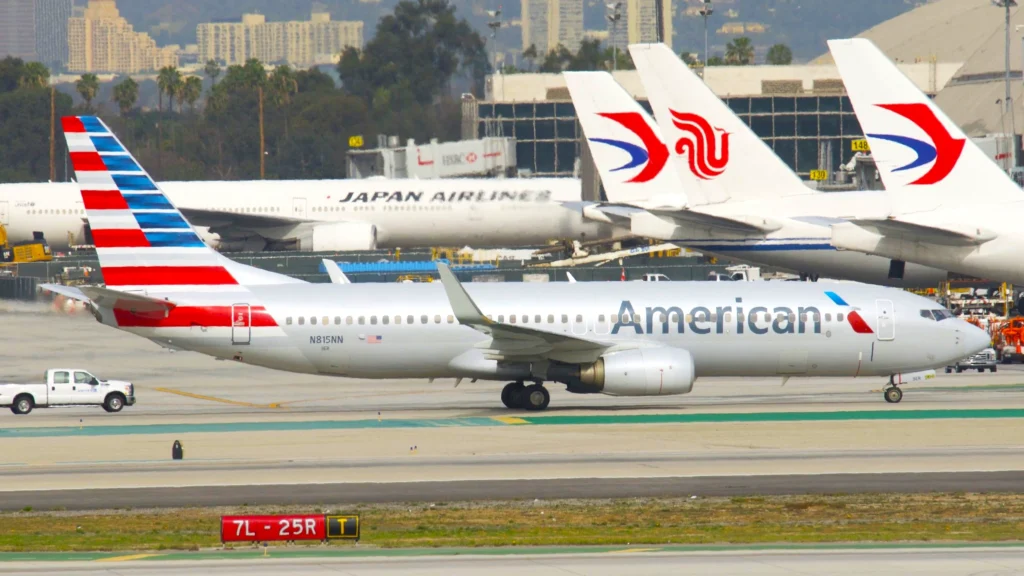
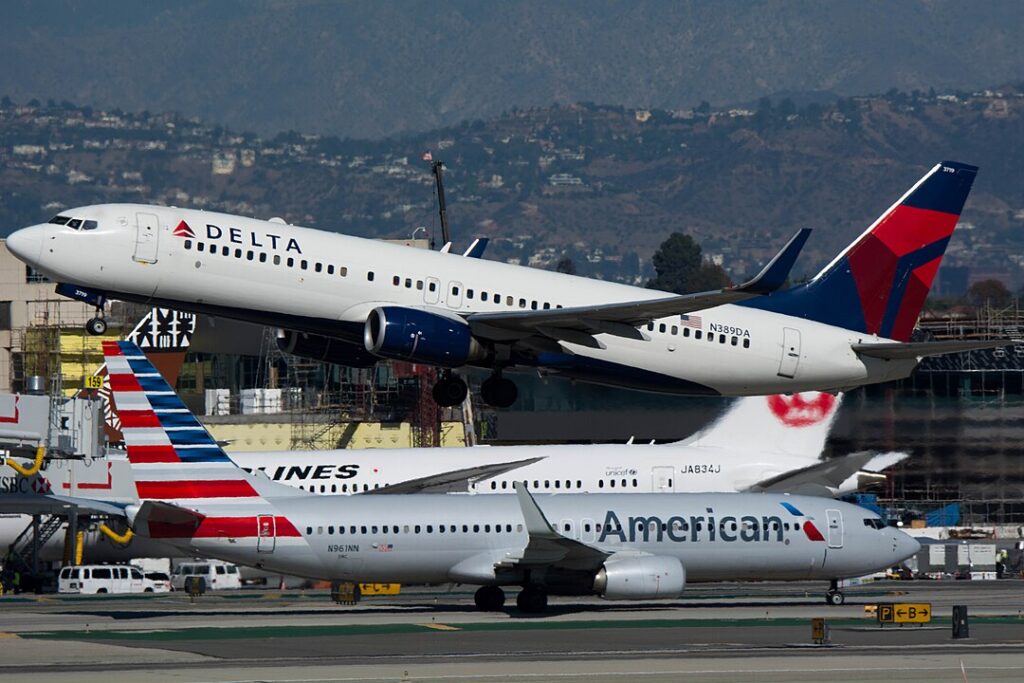
FORT WORTH- American Airlines (AA) cancelled a New York (JFK) to Austin (AUS) non-stop this week as severe weather moved into the New York area, forcing passengers to rebuild itineraries with limited seats available.
The situation worsened when the carrier’s computer systems failed during pushback of a replacement Dallas Fort Worth (DFW) service, placing the entire airline on a ground stop. JetBlue (B6) had already removed roughly 40% of its New York schedule that day, while American cancelled fewer flights at the outset, View from the Wing reported.
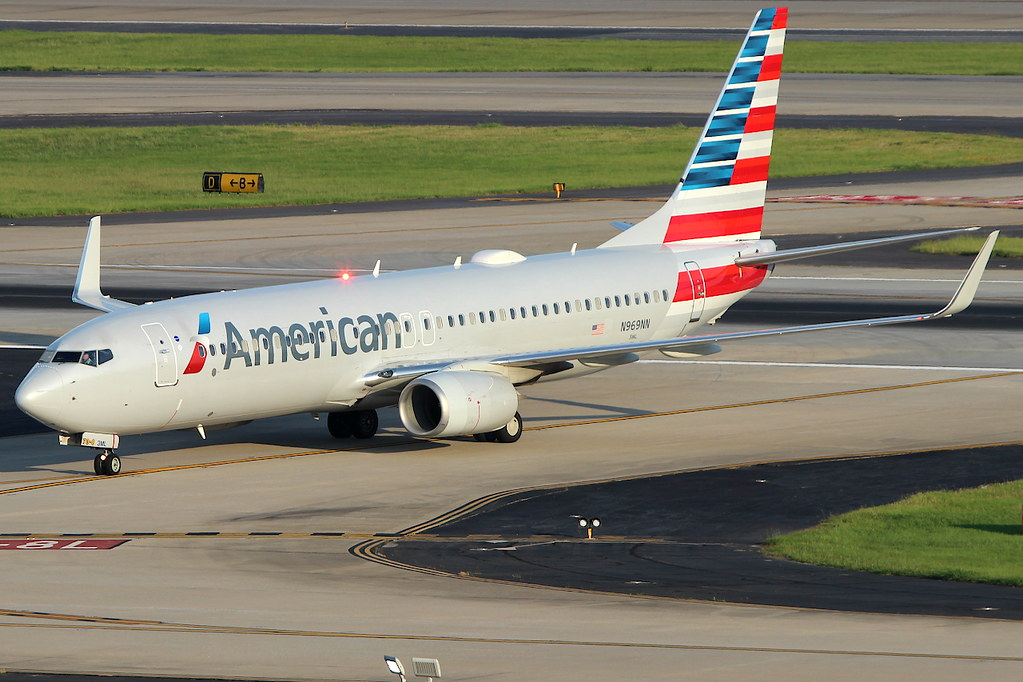
Why Acting Before The Airline Does Changes The Result
The central lesson from the disruption is that the best time to fix a travel meltdown is before the airline officially acknowledges one exists. Passengers who wait for a cancellation notice compete for seats that have already been claimed.
The traveller held a 7 PM departure from New York JFK to Austin. Anticipating the weather, he used an AAdvantage Executive Platinum benefit that allows a second flight to be added to a reservation without surrendering the original booking.
He secured the 7 AM non-stop the following morning as protection. When the 7 PM flight was cancelled at around 5 PM that morning, that departure had no space left, leaving him covered while other passengers waited in rebooking queues.
Most passengers under a weather waiver can change flights, but they must give up their confirmed seat to do so. Holding two confirmed itineraries at once is the practical difference between a protected traveller and an exposed one.
He still wanted an earlier arrival. Next morning weather remained uncertain, and aircraft and crews would be out of position, creating a realistic risk that the morning flight would also be delayed or cancelled.
He therefore added himself to the standby list for a delayed 5:25 PM departure that was oversold, and confirmed a seat on the late 10:50 PM. Dallas Fort Worth to Austin flight. He cleared onto the New York to Dallas Fort Worth service as the final standby passenger, in an emergency exit middle seat.
Computer Failure And 4 Hours On Ground
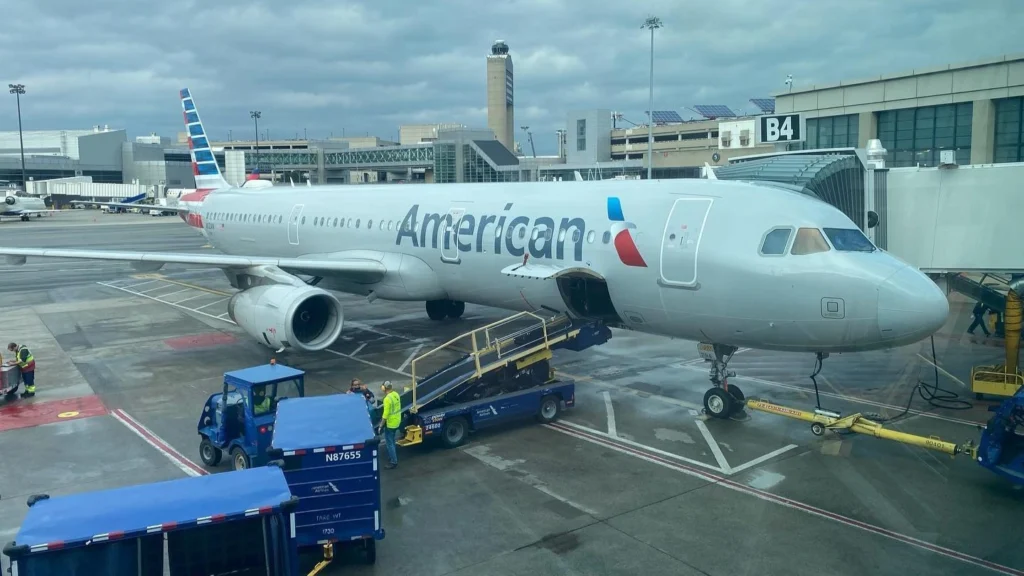
As the aircraft prepared to push back, American’s computer systems went down. The whole airline was placed on a ground stop while systems were restored, and the flight missed its departure window.
By the time the aircraft was cleared to move, the airport had closed for weather. The crew distributed emergency snacks and water during an extended tarmac delay.
The aircraft then returned to the gate to replenish water supplies. Because the airline wanted to avoid breaching the three-hour tarmac delay rule, it also held at the gate to give passengers the option to leave the aircraft.
Roughly four hours passed between boarding and eventual departure, with the full flight still ahead. For the traveller, it became his longest flight in a coach seat since 1991.
Lithium Battery Check Ends
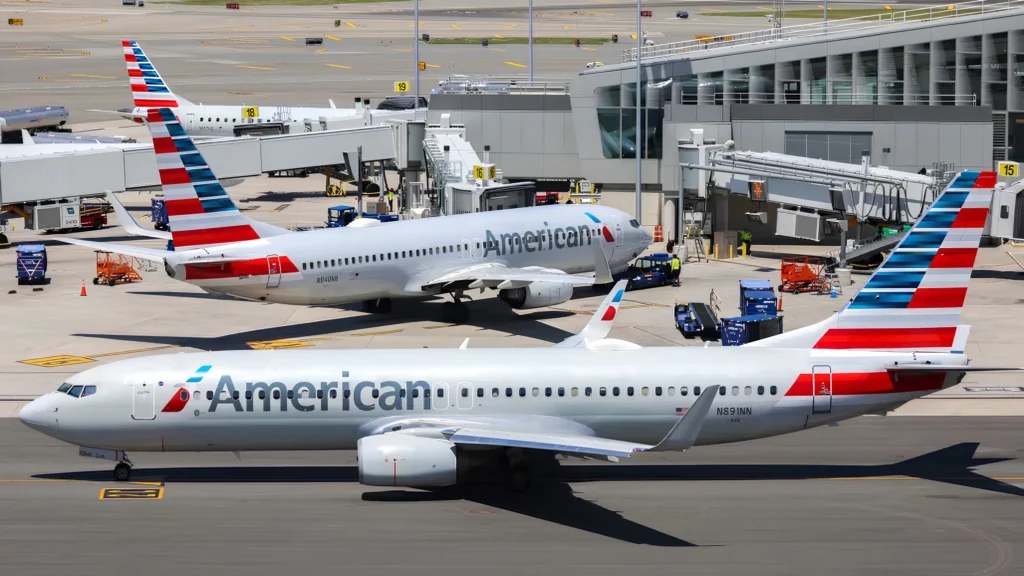
The passenger seated at the window beside him left the aircraft during the gate hold. The captain had required him to prove that his locked carry-on bag contained no lithium ion batteries.
The passenger reacted badly, striking objects and speaking abusively toward a flight attendant. He then chose to deplane, which freed the window seat for the remainder of the flight.
Advice Given To Passengers
The general recommendation offered on board was to continue rather than restart the trip the next day.
One passenger connecting to Australia considered leaving and trying the following day again. He repeatedly asked a flight attendant what to do, and she declined to advise him. Crew members generally avoid taking responsibility for rebooking decisions that may still fail.
The advice he received was to continue to Dallas Fort Worth. Even without an immediate Australia connection, he could reach the West Coast early the next morning.
A New York departure the next day was far less certain and could have cost him the Australia connection entirely.
A second passenger bound for Charlotte faced a missed connection at Dallas Fort Worth after his original flight cancelled. He was advised to continue, because American’s Charlotte flights from New York airports showed zero available inventory, while Dallas Fort Worth had seats.
Onboard Service During Disrupted Flight
The flight itself operated without further issue. The crew performed well despite visible fatigue, and the ride was bumpy in places due to weather.
During drink service, the traveller purchased a buy on board turkey sandwich, which he rated as acceptable.
The flight attendant comped the item for an Executive Platinum member and thanked him for his business. A crew member repeated that thanks on arrival in Austin the following day.
Zombie Apocalypse Rule
The decision to leave New York followed what the traveller calls the Tiffany Funk rule, which treats major delay events like a zombie apocalypse and prioritises continuous movement.
The reasoning is that leaving the centre of the disruption is almost always better than remaining inside it.
Getting home from Dallas Fort Worth was judged easier than attempting the same trip the next day from New York.
He noted that the calculation would change with family present. In that case, he would have gone into Manhattan, had dinner and accepted an early start, because comfort would outweigh speed. Travelling alone, reaching the destination quickly was the only objective.
Rebooking Work Completed In Flight
Once airborne, the traveller had two tasks to complete.
The first was confirming the space he held on a morning Dallas Fort Worth to Austin flight, cancelling the night flight he would no longer make, and having the ticket reissued.
He also needed the morning New York JFK to Austin backup removed. He handled all of it by direct message with American on X.
The second was securing a hotel room in Dallas, which he booked online. As a precaution against a middle of the night arrival, he direct messaged Hyatt asking staff to inform the hotel and hold the room.
More than a dozen hours later there had been no reply, which he described as evidence that Hyatt customer service has declined from earlier standards.
Hotel Options In New York And Dallas
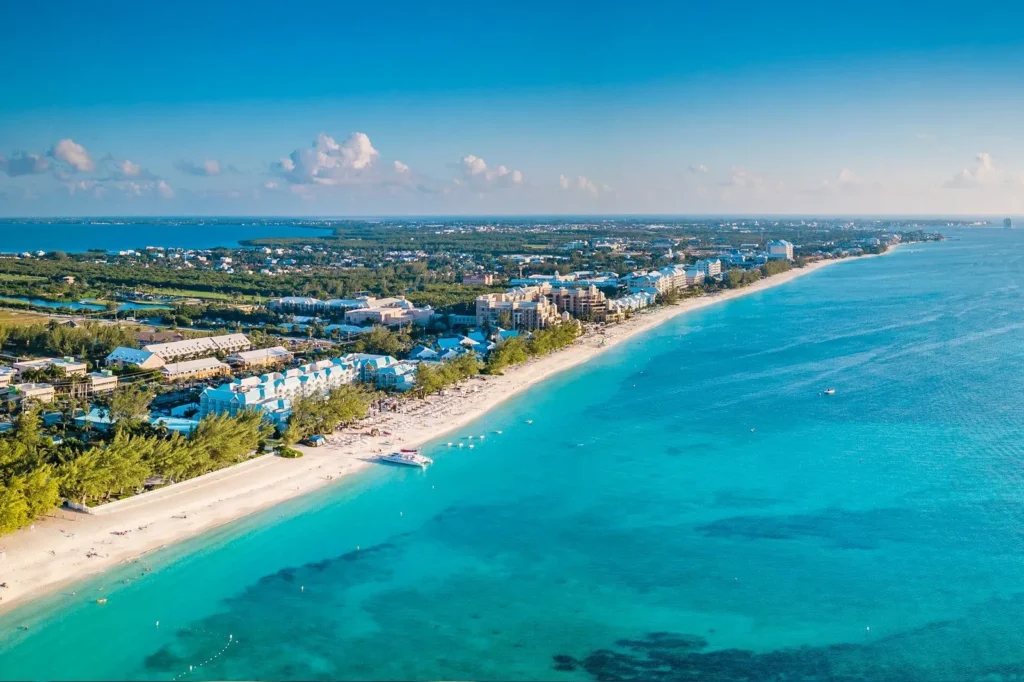
Earlier in the evening the Grand Hyatt at Dallas Fort Worth had wide availability, but he delayed booking.
At that stage he did not know whether he would make the 10:50 PM. Austin connection, become stuck in Dallas, or need a New York City hotel instead.
Reasonably clean options near New York JFK were almost fully booked. The TWA Hotel was priced above 700 dollars and a Comfort Inn was at 400 dollars.
He checked into the Hyatt Regency DFW at 2 AM. The property is less appealing than the Grand Hyatt, but his arrival and next morning departure were both at Terminal C, while the Grand Hyatt sits inside Terminal D.
Walking out through the Terminal C parking garage takes only a few minutes each way and avoids both the Skylink and a hotel shuttle that runs every 20 minutes.
Thompson Gild Hall Stay In Manhattan
The overnight in Manhattan on the outbound leg was at Thompson Gild Hall. The traveller preferred the other Thompson property, which was sold out.
The chosen hotel suited an early riser, because it sits steps from a Starbucks that opens at 5 AM. The hotel’s own lobby coffee is not available until 6 AM.
At check in he was told breakfast started at 8 AM, which would have cost him his World of Hyatt Globalist breakfast benefit given an 8 AM meeting. After he raised the point, staff clarified that breakfast begins at 7:30 AM. That still did not help, and he described the late start as unreasonable for a weekday in Manhattan.
He was upgraded to a corner room that remained small. For a single traveller on a one night stay it was comfortable and clean, though not a room suited to a longer stay or shared occupancy. He drew a clear contrast with properties such as the Peninsula and The Chatwal.
Blade Helicopter Transfer
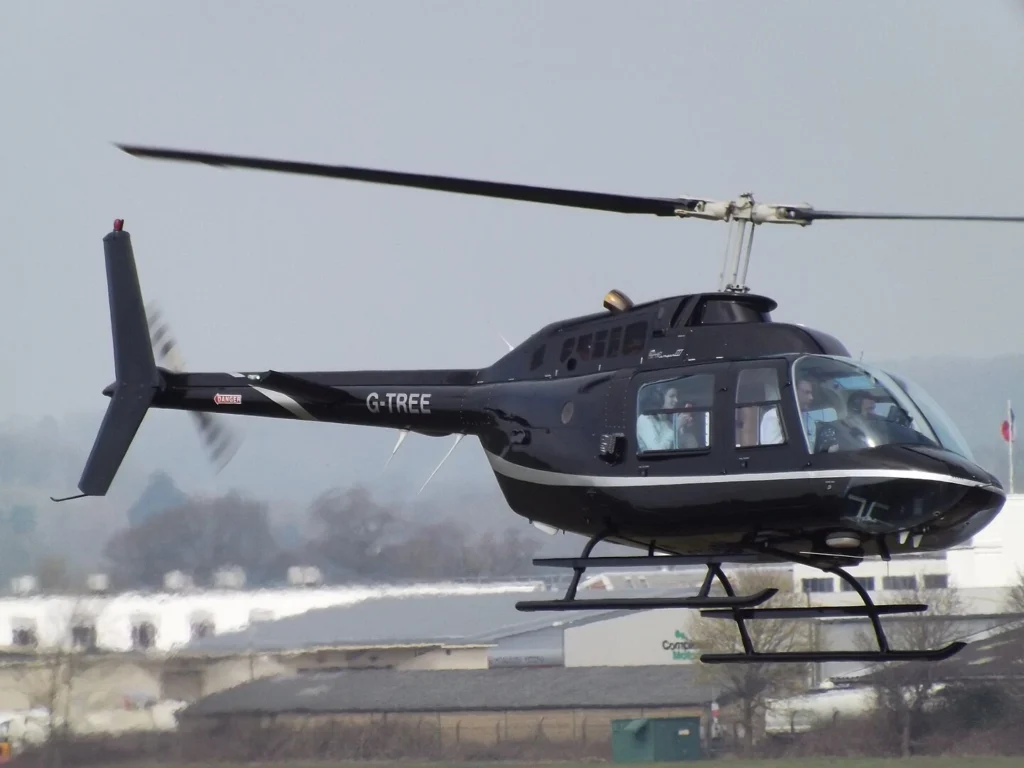
On the inbound journey he used a complimentary Blade helicopter transfer from New York JFK into Manhattan, provided as an annual Platinum benefit through Bilt Rewards.
Blade does not always save time. Passengers must move from the arrival terminal to Blade’s own terminal and then wait for the helicopter, which can add 20 minutes or more, followed by ground travel from the Manhattan heliport to the final destination. Depending on traffic and destination, the net gain can be minimal.
In this case it saved time and replaced a paid taxi or ride share. The American flight departed on time but arrived about 20 minutes late due to air traffic control restrictions in New York.
The Blade booking was set for 40 minutes after scheduled arrival, leaving 20 minutes to reach the terminal frontage from one of the farthest gates at Terminal 8.
Blade texts passengers, who confirm an estimated arrival time so a car can be dispatched. He reached the car 10 minutes before the scheduled helicopter departure and arrived at the Blade terminal 5 minutes before departure, at which point the helicopter was still being refuelled.
He waited briefly, then flew into Manhattan with two other passengers in approximately 5 minutes.
Lounge Access And Food At Greenwich Lounge
For the return, the traveller accessed American’s business class lounge at New York JFK using a Royal Jordanian status match. He presents his account in the Royal Jordanian app, staff enter the number to validate status, and the flight still credits to AAdvantage.
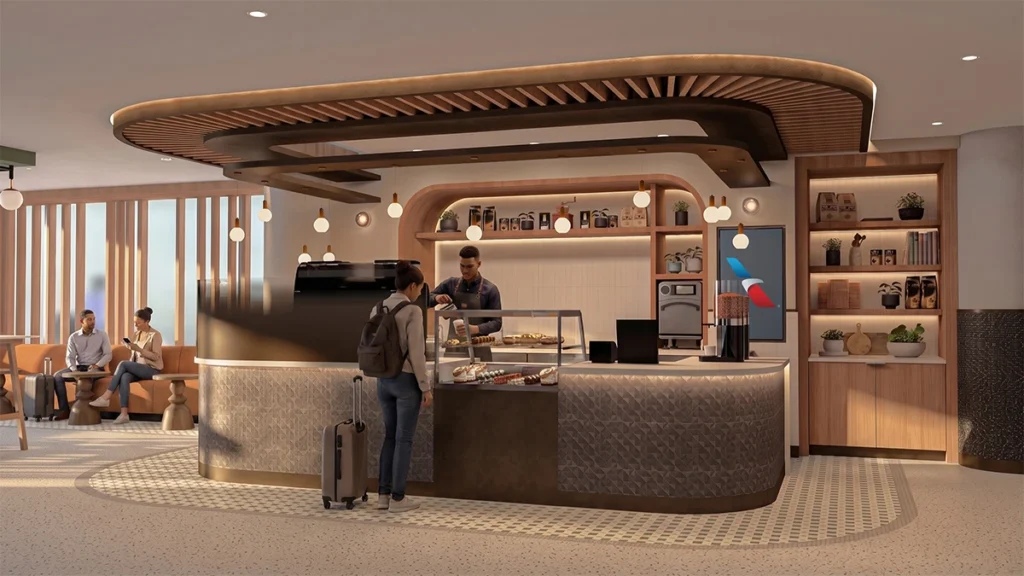
New York JFK no longer has a Flagship lounge. The lounges are operated jointly with British Airways, and the former business class facility is now called the Greenwich Lounge. The old Flagship First Dining space functions as a beer tasting room and bar with cooked to order food, which many passengers do not realise exists.
The overflow space to the right of the entrance was formerly the Admirals Club. American removed the dividing wall and connected the two areas through the back of the tasting room. The only remaining Admirals Club at the airport is on the satellite concourse.
American’s Flagship lounges now use QR code ordering for prepared to order items, but the Greenwich Lounge does not.
Passengers must find the single employee responsible for the tasting room bar, who is not always present. Completed orders are announced by name for collection rather than delivered to tables, because the employee does not know where guests are seated. The traveller rated the food as surprisingly good.
Proactive Compensation From American Airlines
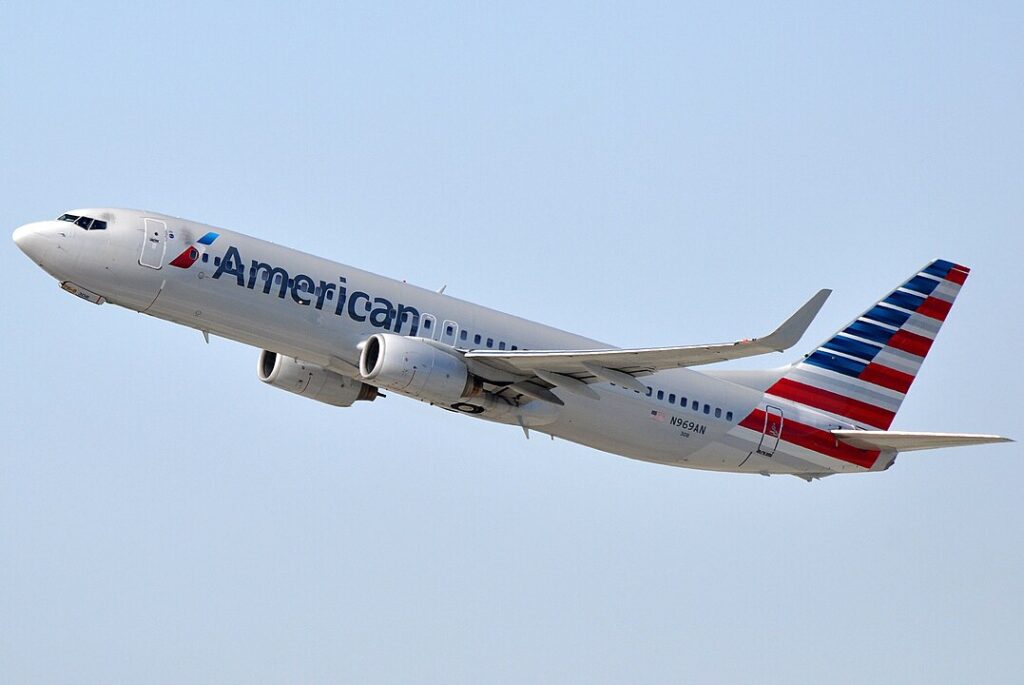
The outbound flight to New York operated on time, but the wifi did not work. After the traveller posted about the problem publicly, American sent an apology email with 2,500 miles.
Following the return disruption, which was largely weather driven, a second apology email arrived with 7,500 miles. As reported by View from the Wing, that level of unprompted compensation, issued with no complaint filed, marks a departure from the carrier’s earlier practice.
American is also offering larger amounts to volunteers in oversold situations. The airline has historically ranked at the bottom of the United States industry for involuntary denied boarding, partly because it was less willing to pay enough to attract volunteers. Passengers need confidence that the airline they choose will actually have a seat for them.
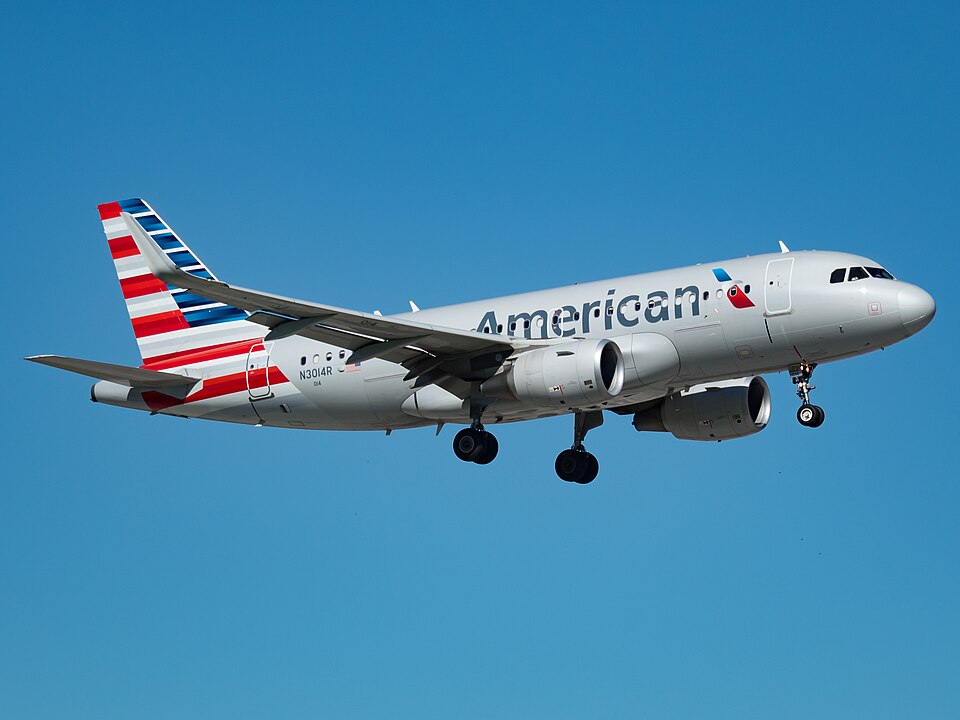
First Experience On Refurbished Airbus A319
The morning Dallas Fort Worth to Austin flight operated on an Airbus A319, with the traveller booked in a Main Cabin Extra middle seat.
While waiting in the Terminal C Admirals Club, he received an app notification confirming an upgrade. The change came from the automatic upgrade process run by AgentAssist before boarding and was unexpected, as first class had been sold out.
Seats were available because the assigned aircraft was one of the newly refurbished A319s carrying an additional row of first class. The sector lasted 36 minutes.
The refreshed cabin follows the design language of the Boeing 787-9P, the Airbus A321XLR and the new regional jet interiors, using blues, stitched seats and brown accents. The extra first class row is an improvement, but the four added seats come without removing coach seats, so the rear cabin is more tightly configured.
The traveller praised the attention to detail as something American has not delivered in a long time, and rated both the new lounges and the new cabins positively.
The single shortcoming is entertainment. American is retrofitting these aircraft without seatback screens, and on the Airbus A319 fleet it is removing existing screens fitted to pre merger American Airlines aircraft. The change surprised the first class flight attendant, who began an audio safety briefing before realising the aircraft had no video capability. She stopped the audio and assembled the crew for a manual demonstration.
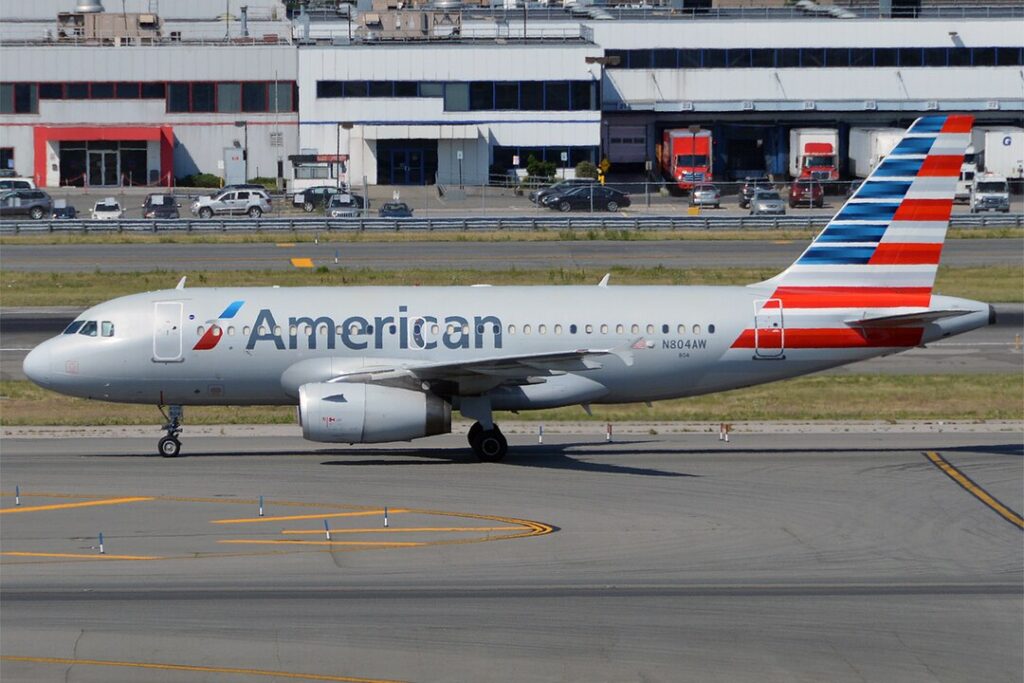
Outcome Of Rerouted Journey
The traveller slept about three and a half hours before the morning flight. He relied on espresso and a complimentary restaurant breakfast at the Hyatt, and reported feeling in reasonable condition.
He reached home earlier than he would have by remaining overnight in New York, which validated the decision to leave the disruption zone rather than wait it out.
Stay tuned with us. Further, follow us on social media for the latest updates.
Join us on Telegram Group for the Latest Aviation Updates. Subsequently, follow us on Google News
