

Few travel annoyances are as frustrating as settling into an aircraft seat only to feel repeated kicks, bumps, or jolts coming from behind. Whether it is a restless child, an absent-minded traveller, or an inconsiderate adult, seat kicking has become one of the most common complaints among airline passengers.
The problem is not just the physical discomfort. Constant seat kicking can make it difficult to sleep, work, read, watch a film, or simply relax during a flight. In an environment where personal space is already limited, repeated disruptions can quickly turn an otherwise pleasant journey into an unpleasant experience.
While many travellers are tempted to react immediately or confront the offender aggressively, flight attendants say there are far more effective ways to handle the situation. Cabin crew deal with passenger conflicts every day and understand how quickly minor disagreements can escalate in a confined aircraft cabin.
According to experienced flight attendants, the key is to remain calm, address the issue politely, and involve the crew only when necessary. Their advice offers a practical roadmap for resolving one of air travel’s most irritating problems.
Why Seat Kicking Is Such a Common Complaint
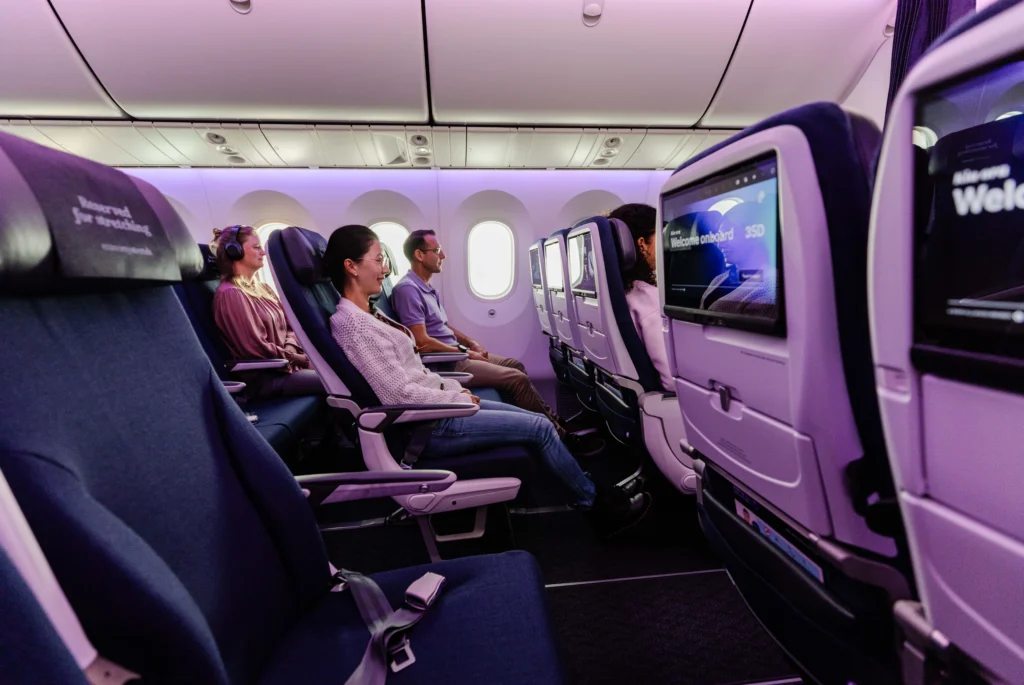
Air travel places hundreds of people in a relatively small space for hours at a time. Even minor actions can affect other passengers.
Seat kicking often occurs unintentionally. A passenger may stretch their legs, repeatedly shift position, or use the seat in front of them for support while standing up. Children, especially younger ones, may kick without realising they are disturbing someone else.
However, there are situations where the behaviour becomes persistent and disruptive. Some travellers become so absorbed in their own comfort that they fail to notice the effect their actions are having on others.
The issue has become so widespread that various airline etiquette surveys have repeatedly ranked seat kickers among the most annoying types of passengers. Many travellers consider them more frustrating than loud conversations, excessive reclining, or even strong perfumes.
When the Seat Kicker Is an Adult
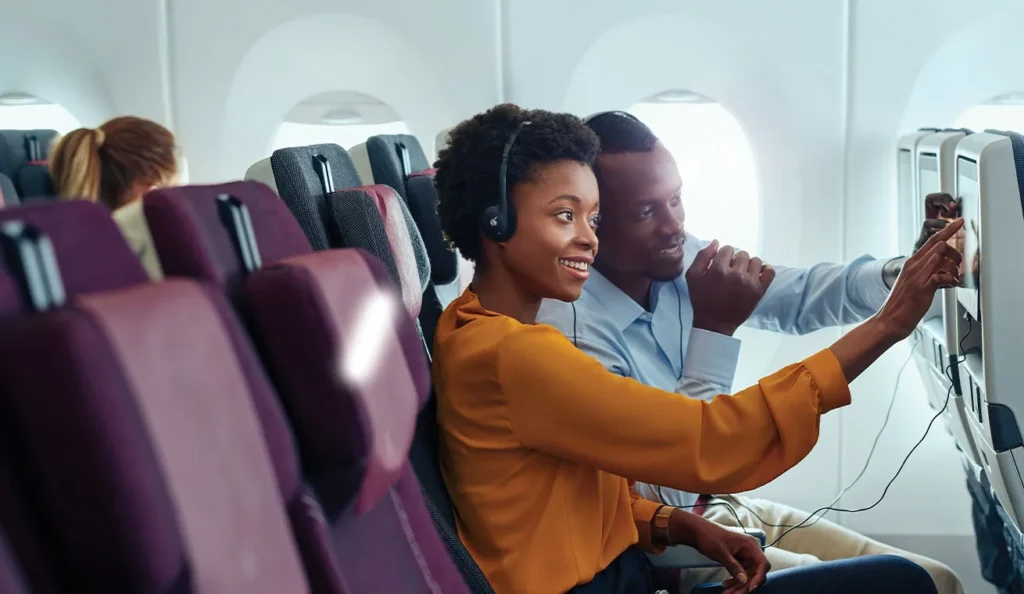
Many travellers assume the culprit will be a child, but flight attendants say adults are often just as likely to be responsible.
Adults may repeatedly push against the seat in front while changing position, crossing their legs, or attempting to get comfortable. Some may also use the seatback as leverage when standing up or sitting down.
When dealing with an adult, the same principle applies: address the issue politely first.
In many cases, a simple reminder immediately solves the problem. Once the passenger realizes their actions are felt in the row ahead, they usually become more mindful.
However, there are exceptions.
If the individual ignores the request, continues deliberately, or responds rudely, the situation may require further assistance. At that point, involving the cabin crew becomes appropriate.
Flight attendants are trained to manage passenger disputes professionally and can often resolve the issue without further conflict, Travel+Leisure reported.

Handling the Situation When a Child Is Involved
Children present a slightly different challenge.
Young travellers may not fully understand that kicking the seat in front creates discomfort for another passenger. Long flights, boredom, fatigue, and limited movement can all contribute to restless behaviour.
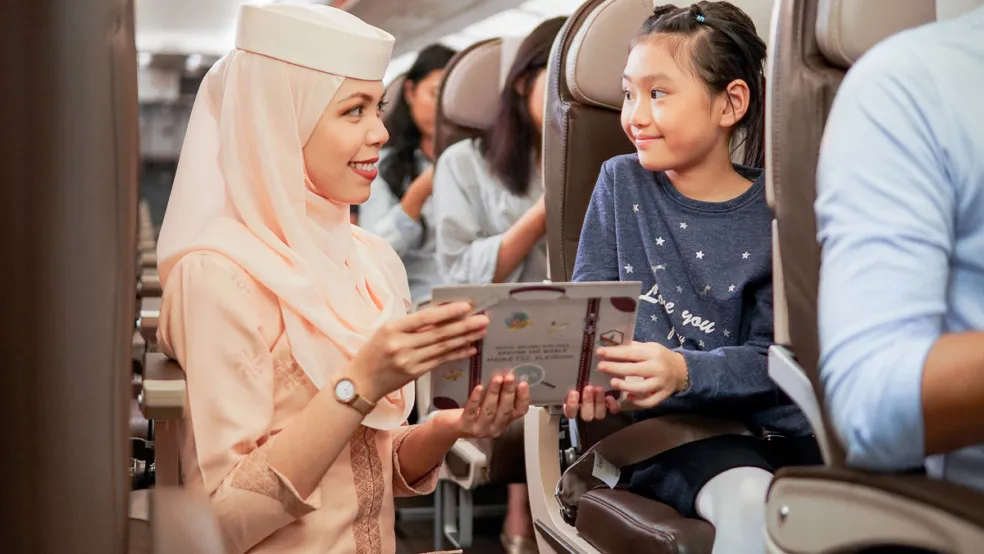
In these situations, flight attendants generally prefer to address the matter through the parent or guardian.
A respectful approach is usually most effective.
Many parents are already doing their best to manage a child in a challenging travel environment and may appreciate a courteous reminder rather than criticism.
Cabin crew often frame the issue from a safety perspective rather than a parenting one. They may remind parents that children should remain properly seated and secured whenever required.
This approach helps avoid embarrassment while still resolving the problem.
Older children typically respond well once their behaviour is brought to their attention. Younger children may require additional supervision or distraction from their parents.
In some situations, if seats are available elsewhere on the aircraft, crew members may even be able to relocate one of the affected passengers.
When to Ask Flight Attendants for Help
While direct communication should generally be the first step, there are circumstances where crew assistance becomes necessary.
Passengers should involve flight attendants if:
- The behaviour continues after a polite request.
- The seat kicking appears intentional.
- The other passenger responds aggressively.
- A child’s behaviour remains uncontrolled despite parental intervention.
- The situation begins to significantly affect safety or comfort.
Flight attendants have experience dealing with these situations and can act as neutral mediators.
Rather than repeatedly confronting the passenger, many crew members recommend speaking with them quietly in the galley or during a walk to the lavatory. This allows the issue to be discussed privately and professionally.
The crew can then determine the most appropriate solution without creating unnecessary tension within the cabin.
Bottom Line
Seat kicking remains one of the most common and frustrating annoyances in air travel, but flight attendants say it can usually be resolved without conflict.
The best approach is to stay calm, assume the behaviour may be unintentional, and politely address the passenger first. In many cases, a simple conversation is all that is required. If the behaviour continues or becomes deliberate, flight attendants are available to step in and help resolve the situation.
Ultimately, patience, courtesy, and clear communication are often the most effective tools available. While travellers cannot control the behaviour of everyone onboard, they can control how they respond, and that response often determines whether a minor irritation becomes a major problem.
FAQs
Not necessarily. Flight attendants generally recommend politely speaking to the passenger first, as many people do not realise they are causing a disturbance.
If a polite request does not work or the passenger responds aggressively, it is best to involve the cabin crew rather than continue the confrontation.
Crew members typically speak with the parent or guardian and approach the issue from a safety perspective rather than criticising parenting choices.
Stay tuned with us. Further, follow us on social media for the latest updates.
Join us on Telegram Group for the Latest Aviation Updates. Subsequently, follow us on Google News
