

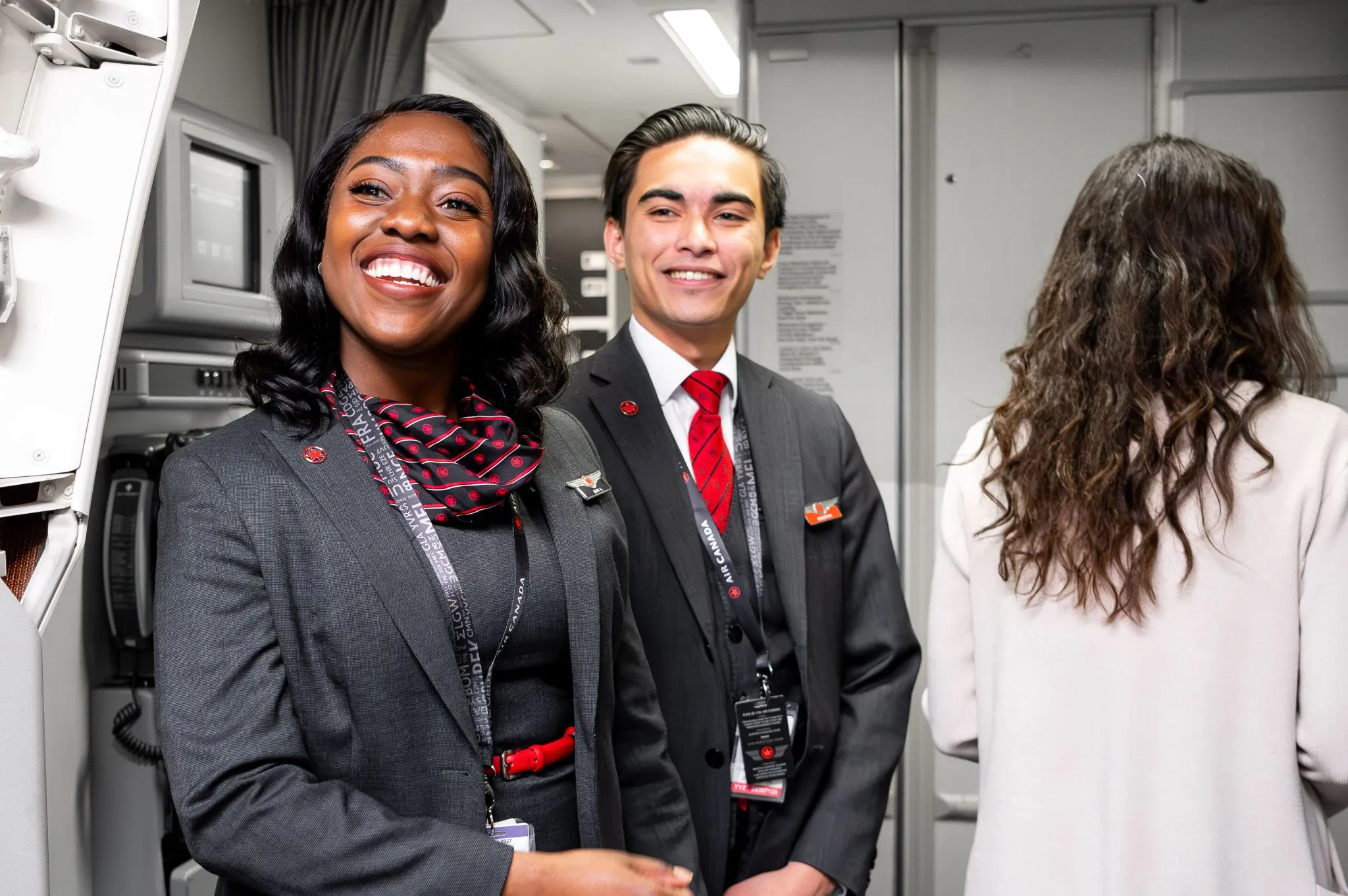
MONTREAL— Flight attendants at Air Canada (AC) have accused the airline of violating labor agreements after announcing plans to temporarily expand the fleet of its low-cost leisure subsidiary, Air Canada Rouge, beyond a long-standing 50-aircraft limit.
The dispute centers on contractual protections negotiated between Air Canada and the Canadian Union of Public Employees (CUPE), which represents the carrier’s mainline cabin crew.
Union officials argue that the airline cannot increase the size of Air Canada Rouge’s fleet without prior approval, even if the expansion is temporary.
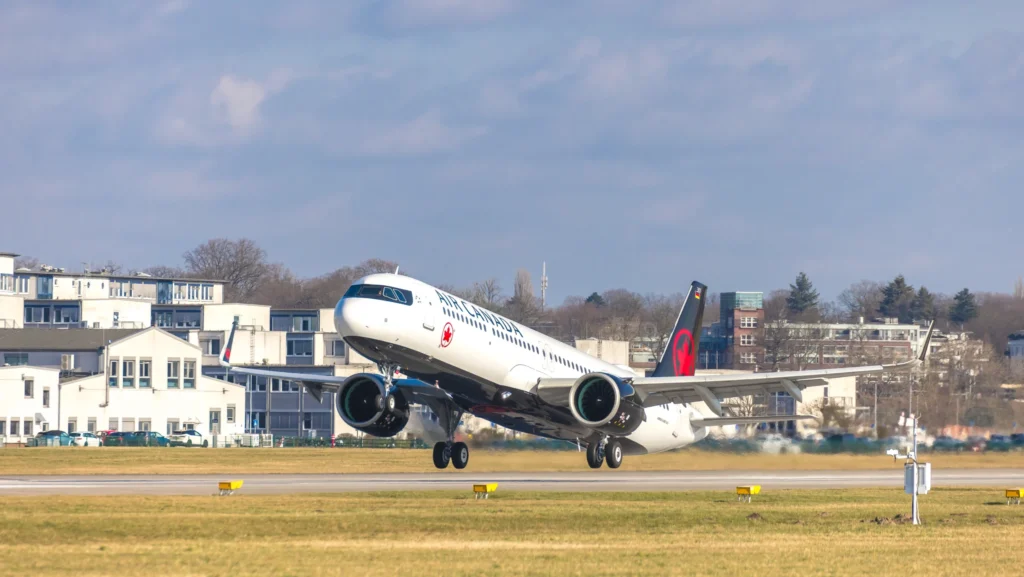
Air Canada’s Rouge Fleet Dispute
Air Canada created Air Canada Rouge in 2013 to compete more effectively with leisure-focused airlines operating lower-cost business models on vacation and sun destinations.
The subsidiary allowed the airline to reduce operating expenses through different staffing structures, simplified onboard service, and lower labor costs.
Mainline flight attendants had expressed concerns from the start that Air Canada Rouge could eventually replace flying traditionally handled by the parent carrier.
As part of collective bargaining agreements, the union secured a strict fleet cap limiting Rouge to a maximum of 50 aircraft unless CUPE granted explicit consent.
The latest conflict emerged after Air Canada informed employees that 52 aircraft would temporarily operate under Air Canada Rouge. CUPE quickly challenged the move, stating that no agreement had been reached to exceed the contractual threshold.
Union representatives said they were seeking immediate compliance and remedies for any potential impact on mainline cabin crew positions. The labor group also requested access to documents supporting the airline’s interpretation of the agreement.

Contract Concerns
CUPE cited multiple provisions within the collective agreement that specifically restrict the growth of Air Canada Rouge.
One clause states that Rouge may operate no more than 50 aircraft, while another requires union approval before increasing that number during the contract period.
The union maintains that no bargaining changes were negotiated to authorize a larger fleet. Labor representatives argue that exceeding the cap could weaken job protections secured for mainline flight attendants over several years of negotiations.
The disagreement arrives at a sensitive moment for Air Canada as the airline continues adjusting its network strategy amid strong demand for leisure travel.
Industry analysts note that lower-cost subsidiaries remain critical for legacy airlines competing on price-sensitive routes.
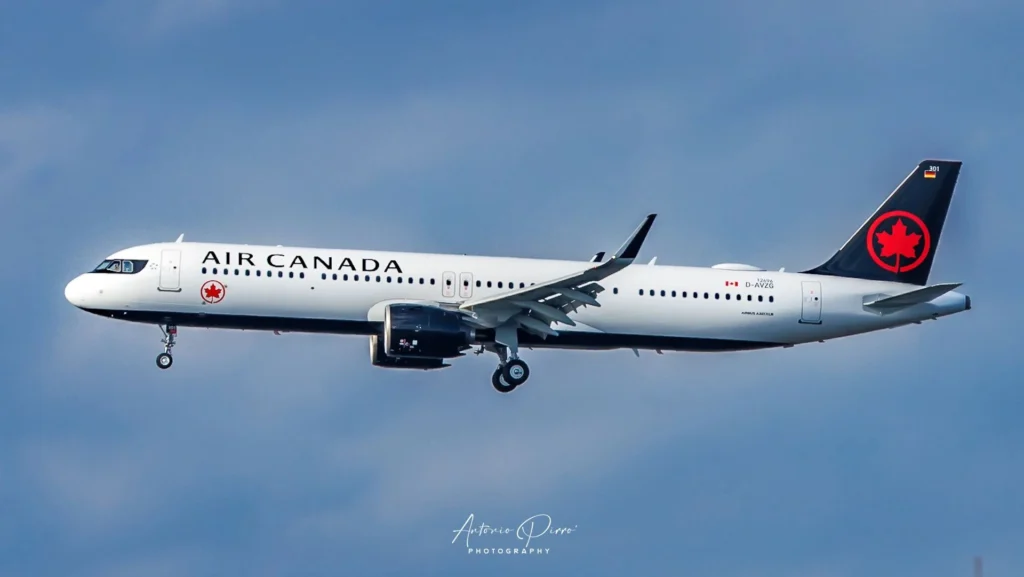
Service Upgrade Debate
The fleet dispute follows another ongoing disagreement involving Air Canada Rouge’s onboard product strategy.
Earlier this year, the airline introduced upgraded Boeing 737 MAX aircraft featuring Premium Economy seating, seatback entertainment, and complimentary high-speed Wi-Fi.
Air Canada Rouge also expanded its onboard offerings with free beverages, including beer and wine, along with premium snack options on select North American and Caribbean routes.
The union argues that these enhancements are reducing the distinction between Rouge and Air Canada’s mainline operation.
CUPE representatives warned that the subsidiary was originally designed with clearly differentiated branding, service standards, and cabin configurations, PYOK flagged.
According to the union, the growing similarities between the two products could affect work allocation and long-term employment protections for mainline crew members.
Stay tuned with us. Further, follow us on social media for the latest updates.
Join us on Telegram Group for the Latest Aviation Updates. Subsequently, follow us on Google News
