

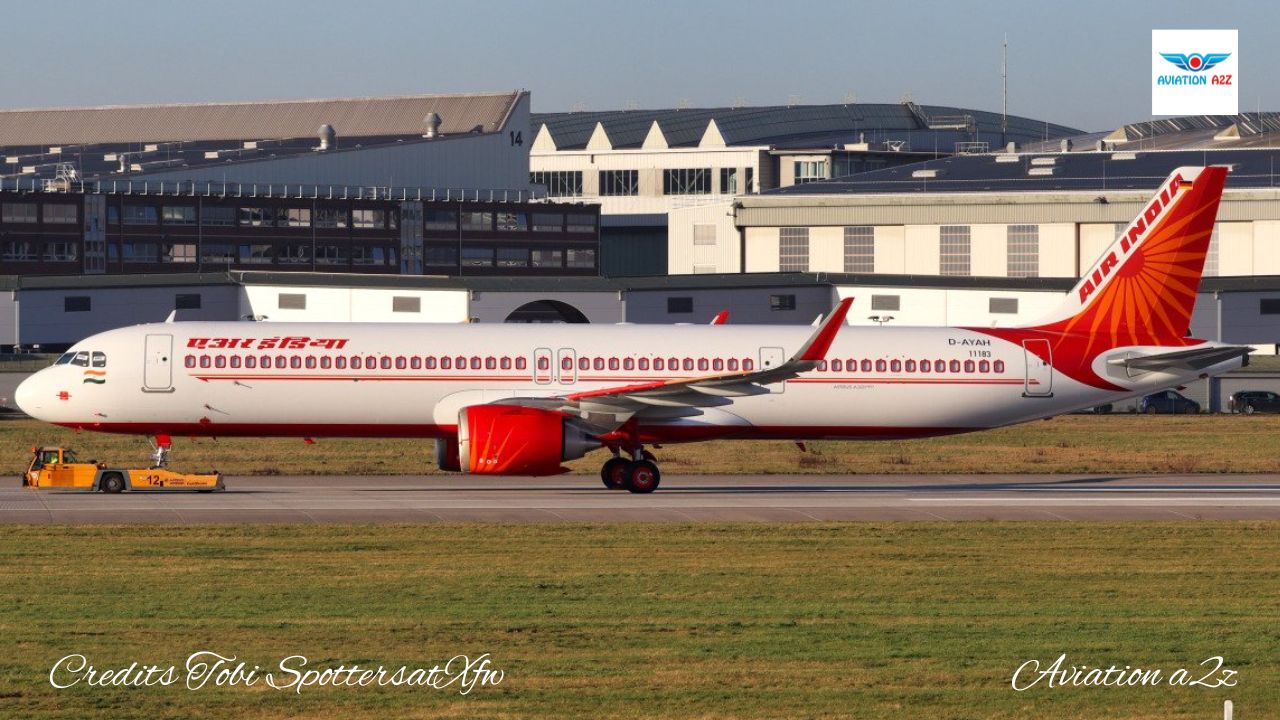
DELHI- Tata Group-owned Air India (AI) First Officer, aged approximately 40, died of a heart attack during scheduled crew rest in Bali (DPS) on Thursday. The pilot had operated a flight from Delhi (DEL) to Ngurah Rai International Airport (DPS) a day earlier and was staying at a hotel during the mandated layover period.
The airline confirmed that the First Officer held a valid Class I medical certification and had cleared all mandatory medical examinations only a few months before the incident. Air India (AI) stated it remains in close contact with the pilot’s family and is extending all possible support.
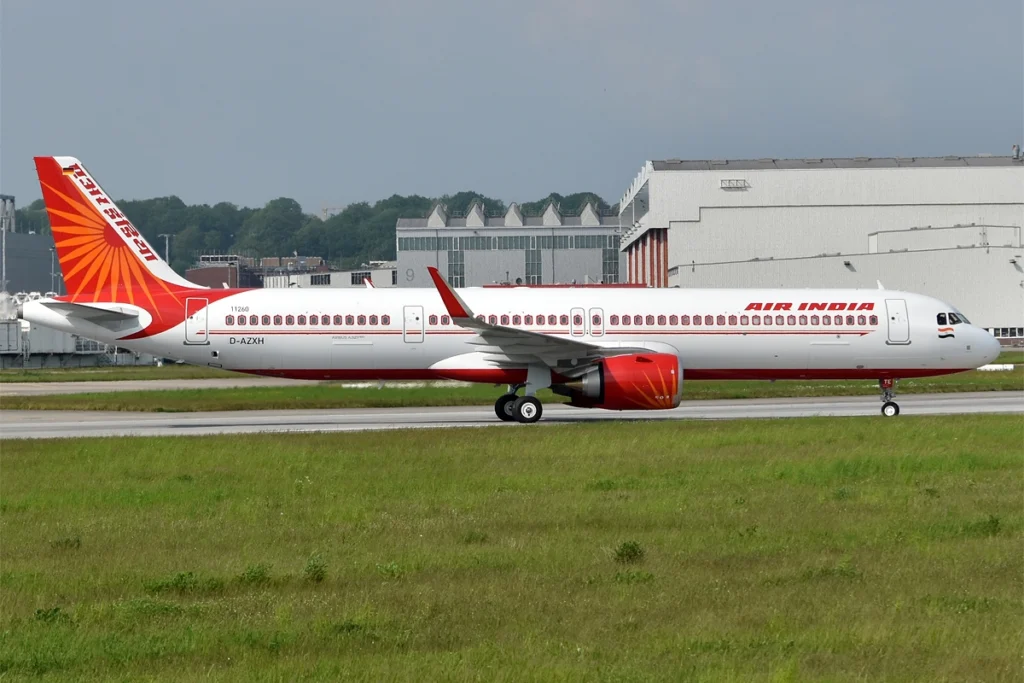
Air India First Officer Dies at Bali
The First Officer reportedly experienced severe discomfort at his hotel in Bali while on scheduled crew rest following the Delhi to Bali flight operated on Wednesday.
Hotel staff and fellow crew members immediately rushed him to a nearby hospital after his condition worsened.
Medical teams at the hospital diagnosed the pilot with a heart attack. Despite sustained efforts by doctors, the First Officer could not be revived. The airline has not disclosed the pilot’s identity.
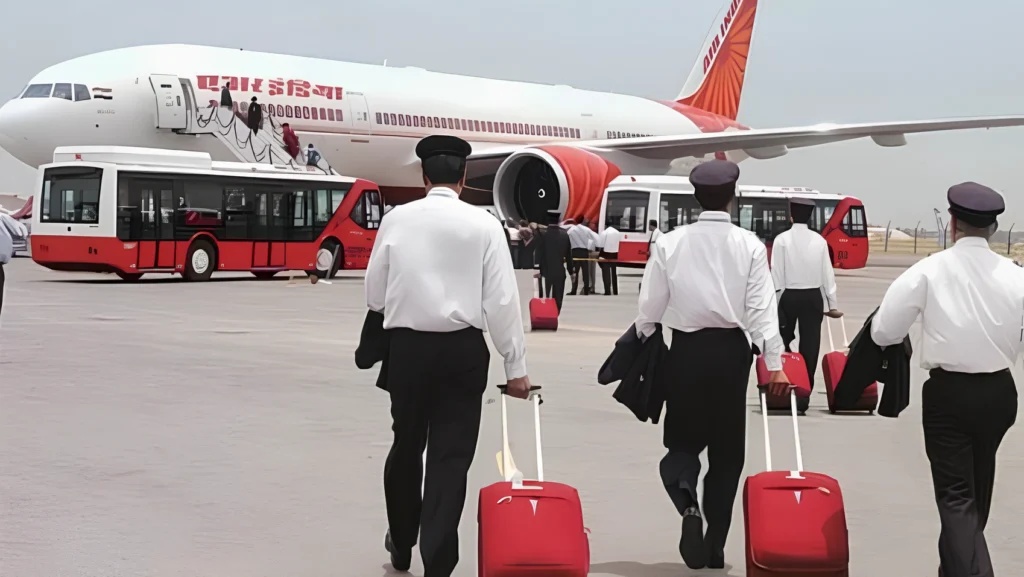
No Pre-Existing Medical Condition on Record
According to official sources, the deceased pilot had completed all regulatory medical examinations in compliance with the Directorate General of Civil Aviation (DGCA) requirements. His Class I medical certificate, mandatory for all commercial pilots in India, was valid at the time of the incident.
Sources further confirmed that the First Officer had been operating well within the flying-hours limitations prescribed by the DGCA. There was no known pre-existing medical condition that could have indicated a risk of cardiac failure.
Air India acknowledged the incident and said it is providing full assistance to the bereaved family. The airline reiterated that the safety, health, and well-being of its passengers and crew remain its highest priority. Further details regarding the circumstances of the pilot’s death are awaited.

Similar Incident
Air India Express (IX) pilot Captain Armaan suffered a fatal cardiac arrest at Indira Gandhi International Airport (DEL) on April 9, 2025, shortly after operating a flight from Srinagar International Airport (SXR) to Delhi.
The airline confirmed the pilot was rushed to a nearby hospital but was pronounced dead on arrival.
The Tata-owned low-cost carrier expressed deep regret over the loss and confirmed it is providing full support to Captain Armaan’s family. The incident has raised renewed concerns about pilot health monitoring practices across the Indian aviation industry.
Air India Express Captain Suffers Fatal Cardiac Arrest After Landing in Delhi
Captain Armaan completed Air India Express (IX) flight operations from Srinagar (SXR) to Delhi (DEL) without any reported issues during the flight. However, after landing at Indira Gandhi International Airport, the pilot vomited inside the aircraft, showing the first signs of medical distress.
The captain then proceeded to the Air India Express dispatch office at IGI Airport, where he collapsed and suffered cardiac arrest. Medical personnel responded immediately and transported him to a nearby hospital. Despite prompt medical intervention, resuscitation efforts were unsuccessful, and Captain Armaan was declared dead on arrival.
The sudden nature of the incident has deeply affected the airline’s crew members and the broader aviation community in India.

Air India Express Issues Official Statement
Air India Express released an official statement through Hindu BusinessLine expressing grief over the loss.
The airline spokesperson stated that the carrier deeply regrets the loss of a valued colleague due to a medical condition and that its thoughts remain with the family during this difficult period.
The airline confirmed it is cooperating with authorities during standard investigative procedures that follow such incidents. Air India Express also requested privacy for Captain Armaan’s family and urged the public to avoid speculation while formal processes are underway.
Pilot Health Monitoring in Indian Aviation
This incident highlights the critical importance of regular health screenings for commercial airline pilots. Aviation professionals operate under unique occupational stresses, including irregular schedules, cabin pressure changes, and high levels of mental concentration during flight operations.
India’s Directorate General of Civil Aviation (DGCA) mandates periodic medical examinations for all commercial pilots to ensure they meet the physical and mental fitness requirements for flight operations. These medical assessments include cardiovascular evaluations, neurological screenings, and overall health checks at intervals determined by the pilot’s age and type of license held.
Industry experts note that while in-flight or post-flight medical emergencies among pilots remain rare, they underscore the need for airlines to maintain comprehensive health management systems.
Most carriers follow strict health monitoring protocols and keep contingency plans in place for medical emergencies involving operational crew members. The aviation community continues to advocate for enhanced cardiac screening methods to detect underlying conditions that standard medical exams may not catch.
Stay tuned with us. Further, follow us on social media for the latest updates.
Join us on Telegram Group for the Latest Aviation Updates. Subsequently, follow us on Google News
