

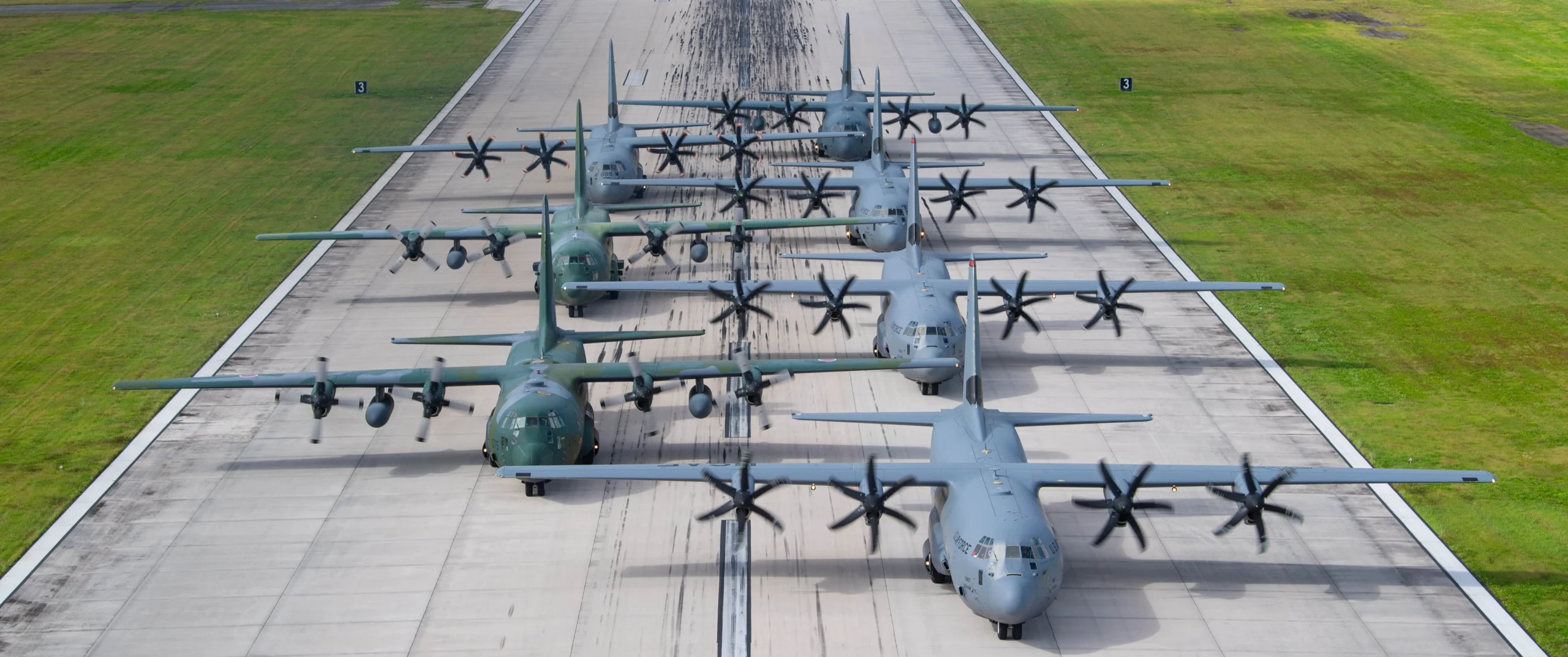
WASHINGTON- The United States Air Force (USAF) has intensified its focus on combat readiness, aircraft availability, and modernization as operational demands continue across multiple regions. Air Force Chief of Staff Gen. Kenneth S. Wilsbach said sustained investments in spare parts and maintenance have kept frontline aircraft mission-ready despite heavy deployments.
Speaking after the Global Air and Space Chiefs Conference in London, Wilsbach outlined priorities that include strengthening air base defense, improving the availability of aircraft such as the F-35 Lightning II, and accelerating modernization programs that span bombers, fighters, tankers, and future combat systems.
Combat Operations Drive Readiness Priorities
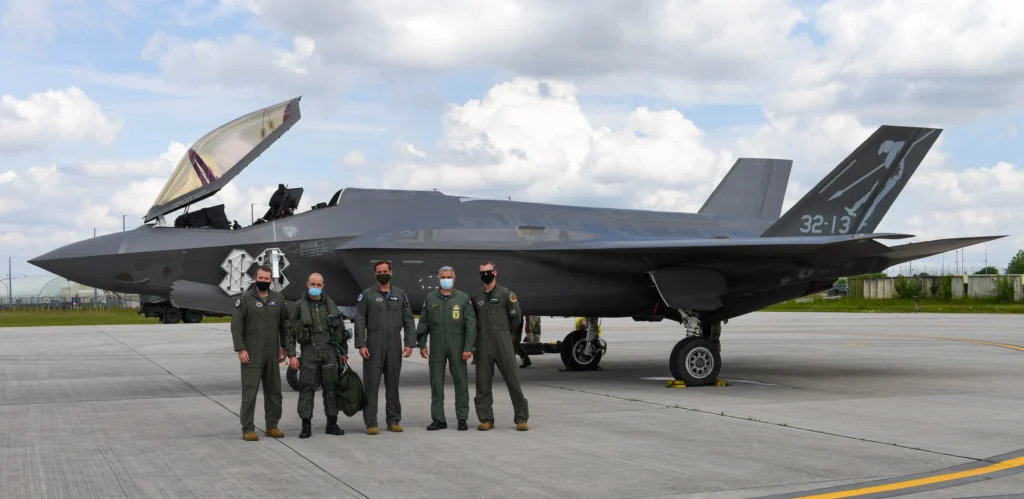
Since becoming Chief of Staff in November 2025, Wilsbach introduced the motto “Fly and Fix,” emphasizing that aircraft must remain available for combat whenever required, Air and Space Forces reported.
Over the past several months, the Air Force has supported continuous operations across multiple theaters, including missions in the Western Pacific, Western Hemisphere, and the large-scale air campaign against Iran.
According to Wilsbach, deployed aircraft have maintained high readiness because the Air Force prioritized spare parts and forward sustainment rather than allowing maintenance delays that would reduce fleet availability.
He noted that aircraft were kept flying because they were needed for operational missions rather than remaining grounded while waiting for components.
F-35 Parts Availability Remains a Key Challenge
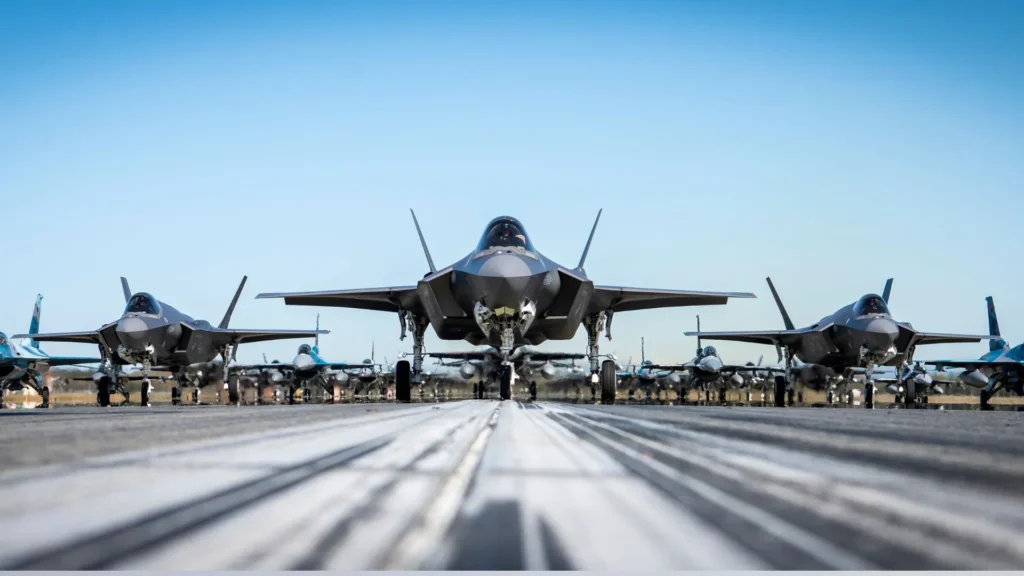
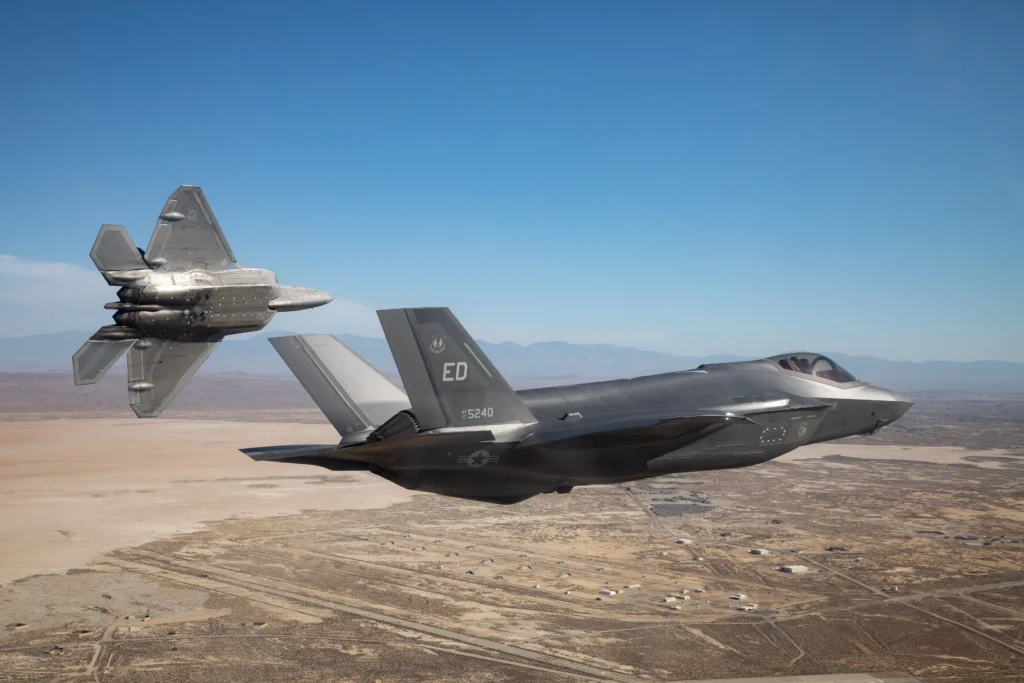
While praising the combat performance of the F-35 Lightning II, Wilsbach acknowledged that maintenance challenges continue, largely due to shortages of replacement parts rather than a lack of maintenance personnel.
He explained that aircraft often become unavailable when replacement components are not immediately available on base. Ordering those parts after an aircraft lands can delay repairs by several days.
To address the issue, the Air Force has increased purchases of spare components and stocked them closer to operational units.
According to Wilsbach, maintaining inventories of critical parts allows maintainers to return aircraft to service much faster, significantly improving mission readiness. He also pointed to successful combat operations involving both U.S. and Israeli F-35 fleets as evidence of the aircraft’s effectiveness when properly supported.
Air Base Defense Takes on Greater Importance
Recent missile and drone attacks have prompted the Air Force to strengthen defenses at its operating bases.
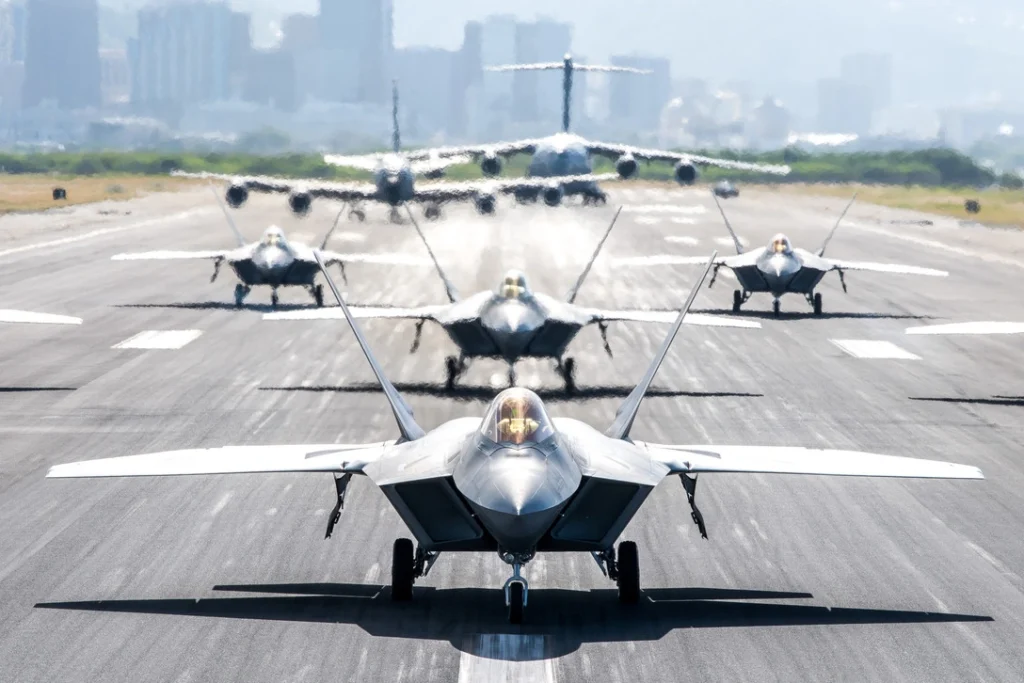
Wilsbach said future conflicts are unlikely to allow hundreds of aircraft to operate safely from a single large installation, as occurred during Operation Desert Storm. Modern long-range missile threats require aircraft to disperse across multiple locations under the Air Force’s Agile Combat Employment concept.
To improve protection, the Air Force is developing a new career field dedicated specifically to defending air bases against drone attacks and other emerging threats.
The service is also investing in practical, lower-cost defensive measures such as protective nets over aircraft shelters while continuing to pursue active counter-drone capabilities.
Wilsbach emphasized that intercepting hostile drones before they reach valuable aircraft remains the preferred solution whenever possible.
Major Modernization Programs Continue
Despite operating the oldest and smallest Air Force in its history, Wilsbach said the service is simultaneously undertaking one of its largest modernization efforts.
Current priorities include introducing the B-21 Raider, T-7 Red Hawk, KC-46 Pegasus, F-47, Collaborative Combat Aircraft (CCA), Sentinel missile modernization, upgrades to existing F-22 Raptor and F-35 fleets, and continued improvements to the B-52 bomber.
The Air Force also plans to acquire E-7 airborne battle management aircraft while expanding its weapons inventory and strengthening capabilities to counter future threats.
Regarding the B-21 Raider, Wilsbach suggested the planned purchase of 100 aircraft may not represent the final total. However, he stressed that any additional production would need to avoid lengthy delivery timelines that could reduce the aircraft’s long-term effectiveness.
Funding Remains Critical
Wilsbach said modernization and readiness depend heavily on stable funding.
He advocated multi-year procurement contracts for both aircraft and weapons, arguing they would give defense manufacturers greater confidence to expand production capacity while reducing overall costs.
He also warned that insufficient funding could force difficult trade-offs between modernization and operational readiness, limiting the Air Force’s ability to meet future mission requirements.
Leadership, Fitness and Operational Experience
Beyond aircraft and infrastructure, Wilsbach is also working to strengthen the Air Force’s culture.
He emphasized the importance of physical fitness, discipline, and operational credibility among senior leaders, arguing that commanders who continue flying gain firsthand understanding of aircraft operations and maintenance challenges.
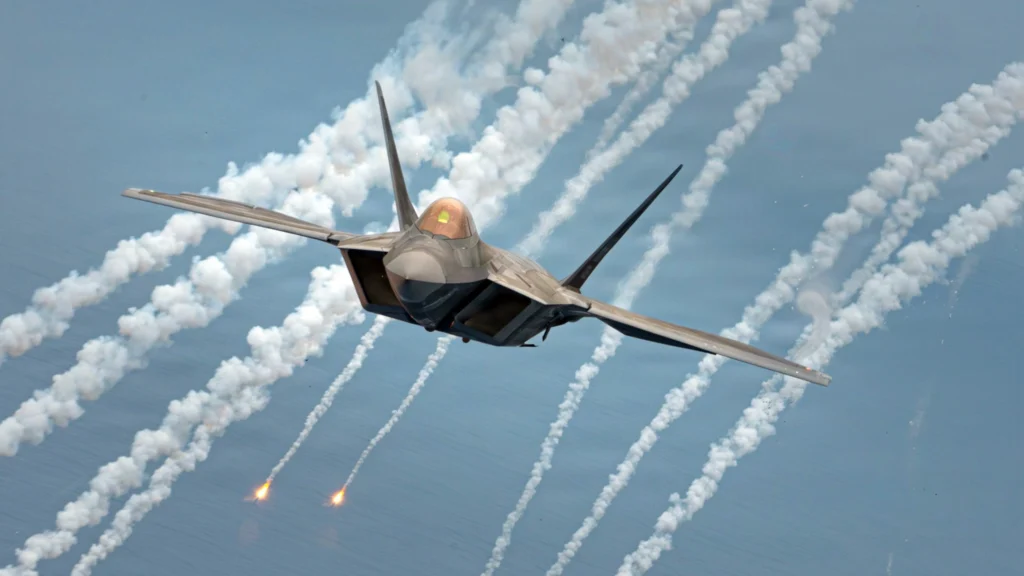
One example came during an F-22 flight, when Wilsbach discovered maintenance crews repeatedly transferring a scarce component between aircraft due to supply shortages.
After returning to the Pentagon, he directed the purchase of additional components to reduce maintenance workload and increase aircraft availability.
According to Wilsbach, improving readiness ultimately comes down to one principle: ensuring aircraft spend less time in maintenance and more time performing operational missions.
Stay tuned with us. Further, follow us on social media for the latest updates.
Join us on Telegram Group for the Latest Aviation Updates. Subsequently, follow us on Google News
