

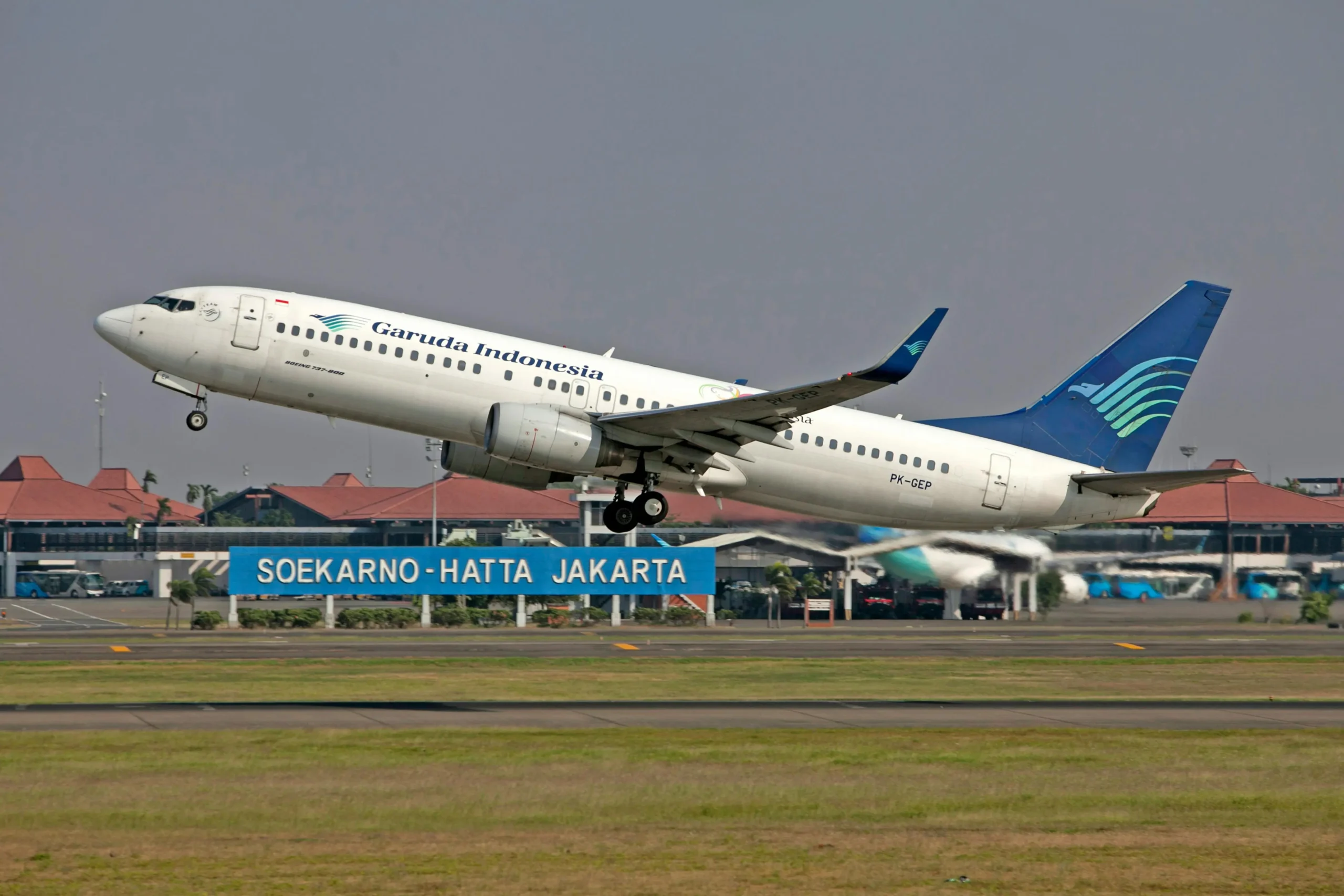
WASHINGTON– The governments of Washington and Jakarta have formalized a sweeping Agreement of Reciprocal Trade that reshapes tariff structures and industrial cooperation between the two nations. As part of the deal, Indonesia committed to purchasing 50 aircraft from Boeing, marking a significant aviation component within a broader economic framework.
The agreement, signed on February 20, 2026, seeks to rebalance trade flows between Indonesia and the United States. While Indonesian exports to the U.S. will now face a 19 percent tariff, lower than the previous 32 percent rate imposed under former U.S. President Donald Trump, Jakarta secured zero percent tariffs across 1,819 product lines and advanced key aviation procurement plans involving Boeing.
Indonesia Plans Boeing Aircraft
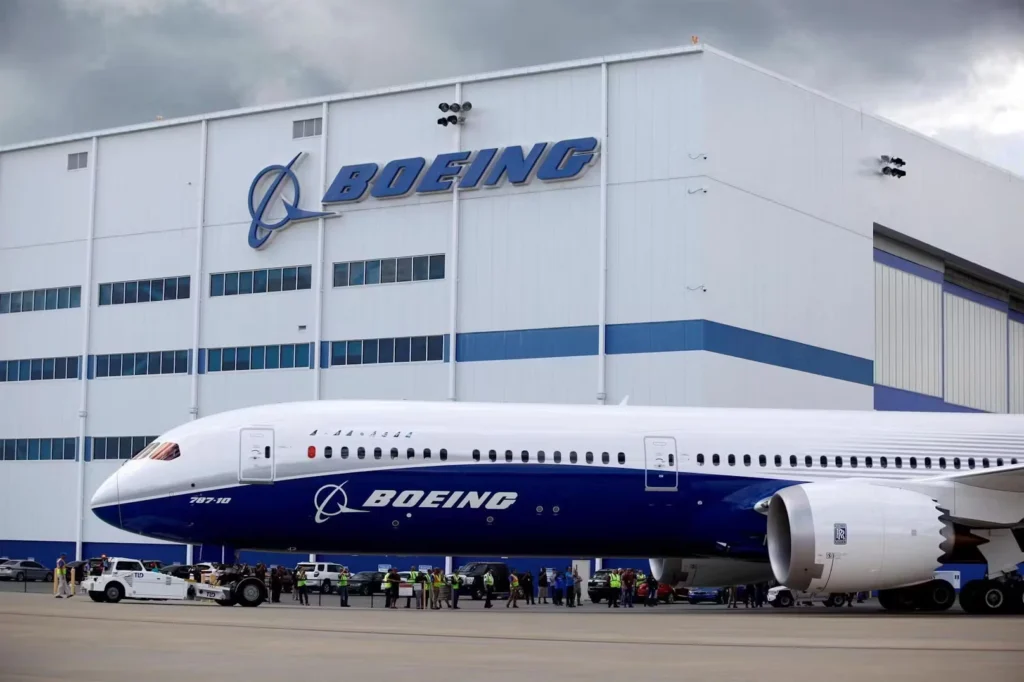
Indonesia’s commitment to acquire 50 aircraft from Boeing represents one of the most prominent industrial outcomes of the new trade arrangement. The procurement forms part of broader investment and trade-balancing measures agreed under the reciprocal framework.
The aircraft purchase aligns with Indonesia’s long-term aviation growth strategy, as the country continues to expand domestic and regional connectivity.
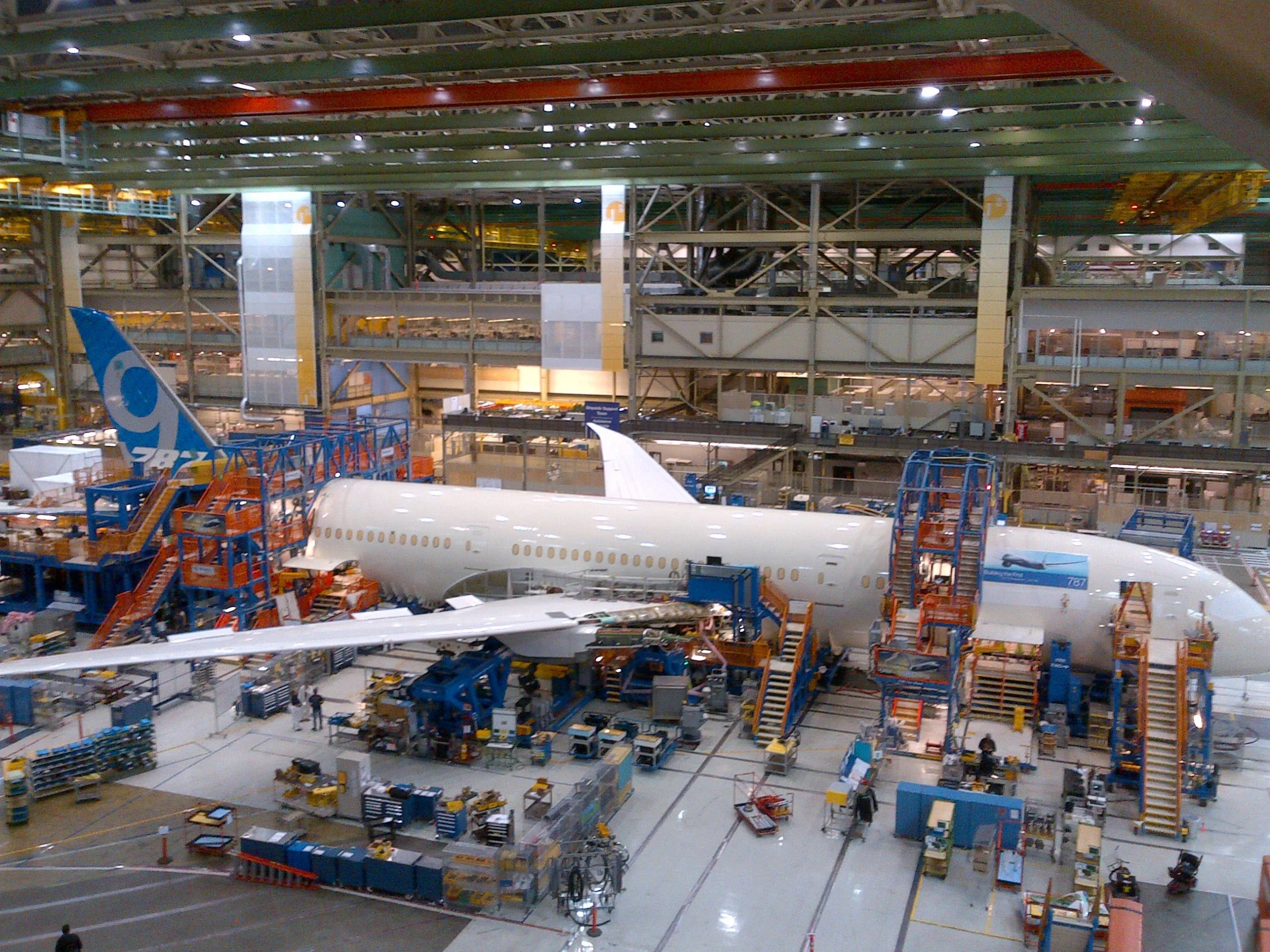
Although officials have not publicly specified the aircraft types, Boeing’s narrowbody 737 MAX family and widebody 787 Dreamliner remain the manufacturer’s most commercially active programs for Southeast Asian carriers.
Minister of Investment Rosan Perkasa Roeslani confirmed during a virtual press briefing that the transaction would involve coordination between Indonesia’s Investment Ministry and sovereign investment entities.
The purchase is positioned not merely as fleet expansion, but as part of a macroeconomic strategy tied to tariff negotiations.
For Boeing, the agreement signals renewed commercial traction in Southeast Asia, a region projected to require thousands of new aircraft over the next two decades due to rising passenger demand and fleet modernization needs.
Tariff Adjustments Explained
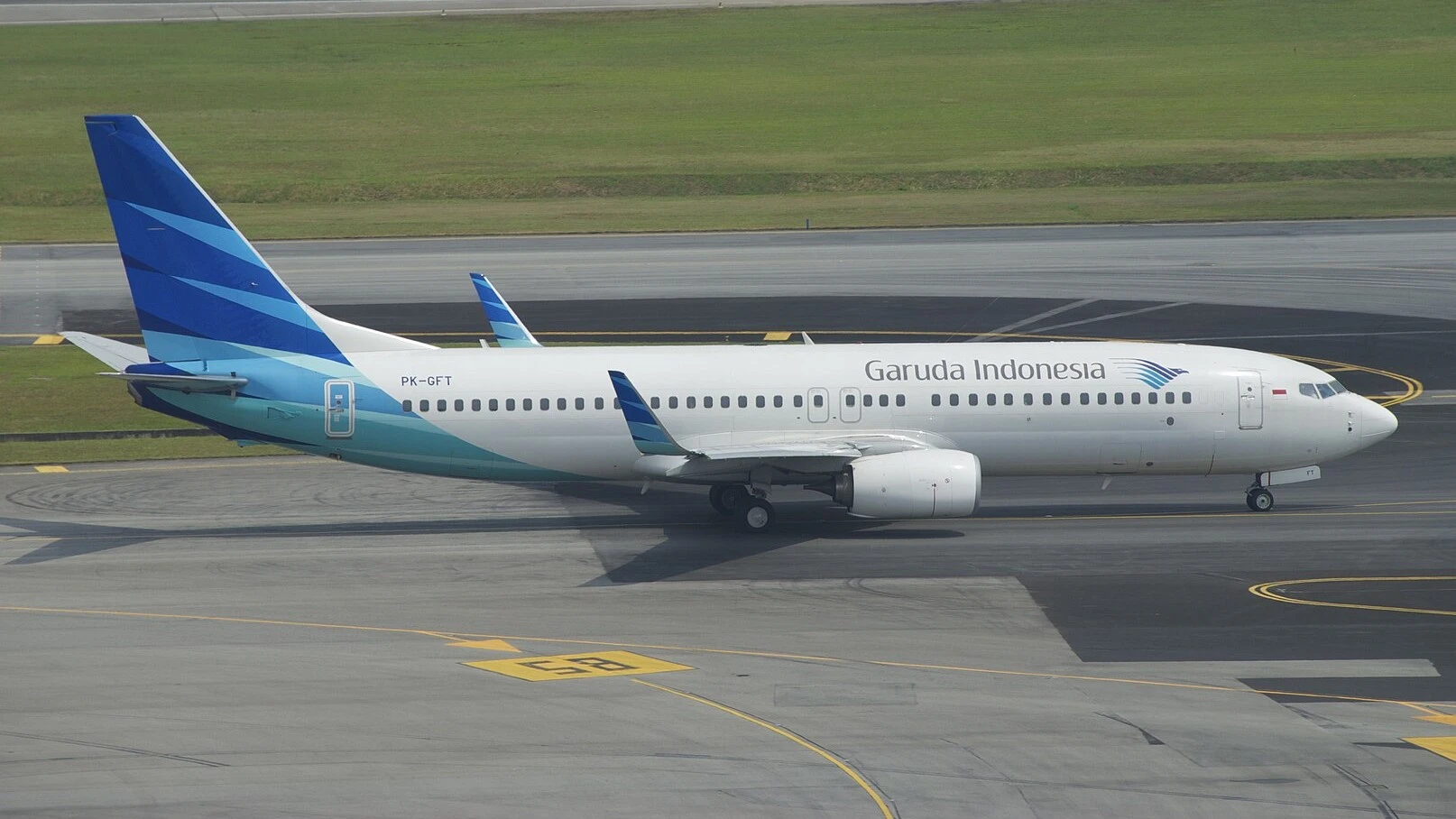
Under the reciprocal trade framework, Indonesian exports entering the United States will now be subject to a 19 percent tariff. This replaces the earlier 32 percent rate introduced during previous trade tensions, reported Tempo English.
Despite the increase relative to zero-duty access, Indonesia secured zero percent tariffs for 1,819 specific tariff lines. These exemptions are expected to support key sectors and maintain export competitiveness in selected product categories.
The agreement also includes agricultural and food policy adjustments. Indonesia will grant zero percent import duties on certain U.S. commodities, including soybeans and wheat, with the stated objective of lowering domestic production costs for staple food products.
Market Access Commitments
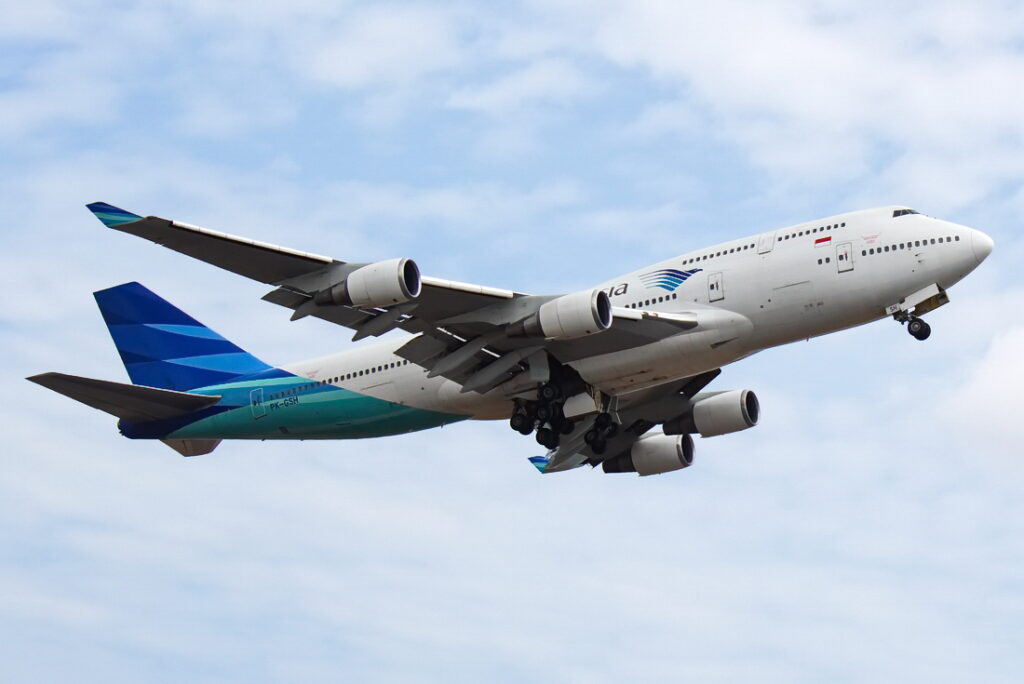
Beyond aviation and tariffs, the agreement contains provisions on market liberalization and regulatory adjustments. Indonesia agreed to provide non-discriminatory market access for U.S. agricultural exports and to align certain domestic standards with international norms.
The deal includes measures related to halal certification processes. U.S. halal certification agencies recognized by Indonesia’s national authority will be permitted to certify products for export without additional domestic requirements.
Indonesia also committed to opening imports of shredded used clothing from the United States, a clause that reflects expanded market access provisions under the agreement.
The aviation component, particularly the Boeing aircraft order, remains the most visible industrial headline. Aircraft procurement often plays a pivotal role in bilateral trade negotiations, given the high capital value and long production timelines associated with commercial jets.
Bottom Line
As Southeast Asia continues to record strong passenger growth, fleet expansion and modernization remain central to Indonesia’s aviation trajectory.
The 50-aircraft commitment underscores how aviation diplomacy increasingly intersects with broader geopolitical and economic negotiations.
Stay tuned with us. Further, follow us on social media for the latest updates.
Join us on Telegram Group for the Latest Aviation Updates. Subsequently, follow us on Google News
