

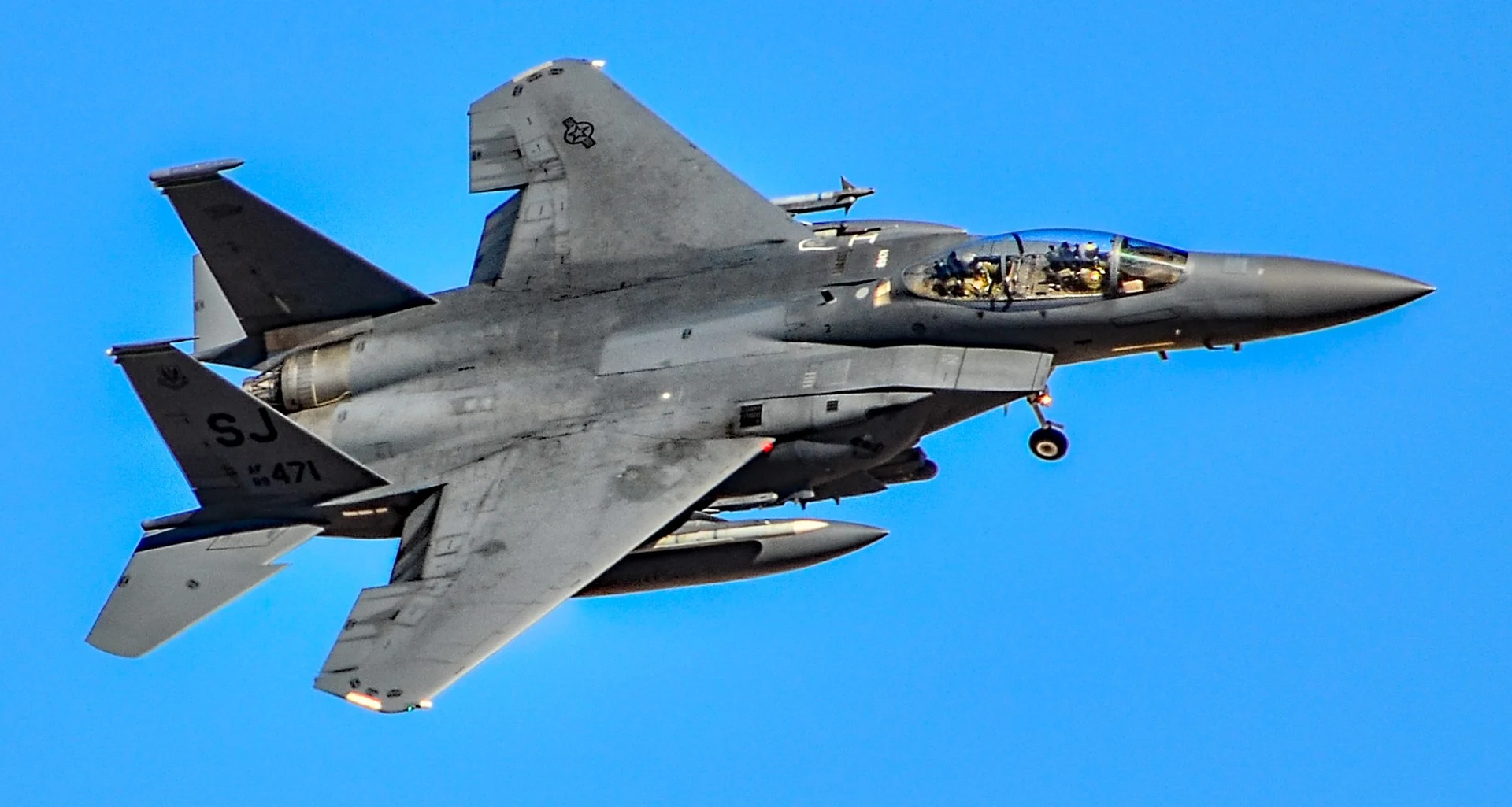
SINGAPORE- Indonesia has officially ended plans to acquire Boeing’s F-15EX fighters after nearly two years of stalled negotiations under the Foreign Military Sales framework.
Garuda Indonesia (GA) continues expanding regional connectivity while Jakarta modernizes defense capabilities centered around Soekarno-Hatta International Airport, Jakarta (CGK).
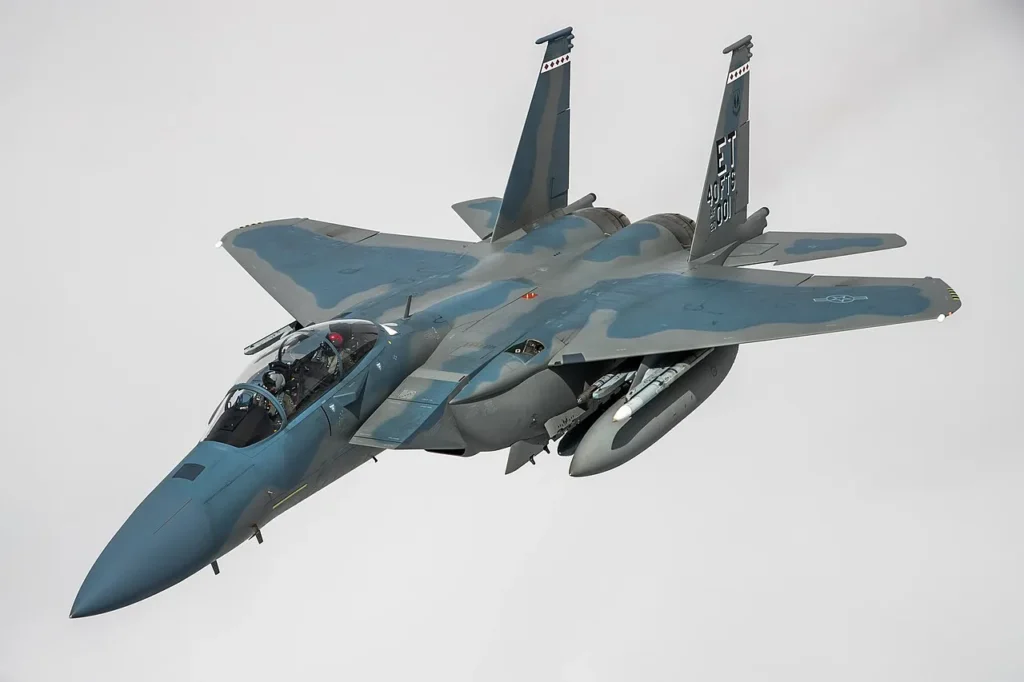
Indonesia Cancels F-15 Deal
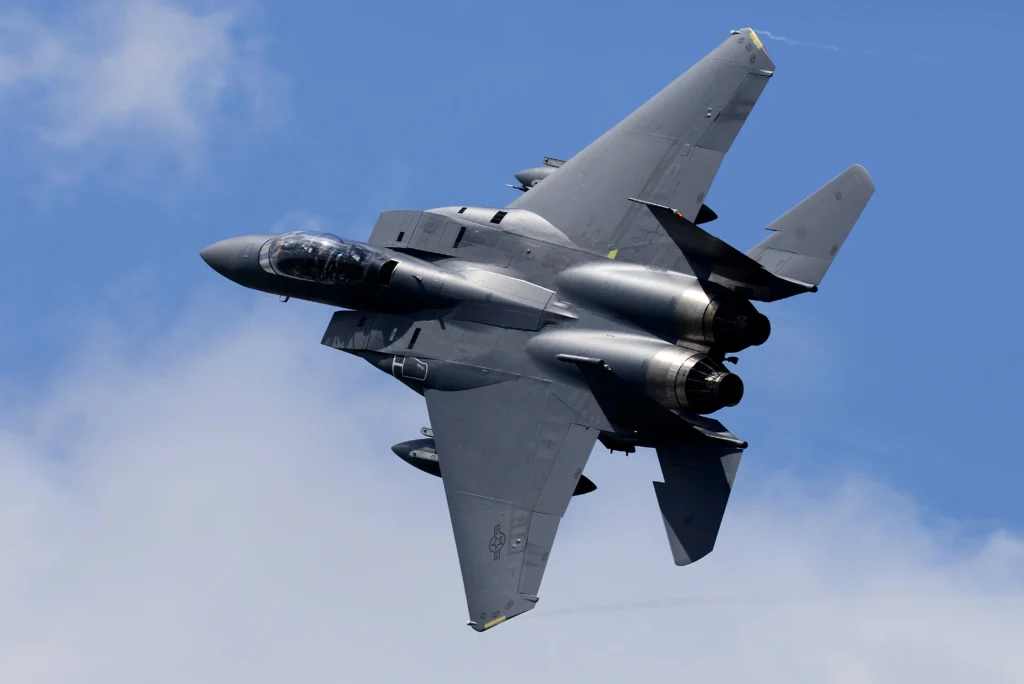
Boeing confirmed at the Singapore Airshow that Indonesia is no longer pursuing the F-15EX Eagle II fighter. The aircraft had previously been offered in an export variant known first as the F-15ID and later as the F-15IND.
The U.S. State Department approved the potential sale in February 2022, and Indonesia formally committed in August 2023 to purchase up to 24 aircraft. A memorandum of understanding was signed in St. Louis, home of Boeing’s F-15 production line, signaling what appeared to be a final agreement.
However, negotiations failed to progress into a finalized contract. Boeing declined to state reasons, referring questions to the Indonesian and U.S. governments involved in the FMS process.
Possible factors include costs, delivery timelines, and Indonesia’s growing commitments to other fighter programs. No official explanation has been issued.
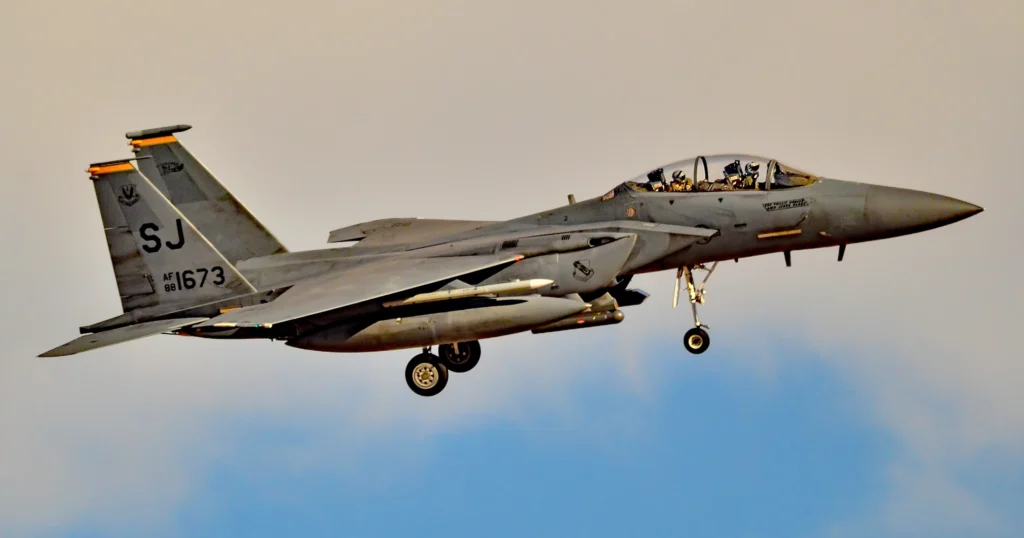
Rafale Deliveries Strengthen Indonesia’s Air Power
Indonesia previously ordered 42 Dassault Rafale multirole fighters from France, with deliveries already underway. These aircraft now form the backbone of Indonesia’s modernization plan.
The Rafale acquisition likely reduced urgency for adding another heavy fighter type like the F-15EX, which would have increased maintenance, training, and operational expenses.
Operating multiple advanced fighter types significantly raises logistics and support costs. Defense planners often aim to limit fleet diversity to control long-term spending, TWZ reported.
Current Indonesian Fighter Fleet Composition
The Indonesian Air Force maintains a mixed fleet combining Western and Russian-built aircraft.
Key assets include:
• F-16A/B Block 15 OCU fighters delivered from 1989 onward
• Upgraded F-16C/D aircraft acquired later
• Russian-made Su-27 and Su-30 fighters delivered between 2003 and 2008
However, sanctions related to Russia’s invasion of Ukraine have complicated maintenance and support for Russian aircraft, creating operational challenges.
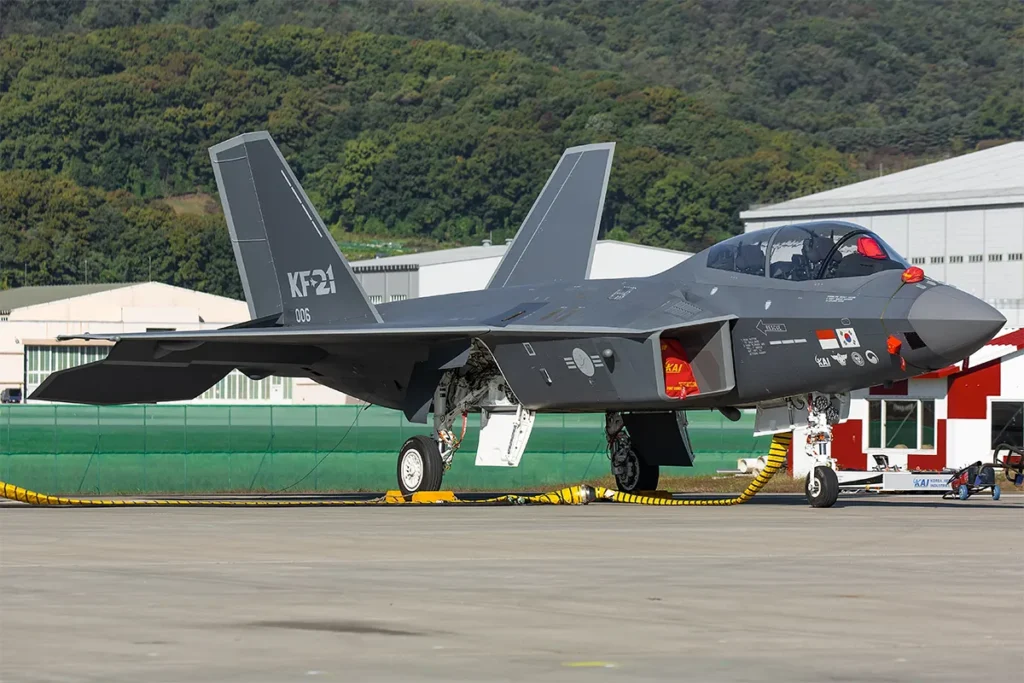
KF-21 Program Could Replace Future Heavy Fighter Needs
Indonesia remains a partner in South Korea’s KF-21 Boramae fighter development program, holding a 20 percent stake through PT Dirgantara Indonesia.
The country is expected to procure around 50 KF-21 aircraft eventually. Financial delays in meeting payment commitments have previously raised doubts, but renewed participation could reduce the need for additional Western fighter purchases.
Supporting Rafales, KF-21s, and legacy fighters simultaneously would demand major budget allocations, making fleet consolidation likely.
Training Fleet Modernization With M-346 Selection
At the Singapore Airshow, Leonardo signed a letter of intent with Indonesian authorities and PT ESystem Solutions Indonesia to supply M-346F Block 20 aircraft.
The M-346 platform will replace aging trainers such as the Hawk and support both advanced training and light combat roles. The move aligns with Indonesia’s long-term fleet modernization strategy.
Boeing’s Position After Indonesia’s Withdrawal
While Indonesia’s decision represents a setback, Boeing continues to see strong demand for the F-15EX elsewhere.
Recent developments include:
• Israel ordering 25 F-15IA fighters based on the F-15EX design
• South Korea is receiving upgrades for its F-15K fleet through 2037
• Potential future interest from Poland
• U.S. Air Force expanding its F-15EX fleet from 98 to 129 aircraft under future budget plans
Production is ramping toward 24 aircraft annually after recent delays temporarily halted deliveries.
Boeing also continues defense cooperation with Indonesia through programs such as AH-64 Apache helicopters.
Strategic Impact on Southeast Asian Air Power
Despite canceling the F-15EX purchase, Indonesia is still building one of Southeast Asia’s most capable air forces.
Rafale deliveries, KF-21 participation, and trainer modernization indicate a long-term strategy focused on sustainable capability growth rather than rapid fleet expansion.
Indonesia’s defense modernization continues, but with a clearer emphasis on cost control and operational efficiency.
Stay tuned with us. Further, follow us on social media for the latest updates.
Join us on Telegram Group for the Latest Aviation Updates. Subsequently, follow us on Google News
