

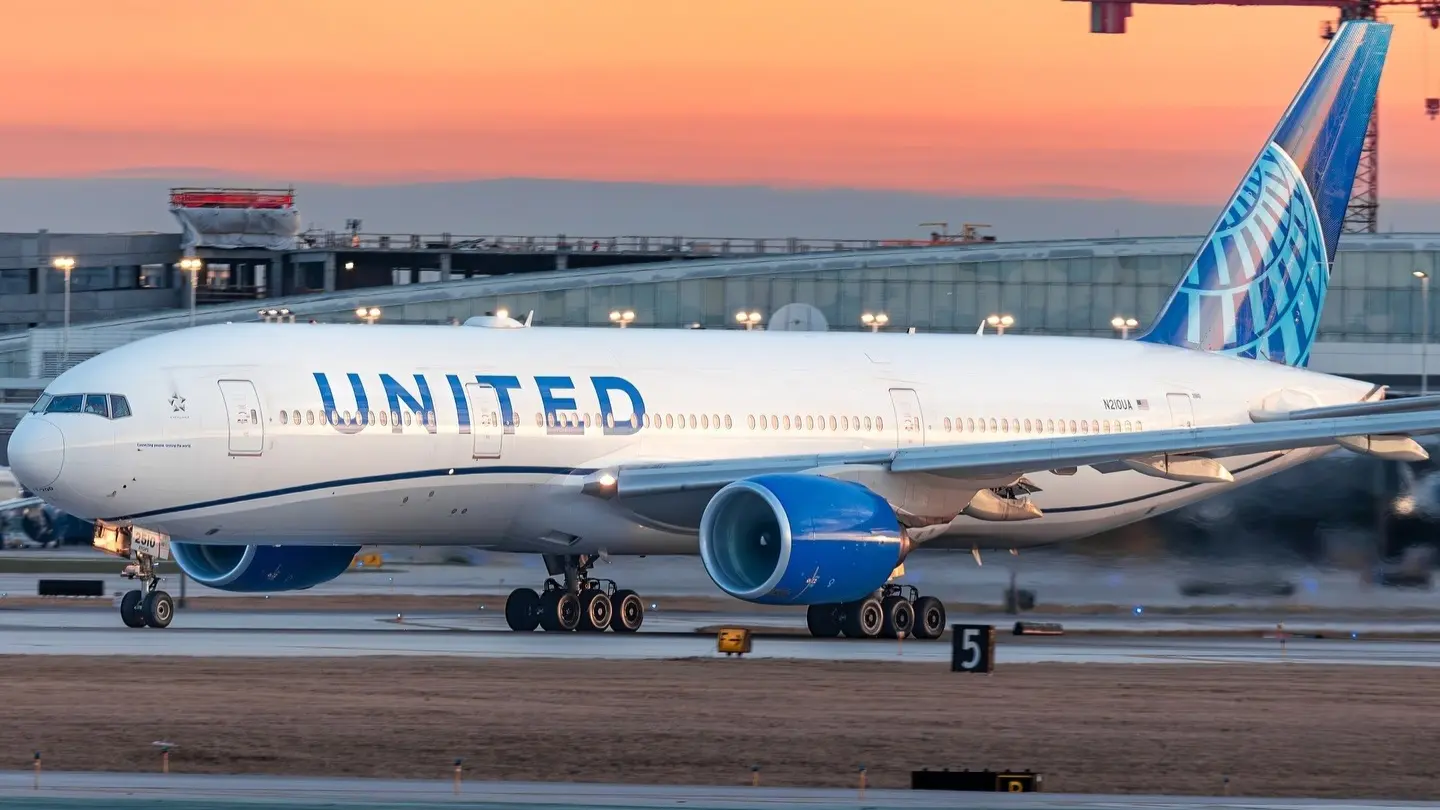
SAN FRANCISCO- United Express flight UA5899, operated by SkyWest Airlines (OO), performed a go-around at San Francisco International Airport (SFO) after pilots questioned runway clearance during landing.
The aircraft, arriving from Reno-Tahoe International Airport (RNO), later landed safely, though the incident triggered debate after a firm response from air traffic control.

United Pilot and ATC Clash at SFO
The incident occurred shortly after noon on January 29, 2026, when a SkyWest-operated Bombardier CRJ-700 flying as United Express approached San Francisco after a short flight from Reno.
During the final approach, the flight crew executed a go-around, a normal safety maneuver used when landing conditions appear uncertain or unsafe. Air traffic control then requested the reason, which is routine procedure following such events.
The pilot reported that the tail of a United Airlines Boeing 777-200ER waiting for departure on parallel runway 28R appeared to extend beyond the hold short line. These markings ensure aircraft remain clear of protected runway areas during landing operations.
However, the tower controller responded immediately, stating the aircraft was properly positioned and not beyond the hold line, before instructing the flight to contact departure control.
The regional jet then re-entered the arrival sequence and landed safely at approximately 12:22 PM, completing the flight in about 67 minutes, OMAAT reported.
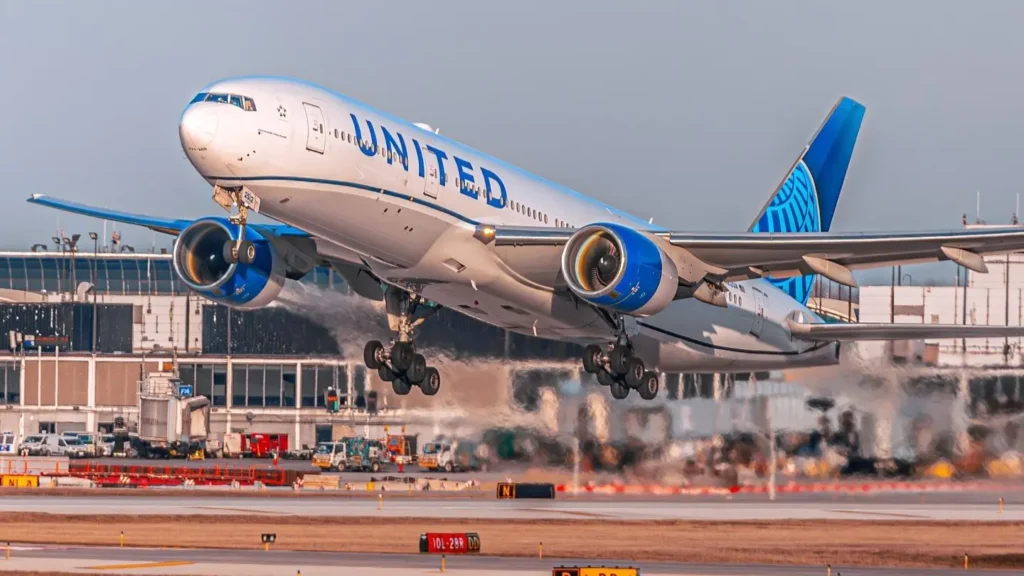
Why Go Around? Decisions Happen Frequently
Go-around procedures exist to preserve safety margins whenever crews observe potential conflicts or unstable approach conditions. Airlines and regulators encourage pilots to act conservatively when uncertainty arises.
Cockpit views differ from tower perspectives. Aircraft positioning, taxi movement, or visual angles can create short-lived uncertainty during approach, especially at airports with closely spaced parallel runways like SFO.
Controllers use visual observation along with surface radar to confirm aircraft locations. However, an aircraft may move between the moment pilots observe a concern and when controllers review the scene, leading to differing assessments.
Such disagreements are rare but not unusual in busy airspace environments.
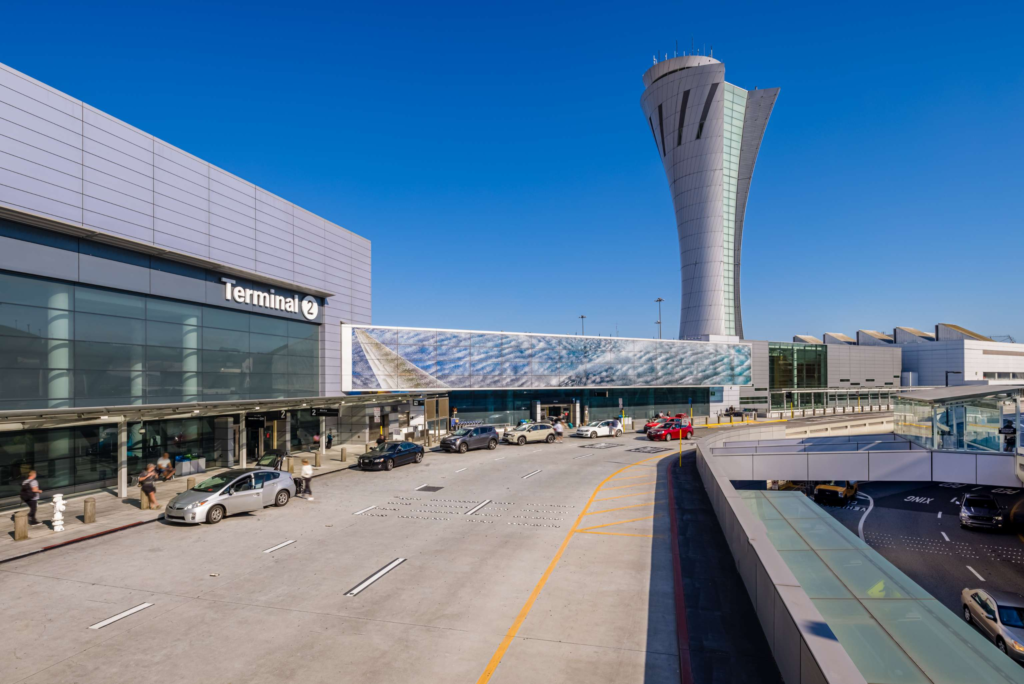
Communication Under High Traffic Conditions
Recordings gained attention because both sides spoke with confidence. Aviation communication is designed to be direct and brief, which can sometimes sound abrupt during heavy traffic periods.
Pilots are trained to prioritize safety over schedule pressure, while controllers must maintain orderly runway operations. Differences in perspective do not automatically imply error on either side.
Publicly available recordings do not conclusively establish which assessment was correct, but procedures worked as intended, resulting in a safe outcome.
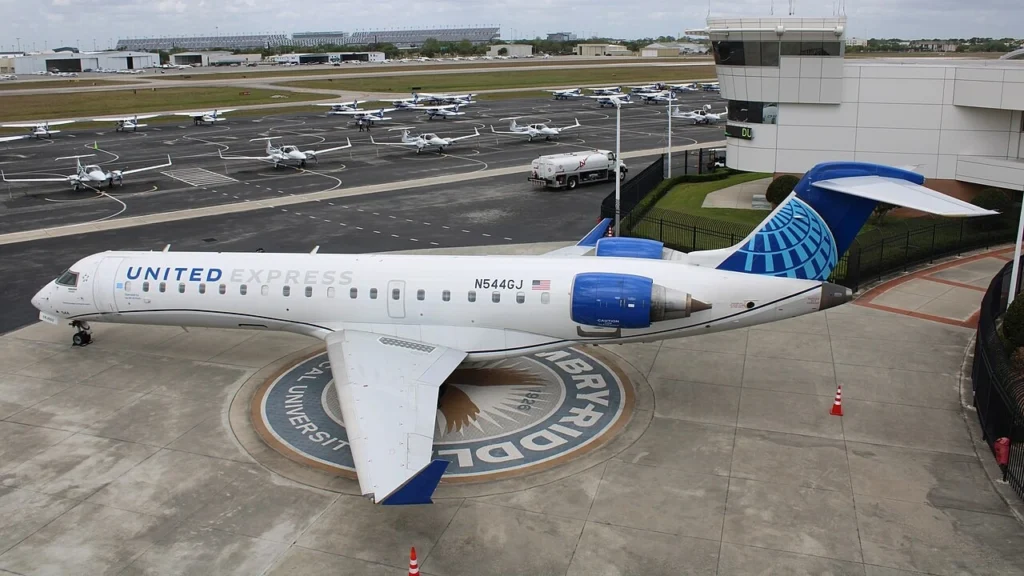
Operational Lessons from the Event
The incident highlights several operational realities at major airports:
• Pilots can discontinue landings whenever risk is perceived.
• Controllers verify runway safety through visual and radar tools.
• Parallel runway operations require strict hold short compliance.
• Clear communication remains essential during peak traffic flows.
Despite disagreement over the cause, safety protocols ensured a normal conclusion to the flight.
Stay tuned with us. Further, follow us on social media for the latest updates.
Join us on Telegram Group for the Latest Aviation Updates. Subsequently, follow us on Google News
