


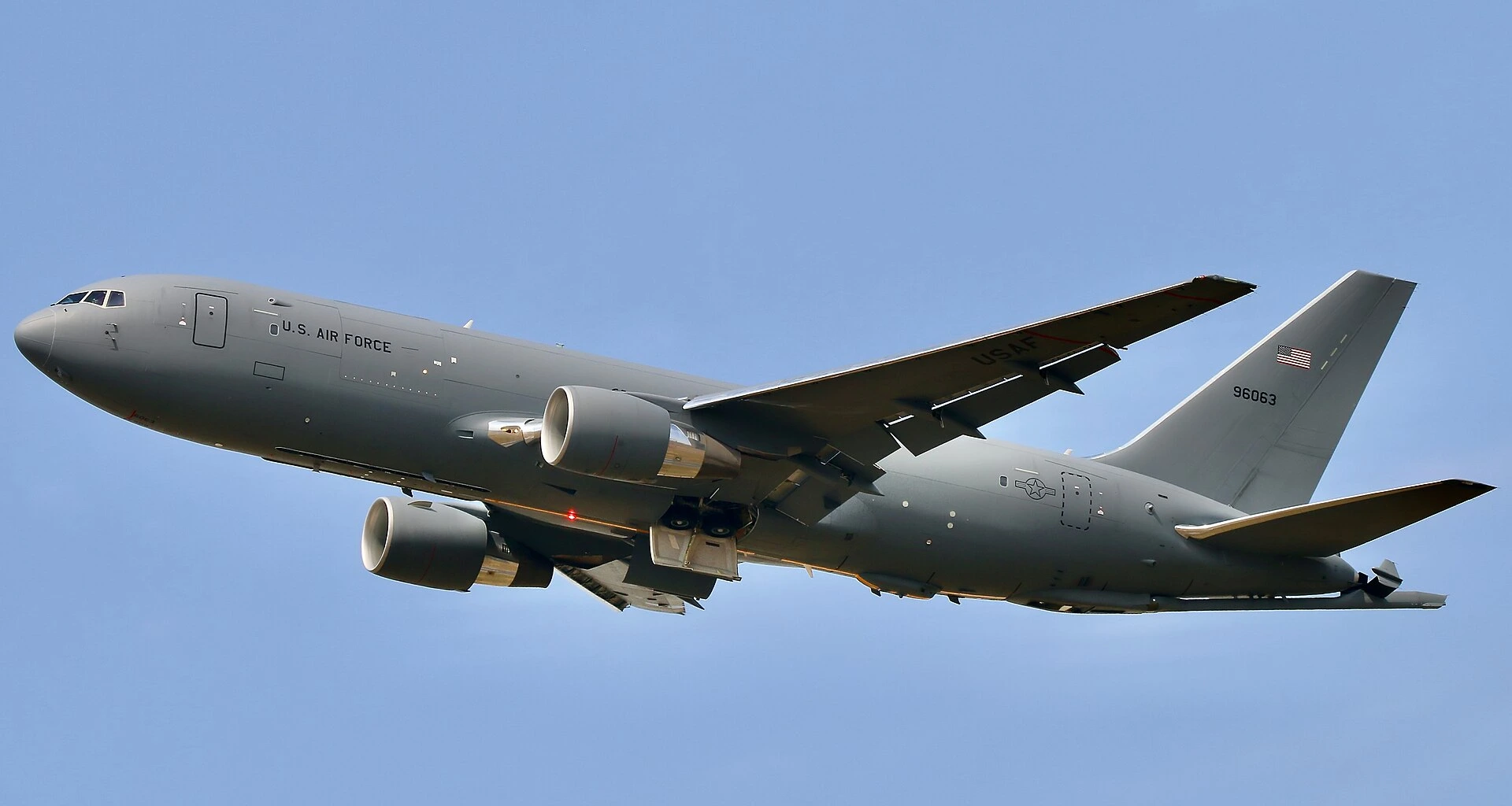
WASHINGTON- Boeing confirmed a fresh financial setback on the KC-46 Pegasus tanker program after reporting a $565 million loss during the fourth quarter of 2025. The charge reflects ongoing pressure on one of the US Air Force’s most closely watched defense aviation programs, produced at Everett near Paine Field (PAE).
The loss was disclosed during Boeing’s quarterly earnings call, with senior leadership pointing to rising production and supply chain costs tied to the 767-based airframe. Boeing’s defense operations framed the development as a near-term challenge rather than a long-term reversal for the tanker program.
KC-46 Program Losses
The KC-46 Pegasus has accumulated more than $8 billion in losses since development began, largely due to fixed-price contract terms that shifted cost risk to Boeing.
The latest $565 million charge adds to a long list of financial adjustments tied to manufacturing complexity, quality improvements, and supplier cost escalation.
Boeing stated that higher production support expenses at its Everett facility were a major driver of the latest loss.
Executives emphasized that most of the cost increase stemmed from the underlying 767 airframe rather than tanker-specific systems, limiting spillover effects on other defense programs.
Air Force Orders
Despite the financial hit, Boeing highlighted improving operational performance of the KC-46 fleet as a key positive indicator.
Chief executive Kelly Ortberg said sustained performance gains could help the company meet delivery commitments and position the aircraft well for future procurement beyond the current program of record.
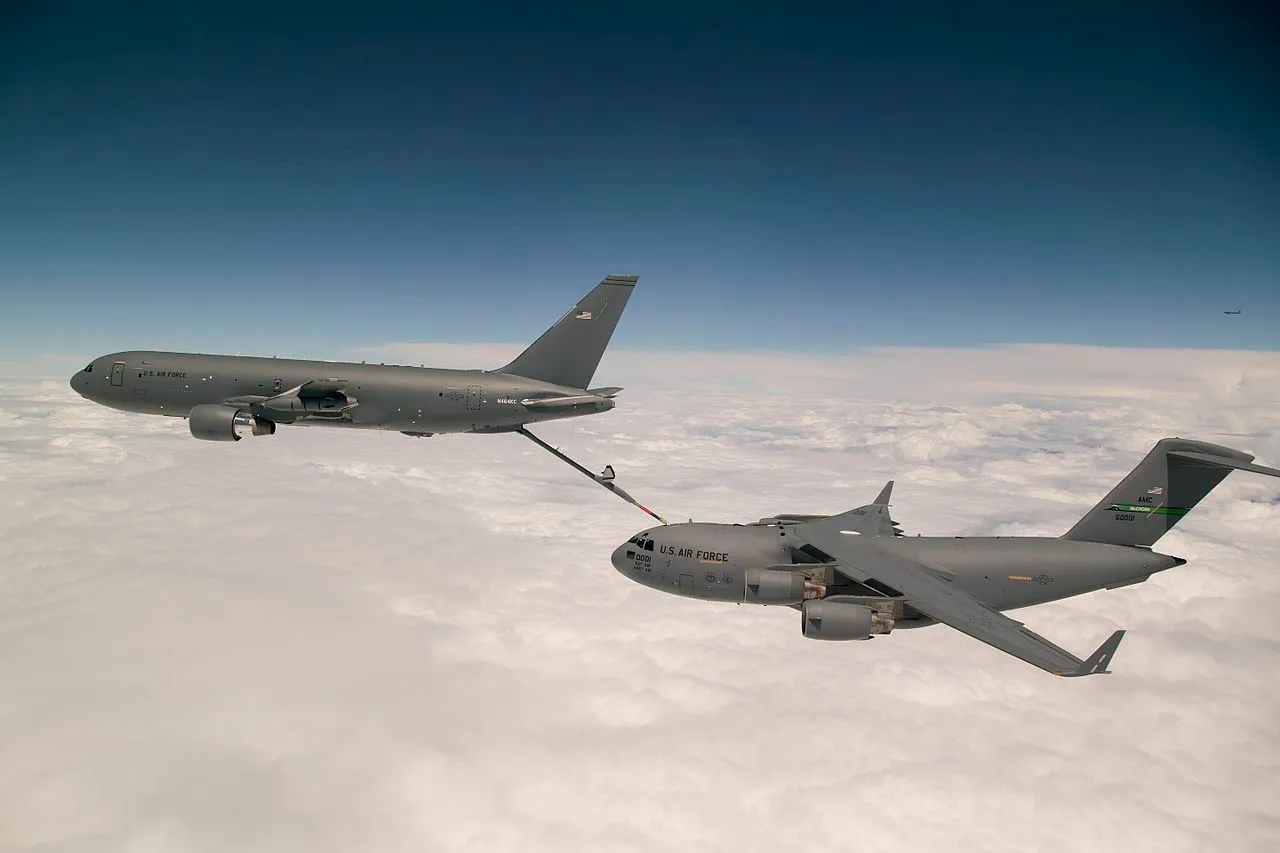
The US Air Force recently ordered 15 additional KC-46 aircraft, contributing to $15 billion in total orders reported by Boeing Defense, Space and Security during the quarter.
The Air Force has opted to continue buying the KC-46 on a sole-source basis until a next-generation tanker becomes available, reinforcing the aircraft’s strategic role despite its troubled cost history.
Everett Production Costs
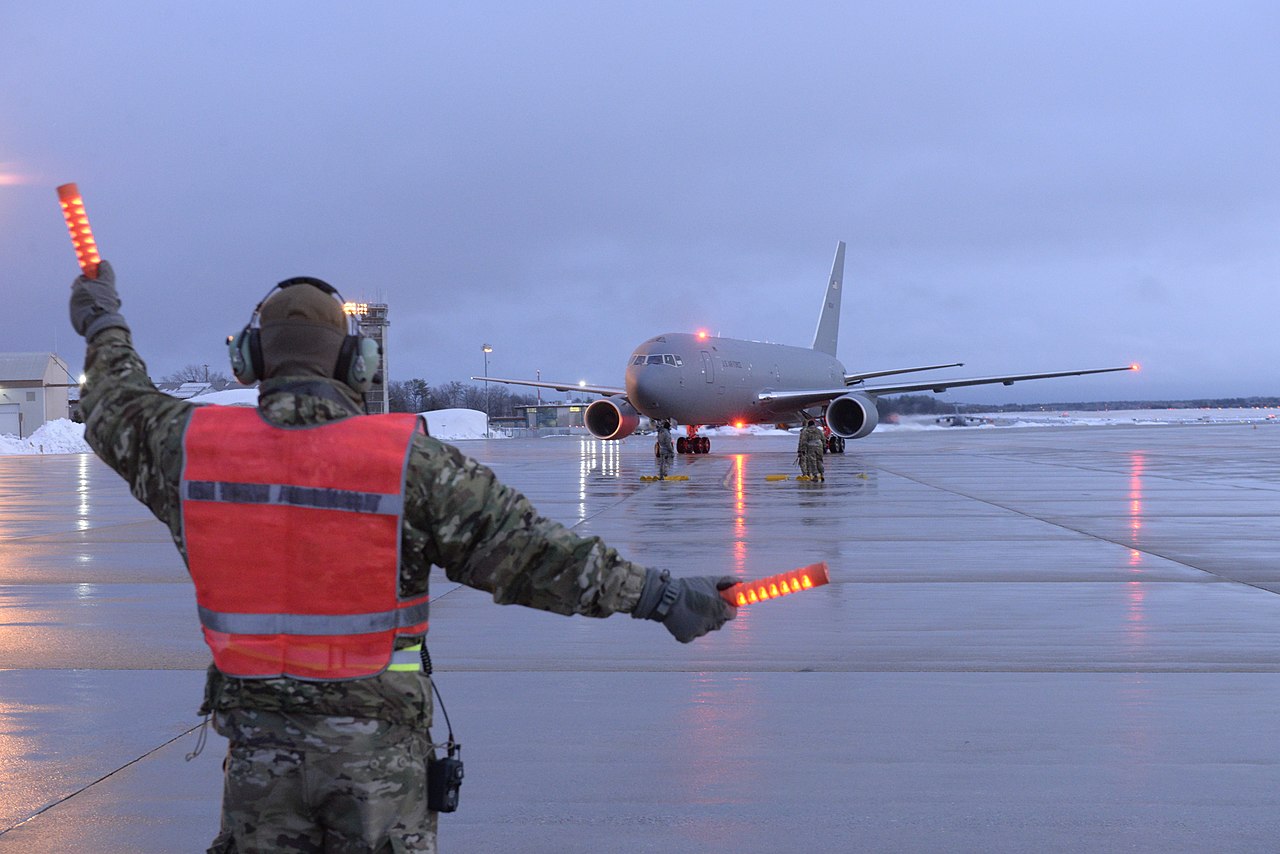
Boeing’s leadership acknowledged that maintaining quality and delivery reliability requires continued investment at the Everett production line.
Chief financial officer Jay Malave noted that enhanced engineering oversight and manufacturing discipline reduced rework by roughly 20 percent in the second half of 2025.
These improvements come at a cost, as Boeing continues to fund higher staffing levels and production support longer than originally planned. Executives described the approach as necessary to meet strict Pentagon delivery expectations and stabilize output as the program matures.
Ortberg said the company accepted the latest charge to protect future delivery schedules, including a target of 19 KC-46 deliveries in the coming year.
Boeing expects to gain clearer visibility on pricing for follow-on KC-46 orders later this year, when it will have the opportunity to reprice the aircraft after a decade of losses.
Bottom Line
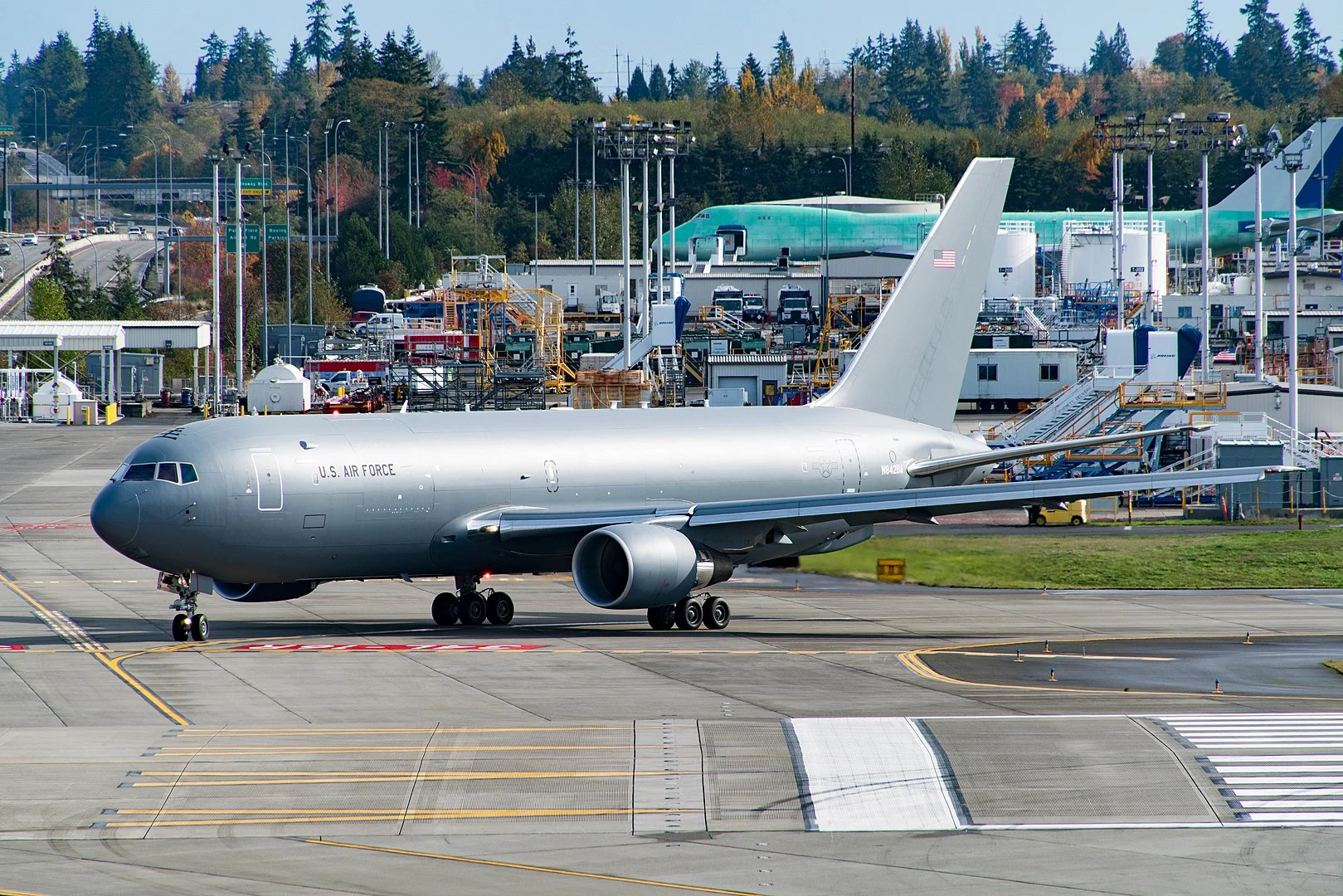
The KC-46 Pegasus remains a financial burden for Boeing, but one the company believes is nearing a turning point.
With additional Air Force orders secured and production quality showing measurable gains, Boeing is positioning the next phase of the tanker program around tighter cost control, repricing, and improved execution.
Stay tuned with us. Further, follow us on social media for the latest updates.
Join us on Telegram Group for the Latest Aviation Updates. Subsequently, follow us on Google News
