

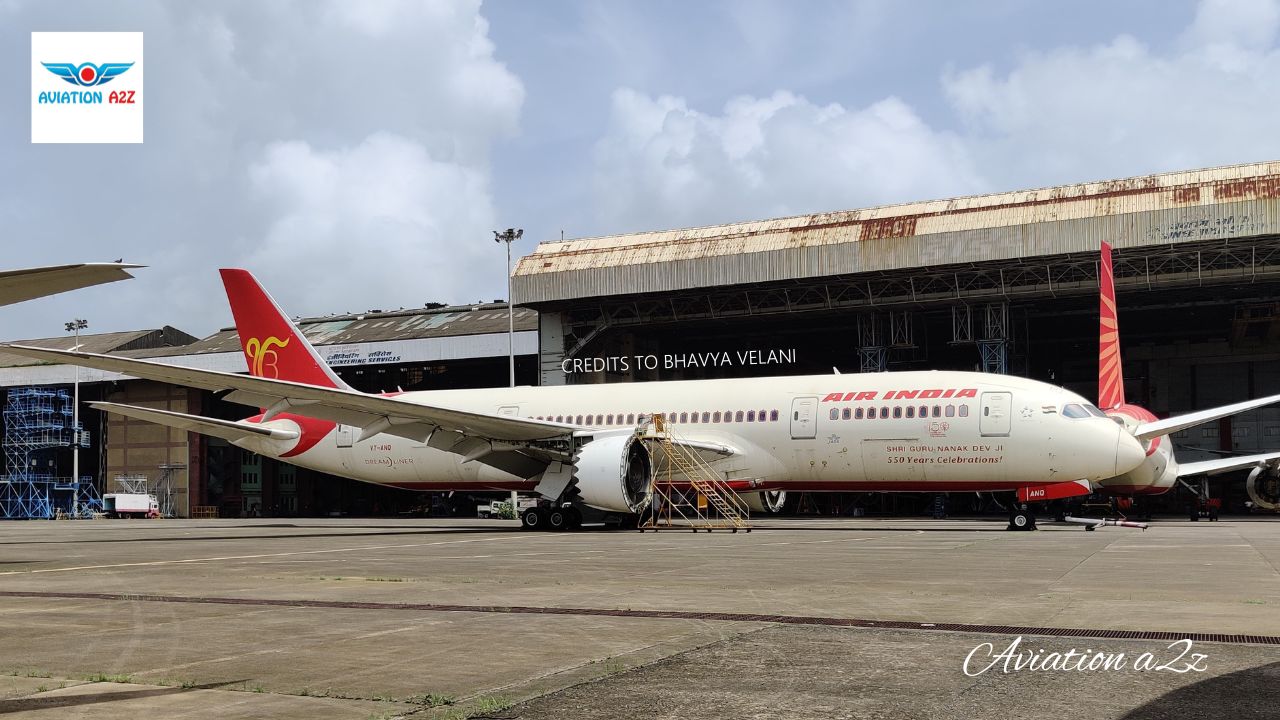
GURUGRAM- Tata Group-owned Air India (AI) is carrying out phased modifications to parts of its Boeing 787 Dreamliner fleet after the US Federal Aviation Administration (FAA) issued an airworthiness directive concerning door assist handles. The changes do not affect current flight operations or aircraft safety.
The directive applies to certain Boeing 787-8, 787-9, and 787-10 aircraft. Air India (AI), which operates 35 Boeing 787 Dreamliners across its network from major hubs including Delhi Indira Gandhi Airport (DEL) and Mumbai Chhatrapati Shivaji Maharaj International Airport (BOM), has already completed modifications on some aircraft.
Air India Begins Boeing 787 Safety Modifications
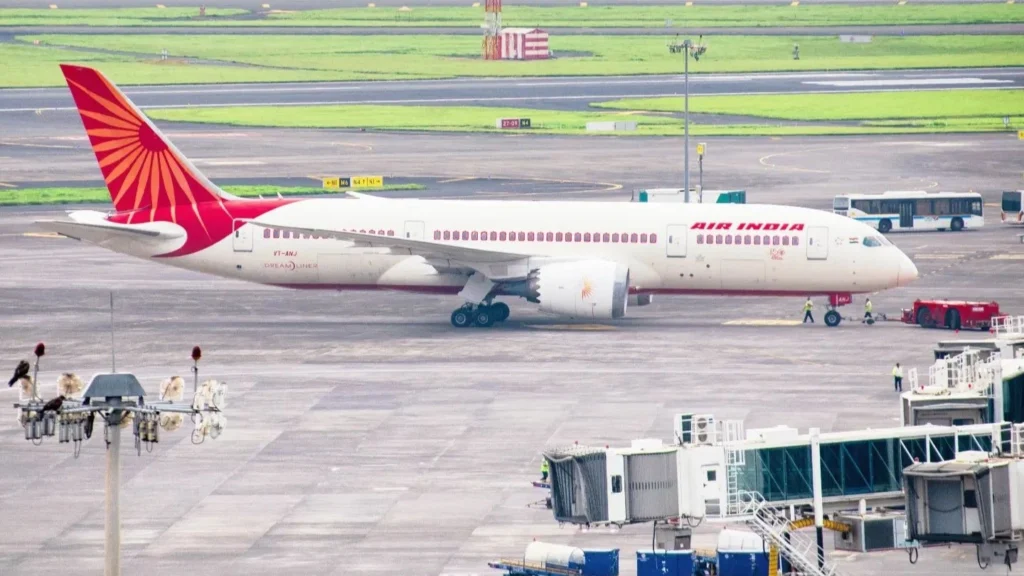
Air India is implementing modifications on selected Boeing 787 Dreamliners following an airworthiness directive issued by the US Federal Aviation Administration. The directive was introduced after reports that door assist handles on certain Boeing 787 aircraft became detached from their lower attachment point during pre-flight inspections.
According to the FAA, the detached handles could create a risk of injury to passengers, cabin crew, or maintenance personnel while opening aircraft doors. The regulator also warned that the issue could delay evacuation during a time-sensitive emergency if the door mechanism is affected.
Sources familiar with the matter told PTI that Air India has acknowledged the directive and confirmed that there is no impact on the airline’s ongoing operations or flight safety. The required modifications are being completed in phases across the affected fleet.
Some of the airline’s legacy Boeing 787-8 aircraft have already undergone the necessary work. The total number of Air India Dreamliners requiring the modification has not been disclosed.
Neither Air India nor Boeing issued an official statement regarding the ongoing modifications.
FAA Directive Targets Door Assist Handle Issue
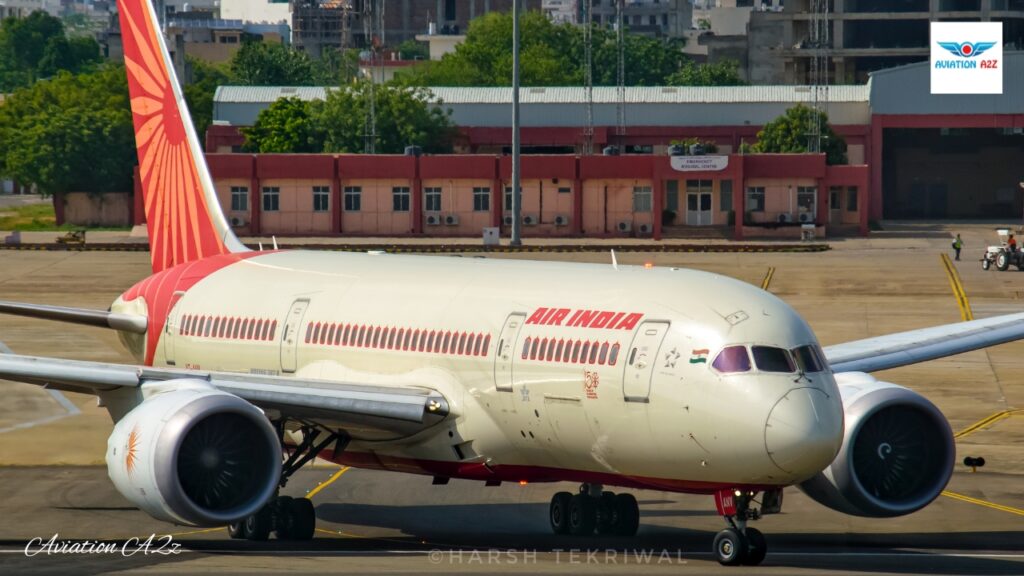
The FAA’s Airworthiness Directive requires operators of affected Boeing 787 aircraft to carry out specific engineering changes designed to prevent door assist handles from becoming detached.
Depending on the aircraft configuration, operators must:
- Install a new retainer above the lower keyway of the support bracket assembly.
- Install a placard or permanently mark certain support bracket assemblies.
- Inspect forward and aft door assist handles.
- Perform corrective actions if defects are identified.
- Reidentify support bracket assemblies on specified aircraft after modifications.
These changes are intended to improve the reliability of the door mechanism and eliminate the possibility of handle separation during normal operation or emergency situations.
The FAA stated that the modifications are necessary to reduce the risk of injuries and ensure that aircraft exits remain fully functional during emergency evacuations.
Air India’s Boeing 787 Fleet
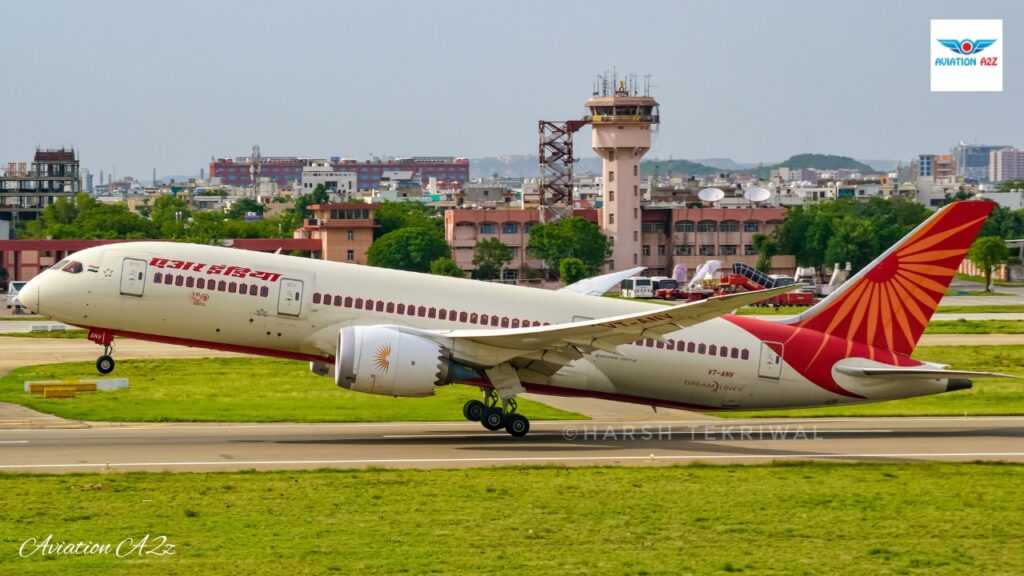
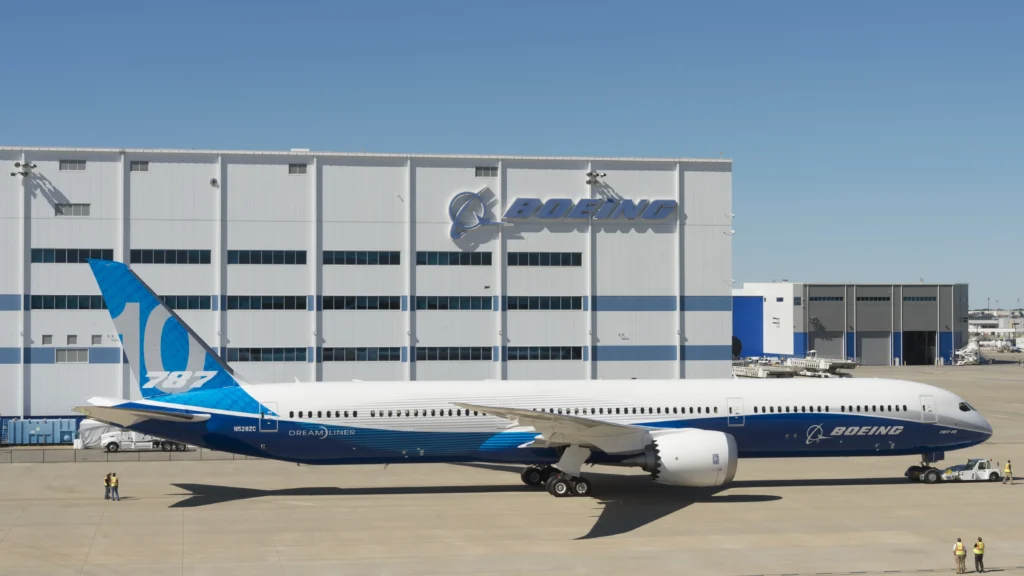
Air India currently operates a fleet of 35 Boeing 787 Dreamliners.
The fleet includes:
| Aircraft Type | Number in Fleet |
|---|---|
| Boeing 787-8 | 26 |
| Boeing 787-9 | 9 |
| Total | 35 |
Among the nine Boeing 787-9 aircraft, three were recently inducted into Air India’s fleet, while six joined the airline following the merger with Vistara.
Overall, Air India operates approximately 185 aircraft, including narrow-body and wide-body types, making it one of India’s largest full-service airlines.
The Boeing 787 family plays a key role in Air India’s long-haul international operations, serving destinations across North America, Europe, Australia, and Asia.
IndiGo Also Operates Boeing 787 Aircraft
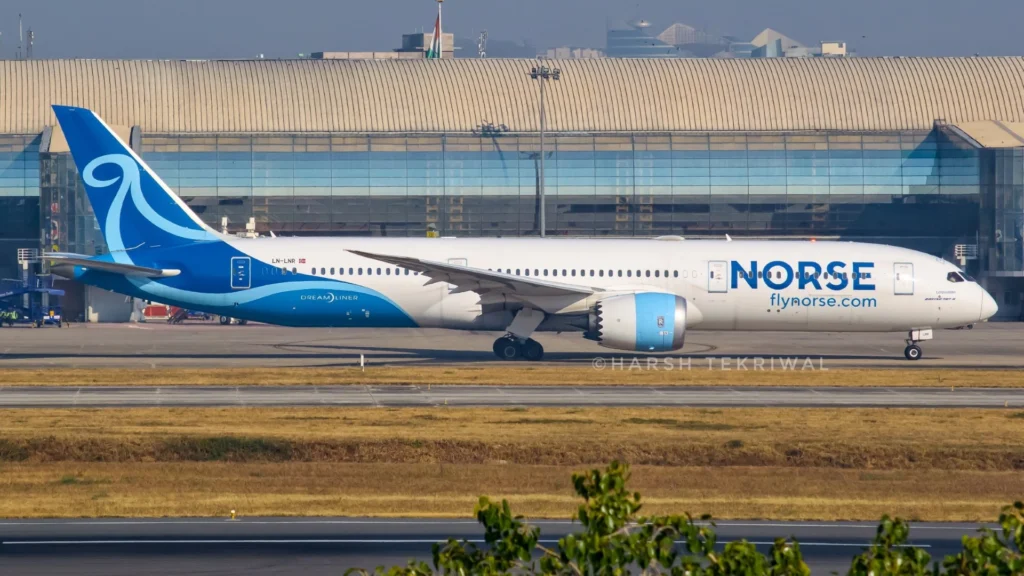
IndiGo (6E) also operates Boeing 787 Dreamliners, although the aircraft are leased from Norwegian carrier Norse Atlantic Airways (N0).
The airline currently uses five Boeing 787 aircraft to expand its long-haul international network while awaiting the delivery of its future widebody fleet.
Like other Boeing 787 operators, IndiGo will be required to comply with applicable FAA airworthiness directives where relevant to the leased aircraft.
Industry-Wide Preventive Action
The FAA’s directive is considered a preventive safety measure rather than a response to an operational emergency. Airworthiness directives are legally enforceable instructions issued when regulators identify a condition that could affect the continued safe operation of an aircraft.
By carrying out the required modifications, airlines ensure continued compliance with international safety standards while maintaining uninterrupted operations.
Air India’s phased implementation reflects the industry’s standard approach to incorporating mandatory engineering updates without disrupting scheduled services.
Stay tuned with us. Further, follow us on social media for the latest updates.
Join us on Telegram Group for the Latest Aviation Updates. Subsequently, follow us on Google News
