

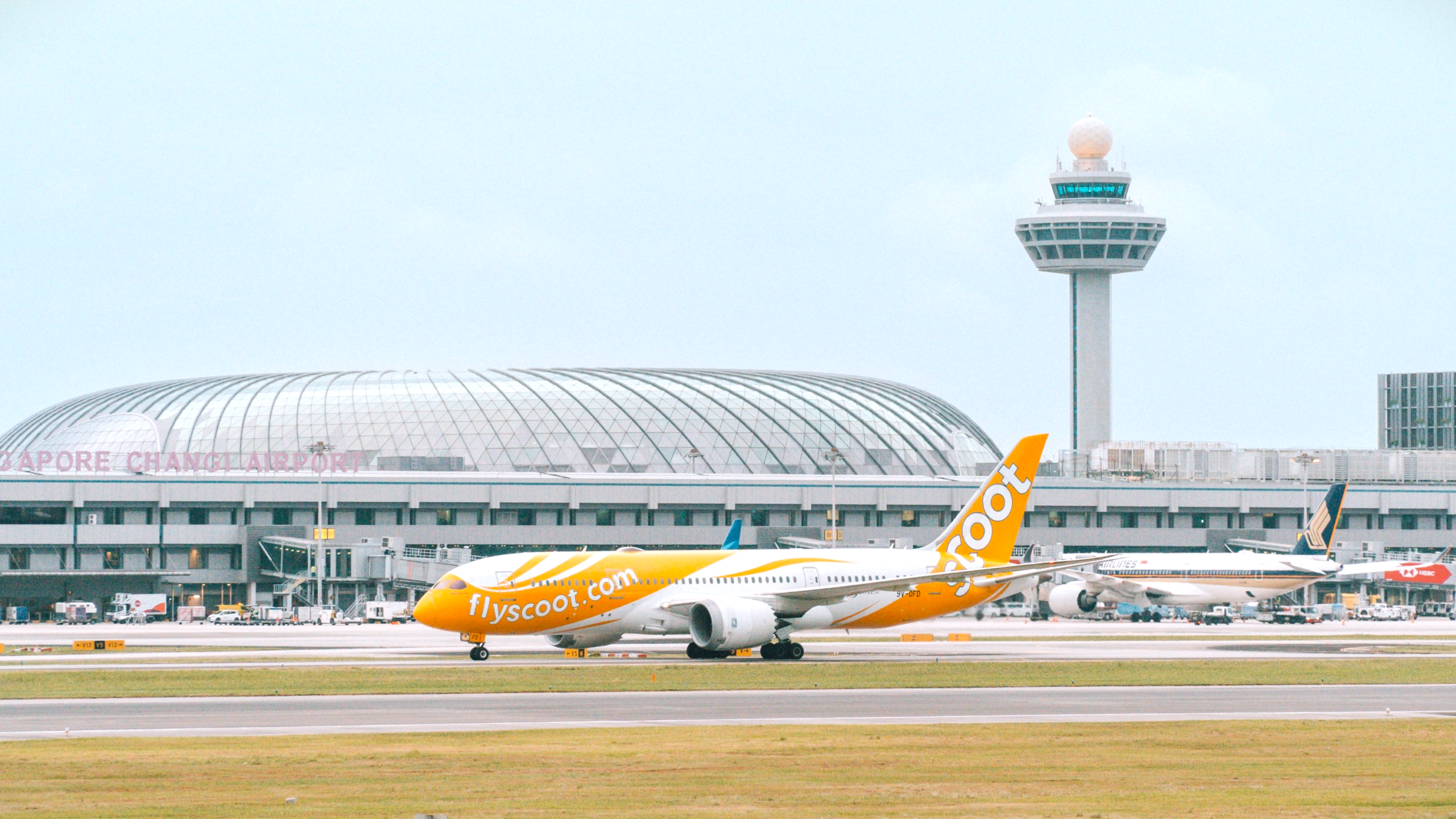
SINGAPORE- Scoot (TR), the low-cost subsidiary of Singapore Airlines (SQ), is strengthening its position in Malaysia with 130 weekly flights connecting Singapore Changi Airport (SIN) and 12 Malaysian destinations, supported by sustained leisure and business travel demand.
The airline carried more than 2.2 million passengers on its Malaysia network during the financial year ended March 31, 2026, a 14% year-on-year increase. Scoot (TR) says strong tourism growth, particularly through the Visit Malaysia 2026 campaign, continues to drive demand between Singapore (SIN) and cities across Malaysia.
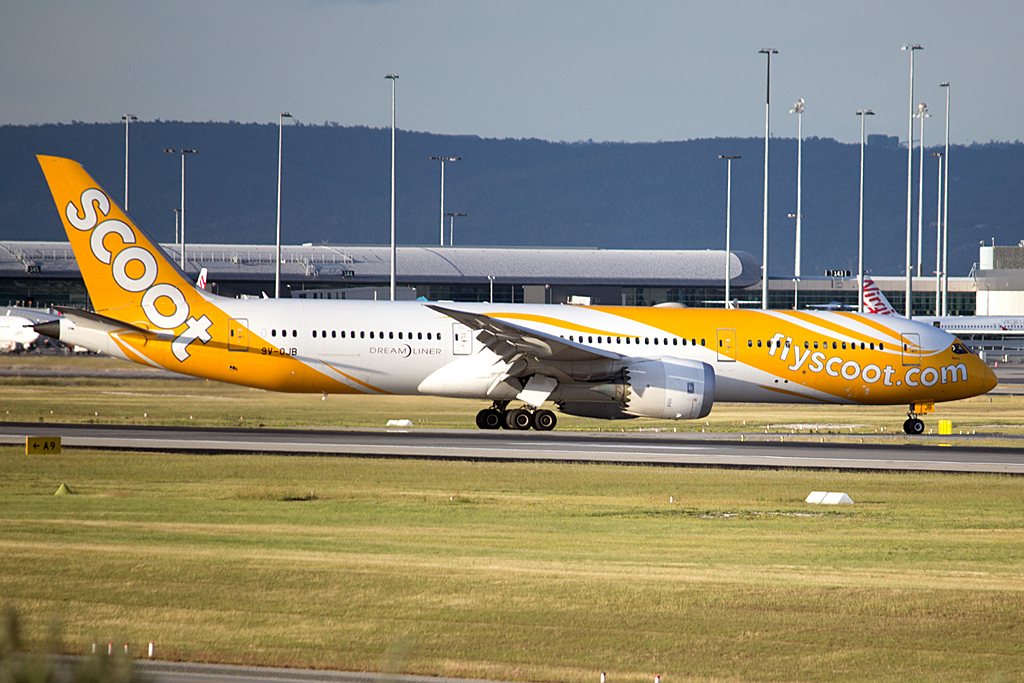
Scoot Strengthens Malaysia Network
Malaysia remains one of the most important international markets for Scoot, according to Chief Commercial Officer Calvin Chan in an interview with Bernama.
The airline currently serves 12 destinations across the country with approximately 130 weekly flights, making it the foreign airline serving the highest number of Malaysian destinations.
Scoot’s Malaysian network includes:
- Ipoh (IPH)
- Kota Bharu (KBR)
- Kota Kinabalu (BKI)
- Kuala Lumpur (KUL)
- Kuantan (KUA)
- Kuching (KCH)
- Langkawi (LGK)
- Melaka (MKZ)
- Miri (MYY)
- Penang (PEN)
- Sibu (SBW)
- Subang (SZB)
Malaysia plays a strategic role within the Singapore Airlines Group network by generating both point-to-point traffic and connecting passengers through Singapore Changi Airport (SIN). The close economic, tourism, and business ties between Singapore and Malaysia continue to support strong passenger volumes throughout the year.
Chan noted that the Kuala Lumpur (KUL) to Singapore (SIN) route remains one of the busiest international air corridors globally, maintaining resilient demand from both leisure and corporate travelers.
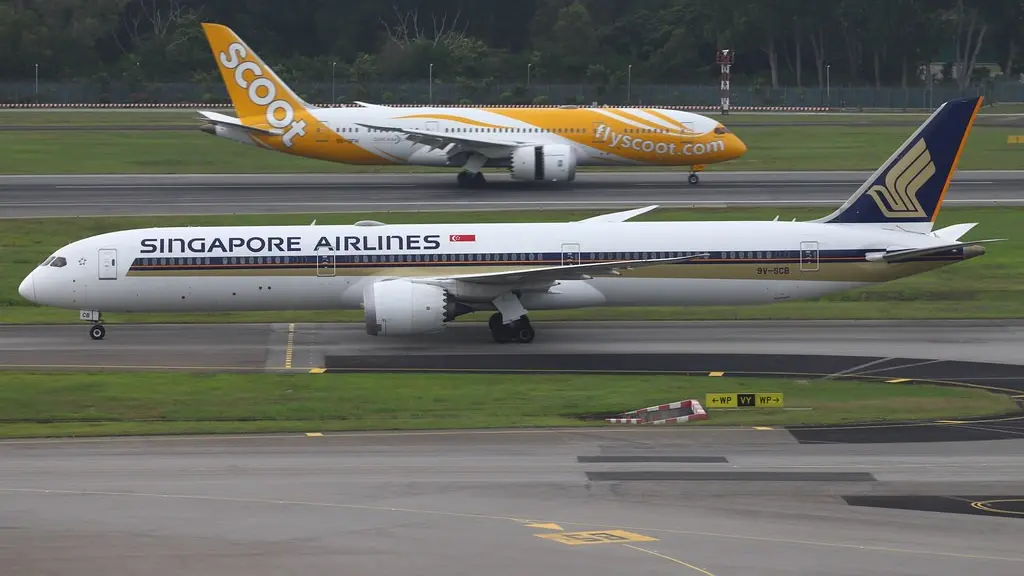
Passenger Growth Supported by Tourism
Scoot reported carrying more than 2.2 million passengers to and from Malaysia during its 2025-26 financial year, representing approximately 14% growth compared with the previous year.
The airline attributes much of this increase to stronger tourism demand, particularly under Malaysia’s Visit Malaysia 2026 campaign. During the first two months of 2026 alone, approximately 3.4 million Singaporean visitors traveled to Malaysia, accounting for nearly half of all international tourist arrivals into the country.
To further capitalize on this momentum, Scoot entered a three-year strategic partnership with Tourism Malaysia in August 2025.
The collaboration runs through 2028 and focuses on promoting Malaysia in key international markets including:
- Singapore
- China
- Australia
- Indonesia
Joint marketing campaigns with tourism stakeholders are expected to encourage higher visitor arrivals while strengthening regional tourism connectivity.
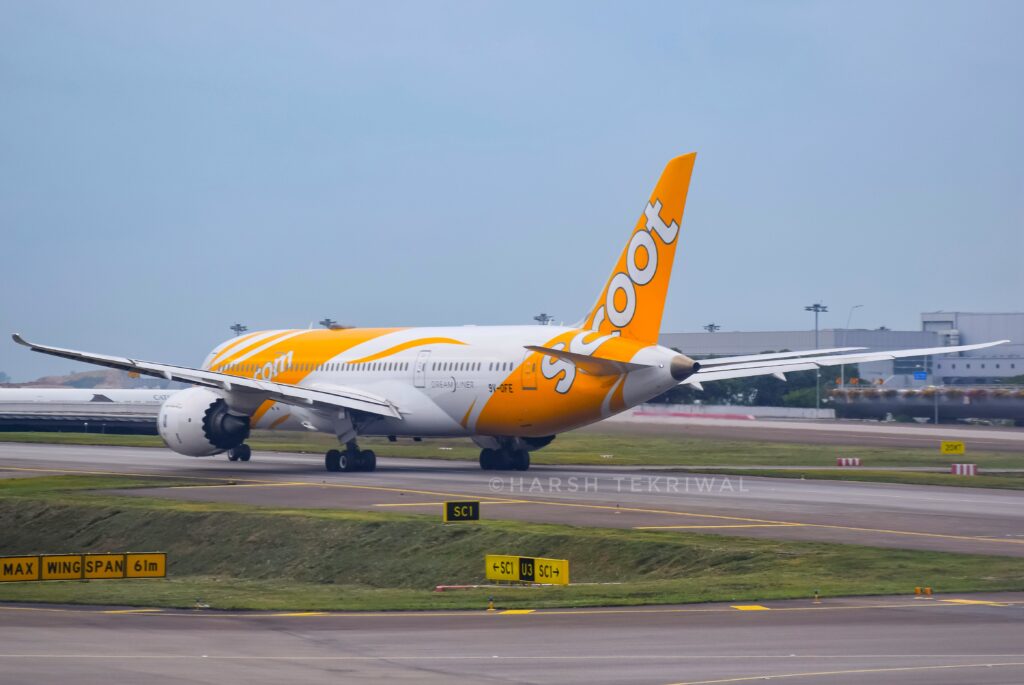
Southeast Asia Continues to Drive Expansion
Beyond Malaysia, Southeast Asia remains Scoot’s primary growth market.
According to Chan, rising disposable incomes, expanding airport infrastructure, and increasing demand for affordable short-haul travel continue to support the airline’s expansion strategy.
During the past year, Scoot added several new destinations across the region:
- Chiang Rai (CEI), Thailand
- Palembang (PLM), Indonesia
- Medan (KNO), Indonesia
- Tokyo Haneda (HND), Japan
- Belitung (TJQ), Indonesia
- Pontianak (PNK), Indonesia
The airline also increased frequencies to several existing destinations, including:
- Bali (DPS)
- Jakarta (CGK)
- Labuan Bajo (LBJ)
- Lombok (LOP)
- Manado (MDC)
- Phuket (HKT)
- Sibu (SBW)
- Changsha (CSX)
- Okinawa (OKA)
- Vienna (VIE)
As of the end of June 2026, Scoot operated a network of 85 destinations across 18 countries and territories.
The airline said future expansion will continue to follow a disciplined, demand led approach while maintaining commercial sustainability across short haul, medium haul, and long haul markets.
Fleet Supports Regional Growth
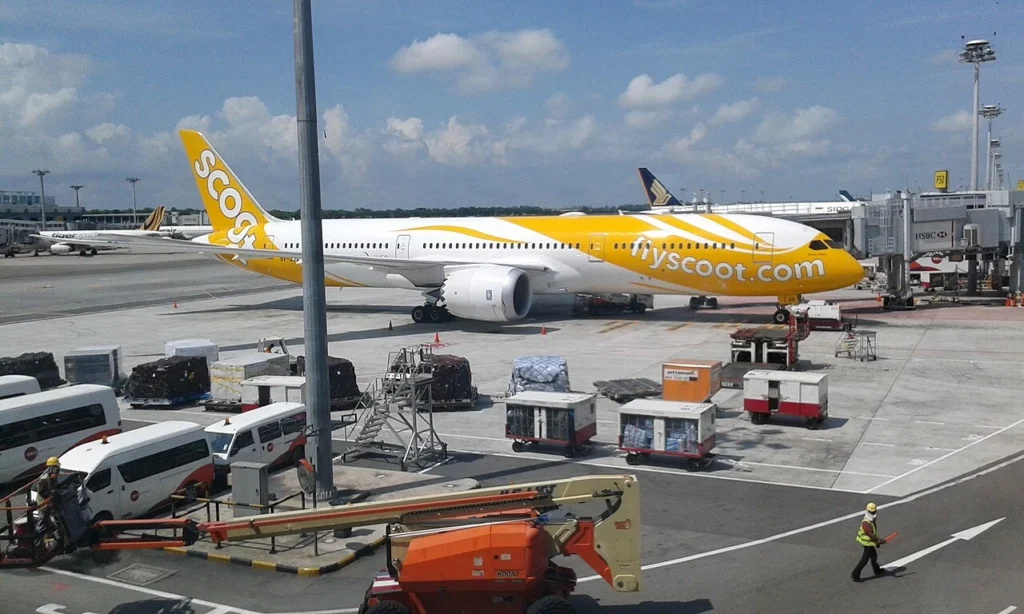
Scoot currently operates a fleet of more than 60 aircraft consisting of:
| Aircraft Type | Fleet |
|---|---|
| Boeing 787 Dreamliner | 24 |
| Airbus A320 Family | 30 |
| Embraer E190-E2 | 9 |
The Embraer E190-E2 fleet has become increasingly important for serving secondary cities and airports with operational or infrastructure limitations, allowing Scoot to expand into markets that may not support larger aircraft.
In May 2026, the airline announced a firm order for five additional Airbus A320neo family aircraft while exercising options for six more.
This increased Scoot’s A320neo family orderbook to 20 aircraft.
The new aircraft will be delivered progressively beginning in 2028, providing additional flexibility to:
- Launch new regional routes
- Increase frequencies on existing services
- Improve connectivity across the Singapore Airlines Group network
Chan also confirmed that although the Boeing 787 Dreamliner remains central to Scoot’s medium and long haul operations across Australia, North Asia, North India, the Middle East, and Europe, there are currently no plans to expand the airline’s widebody fleet.

Digital Investments and AI Strategy
Alongside network and fleet expansion, Scoot continues investing in digital technology to improve both operational efficiency and customer experience.
Key initiatives include enhancements to the airline’s AI-powered virtual assistant Marvie, expanded airport self-service options, AI-supported customer service functions, and technology-driven operational systems.
These investments are intended to improve productivity, strengthen disruption management, and deliver a more efficient travel experience while supporting future growth across the airline’s expanding network.

Bottom Line
Malaysia remains one of Scoot’s fastest-growing international markets, supported by strong tourism demand, close economic ties with Singapore, and an expanding regional network.
With 130 weekly flights to 12 Malaysian destinations, continued fleet investments, and new digital initiatives, the airline is positioning itself for sustained growth across Southeast Asia while strengthening connectivity throughout the Singapore Airlines Group network.
