

The United States Air Force (USAF) operates one of the least visible yet most consequential aircraft in global aviation, the Boeing E-4B Nightwatch, often called the “Doomsday Plane.” Built to function as an airborne command center during nuclear conflict, the aircraft represents the extreme end of strategic aviation, where survivability and continuity of government override cost considerations.
Operated by the US Air Force and supported by Boeing as the original airframe manufacturer, the E-4B’s future replacement under the Survivable Airborne Operations Center program draws on commercial aviation links, including aircraft sourced from Korean Air (KE) and previously operated through Seoul Incheon International Airport (ICN). While rarely discussed publicly, the program now stands among the most expensive and complex aviation efforts underway.
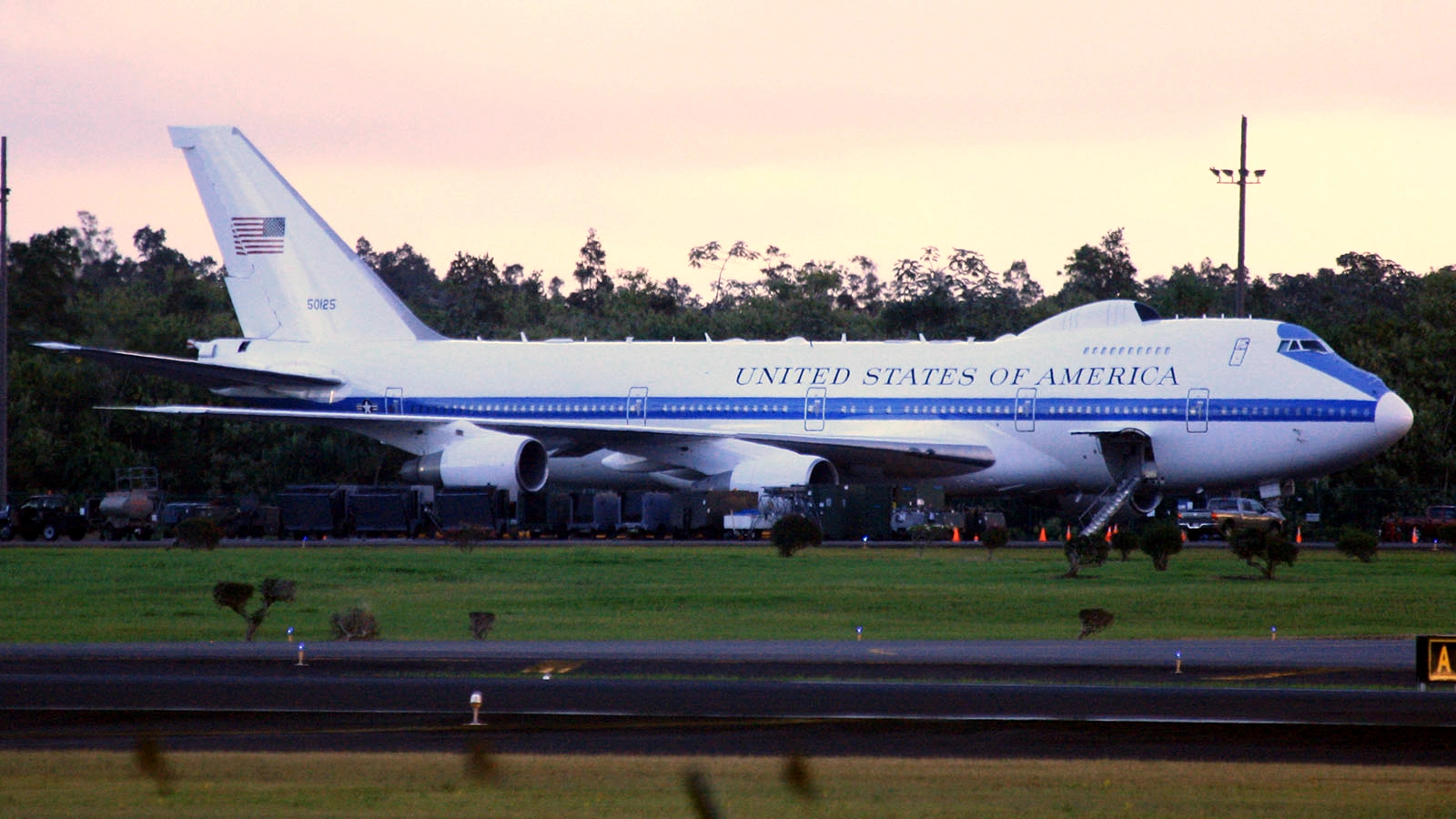
Most Expensive Jet to Operate in the US
The E-4B is not the most expensive aircraft to build, but it is the costliest to operate per flight hour in the US Air Force inventory.
That distinction stems primarily from its mission profile and crew requirements rather than exotic propulsion or stealth technology.
Each flight deploys up to 112 personnel, including flight crew, mission specialists, communications operators, security teams, and senior command staff.
Maintaining continuous readiness further drives costs, as at least one aircraft remains on alert at all times, supported by extensive maintenance and ground infrastructure.
SAOC Program Costs
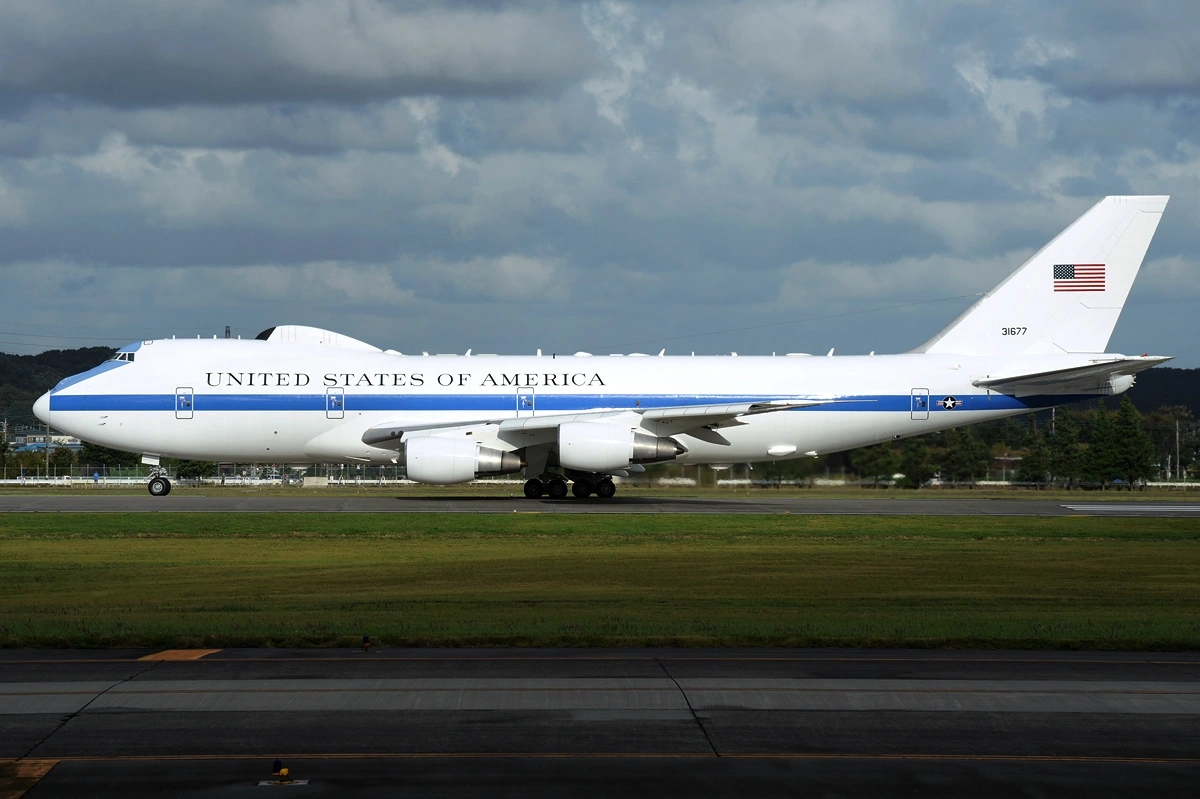
To replace the aging E-4B fleet, the Air Force launched the SAOC program, led by Sierra Nevada Corporation. The contract value stands at approximately $13 billion, with plans to acquire eight to ten aircraft, doubling the current fleet size.
Estimates suggest that once fully equipped with hardened command-and-control systems, each SAOC aircraft could exceed $4 billion in total program cost.
Funding for the program surpassed $8.3 billion by 2025, with the 2026 budget alone allocating $1.83 billion, reflecting the urgency of modernizing airborne nuclear command capabilities.
Nuclear Command Role
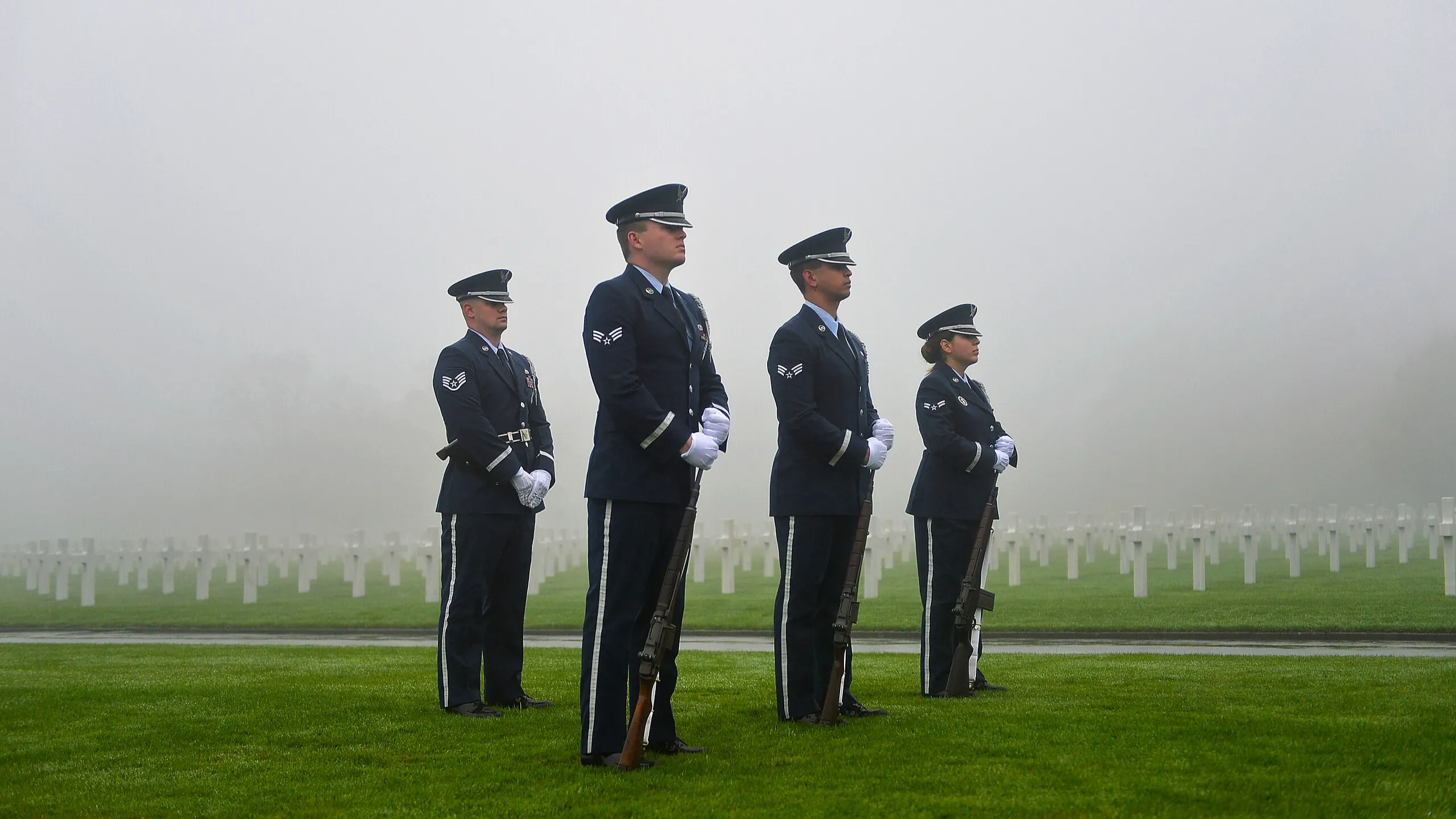
The Doomsday aircraft serves as a flying national command authority, designed to remain operational after nuclear detonations.
Its systems are shielded against electromagnetic pulse, radiation, and thermal effects, allowing leaders to direct forces even if ground-based command centers are destroyed.
With aerial refueling, the aircraft can remain airborne for several days, ensuring uninterrupted transmission of emergency action messages to bombers, intercontinental ballistic missiles, and submarines.
This role places the platform at the center of the United States’ nuclear command, control, and communications architecture.
Bottom Line
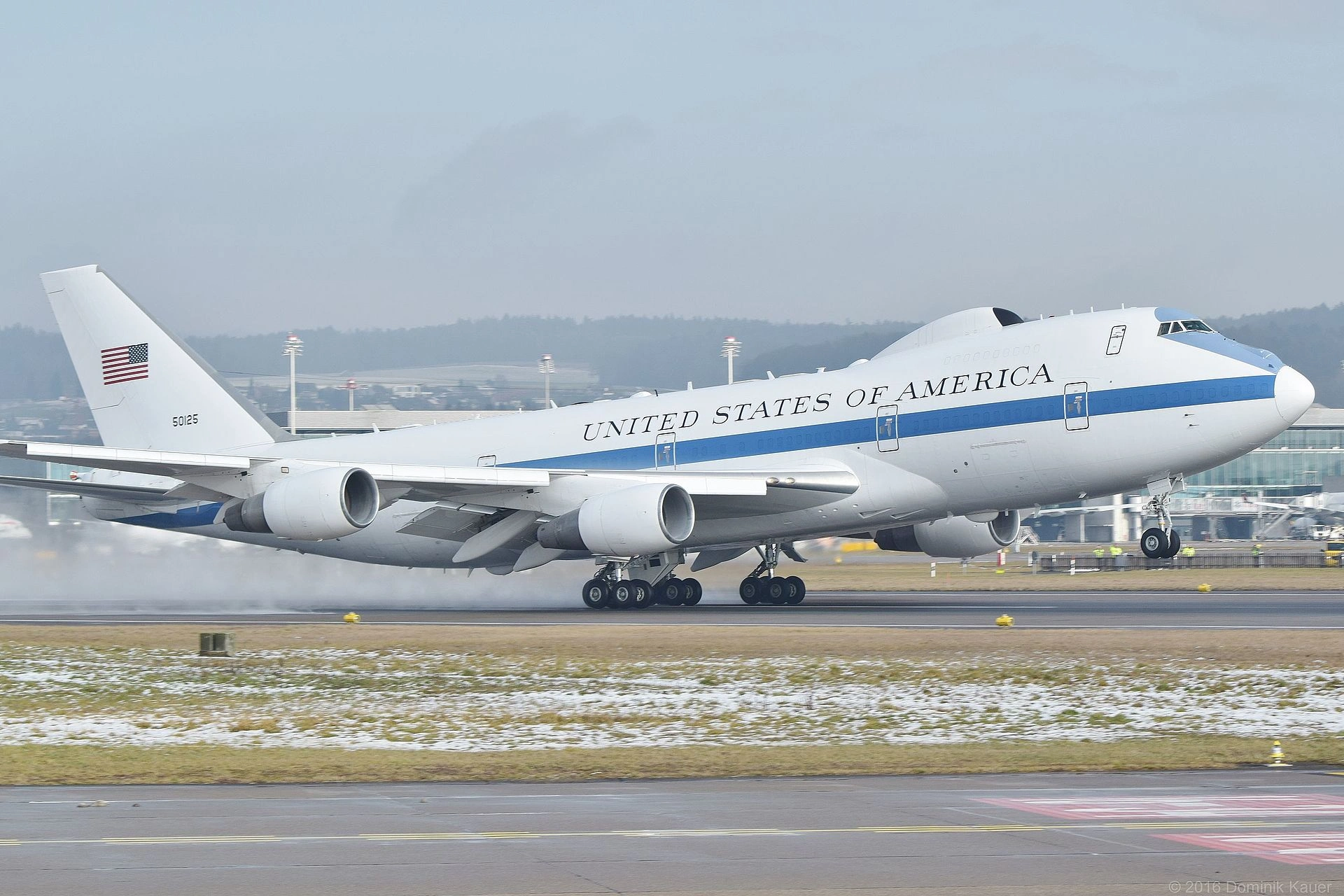
The E-4B Nightwatch embodies a category of aviation where cost efficiency is secondary to strategic necessity.
As the fleet ages and readiness declines, the SAOC program signals a generational shift toward digitally engineered, modular, and survivable airborne command aircraft.
For the Air Force, the price reflects not luxury, but the cost of guaranteed national command under the most extreme conditions.
Stay tuned with us. Further, follow us on social media for the latest updates.
Join us on Telegram Group for the Latest Aviation Updates. Subsequently, follow us on Google News
