

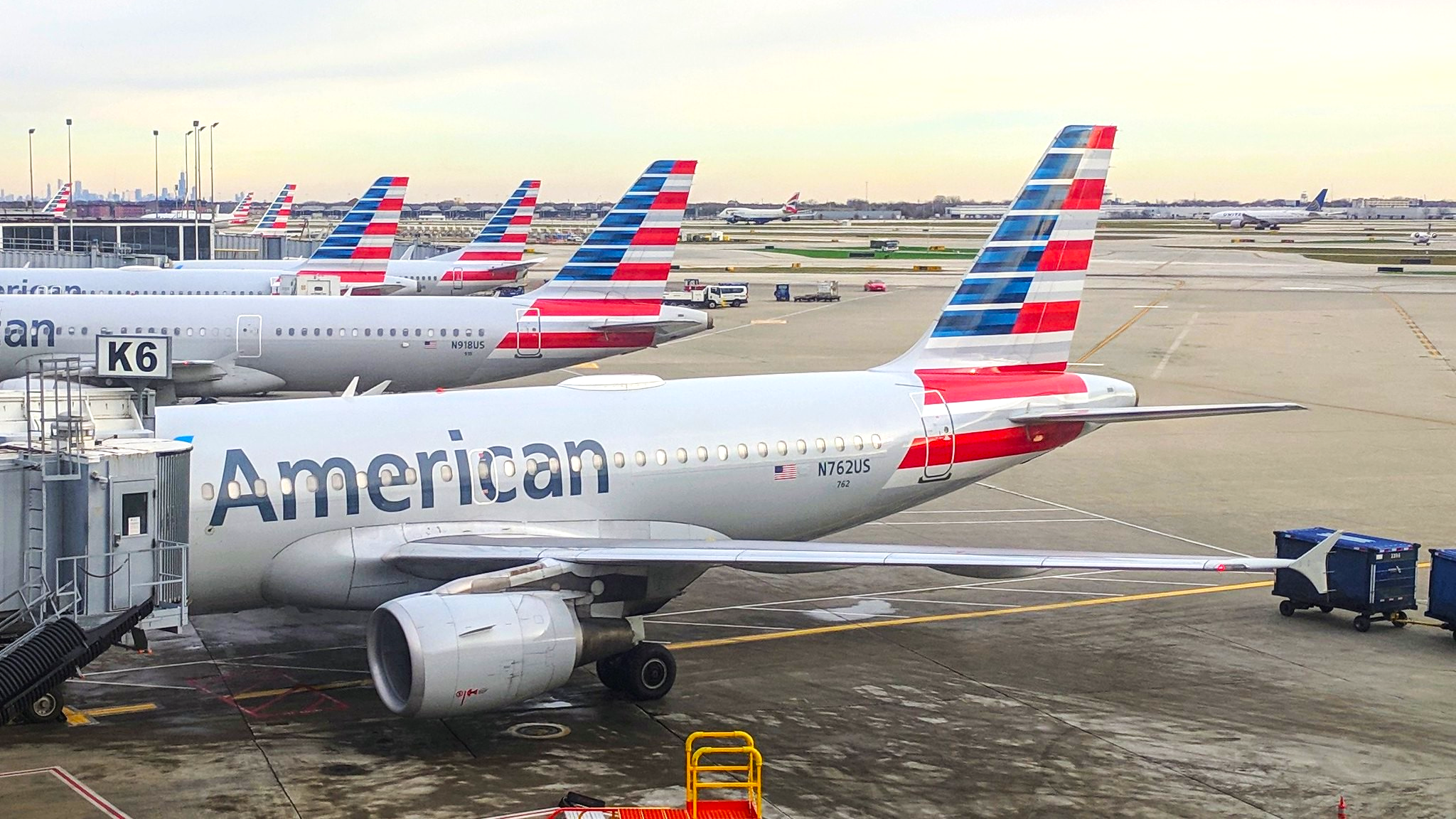
FORT WORTH- A recent case involving American Airlines (AA) has sparked traveler outrage after a mother’s $1,050 bid to take a later flight turned into a frustrating ordeal.
The incident, which began at Chicago O’Hare International Airport (ORD), has drawn attention to the carrier’s controversial voluntary bidding system.
The passenger’s story, shared widely online, reveals how American Airlines’ bid compensation process can misfire, leaving travelers stranded and uncompensated even after receiving bid acceptance notifications.
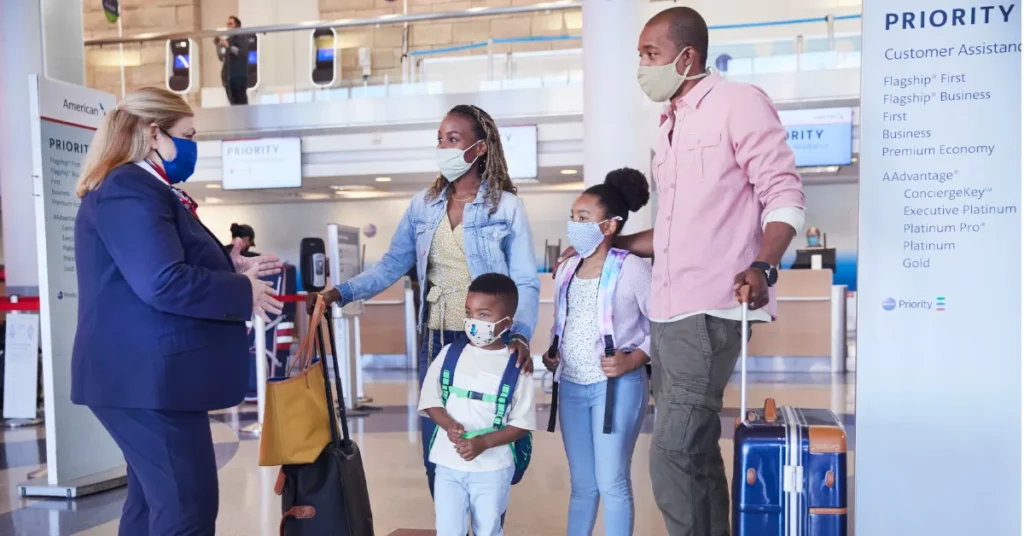
American Airlines Passenger Denied Boarding
American Airlines (AA) routinely overbooks flights to maximize capacity, a legal yet controversial industry practice. When an oversell occurs, the airline seeks volunteers willing to give up seats in exchange for compensation.
The carrier’s online system allows passengers to set their own bid amounts and flight preferences, theoretically simplifying the rebooking process.
However, as reported by PYOK, execution often deviates from the intended system design. A mother traveling with her child placed a $525 bid per seat to move to a later flight, receiving confirmation messages indicating the bids were accepted.
But upon arrival at Chicago O’Hare (ORD), gate agents denied the agreement and reassigned her seats to other passengers.
Despite the accepted bid and timely arrival, she was told her compensation would not be honored.
The mother later described feeling “defeated and ignored,” highlighting poor communication and lack of accountability within the airline’s process.
Passenger Experience
This incident underscores a deeper issue with customer trust and process transparency. Passengers have reported that American Airlines’ bidding system frequently produces conflicting outcomes.
Some travelers receive different seats on the same flight rather than rebooked itineraries, negating any benefit from volunteering.
In this specific case, after multiple failed attempts to reach customer service, the traveler finally secured acknowledgment from AA’s relations department that the compensation had indeed been mishandled.
Still, the process left her feeling that the system “is designed to make you give up.”
Why Experts Urge Travelers to Be Cautious
Frequent flyers and travel experts advise caution when participating in voluntary bid programs. While they are designed to minimize involuntary bumping, these systems often lack consistent enforcement.
According to US Department of Transportation (DOT) data, American Airlines ranked second-worst for involuntary passenger bumping in the April–June 2025 period, with 4,257 passengers affected.
By comparison, Delta Air Lines (DL) reported zero involuntary bumps in the same timeframe, and United Airlines (UA) recorded only 62. Only Frontier Airlines (F9) performed worse than American (AA) in this category.
These numbers reveal that overselling remains a high-risk area for passengers, especially when airlines fail to execute transparent compensation procedures.

Lessons for Travelers
Passengers are encouraged to confirm all bid-related communications at the gate and request written proof of accepted compensation before releasing their seats.
Maintaining evidence such as screenshots or email confirmations can strengthen future claims if disputes arise.
While the American Airlines’ bidding system may offer convenience in theory, this case demonstrates how unclear procedures and inconsistent staff training can quickly turn a voluntary offer into a costly inconvenience.
Stay tuned with us. Further, follow us on social media for the latest updates.
Join us on Telegram Group for the Latest Aviation Updates. Subsequently, follow us on Google News
