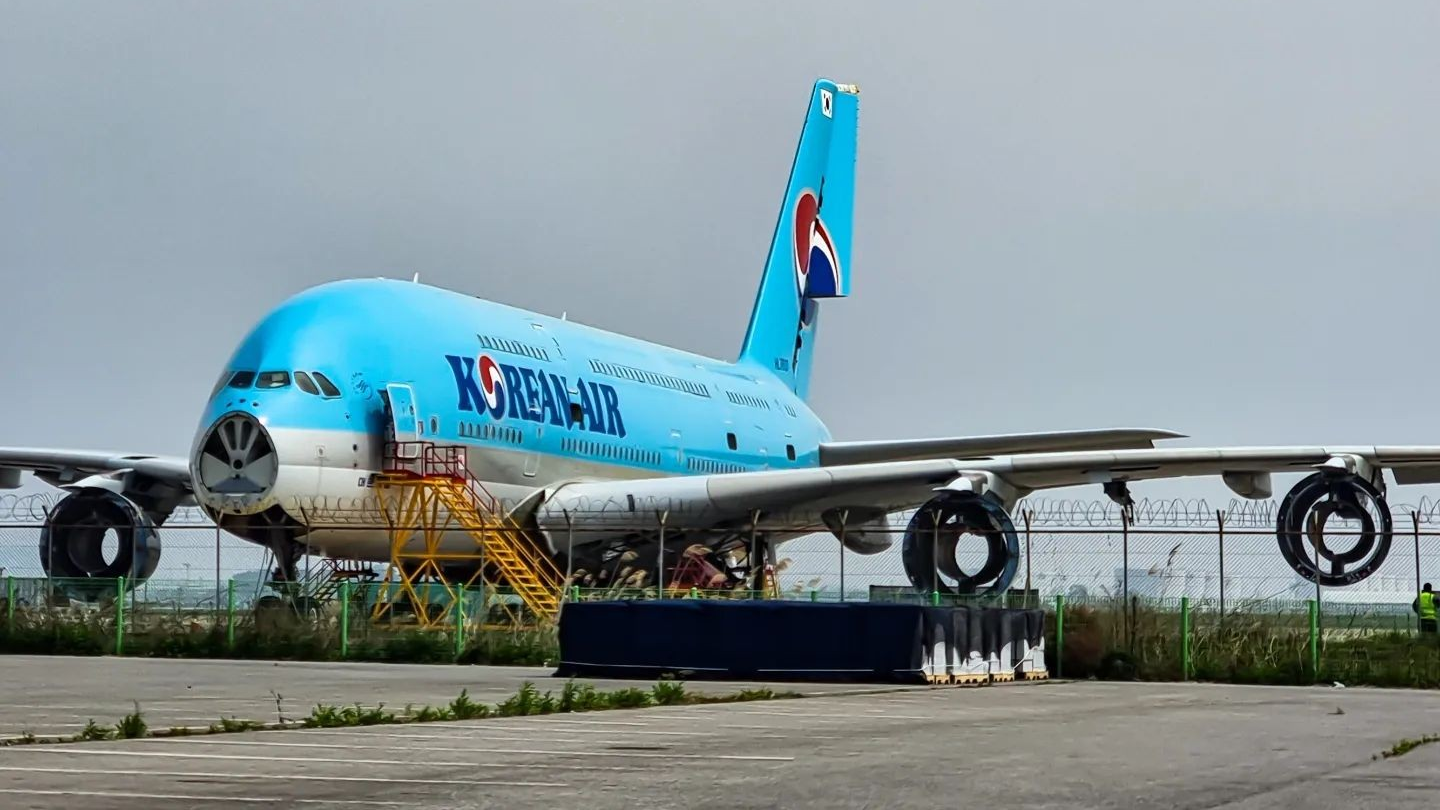
VALENCIA- Castellon Airport in Spain has become an unexpected hub for a growing aviation paradox. At the semi-deserted airport, workers in protective suits methodically strip components from nearly new Airbus jets, turning advanced airliners into parts stockpiles.
Despite a booming market for aircraft, the scarcity of next-generation engines has created a situation where the engines themselves are now more valuable than the aircraft they power.
Airbus Jets Getting Scrapped for Parts
The engine shortage has disrupted airline operations globally, as carriers struggle to maintain schedules with fewer available jets. In some cases, the engines alone can generate revenue exceeding the leasing value of the aircraft.
According to aviation analysts, high-demand powerplants are rented as spares for up to $200,000 per month per engine, creating a lucrative, if unconventional, financial opportunity, reports The Economic Times.
The crisis has prompted airlines, lessors, and maintenance companies to reconsider the economics of operating modern jets. Industry sources confirm that numerous Airbus A320neo and A321neo airliners, some less than a decade old, are being dismantled.
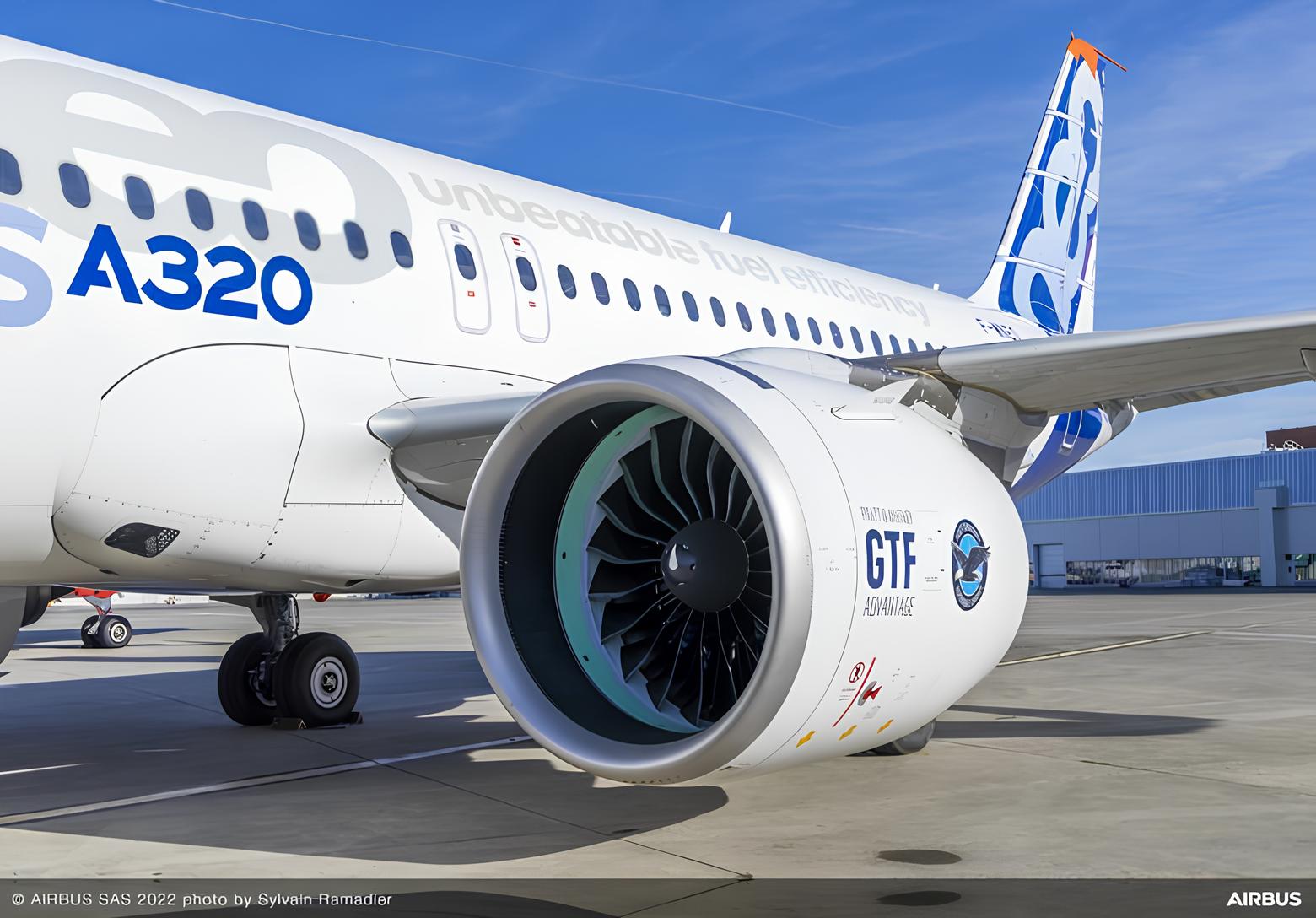
The shortage of Pratt & Whitney geared turbofan (GTF) engines, exacerbated by rare metal defects and production delays, has forced operators to choose between grounding aircraft or stripping them for spares.
This bottleneck has intensified after the discovery of powder-metal defects in certain GTF engines, which triggered fleet-wide inspections.
Cirium data estimates that around one-third of the GTF-powered Airbus fleet is grounded or in storage, compared with 4% of aircraft powered by competitor engines.
Airlines have extended the service lives of older aircraft to mitigate disruptions, but financial owners are increasingly opting to dismantle nearly-new jets.

Aircraft History and Conversion
Many of the aircraft being scrapped were intended for long-term operation. For example, several A321neos dismantled in Castellon had been delivered as recently as six years ago. These aircraft were originally designed to fly efficiently for decades, offering significant fuel savings.
However, maintenance delays and part shortages have truncated their operational lifespans.
Industry insiders note that the dismantling process is meticulous. Workers salvage avionics, landing gear, and wings while leaving the empty engine housings on the aircraft.
The extracted engines are preserved under protective covers to maintain their resale or lease value. This approach has created a thriving market for parts among airlines forced to manage grounded fleets.

Financial and Industry Perspective
The practice has sparked debate among airline executives and aviation authorities. International Air Transport Association (IATA) head Willie Walsh highlighted the anomaly, describing it as a systemic challenge in aircraft supply chains.
Experts attribute the crisis partly to over-optimization for fuel efficiency at the expense of long-term durability, combined with high oil prices during engine design.
Aviation financiers view the parting out of jets as an innovative market response. Companies like eCube and Willis Lease have capitalized on engine scarcity, creating multi-million-dollar opportunities while airlines wait for production backlogs to clear.
Even so, the phenomenon raises questions about fleet planning and asset management, as aircraft built for decades of service are prematurely dismantled.

Bottom Line
Castellon Airport’s growing role as an aircraft scrapyard underscores the unintended consequences of engine shortages.
Modern jets, engineered for efficiency and longevity, are being dismantled for parts worth more than the aircraft themselves.
Until engine production and maintenance bottlenecks are resolved, airlines and lessors must navigate the complex economics of fleet management in an unprecedented market environment.
Stay tuned with us. Further, follow us on social media for the latest updates.
Join us on Telegram Group for the Latest Aviation Updates. Subsequently, follow us on Google News