

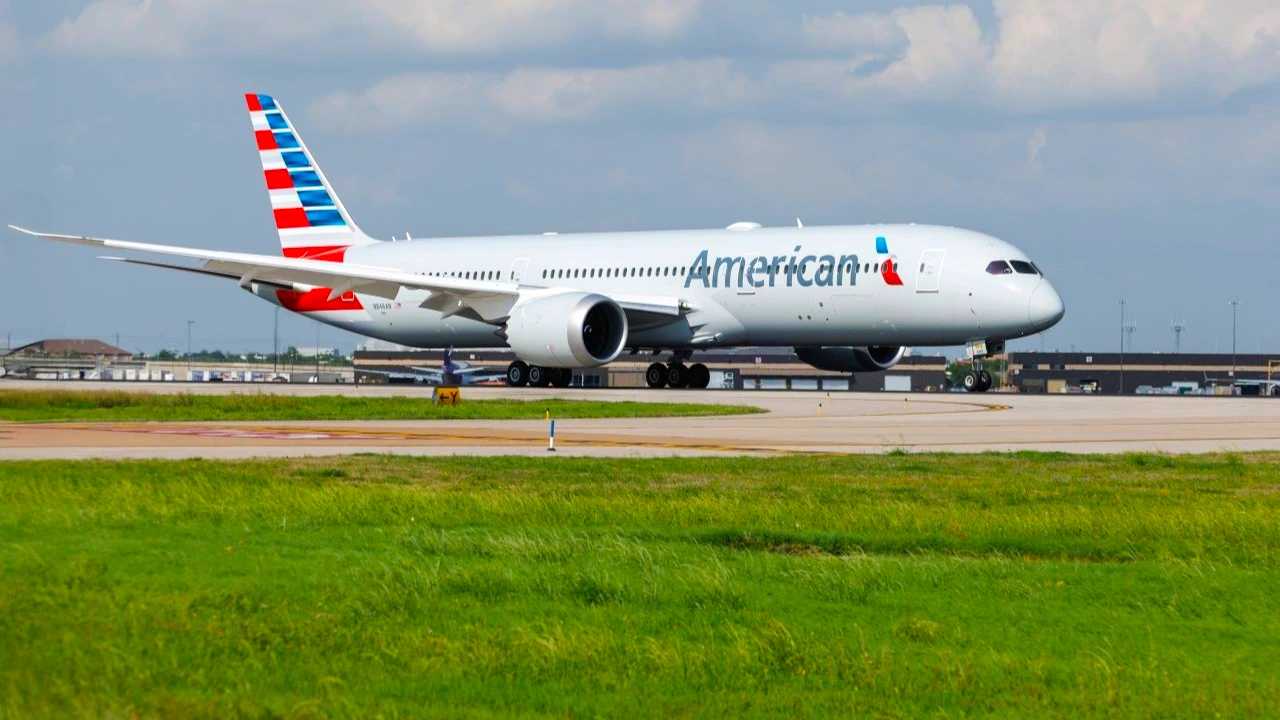
FORT WORTH- American Airlines (AA) is preparing to raise $1.325 billion in secured debt backed by new aircraft deliveries and 15 older jets already in its fleet. The Fort Worth-based carrier, which operates more than 6,000 daily flights to over 350 destinations, has structured the deal around 22 new or recently delivered aircraft.
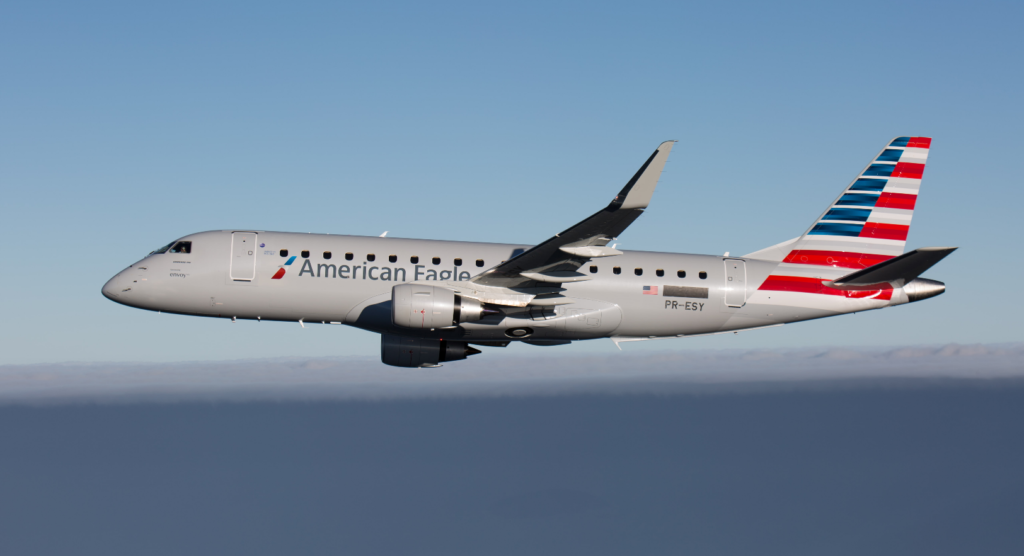
Eight of those aircraft are Embraer E175 regional jets that American will lease to wholly owned subsidiary Envoy Air (MQ) for American Eagle flying. The filings also detail how the airline plans to run its fleet through the next decade, including new Airbus A321XLRs that entered transatlantic service this year on New York (JFK) to Edinburgh (EDI).
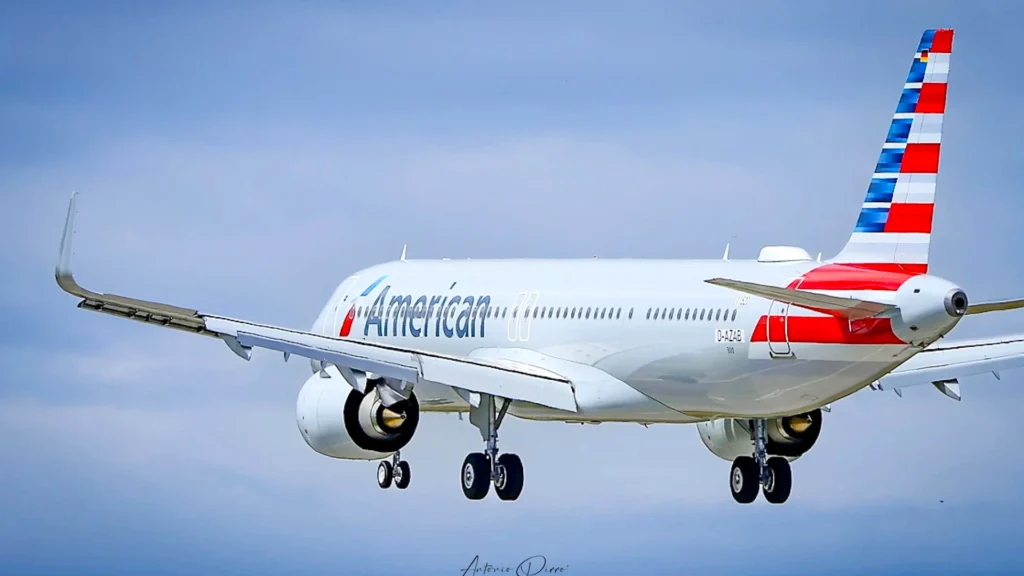
American Airlines $1.325 Billion Aircraft Financing
Approximately $947 million of the transaction is allocated against the 22 new or recently delivered aircraft. The remaining $377 million is secured against 15 existing Airbus A321s and Boeing 777s.
The collateral pool covers five aircraft categories:
| Aircraft | Number | Delivery |
|---|---|---|
| Airbus A321neo | 9 | July 2026 to February 2027 |
| Airbus A321XLR | 5 | September 2026 to January 2027 |
| Airbus A321-200 | 13 | Delivered 2013 to 2014 |
| Boeing 777-300ER | 2 | Delivered 2013 to 2014 |
| Embraer E175 | 8 | September to December 2026 |
Compared against American’s SEC 10-Q filing, the transaction finances 20 of the airline’s 26 remaining scheduled 2026 deliveries. That includes 12 of 15 Airbus aircraft and eight of 11 Embraer E175s, plus 2 early 2027 Airbus deliveries.
The debt issuance remains preliminary. Interest rates and offering prices have not been set, so the premium American may have to pay to borrow cannot yet be determined.
Expected ratings are A/A- for the senior tranche and BBB/BBB- for the junior tranche. Those ratings reflect the value of the aircraft collateral rather than the airline’s general credit. American itself remains speculative grade at an S&P rating of B+.
Transactions of this type are structured as enhanced equipment trust certificates. The structure lets airlines pledge specific aircraft as collateral, and because lenders can seize and resell those aircraft in a default, the bonds carry far higher credit ratings than the company itself.
Second Aircraft-Backed Deal in 3 Months
This is American’s second large aircraft-backed financing within 3 months. An April transaction raised $1.141 billion and priced at 5.25% for Class A notes and 5.75% for Class B notes, as reported by View from the Wing.
That April deal, labelled the 2026-1 notes, offers a useful benchmark for the current transaction. S&P Global rated the 2026-1 Class A notes at A, and the Class B notes at BBB, with a collateral pool of 6 Airbus A321XLRs, 12 A321s, 11 Boeing 737 MAX 8s and 3 Boeing 777-300ERs valued at $1.5 billion.
The Class A tranche totalled about $905 million with a weighted average life of 7.7 years, while the Class B tranche came to about $235.8 million with a weighted average life of 5.5 years. Both tranches priced tighter than initial guidance.
Airbus A321XLR Fleet Set to Double
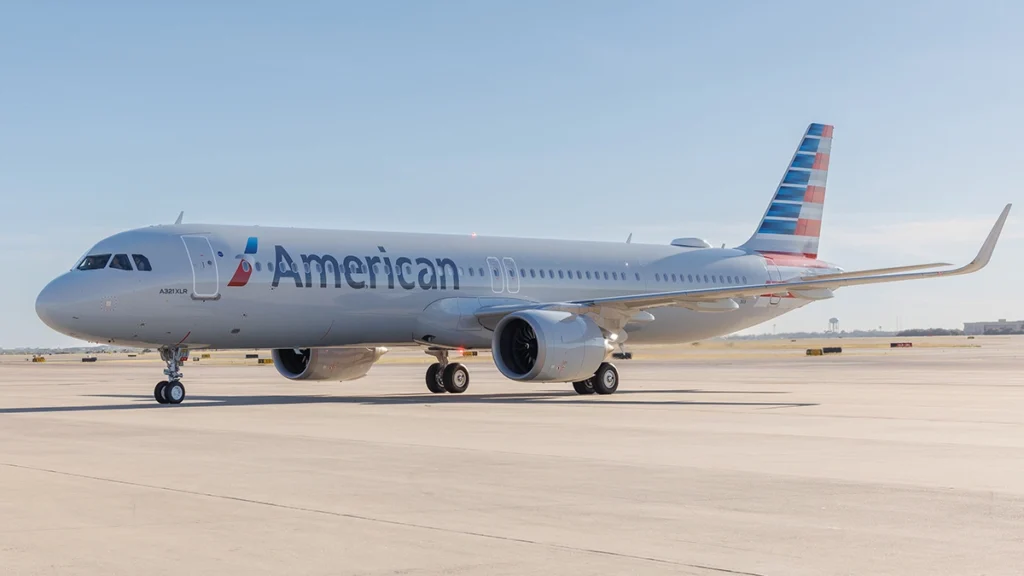
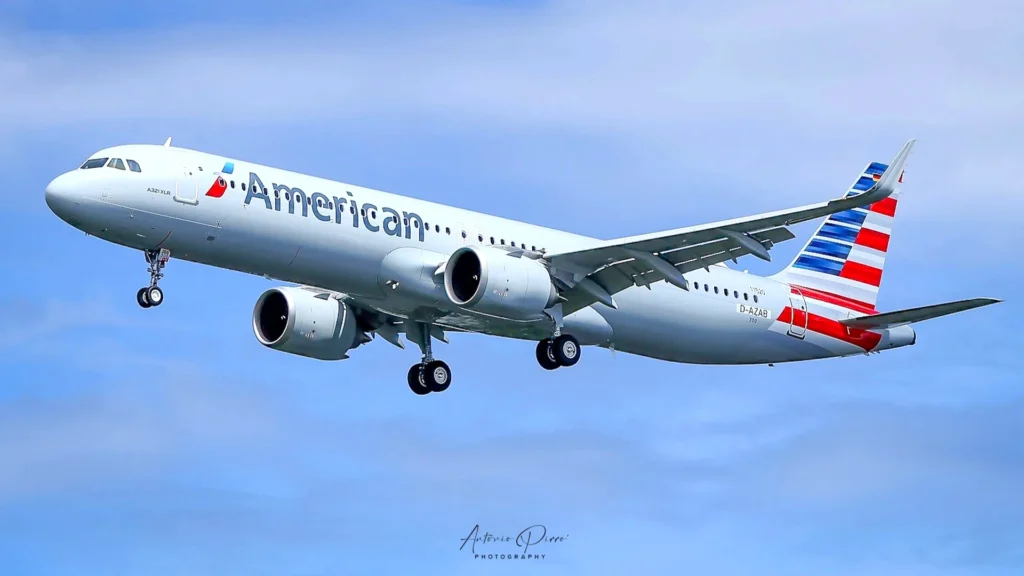
American’s June fleet included five Airbus A321XLRs. Five more are scheduled between September and January, which would take the XLR fleet to ten aircraft if deliveries hold.
The planned delivery schedule includes:
- One aircraft in September
- One aircraft in November
- Two aircraft in December
- One aircraft in January
The five additional XLRs are expected to support more premium transcontinental and European flying, including additional transatlantic destinations.
American holds 50 A321XLRs on order in total and expects around 15 in the fleet by the end of 2026, with a majority delivered by the end of 2027.
Each aircraft carries 20 Flagship Suite seats and 12 Premium Economy seats, making it one of the few narrowbodies worldwide with fully enclosed business suites.
The type entered service in December 2025 on New York to Los Angeles, and American became the first US airline to fly the A321XLR across the Atlantic when seasonal New York to Edinburgh service began in March 2026.
Boeing 777-300ER Retrofit Reaches Service
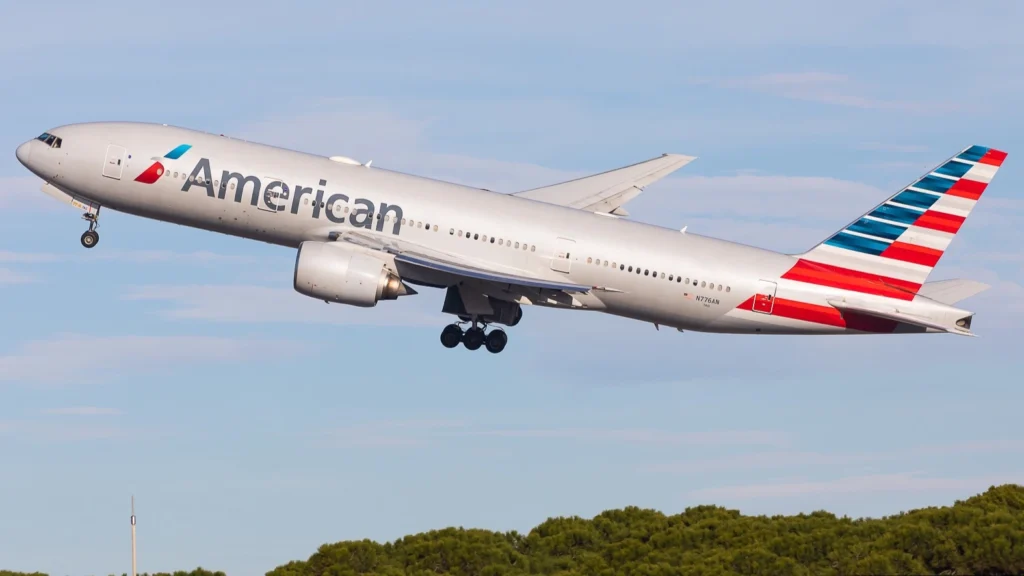
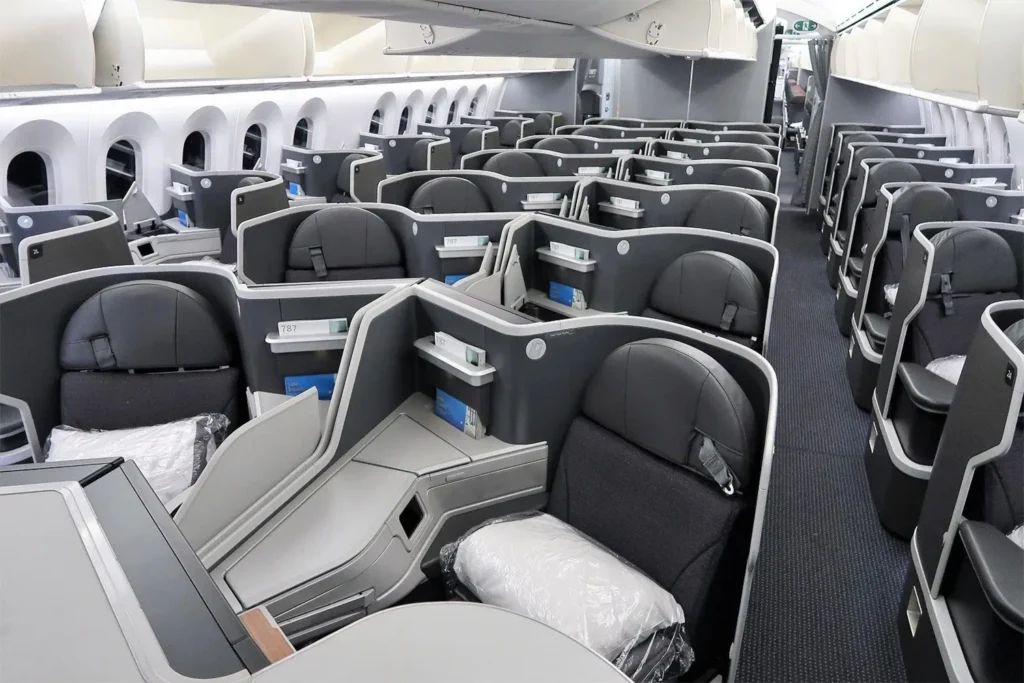
All 20 Boeing 777-300ERs are undergoing major cabin retrofits, and the first retrofitted aircraft are about to enter service. The reconfiguration removes first class, adds more business class seating including new business class suites with doors, and improves premium economy.
The layout moves from 8 first class, 52 business class, 24 premium economy and 216 economy seats to 70 business class, 44 premium economy and 216 economy seats.
The first aircraft, registered N718AN, was sent to Hong Kong in early December 2025 under the airline’s Project Olympus cabin programme.
The retrofitted 777-300ERs will carry the same business class product as new-delivery Boeing 787-9P aircraft. These aircraft are expected to remain in service into the late 2030s.
American operates 218 Airbus A321-200s. The airline expects these aircraft to remain in the fleet into the 2030s, and in some cases into the 2040s.
Fleet Strategy
The airline has a 373-aircraft orderbook and is expected to place an additional widebody order soon. Even so, its fleet strategy reads as premiumize and extend rather than replace.
The strategy rests on 6 elements:
- Retrofit the 777-300ER fleet.
- Retrofit the Boeing 777-200 and Boeing 787-8 fleet.
- Keep A321-200s productive into the 2030s and 2040s.
- Add premium-heavy XLRs for thinner long-haul routes.
- Expand dual-class E175 flying in small and medium markets.
- Finance deliveries with secured borrowing rather than consuming liquidity.
The financial logic behind that approach is direct. Chief Executive Robert Isom has said extending aircraft lives gives the airline a capital spending holiday on fleet replacement, deferring roughly $7 billion to $9 billion in replacement spending through the end of the decade.
Widebody Order Remains Open Question
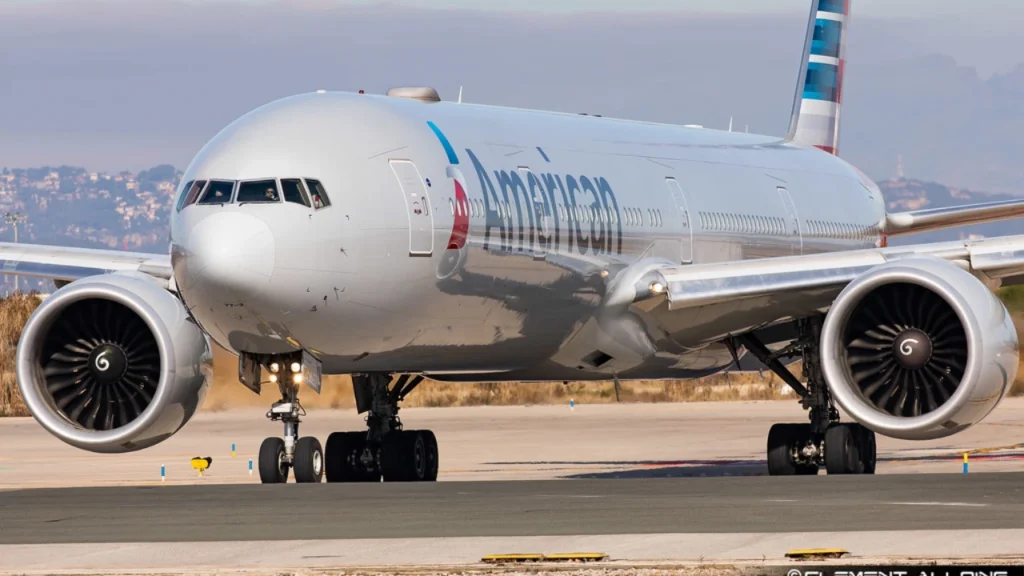
Isom told shareholders at the airline’s June 2026 annual meeting that American has an RFP in the market and is engaging with both Airbus and Boeing on its next widebody order, pointing to Boeing 777 retirements expected in the 2030s and long widebody production cycles.
American’s current firm widebody backlog stands at 19 Boeing 787-9s, with 28 outstanding options, and its last widebody order was placed in 2018.
End-of-2025 filings showed American operating 137 widebody aircraft against 158 at Delta and 230 at United.
Fleet Age Comparison and Financial Pressure
American would argue it already operates a relatively young fleet compared to Delta, which flies far older aircraft. United is in a similar position to Delta, though that is changing.
The airline needs a capital-efficient approach given its financial underperformance. American broke even last year, and the median of its forecast points to breaking even again this year, even as revenue grows rapidly in line with the wider industry.
In the second quarter, interest expense was about equal to operating profit, at $409 million against $446 million.
Second Quarter Results
American reported record second-quarter revenue of $16.7 billion, up 16.3% year over year, with GAAP net income of $71 million and adjusted net income of $99 million. Fuel expense rose by more than $2.2 billion, or 83% year over year, and revenue strength offset close to half of that increase.
Operating margin fell to 2.7% from 7.9% in the same quarter a year earlier. American now expects full-year adjusted earnings per diluted share between a loss of $0.65 and a gain of $0.65, and anticipates third-quarter revenue growth of 16.0% to 19.0%.
Liquidity remains a stated priority. Chief Financial Officer Devon May said the airline ended the quarter with $11.3 billion of liquidity and expects positive free cash flow for the full year at the midpoint of guidance, closing 2026 with lower net debt than at the start of the year.
Growing Passenger Volumes
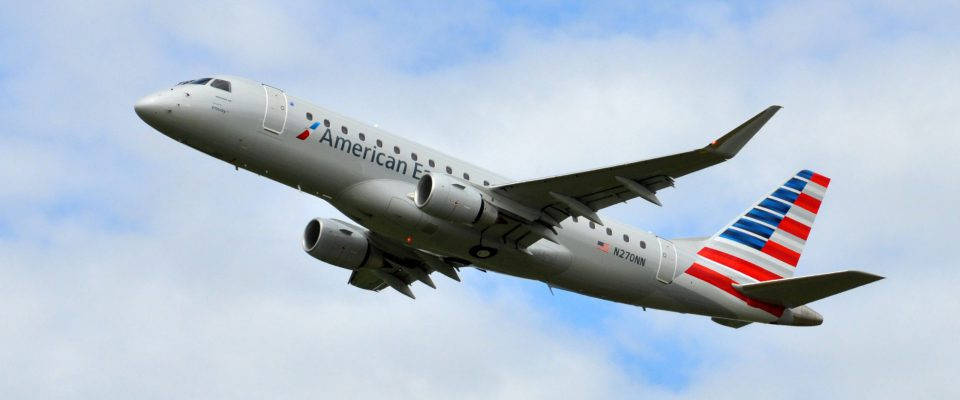
Eight Embraer E175 regional jets are scheduled for delivery by December. American will own these aircraft and lease them to Envoy Air for American Eagle operations.
American’s regional flying carried 57 million passengers in 2025, with 42% connecting to or from mainline flights. That leaves a majority of regional passengers flying regional-only itineraries.
The regional fleet now includes 508 dual-class jets and 71 single-class jets. In 2014, that mix stood at 238 dual-class and 328 single-class aircraft, marking a clear shift toward two-cabin regional service.
The E175 deliveries stem from American’s 2024 order for 260 aircraft, which covered 85 Airbus A321neos, 85 Boeing 737 MAX 10s, and 90 Embraer E175 regional jets.
Stay tuned with us. Further, follow us on social media for the latest updates.
Join us on Telegram Group for the Latest Aviation Updates. Subsequently, follow us on Google News
