

WASHINGTON- The Federal Aviation Administration (FAA) has proposed a new rule that would prevent state meal and rest break laws from applying to airline flight attendants and pilots.
The proposal seeks to establish a single nationwide federal standard for crew duty, rest, and break requirements across the United States.
If finalized, the rule could override state laws such as California’s meal break requirements for airline crews, affecting carriers.
According to PYOK, the FAA believes a uniform federal framework is necessary to maintain operational consistency and aviation safety.

FAA Over Flight Attendants and Pilots Break Rules
The FAA has issued a Notice of Proposed Rulemaking (NPRM) to clarify that state and local meal and rest break laws are preempted by the Airline Deregulation Act of 1978.
If adopted, the rule would prevent individual states from enforcing their own meal break requirements for flight attendants and pilots.
The agency said recent litigation prompted it to review its regulations governing duty and rest requirements for airline crews. The proposal aims to eliminate legal uncertainty following court decisions that allowed some state labor laws to apply to flight attendants.
Federal regulations governing flight crew members have consistently taken precedence over state laws.
However, recent legal challenges attempted to extend state meal break requirements to flight attendants, creating differences in how airlines must comply across various jurisdictions.
The FAA warned that conflicting state and local regulations could create a complex patchwork of legal requirements for airlines operating nationwide.

California Meal Break Law Triggered Multiple Airline Disputes
California’s Labor Code requires employees who work more than five hours to receive an uninterrupted 30-minute meal break.
Several airlines have faced legal action over the law. American Airlines (AA) reportedly reached a $24 million settlement with California-based flight attendants in late 2023 over alleged meal break violations.
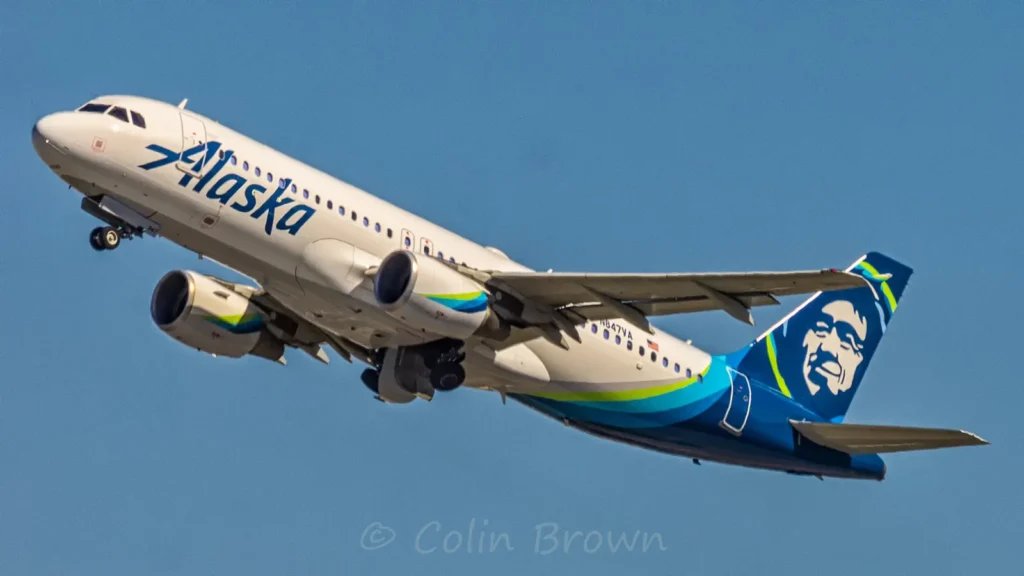
Alaska Airlines also became involved in a lengthy dispute after acquiring Virgin America (VX). The airline argued that federal aviation regulations governing airline employees should override California’s labor law, but a California appeals court rejected that argument.
Alaska Airlines later appealed to the US Supreme Court, but the justices declined to hear the case, leaving the appeals court ruling in effect.
Alaska Airlines Secured an Exemption
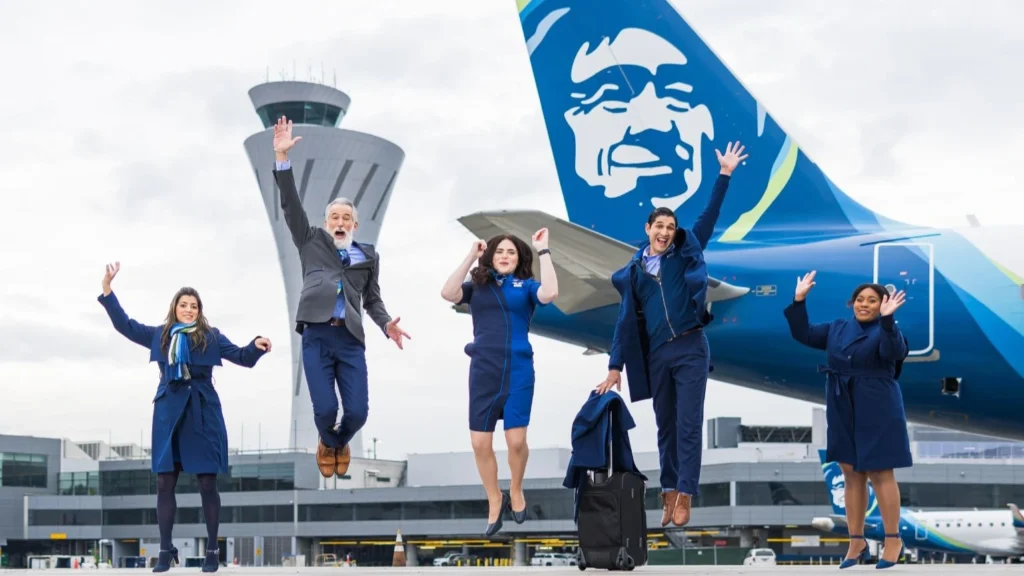
After years of legal proceedings, Alaska Airlines secured an exemption from California’s meal break law with the support of the Association of Flight Attendants (AFA-CWA).
The exemption was granted after the airline and the union signed a Side Letter of Agreement that incorporated meal break provisions into the collective bargaining agreement. Rather than following California’s labor law, crew member meal breaks would be governed by the negotiated contract.
Under the agreement, flight attendants receive a minimum 10-minute seated break on flights with a scheduled block time of at least 2 hours and 30 minutes. They receive a minimum 30-minute break on flights with a scheduled block time of at least 4 hours.
The arrangement allowed Alaska Airlines to win its California exemption while guaranteeing minimum break protections for its flight attendants through the union contract.
Similar State Laws
California is not the only state to introduce meal break requirements affecting airline employees. Washington has adopted similar rules, but Alaska Airlines was unable to obtain an exemption like the one negotiated in California.
That gap highlights the operational challenges created by differing state labor regulations.

Uniform Federal Rules
The FAA does not intend to introduce new federal meal break requirements for flight attendants.
Instead, the agency argues that existing federal regulations already address fatigue management through mandatory rest periods between duty assignments rather than meal breaks during flights.
The agency said requiring flight attendants to be legally off duty during mandatory meal breaks could reduce their ability to respond during emergencies.
Flight attendants are responsible for passenger evacuations on land and water, managing inflight fires, responding to medical emergencies, handling disruptive passengers, and carrying out other safety-critical duties throughout every flight.
The FAA said continuous availability is essential for maintaining cabin safety.
To fix the inconsistency created by court rulings, the proposed rule states that one uniform set of federal requirements should govern duty periods, rest periods, and break requirements for both flight crew members and flight attendants.

Legal Foundation
The FAA relies on the Airline Deregulation Act of 1978 as the legal basis for the proposal. The Act prevents states from enforcing laws that have a significant impact on airline prices, routes, or services.
The agency argues that varying state meal and rest break laws directly affect airline scheduling and operational services, making a consistent federal framework necessary.

Public Comment Period Underway
The FAA has opened the proposed rule for public comment until September.
After the consultation period closes, the agency will review submissions from airlines, labor unions, state governments, and other stakeholders, and may revise the proposal before publishing a final rule.
Even after a final rule is issued, the process could take several more months before any new regulation takes effect.

Airlines and Labor Unions May Respond Differently
Many airlines are expected to support the proposal because a nationwide federal standard would simplify compliance and remove differing state requirements.
Flight attendant unions may take a different position. Although the AFA-CWA supported Alaska Airlines’ California exemption, that agreement allowed the union to negotiate contractual meal break protections for every Alaska Airlines flight attendant rather than limiting those protections to employees based in California.
Whether labor organizations support the FAA’s nationwide proposal may depend on how future collective bargaining agreements address meal and rest break protections.
Stay tuned with us. Further, follow us on social media for the latest updates.
Join us on Telegram Group for the Latest Aviation Updates. Subsequently, follow us on Google News
