

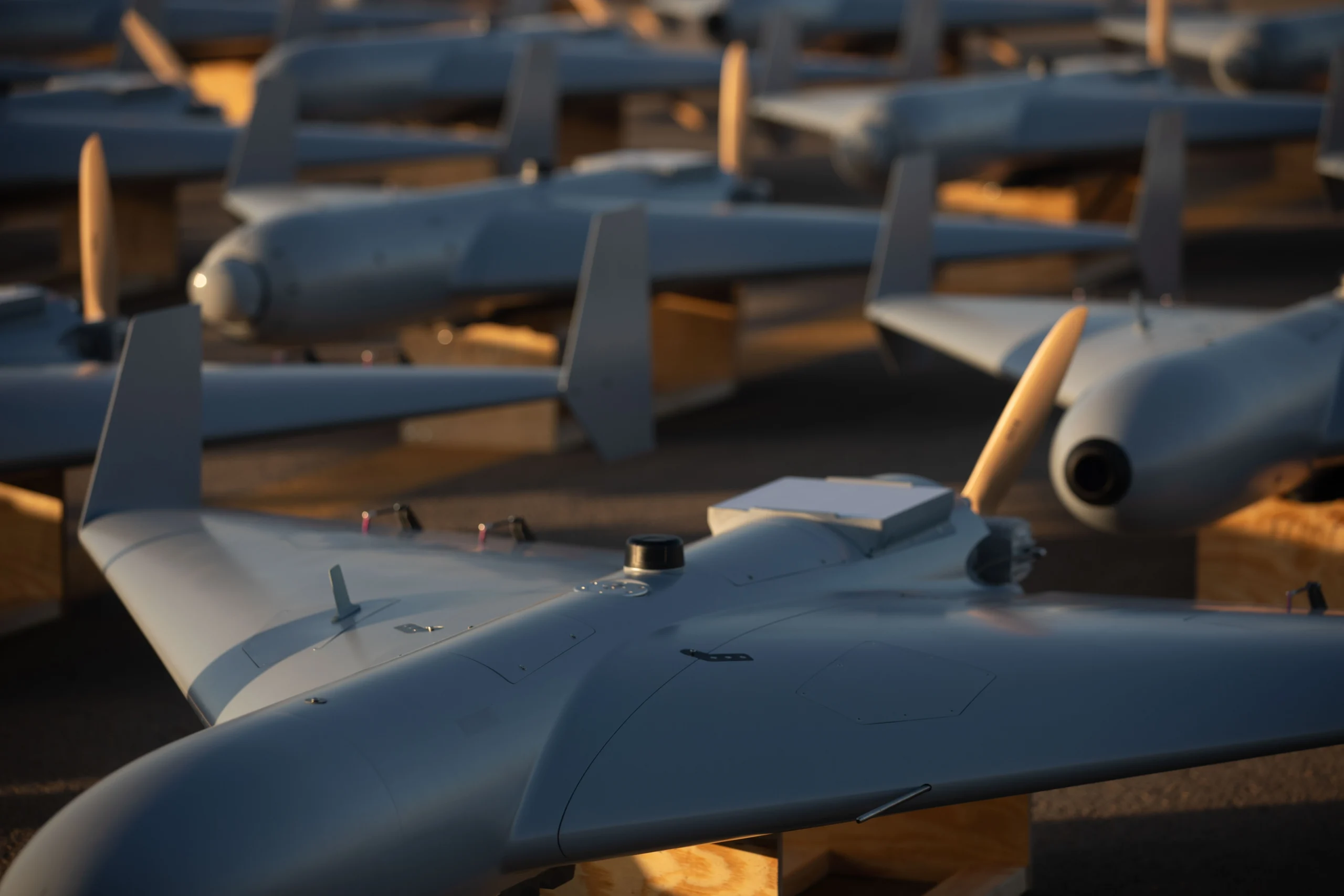
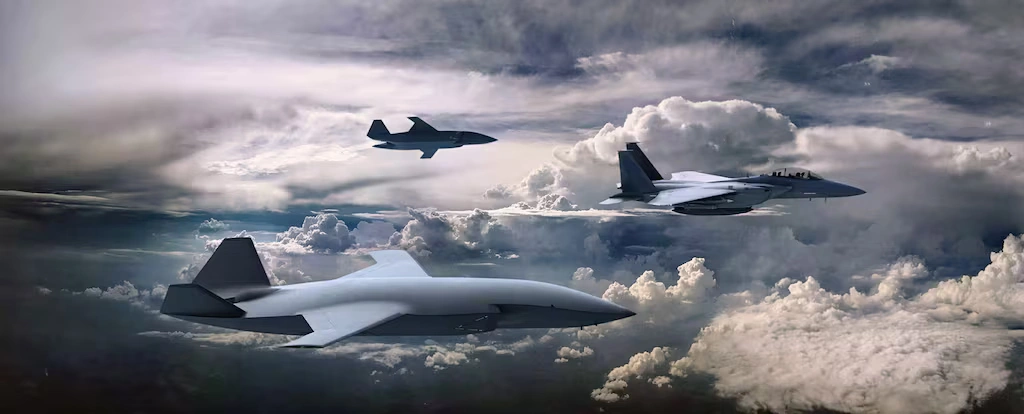
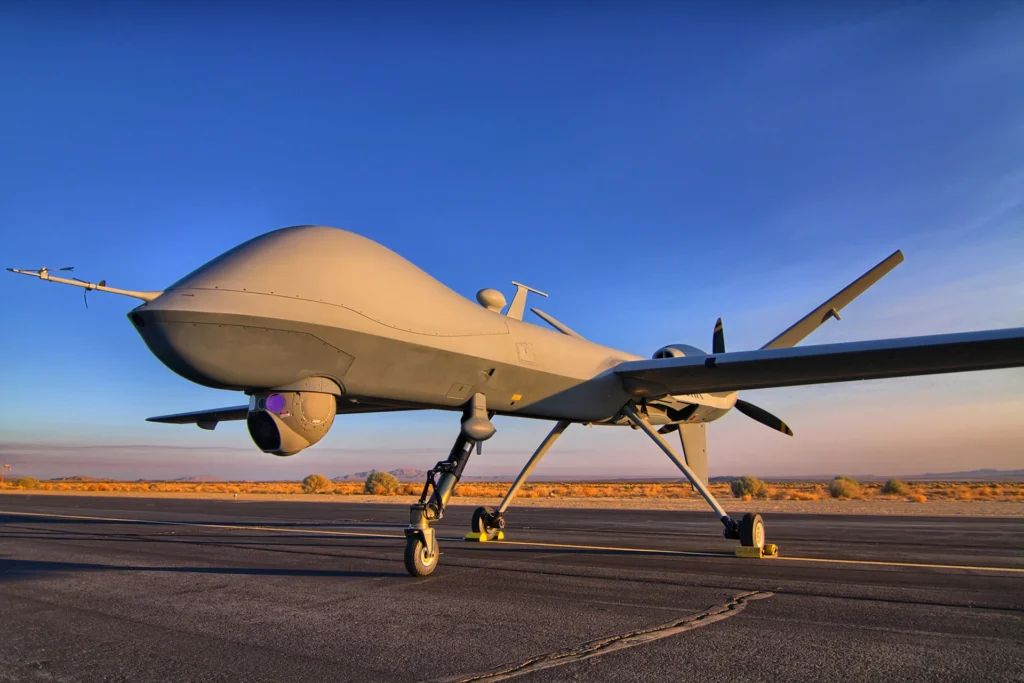
TAMPA- The United States is creating Task Force Falcon Strike (TFFS), a multinational force designed to combine one-way attack drones operating in the air, on the sea, and below the surface. US Central Command (CENTCOM) is leading the initiative.
CENTCOM has started consulting with and formally inviting regional partners, but it has not disclosed which nations will join, what systems they will provide, or the final structure of the task force.
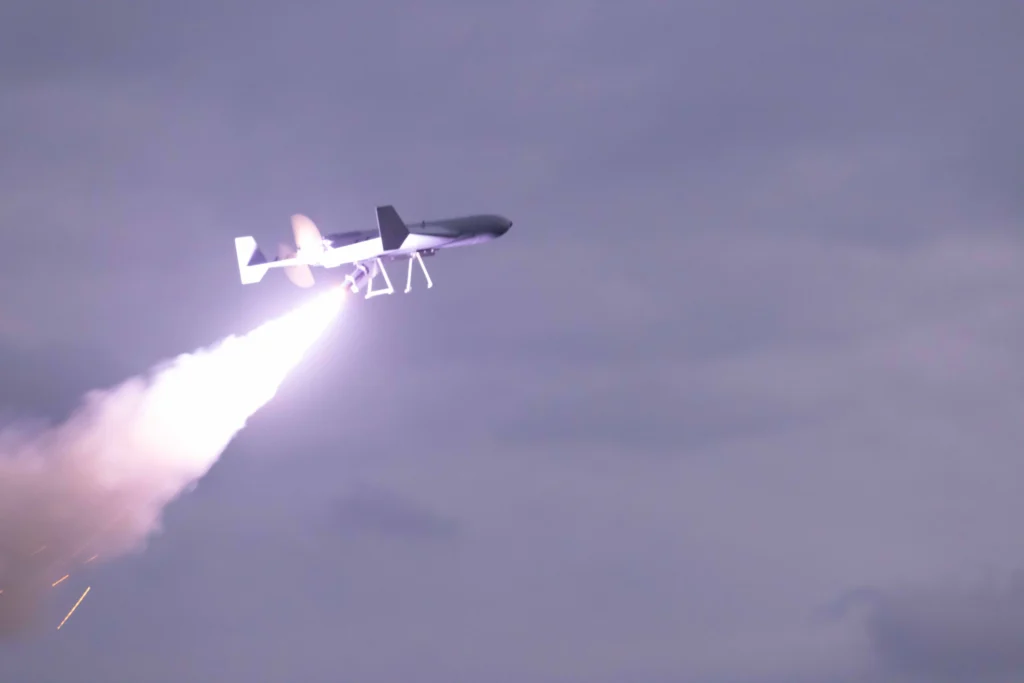
US Falcon Strike Expands One-Way Attack Drone Network
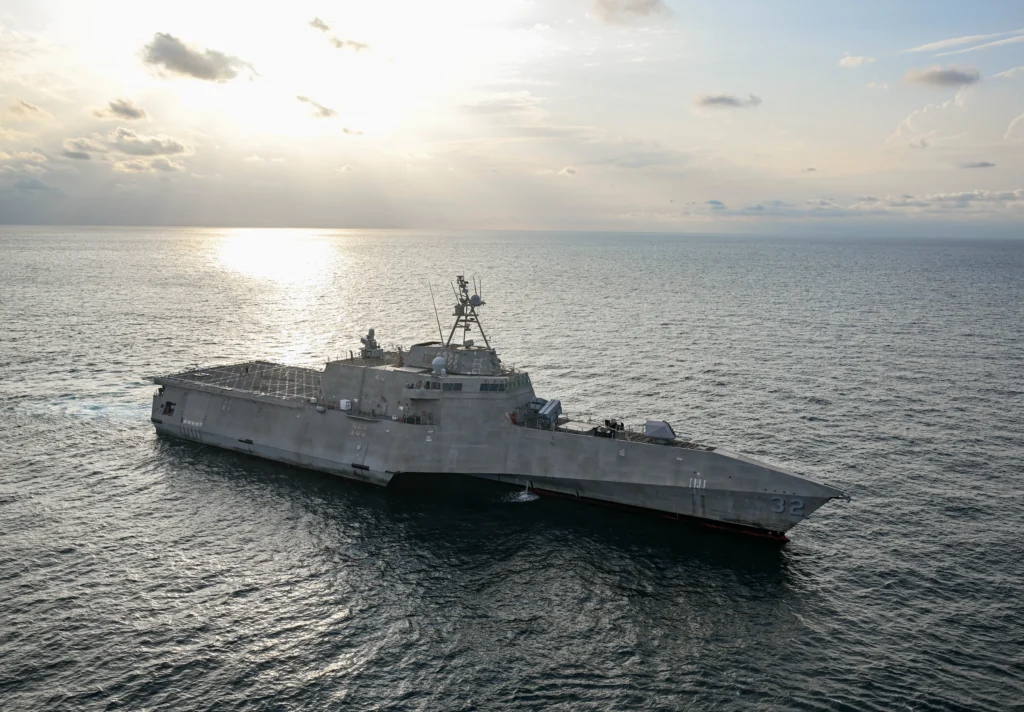
Task Force Falcon Strike is intended to create a unified multinational capability for one-way attack drones across multiple operating environments.
CENTCOM says the force will employ unmanned systems from above, on, and below the sea, operated by US military support personnel and regional partners.
The initiative builds on the US military’s growing use of unmanned systems in Middle Eastern operations. It also reflects a wider regional shift toward relatively low-cost one-way attack weapons that can complement expensive stand-off munitions.
CENTCOM has not publicly identified the regional countries that will participate. The command has also not disclosed which drone systems will be assigned, whether participating nations will contribute their own equipment, or how large the task force will become.
TWZ has tracked the development of these US unmanned capabilities as they moved from experimentation into operational use.
Scorpion Strike Laid the Groundwork
Falcon Strike follows the creation in December of Task Force Scorpion Strike (TFSS), the US military’s first dedicated one way attack drone squadron in the Middle East.
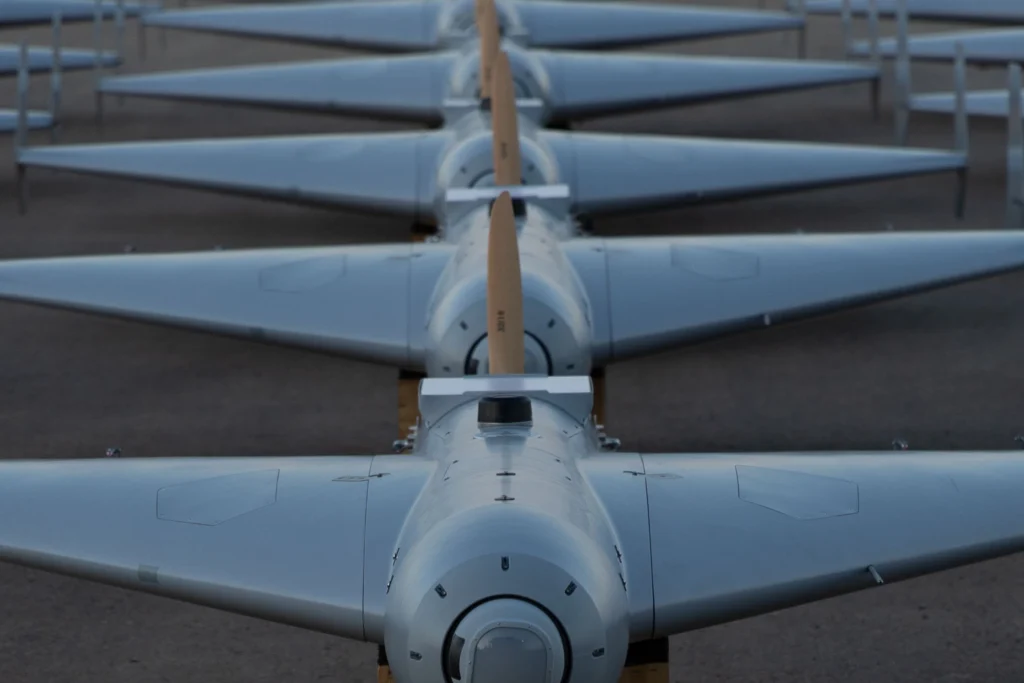
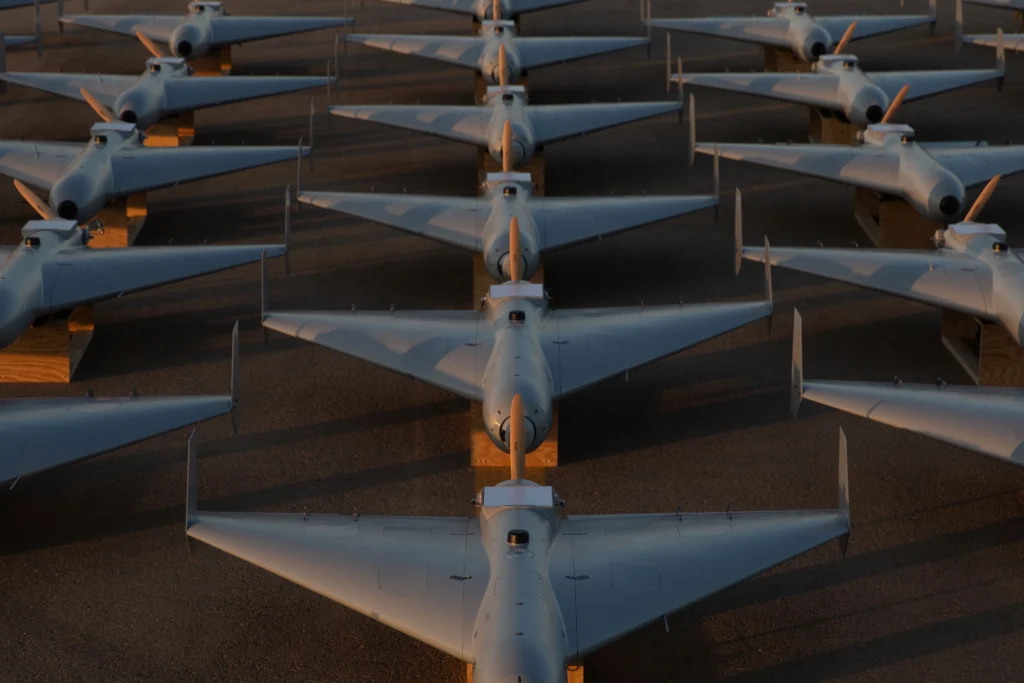
Scorpion Strike also became the first operational US unit in the region to field Low Cost Uncrewed Combat Attack System, or LUCAS, one way attack drones.
The design was reverse engineered from the Iranian designed Shahed-136, linking the American system directly to a class of weapons that has become an important feature of modern regional warfare.
A US official previously said Scorpion Strike was initially created to send a warning to Iran. Its subsequent combat deployment turned that warning-oriented unit into an operational test bed for US unmanned warfare.
Falcon Strike now seeks to build on that experience through a broader multinational structure.
Three Milestones Changed US Drone Operations
The US experience with Scorpion Strike produced several operational milestones that explain why CENTCOM is expanding the concept.
First Operational Use of LUCAS
The first major milestone came on the opening day of the war with Iran, when LUCAS drones were used operationally for the first time.
That event moved the system beyond testing and demonstrated that one-way attack drones could be integrated into an active US combat campaign.
The development was significant because inexpensive attack drones can provide additional strike capacity without consuming the same inventories of high-end weapons used for more demanding missions.
Corsair Rescue Mission in the Gulf of Oman
The second milestone came in June when a Saronic Corsair uncrewed surface vessel, or USV, rescued the crew of a US Army AH-64 Apache that crashed in the Gulf of Oman after being downed by Iran.
The operation was notable because it was the first known instance of a drone boat being used to recover personnel during a search-and-rescue mission.
The mission demonstrated that unmanned surface vessels could perform more than reconnaissance or experimental roles. A drone boat could also support personnel recovery in a contested maritime environment without placing another crewed vessel immediately at the point of risk.
First US Combat Attack by a USV
The third major milestone came in July when three Corsair USVs struck the port at Bandar Abbas Naval Base in Iran.
CENTCOM said the vessels successfully struck a submarine and ship maintenance facility. The operation marked the first time American forces used an uncrewed surface vessel as an attack weapon in combat.
That development gave the US military its first publicly acknowledged example of a surface drone being employed offensively against a maritime target.
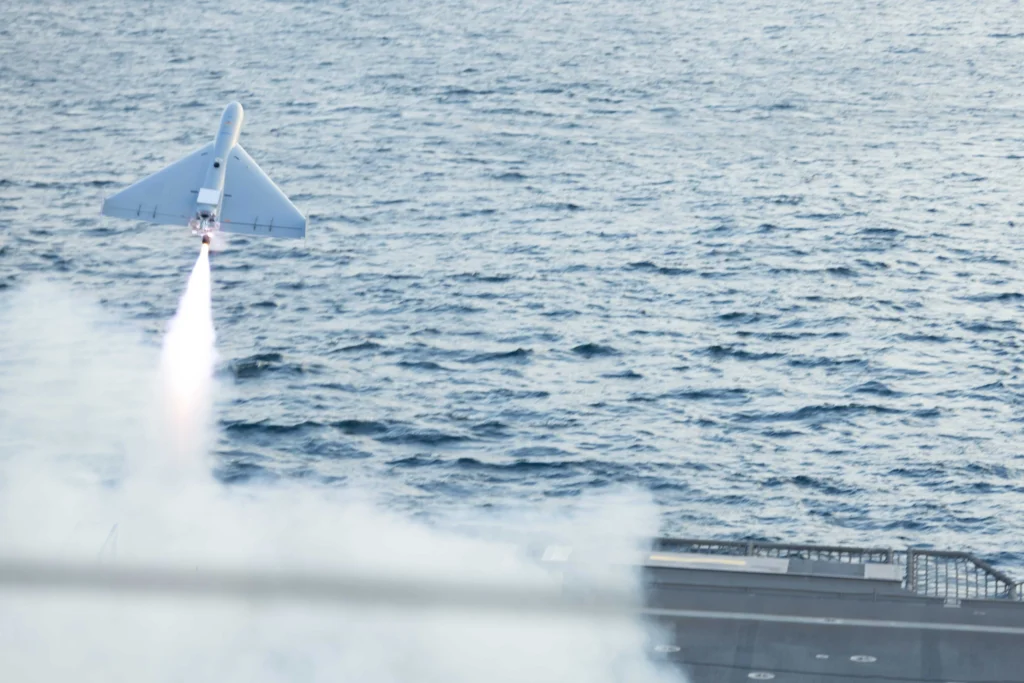
Ukraine Shows Potential of Maritime Attack Drones
The US adoption of armed USVs also follows the operational experience of Ukraine.
Ukraine has used uncrewed surface vessels extensively against the Russian Black Sea Fleet. The Magura family of maritime drones has been among the most prominent systems in that campaign, demonstrating how relatively small unmanned boats can threaten larger naval assets.
That experience provides an important regional and operational reference point for the US military.
Falcon Strike’s inclusion of surface drones indicates that CENTCOM sees maritime unmanned systems as an established combat capability rather than a technology limited to experimentation.
Falcon Strike Will Include Underwater Attack Drones
The new task force will also include uncrewed underwater vehicles, or UUVs, as attack systems.
That is a significant expansion of the US one-way attack drone concept because underwater combat systems introduce an operating environment that is fundamentally different from aircraft and surface vessels.
Publicly acknowledged US combat use of attack-oriented UUVs remains limited. CENTCOM did announce in April that UUVs were being used to assist with demining operations in the Strait of Hormuz, showing that the technology is already being employed for maritime security missions.
Ukraine Has Already Demonstrated UUV Attack Capability
Ukraine has also pushed underwater drone warfare into combat.
In December, Ukraine’s State Security Service, or SBU, said it had carried out what it described as the first-ever UUV attack on a Russian vessel. The target was a Project 636 Varshavyanka-class, also known as an Improved Kilo-class, diesel-electric submarine in Novorossiysk.
The operation showed how underwater unmanned systems can potentially threaten high-value naval assets while approaching from an environment that is difficult to monitor and defend against.
For Falcon Strike, the inclusion of UUVs therefore creates a third strike domain alongside aerial drones and uncrewed surface vessels.
Multinational Drone Deterrent
Adm. Brad Cooper, the CENTCOM commander, said Falcon Strike will build on the success of Scorpion Strike and the innovation taking place among regional allies and partners.
He said integrating and deploying new capabilities together would allow the United States and its partners to realize emerging operational possibilities more rapidly.
CENTCOM has described the long-term objective as scaling attack-drone capabilities across the Middle East into a unified, multi-domain, multinational deterrent.
The concept is broader than simply creating another US drone unit. It aims to establish a network in which American and regional forces can develop, operate, and integrate unmanned strike capabilities together.
SOCCENT Will Lead the Task Force Staff
US Special Operations Command Central, or SOCCENT, will lead the staff of US and regional representatives assigned to Falcon Strike.
SOCCENT also launched Scorpion Strike, giving the command continuity as the US moves from a dedicated one-way attack drone squadron toward a larger multinational framework.
The final command structure will become clearer after regional partners formally join.
Regional Tensions
Falcon Strike is being established while tensions across the Middle East remain high.
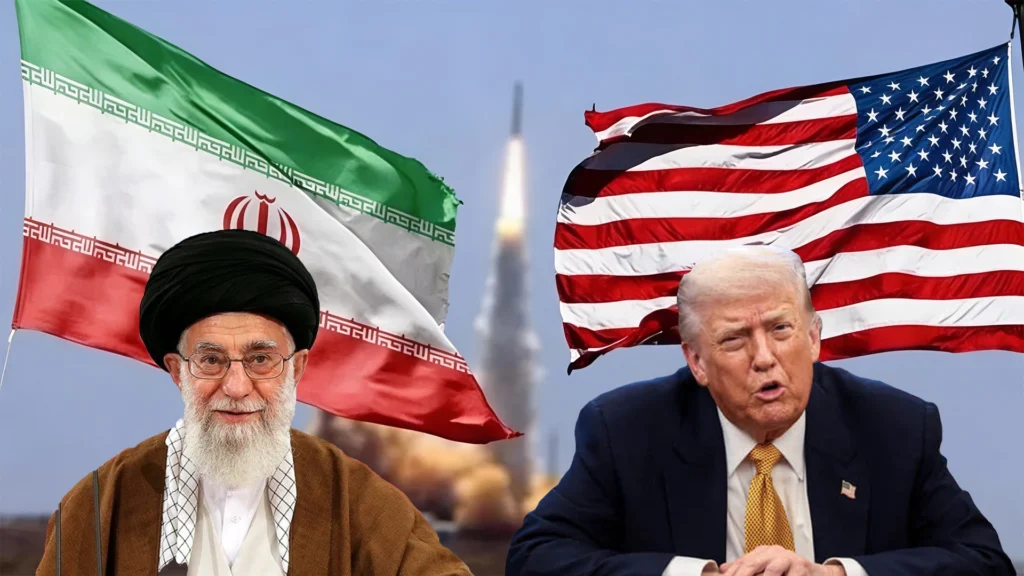
The US and Iran have paused direct combat, but the broader confrontation has continued. One of the main points of contention is the Strait of Hormuz, where Washington and Tehran continue to dispute control and authority.
President Donald Trump said the United States controls the Strait and indicated that the US naval blockade of Iranian ports would remain in place. Iranian officials, by contrast, said the Strait remained under Iran’s control and management.
The unresolved dispute matters because the Strait is a critical maritime chokepoint. Any renewed confrontation in the area could place commercial shipping, naval forces, and maritime infrastructure under increased pressure.
Houthi Attacks Add to Maritime Threat
The security environment is also being shaped by renewed Houthi attacks on shipping in the Red Sea region.
According to the source material, the Houthis carried out their first deadly attack on shipping in the region in more than a year. The escalation followed the announcement of a blockade against Saudi shipping and attacks involving Saudi vessels, oil infrastructure, and Saudi-backed forces in Yemen.
The developments raised concerns that the United States could again become deeply involved in protecting commercial shipping, as it did during the previous Houthi campaign against maritime traffic.
Risk to Commercial Shipping
A particularly serious incident involved the Tanzania-flagged cargo ship Tihamah in the Bab el-Mandeb Strait.
The ship was reportedly hit by three consecutive ballistic missiles. Four crew members were killed. Another missile was then reportedly fired while rescue personnel were responding, killing two people and injuring three members of the rescue team.
The incident illustrates why persistent maritime surveillance and distributed unmanned systems are increasingly relevant to the region.
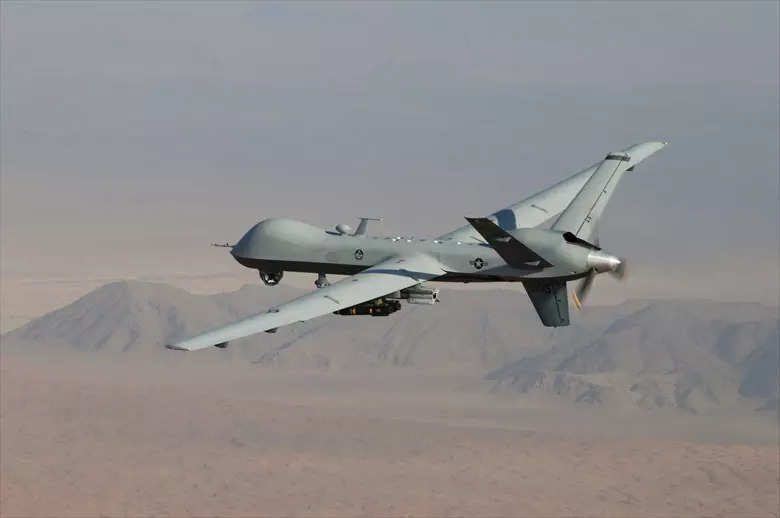
A multinational force able to employ air, surface, and underwater drones could provide additional options for surveillance, strike missions, maritime protection, and other operations around contested waterways.

Low-Cost Strike Options
Falcon Strike also addresses concerns about the number of expensive, high-end stand-off weapons the US can maintain for sustained operations.
One-way attack drones are not replacements for cruise missiles or other high-end weapons. Their value lies in providing another category of strike capability that can be produced and employed at potentially lower cost.
This matters because sustained combat consumes munitions. Using lower-cost systems for appropriate targets can reduce pressure on stocks of more expensive stand-off weapons and preserve those systems for missions that require their specific range, accuracy, payload, or performance.
The move toward one-way attack drones therefore reflects a broader effort to increase the depth and diversity of available strike weapons.
Falcon Strike Could Expand the Regional Drone Market
The new task force could also have an important industrial effect.
A multinational US-led drone structure could create stronger demand for one-way attack systems in the Middle East.
That could open a larger regional market for drones built in the United States, particularly if partner nations seek systems that can operate alongside American forces.
The original source identifies this as a potentially lucrative marketplace, adding an industrial and defense-export dimension to Falcon Strike.
Falcon Strike
Despite the announcement, many details remain undisclosed. CENTCOM has not identified the regional nations being invited or the countries that have formally agreed to participate.
It has not provided a complete list of the unmanned systems that will be used, nor has it said whether partners will bring nationally developed or purchased equipment.
The command has also not publicly explained the final size of the force, its deployment locations, or the precise division of responsibilities between Falcon Strike, Scorpion Strike, SOCCENT, and other existing US unmanned organizations.
Those details will determine how much operational capability the new task force can deliver.
New Phase of US Unmanned Warfare
Task Force Falcon Strike represents a shift from individual drone experiments and specialized units toward a broader multinational force built around one-way attack systems.
Its planned combination of aerial drones, uncrewed surface vessels, and underwater vehicles reflects lessons from US operations, Iranian drone development, Israeli experience with one-way attack munitions, and Ukrainian combat use of maritime and underwater unmanned systems.
The immediate goal is to create a stronger regional deterrent by combining US and partner capabilities. The longer-term effect could be a more permanent role for low-cost autonomous strike systems in Middle Eastern military planning.
The task force is still taking shape, and its eventual composition remains unclear. What is already established, however, is that CENTCOM is moving toward a multi-domain, multinational approach in which unmanned systems become a larger part of US and allied combat power.
Stay tuned with us. Further, follow us on social media for the latest updates.
Join us on Telegram Group for the Latest Aviation Updates. Subsequently, follow us on Google News
