

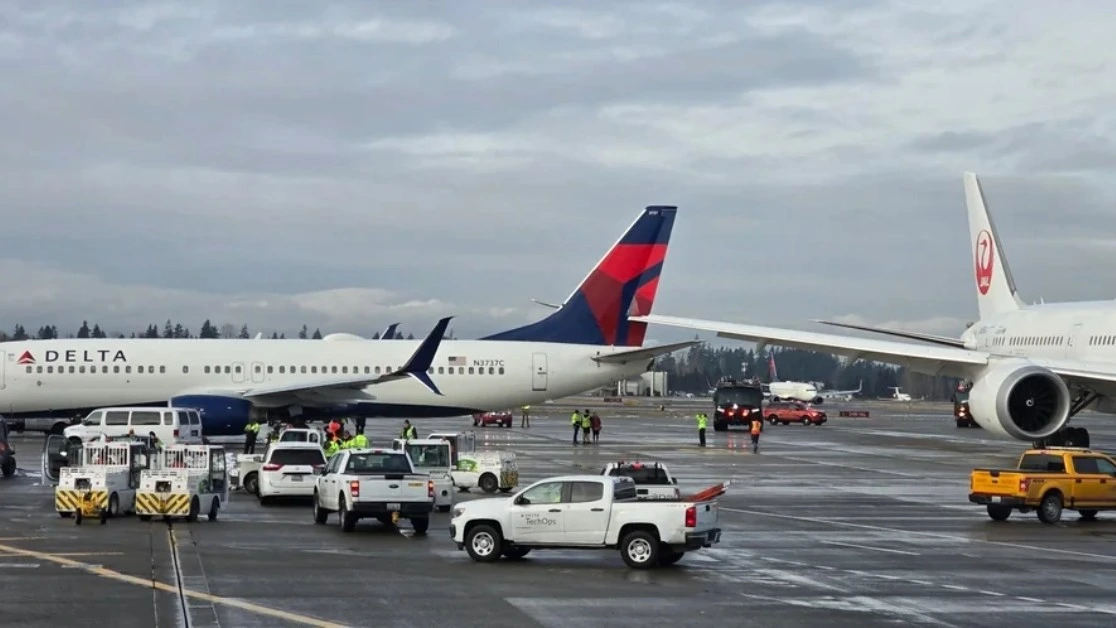
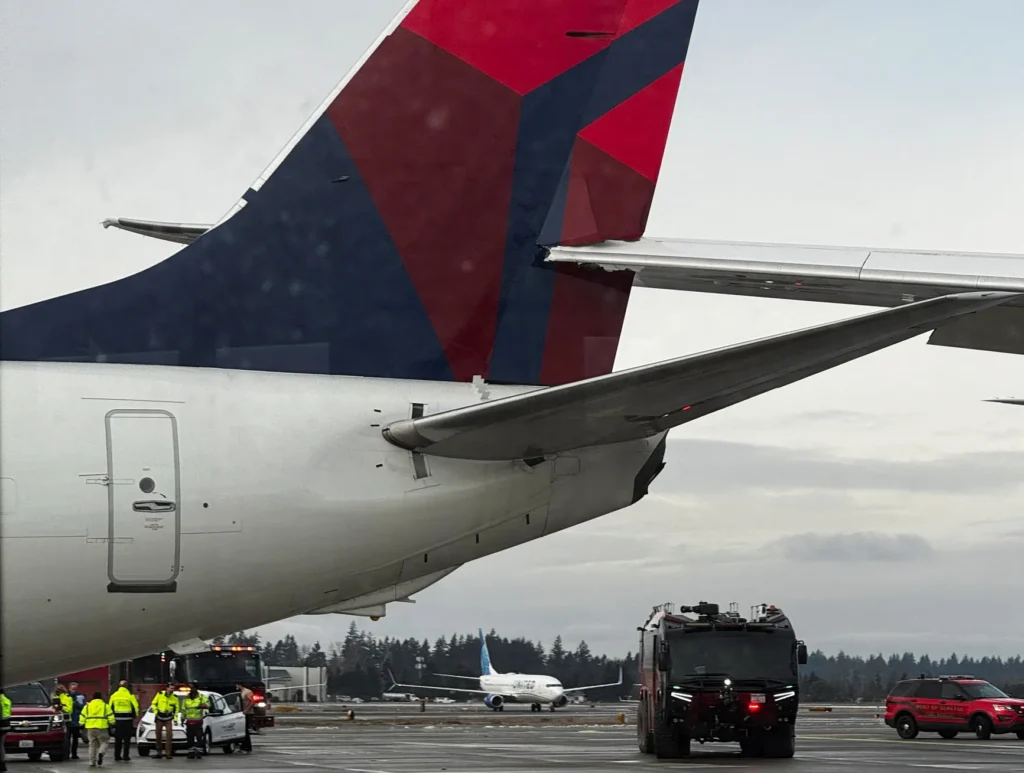
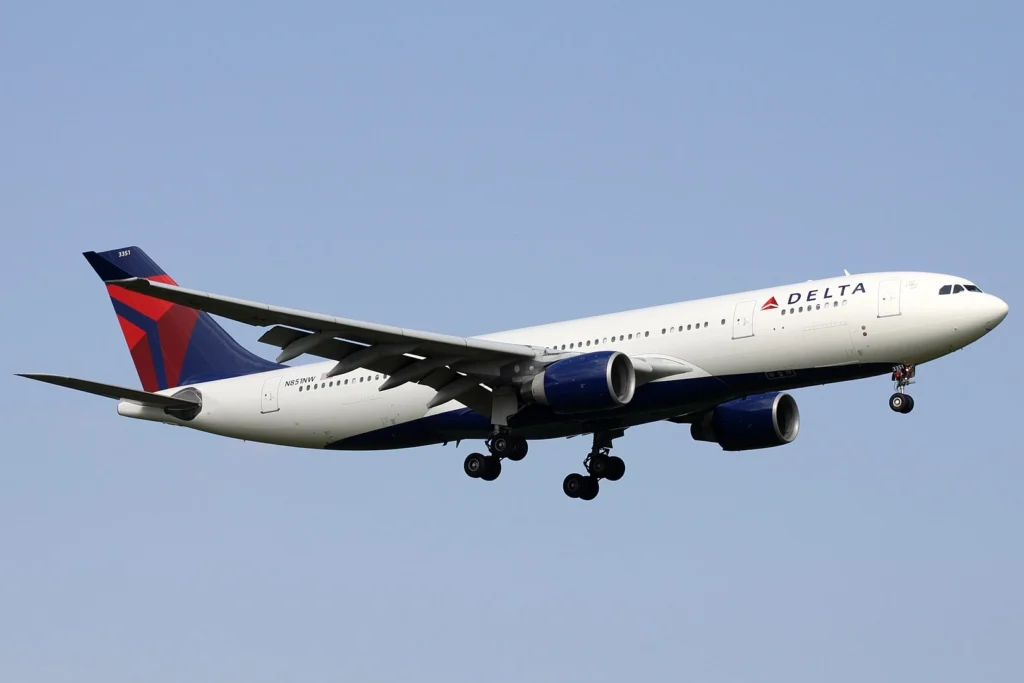
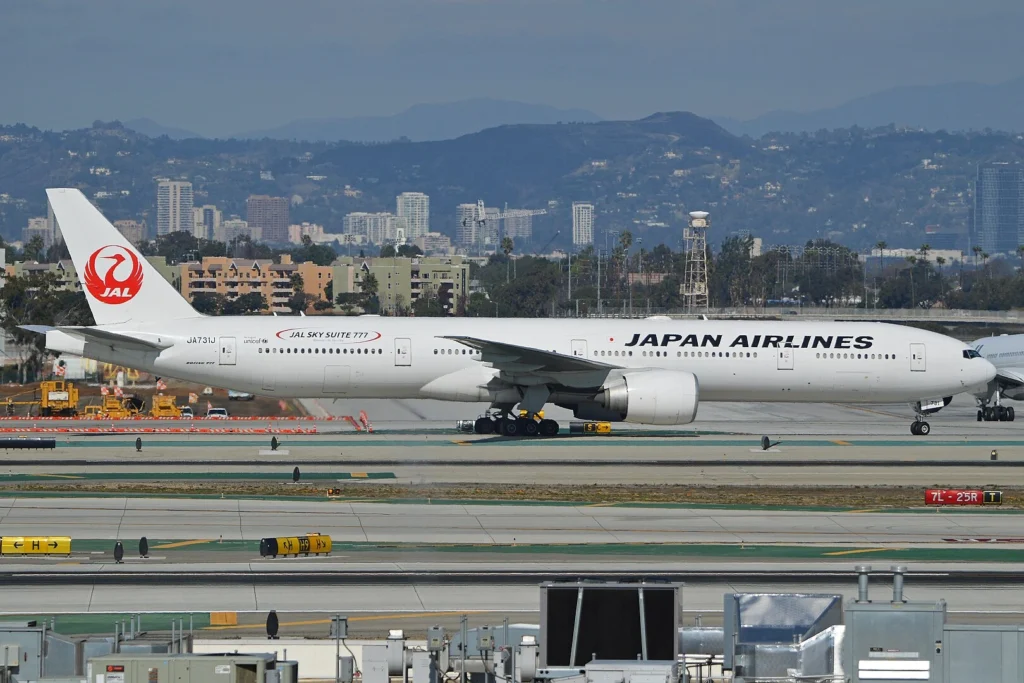
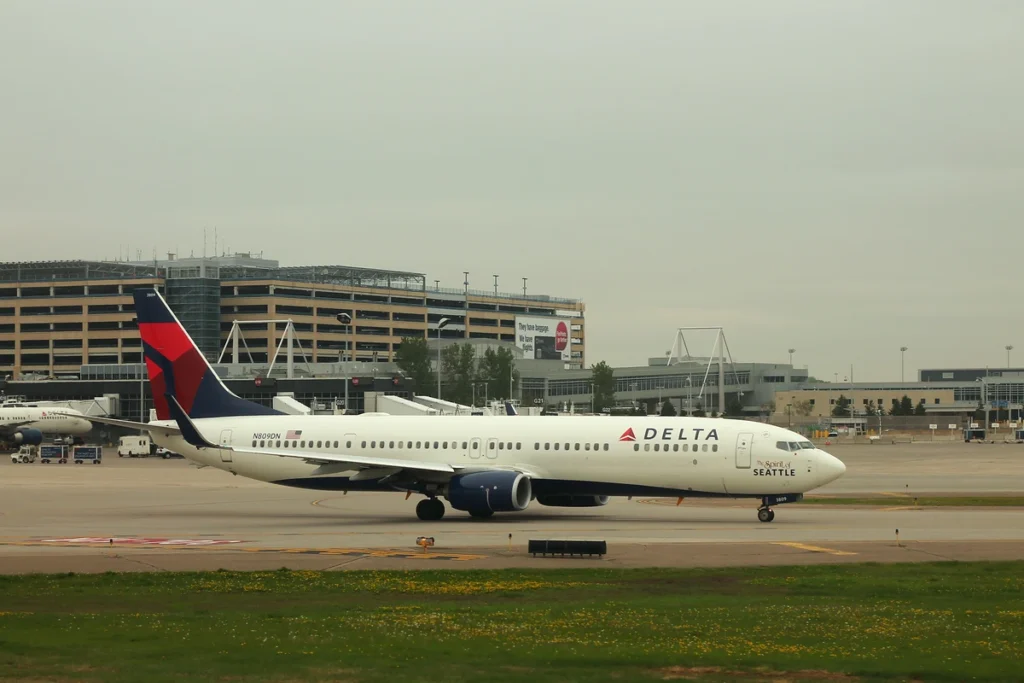
ATLANTA- Delta Air Lines (DL) Flight 1921 was preparing to fly from Seattle (SEA) to Puerto Vallarta International Airport (PVR) on February 5, 2025, when a Japan Airlines (JL) Boeing 787 struck the Delta Boeing 737’s tail at very low speed. The NTSB later found that the JAL crew failed to maintain adequate clearance.
Japan Airlines Flight 68 had arrived from Tokyo Narita (NRT). The collision was officially recorded as causing no injuries among 150 people aboard Delta and 185 aboard JAL, yet 7 members of one extended family have since pursued injury claims connected to the incident.
Delta Air Lines and Japan Airlines Collision
A new federal lawsuit by Renardo Robertson adds another member of the same family to the litigation arising from the Seattle airport collision.
Robertson alleges that the impact pushed and twisted the Delta aircraft, causing his body to strike a console and injuring his lower back, with symptoms extending into one leg.
According to the allegations described in the lawsuit, Robertson says he has undergone “significant and invasive medical care.”
The complaint, however, does not identify the procedure, when it occurred or the specific diagnosis that required it. Because these are allegations in pending litigation, the claims have not been established as facts.
The other members of the family who have pursued claims are Robertson’s wife, Donna Robertson; his daughter, Danielle Robertson; Danielle’s husband, Vainqueur Niyotwagira; Danielle’s 2 daughters; and Donna’s brother, Cary Baylis. Court records confirm that Danielle Robertson, acting individually and as guardian of her minor daughters, and Niyotwagira are plaintiffs in one federal case against Delta Air Lines and Japan Airlines.
A separate case filed in August 2025 names Donna Robertson and Cary Baylis as plaintiffs and both airlines as defendants.
Reporting from View from the Wing also examined the unusual situation, including how the airline operating the injured passengers’ flight could face liability even though the NTSB attributed the collision to the other airline.
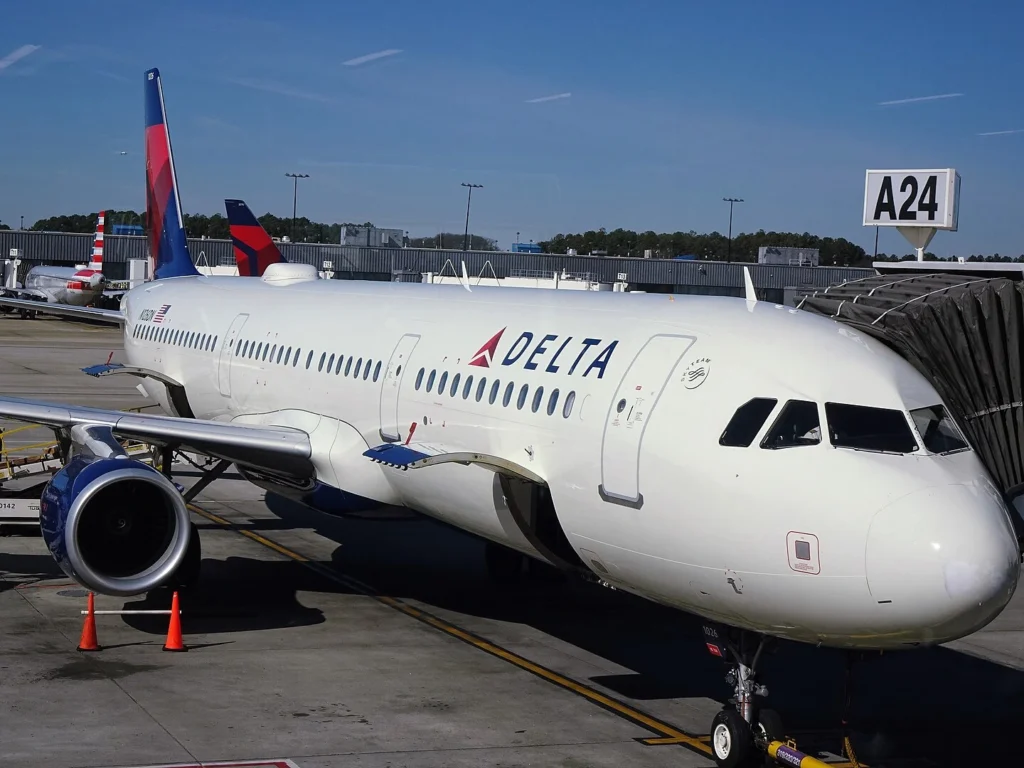
Delta Flight 1921 had pushed back from gate A11 and stopped near the south deicing pad while waiting in a congested area.
The aircraft was parked with its brake set. Ahead of the Delta 737 were deicing vehicles, leaving the crew with limited ability to move while waiting for ground guidance.
Japan Airlines Flight 68 had just arrived from Tokyo Narita. Its crew received several routing changes from ramp control because of congestion.
The NTSB investigation found that snow and deicing fluid made the ramp slippery and that the area had poorly defined holding points. No ground marshal was directing the JAL aircraft.
As the Boeing 787 passed behind the Delta 737, its captain moved slightly left to create additional space. The crew discussed whether the right wingtip would clear the Delta aircraft.
The first officer assessed the wingtip as clear but later recognized that the judgment was incorrect. The JAL crew estimated its taxi speed at about two knots before contact.
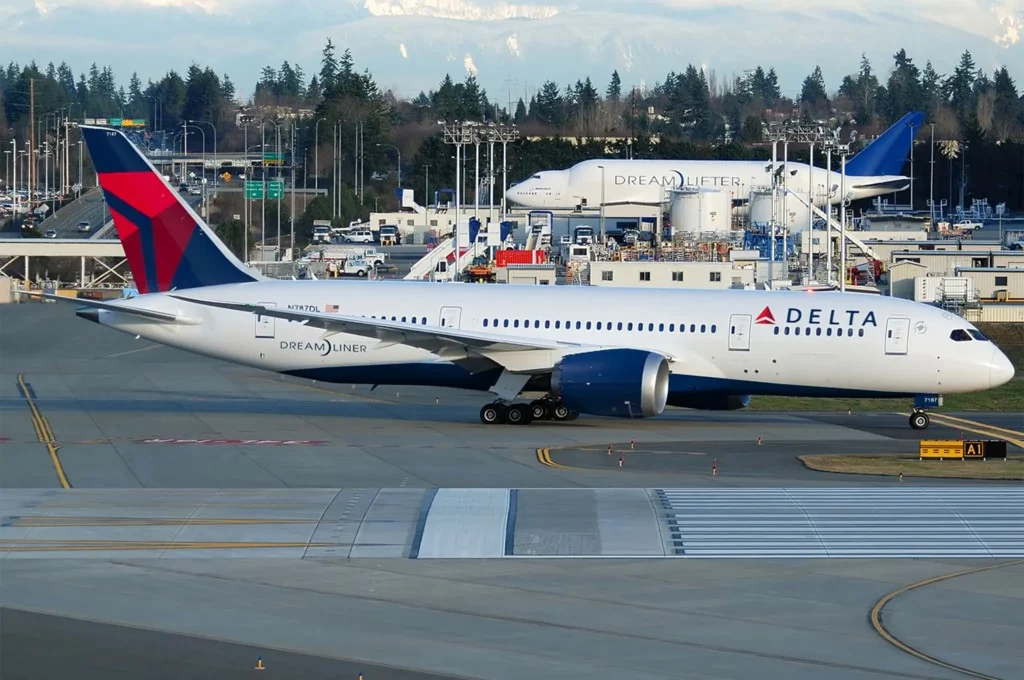
The 787’s right wingtip then struck the vertical stabilizer of the parked Delta 737. The Delta aircraft sustained substantial damage to its tail, while the JAL aircraft suffered minor wingtip damage.
The NTSB determined that the probable cause was the Japan Airlines crew’s failure to maintain adequate clearance from the parked Delta aircraft while taxiing in congested ramp conditions.
Delta’s first officer had seen the approaching wing and warned the captain. The Delta aircraft nevertheless could not simply move away because the path ahead was constrained by deicing activity and surrounding traffic.
The NTSB’s final report states that the Delta crew reported no injuries and coordinated passenger deplaning after the collision.
Official Report Recorded No Injuries
The NTSB investigation recorded no injuries among Delta’s 144 passengers and six crew members or JAL’s 172 passengers and 13 crew members. The agency’s public docket identifies the investigation as DCA25LA117, involving the February 5, 2025 accident in Seattle.
That finding does not automatically prevent a passenger from later alleging an injury. A person can develop symptoms after an event, and a later civil case can turn on medical evidence, causation and damages rather than on whether an injury was documented at the scene.
The more unusual point is that the known lawsuits reviewed in connection with the incident involve members of one extended family.
The available reporting and court records reviewed for this article do not identify another passenger from the flight who has filed a comparable federal lawsuit. That does not establish that no other passenger experienced symptoms or made an informal claim.
Family’s Individual Injury Allegations
Donna Robertson’s allegations add different circumstances to the family’s claims. According to reporting on her complaint, she allegedly struck her knee against the seat in front of her during the collision and experienced spasms.
The complaint also states that she had a history of back surgery and that her reservation contained a wheelchair notation. She and Baylis remained on the aircraft while awaiting medical assistance.
Cary Baylis is described in the complaint as nonverbal and autistic. Because he did not communicate an injury verbally after the collision, the allegation was based on observed behavior, including his favoring of his shoulder, back and leg. Robertson is also identified as his legal guardian in the litigation.
These details do not prove or disprove the claims. They do illustrate why the court may need to consider each passenger’s position, movements, medical history and symptoms separately rather than treating the family as a single injury case.
Family members may also have been seated near one another, may have reacted differently to the impact, or may have been holding or assisting children.
A pre-existing condition could make one passenger more vulnerable than another. Those are possible explanations for different injury outcomes, but the court will need evidence before accepting any particular explanation.
Delta Could Face Claim
The Delta flight was an international journey from the United States to Mexico. Passenger injury claims therefore raise issues under the Montreal Convention, which establishes rules for international carriage by air.
For a passenger pursuing a treaty-based injury claim, the key questions include whether an accident occurred, whether the passenger suffered bodily injury, whether the accident caused that injury and whether the passenger sustained compensable damages.
The collision itself is not in dispute. The more difficult questions concern injury, medical causation and the amount of loss.
The legal structure is important because the airline carrying the passenger can face Montreal Convention liability even when another party caused the underlying accident. In this case, Delta was transporting the Robertson family, while Japan Airlines operated the aircraft that struck the Delta plane.
The Montreal Convention’s current Article 21 liability threshold is 151,880 Special Drawing Rights (SDRs), effective December 28, 2024. Below that threshold, the carrier cannot exclude or limit liability under the treaty’s two-tier framework.
For damages above that amount, the carrier can avoid additional liability by establishing that the damage was not caused by its negligence or wrongful act, or that it was solely caused by the negligence or wrongful act of a third party.
The SDR value changes against the US dollar, so the treaty threshold is more accurately stated in SDRs rather than as a fixed dollar amount.
Delta’s Position Is Different From JAL’s
The NTSB’s finding does not identify Delta as the airline that caused the collision. The Delta aircraft was stationary, its brake was set, and the crew had limited ability to move because of the surrounding deicing operation.
The NTSB instead identified the JAL crew’s failure to maintain adequate clearance as the probable cause.
That distinction matters to the litigation. A Montreal Convention claim against Delta is based on Delta’s role as the carrier transporting the passengers. A negligence claim against JAL concerns the conduct of the crew that operated the Boeing 787.
The August 2025 federal case filed by Donna Robertson and Cary Baylis names both Delta Air Lines and Japan Airlines as defendants. The earlier Danielle Robertson and Vainqueur Niyotwagira case likewise names both airlines.
JAL’s inclusion in the lawsuits reflects the alleged conduct that caused the collision, while Delta’s inclusion reflects its role as the passengers’ carrier. The two theories of liability therefore do not depend on exactly the same legal standard.
NTSB’s Probable-Cause Finding
The NTSB concluded that JAL’s flight crew failed to maintain adequate clearance. That conclusion is important to understanding how the accident occurred, but federal law restricts the use of an NTSB accident report in civil damages litigation.
Under 49 U.S.C. § 1154(b), no part of an NTSB Board report relating to an accident or accident investigation may be admitted into evidence or used in a civil action for damages resulting from a matter mentioned in the report.
As a result, the parties cannot simply present the NTSB’s formal probable-cause conclusion as a binding finding of civil liability.
Other evidence from the investigation may still become relevant under the rules of evidence, but the statutory restriction on the Board’s report remains an important part of the litigation.
Main Legal Issue Is Injury and Causation
The collision itself is established by the NTSB investigation. The current disputes are more specific: whether each plaintiff suffered a compensable bodily injury, whether the February 5 collision caused that injury, and what damages can be supported by admissible evidence.
The very low taxi speed makes the alleged injury mechanism an important factual issue, but the speed alone does not decide whether an injury occurred.
Medical evidence, passenger positioning, the force transmitted through the aircraft, prior medical conditions, and the timing of symptoms can all become relevant to causation.
The fact that all seven known plaintiffs are members of the same family is unusual, but it is not by itself evidence that the claims are valid or invalid. Each plaintiff’s allegations must be evaluated on the evidence applicable to that person.
The lawsuits remain pending allegations. The NTSB’s accident finding establishes the agency’s conclusion about how the collision occurred, but it does not determine the medical validity of the individual claims or the amount of damages recoverable in court.
What Happens Next
The cases will likely turn on medical records, testimony, expert evidence and the legal standards governing the claims against each airline.
The federal docket for the Donna Robertson and Cary Baylis case shows both Delta and Japan Airlines as defendants, with discovery and trial proceedings continuing under the court’s schedule. A January 2026 order set a jury trial for April 19, 2027, subject to later court action.
The Seattle collision therefore presents two separate questions. The aviation investigation has already attributed the collision to JAL’s failure to maintain clearance.
The civil lawsuits must still determine whether the individual passengers suffered legally compensable injuries and which defendant, if any, is responsible for those losses.
Stay tuned with us. Further, follow us on social media for the latest updates.
Join us on Telegram Group for the Latest Aviation Updates. Subsequently, follow us on Google News
