

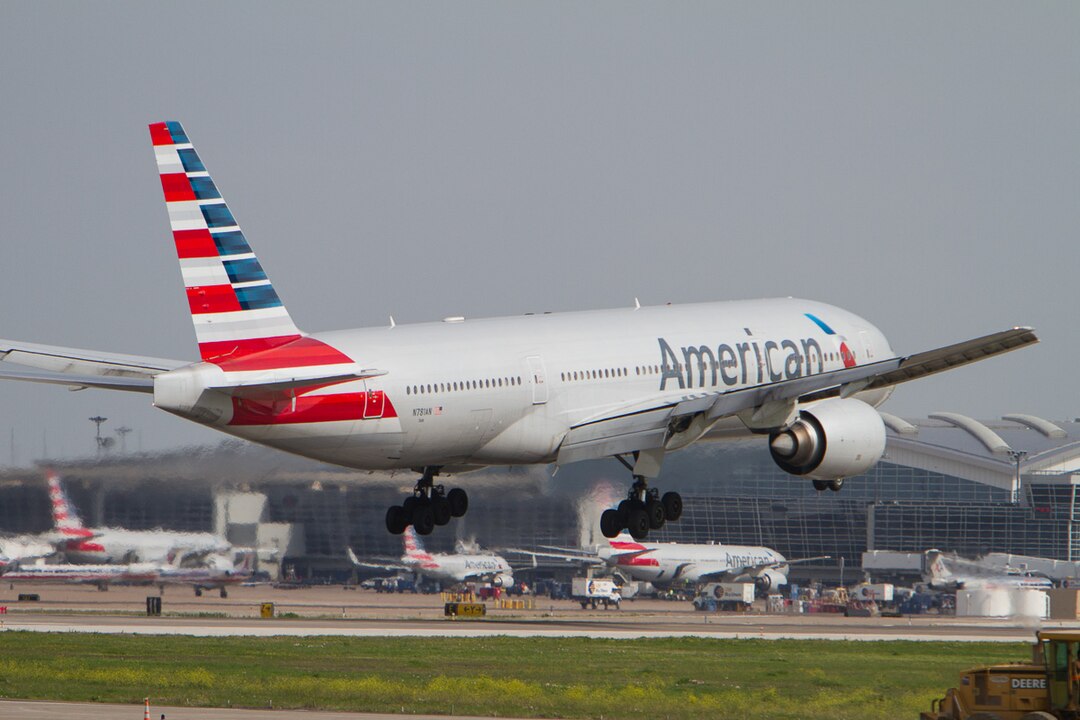
PHOENIX- American Airlines (AA) experienced an unusual operational event at Phoenix Sky Harbor International Airport (PHX) when two Boeing 737 flights carrying the identical callsign ended up on the same air traffic control frequency while operating in opposite directions.
The incident involved flights between Phoenix Sky Harbor International Airport (PHX) and Chicago O’Hare International Airport (ORD). Despite the potentially confusing situation, a veteran air traffic controller calmly managed both aircraft, preventing any communication errors and maintaining safe separation.
American Airlines Rare Callsign Conflict Creates Unusual ATC Challenge
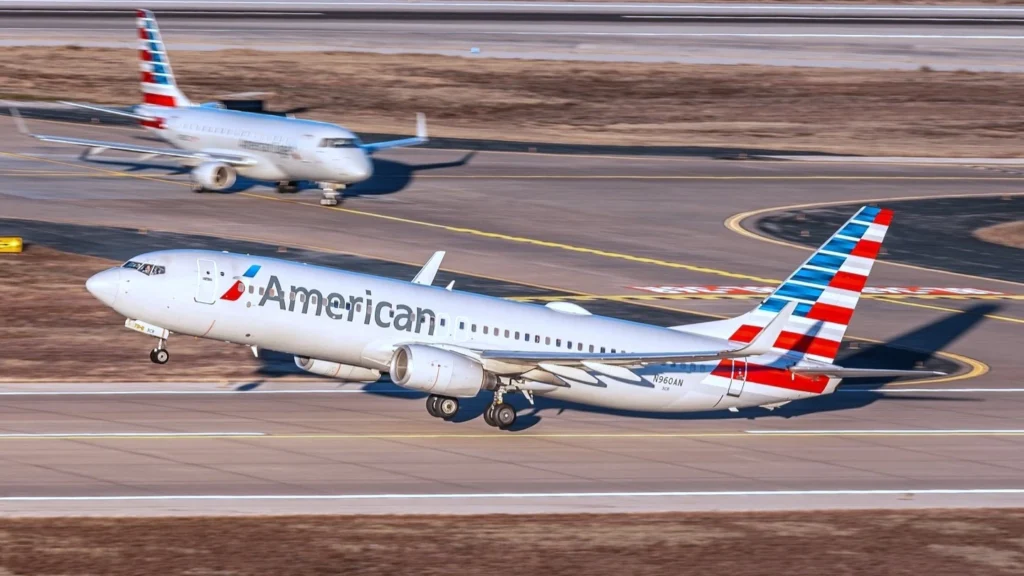
An uncommon air traffic control situation unfolded late on Thursday, August 13, 2026, when two American Airlines (AA) Boeing 737 aircraft were simultaneously operating with the same flight number, AA2482.
One aircraft had just departed Phoenix Sky Harbor International Airport (PHX) for Chicago O’Hare International Airport (ORD), taking off at approximately 11:58 p.m., slightly behind its scheduled departure.
At nearly the same time, another American Airlines (AA) Boeing 737 operating the exact same flight number was approaching Phoenix from Chicago after departing nearly two hours later than originally scheduled.
Because the inbound aircraft was significantly delayed while the outbound service operated close to schedule using a different aircraft and crew, both flights unexpectedly entered the Phoenix terminal area simultaneously.
According to OMAAT, the unusual overlap placed both aircraft on the same air traffic control frequency while they were flying toward one another with only vertical separation, creating an extremely rare communication challenge.
Controller Uses Simple Solution to Avoid Confusion
The greatest concern was not the physical separation between the aircraft, which remained under air traffic control standards, but the possibility that pilots could mistake instructions intended for the other aircraft.
Commercial flights typically communicate with controllers using the airline’s callsign followed by the flight number. Since both aircraft were identified as American 2482, every radio transmission required extra care.
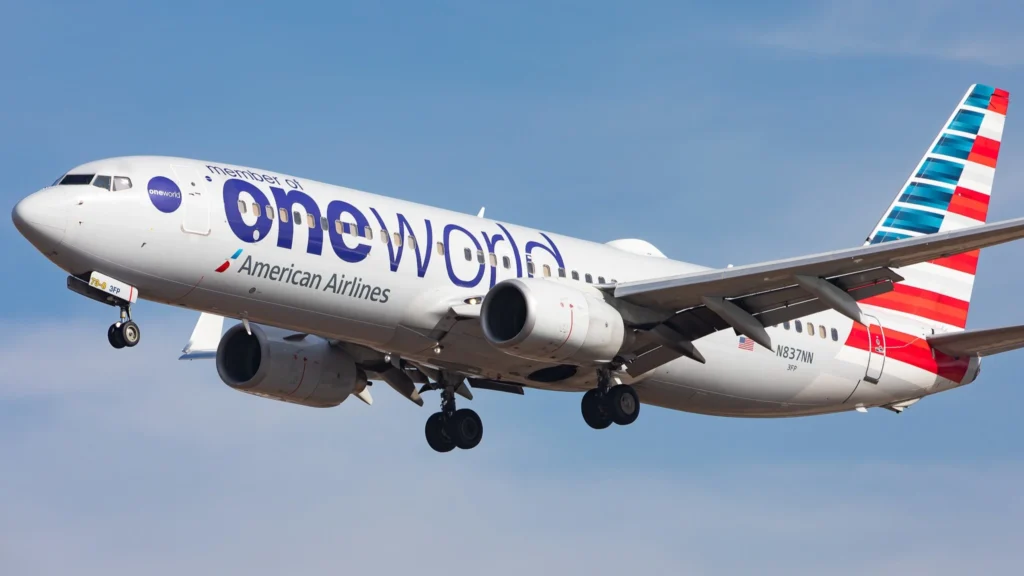
The veteran controller immediately recognized the issue and adopted a straightforward solution. Rather than requesting a temporary callsign change, he distinguished the aircraft by referring to them as:
- American 2482 on the arrival
- American 2482 on the departure
This clear wording ensured each flight crew understood which aircraft was receiving instructions while both aircraft crossed overhead during their respective climb and descent phases.
After safely guiding both flights through the encounter, the controller remarked that he had never witnessed such a situation during his 25 years of working air traffic control.
He also noted that the incident could have become far more serious had either crew misunderstood a radio transmission.
Why Did Two Flights Share the Same Callsign?
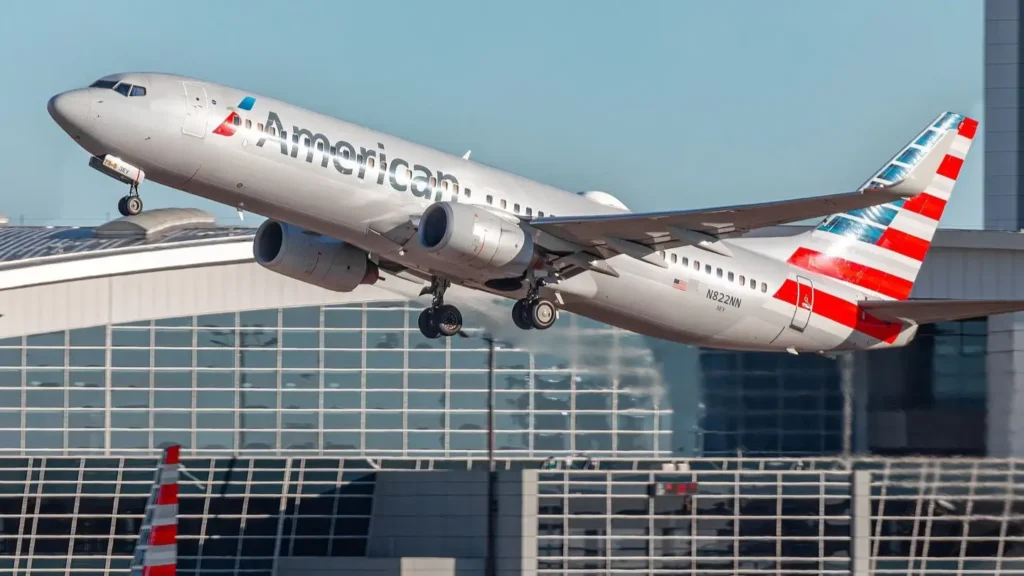
Using the same flight number for flights operating in opposite directions is not uncommon in the United States.
Many airlines assign identical flight numbers to outbound and return services, particularly when the same aircraft is expected to complete both segments.
Under normal circumstances, the inbound aircraft arrives before the outbound departure begins, preventing both flights from operating simultaneously.
In this case, however, the inbound Chicago to Phoenix service departed nearly two hours late. Rather than delaying passengers waiting in Phoenix, American Airlines assigned another Boeing 737 and crew to operate the scheduled departure to Chicago.
That operational decision resulted in two separate aircraft legally flying with the identical callsign at the same time.
Normally, if duplicate callsigns are expected to create confusion within the same airspace, a temporary modification such as adding a suffix to one callsign may be coordinated. Whether such coordination was expected or why it did not occur remains unclear.
Professional Communication Prevented Any Operational Issues
Although the situation appeared unusual, the flights remained under positive air traffic control with appropriate vertical separation throughout the encounter.
The professionalism displayed by both the controller and the flight crews ensured that every instruction was correctly acknowledged and followed.
The incident highlights how standard communication procedures and experienced controllers continue to play an essential role in maintaining aviation safety, even during highly uncommon operational scenarios.
While duplicate callsigns occasionally exist within airline schedules, it is exceptionally rare for two aircraft using the same identifier to operate on the same control frequency while flying toward each other in the same airspace.
The event ultimately concluded without incident, serving as a reminder that effective communication remains one of aviation’s strongest safety barriers.
Stay tuned with us. Further, follow us on social media for the latest updates.
Join us on Telegram Group for the Latest Aviation Updates. Subsequently, follow us on Google News
