


ATLANTA- Delta Air Lines (DL) is reconsidering the ideal size of its domestic First Class cabins after an unusual Airbus A321neo configuration produced stronger paid demand than expected.
The temporary aircraft configuration has 44 First Class seats, compared with 20 on a standard Delta A321neo. Delta executives now suggest that the long-term premium cabin sweet spot could fall somewhere between 24 and 44 seats.
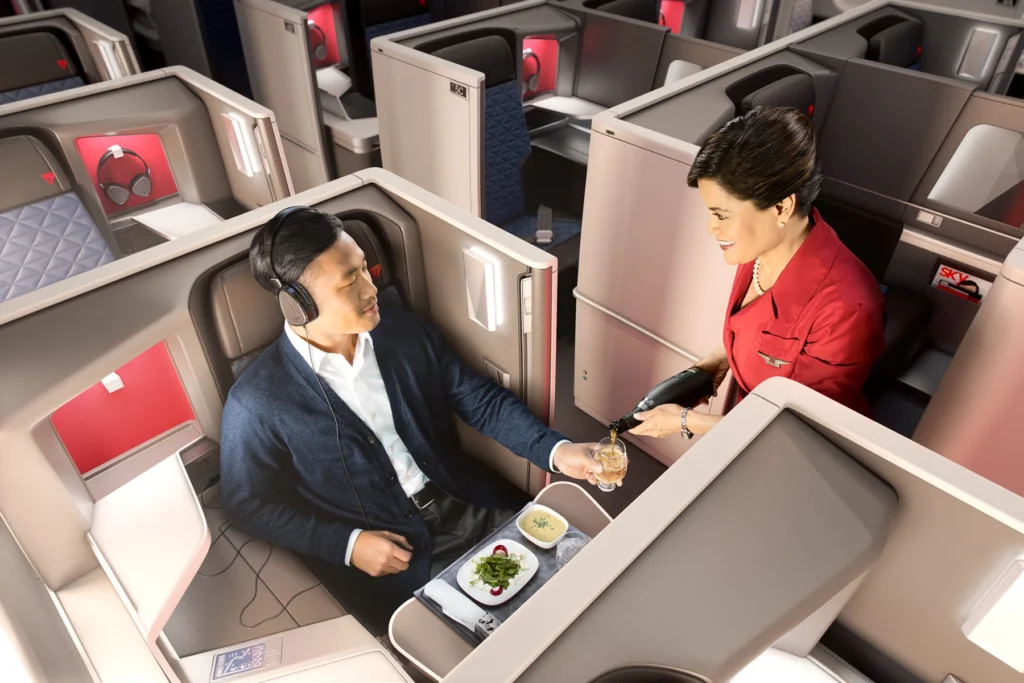
Delta’s Unexpected Premium Test
Earlier in 2025, Delta introduced seven new Airbus A321neos with an unusual temporary layout of 44 First Class seats, 54 Delta Comfort seats, and 102 Main Cabin seats. The aircraft therefore has 200 seats in total.
The First Class cabin is more than twice the size of the 20-seat First Class cabin on a standard Delta A321neo.
The configuration was not originally intended as a major new premium strategy. Delta was waiting for the lie-flat suites that will eventually be installed on these aircraft and chose to place the jets into service with a much larger conventional First Class cabin in the meantime.
What began as a temporary solution has instead become a real-world test of how much domestic premium capacity Delta can sell.
The results have given the airline a reason to rethink its traditional assumptions about First Class cabin size.
Delta Chief Commercial Officer Joe Esposito told Zach Griff of From The Tray Table that the airline is effectively experimenting with the maximum size of a domestic premium cabin.
The most notable result is the reported 80% paid load factor for First Class on the 44-seat A321neos. That means Delta is selling a very large proportion of those seats rather than relying mainly on complimentary upgrades to fill the cabin.
Esposito described the demand as a pleasant surprise for Delta, particularly given how large the cabin is.
The result changes the commercial question surrounding domestic First Class. Historically, airlines had to consider not only how many premium seats customers would purchase but also how many seats could be occupied by elite travelers through complimentary upgrades.
Delta now has direct evidence that customers may be willing to pay for far more First Class seats than the airline previously assumed.
Live and Let’s Fly has also highlighted the significance of the unusually strong demand for Delta’s expanded First Class cabin.

Paid Load Factor
A 44 seat First Class cabin would normally appear excessive for a domestic narrowbody aircraft because premium seats require substantially more cabin space than standard economy seats. The economics change when a large percentage of those seats generate premium fare revenue.
If Delta can repeatedly sell 80% of a 44 seat cabin, the question is no longer simply whether 44 seats are too many. The airline must also consider whether its traditional 20 seat First Class cabins are too small.
A larger premium cabin gives Delta more seats to sell at higher fares. It can also allow the airline to capture demand that might otherwise be lost when a smaller First Class cabin sells out.
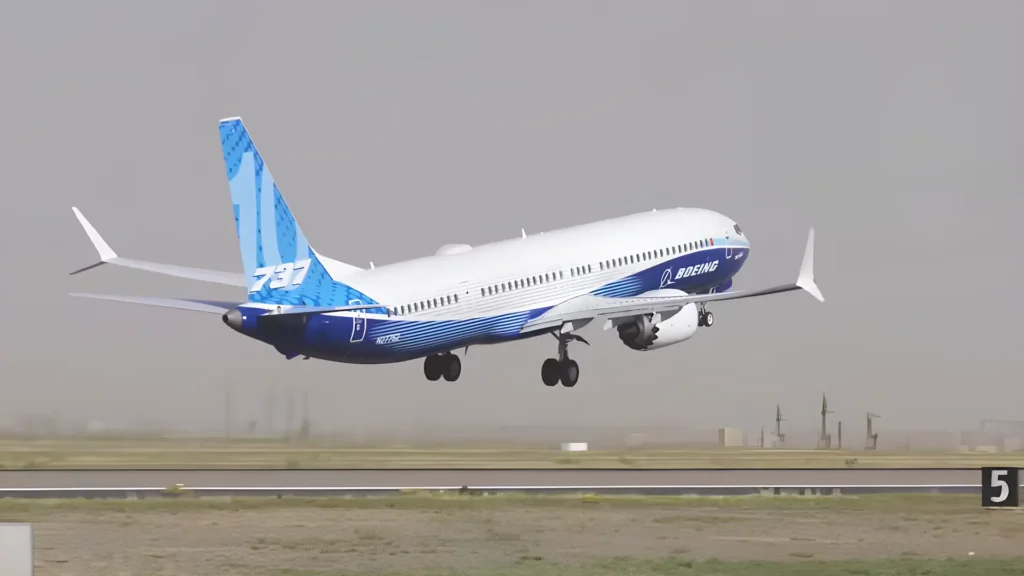
737 MAX 10 First Class Seats
Delta’s upcoming Boeing 737 MAX 10 provides an important indication of where its thinking may be heading.
The aircraft is expected to have 24 First Class seats, four more than the 20 seats on a standard A321neo. Aviation insider JonNYC first reported the 24 seat configuration in September 2025, and Esposito subsequently confirmed the figure.
The 24 seat configuration is significant because it establishes a larger-than-standard First Class cabin without approaching the extreme 44 seat A321neo layout.
It also suggests that Delta is already willing to move beyond its traditional 20 seat benchmark on future narrowbody aircraft.

Delta’s Sweet Spot Between 24 and 44 Seats
Esposito indicated that Delta believes the optimal size could fall somewhere between 24 and 44 First Class seats.
That range leaves room for several possible configurations. Depending on the aircraft and route, Delta could potentially find that 30, 36, or even 40 seats produce better economics than the traditional 20 seat cabin.
The key issue is demand.
Delta does not have to make every narrowbody aircraft identical. Cabin size can vary based on route characteristics, premium demand, aircraft utilization, and the amount of revenue the airline expects each additional First Class seat to generate.
The 44 seat A321neo is therefore better understood as an upper-end experiment rather than a model that Delta is certain to copy across the fleet.
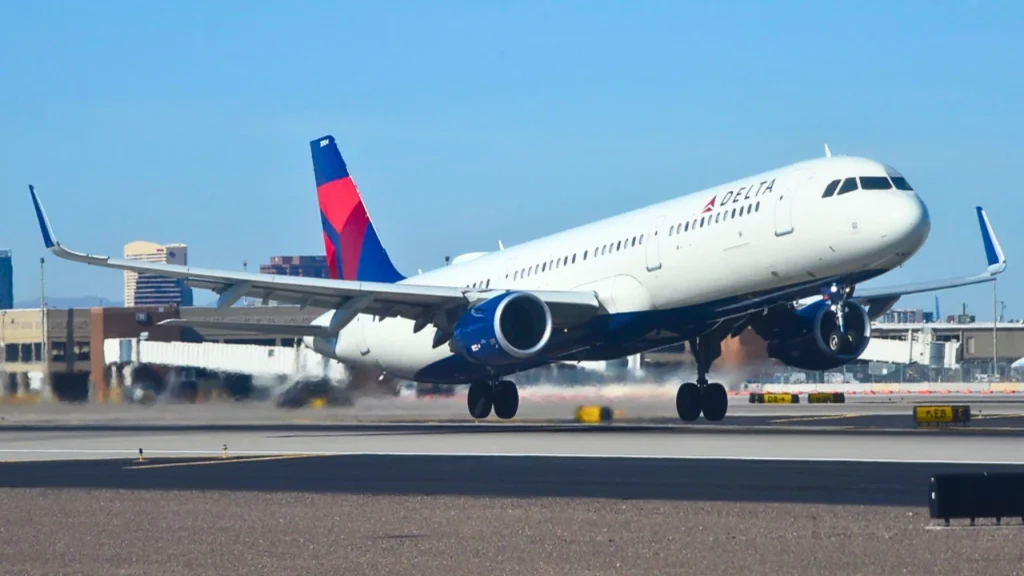
Role of Complimentary Upgrades
The strong paid performance also creates a more complicated outlook for Delta Medallion members.
More First Class seats might initially appear to improve upgrade availability. In practice, that depends on how those seats are sold.
If Delta continues to sell most of the seats in a larger cabin to paying customers, fewer seats may remain for complimentary upgrades close to departure.
A larger cabin can therefore produce two different outcomes. Passengers who buy First Class could see more availability, while elite travelers could face stronger competition for the remaining upgrade inventory.
For upgrade-focused flyers, the expansion of First Class cabins is not automatically good news.
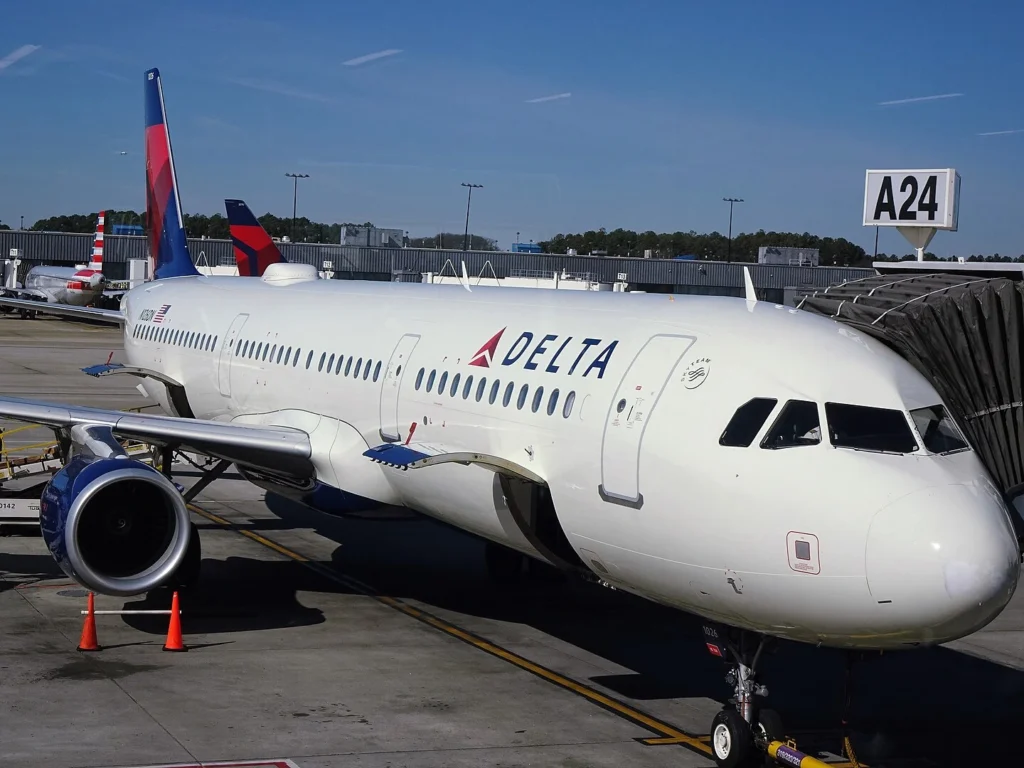
Why 20 First Class Seats May No Longer Be Enough
Domestic First Class cabin sizes have historically reflected a combination of paid demand and anticipated elite upgrades.
Delta’s new approach places greater emphasis on direct premium revenue. If the airline can consistently sell substantially more than 20 First Class seats, adding premium inventory becomes financially attractive.
The additional seats consume more floor space, but a First Class seat can generate substantially more revenue than a Main Cabin seat when a customer is willing to pay the premium.
That makes the 44 seat A321neo an important commercial benchmark. It demonstrates that a large premium cabin can work under at least some market conditions.
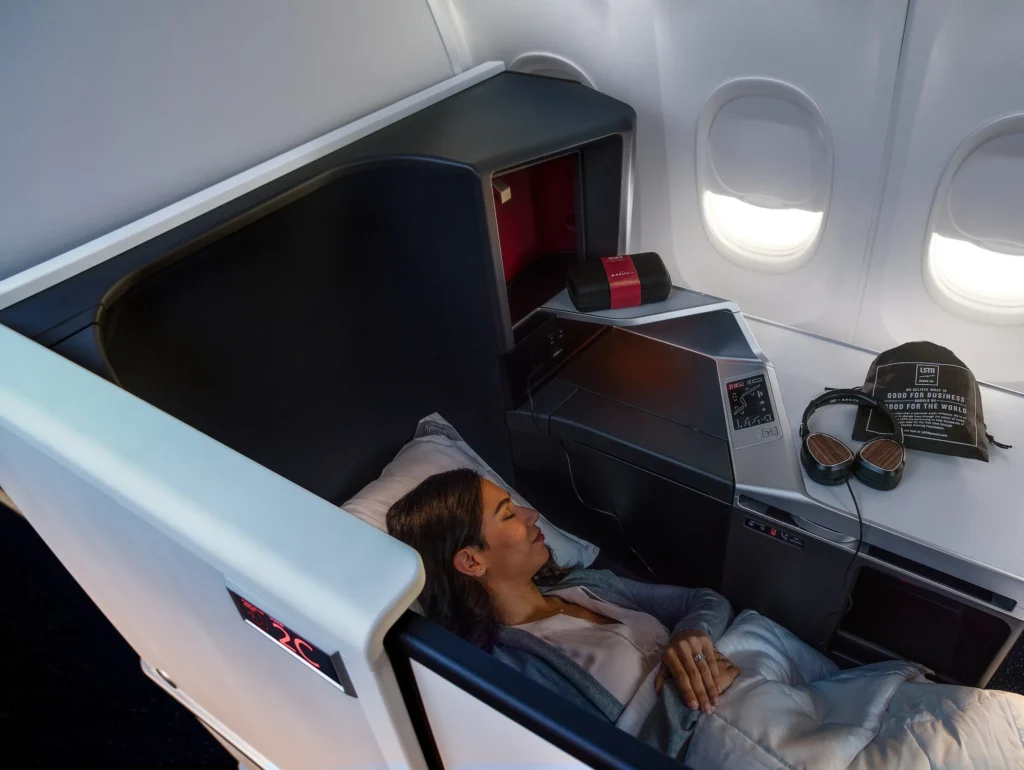
44 Seat Configuration
The temporary arrangement was originally connected to Delta’s plan to install lie-flat suites on these aircraft. However, the airline has indicated that the current configuration could remain in service longer than originally expected.
Two factors are particularly relevant: certification timing for the future configuration and the unusually strong performance of the existing First Class cabin.
That means the 44 seat A321neo may continue providing Delta with useful operational and commercial data while the airline determines its longer-term cabin strategy.
The continued operation of the configuration would also give Delta more time to determine whether the 80% paid load factor remains consistent across different routes and periods.
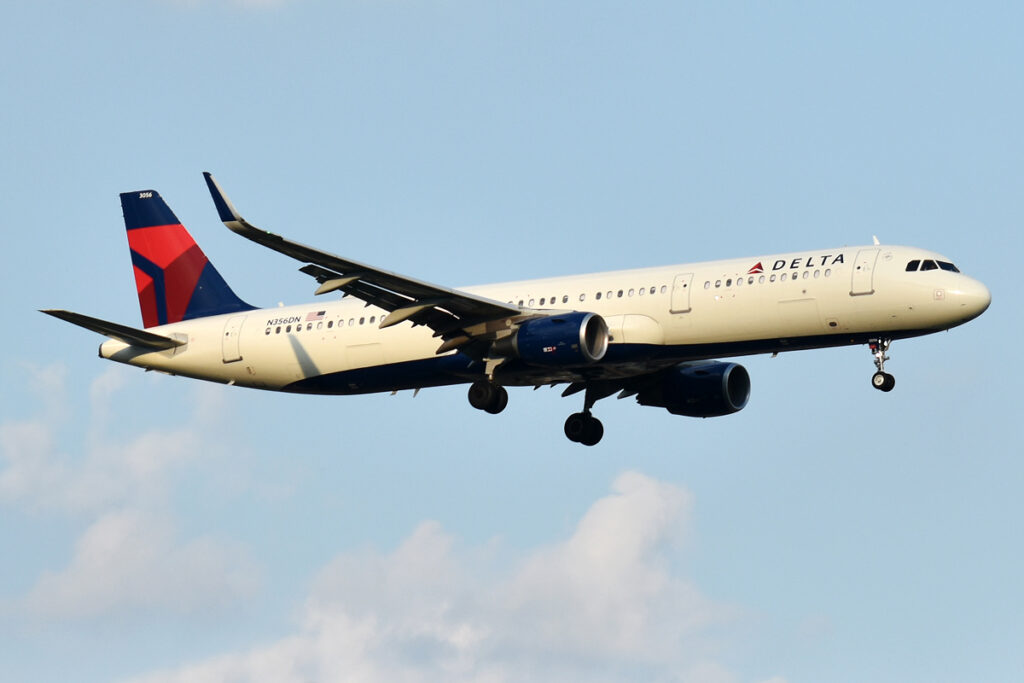
Delta Is Unlikely to Put 44 First Class Seats on Every A321neo
The strong performance of the temporary configuration does not mean Delta will immediately standardize all A321neos with 44 First Class seats.
A 44 seat cabin is an extreme configuration, and its economics depend heavily on route demand. Some markets may support a very large premium cabin, while others may not generate enough paid demand to justify the space.
The more likely outcome is a range of configurations.
Delta could conclude that 20 seats are too few for some missions, while 44 seats remain excessive for others. A middle-ground cabin with 24, 30, 36, or 40 seats could become more attractive depending on the aircraft and market.

Delta’s Premium Strategy
The most important change is not necessarily the number 44. It is the question Delta is now asking.
Instead of primarily asking how many First Class seats should be available for customers and elite upgrades, Delta is testing how many seats it can successfully sell as a premium product.
That distinction reflects the airline industry’s broader effort to monetize premium cabins more effectively.
The 44 seat A321neo gives Delta actual sales data rather than theoretical estimates. An 80% paid load factor provides strong evidence that premium demand can support a much larger domestic First Class cabin than the traditional 20 seat model.
For Delta, the commercial case is straightforward. If customers continue paying for a large share of First Class seats, additional premium inventory can increase revenue.
For frequent flyers, the picture is more complicated.
More premium seats create more inventory overall, but paid demand can consume that inventory before complimentary upgrades are processed. A larger cabin could therefore be better for customers who buy First Class than for travelers who rely on elite status.
That trade-off will become increasingly important if Delta expands premium seating across additional narrowbody aircraft.

Delta’s Domestic First Class
The unusual A321neo configuration started as a temporary solution while Delta waited for its future lie-flat product. It has since become a valuable commercial experiment.
The aircraft carry 44 First Class seats, 54 Delta Comfort seats, and 102 Main Cabin seats, giving Delta a 200-seat configuration with an unusually large premium cabin.
The reported 80% paid First Class load factor has provided Delta with evidence that customers are willing to purchase substantially more domestic premium seating than the airline may have expected.
The Boeing 737 MAX 10’s planned 24 seat First Class cabin further suggests that Delta is moving beyond the traditional 20 seat benchmark. Esposito’s comment that the sweet spot could lie somewhere between 24 and 44 seats leaves open the possibility of materially larger First Class cabins on future aircraft.
The 44-seat configuration remains an extreme example, and Delta is unlikely to apply it universally. Route economics and demand will determine the right balance.
The broader lesson, however, is clear: Delta may have underestimated how much domestic First Class customers are willing to buy.
That could lead to larger premium cabins across parts of the fleet, while making complimentary upgrades more difficult for elite members.
Stay tuned with us. Further, follow us on social media for the latest updates.
Join us on Telegram Group for the Latest Aviation Updates. Subsequently, follow us on Google News
