


In today’s fast-paced world, self-care has evolved far beyond spa treatments and occasional holidays. It now encompasses physical health, mental well-being, work-life balance, access to nature, healthcare quality, environmental conditions, and opportunities to maintain a healthy lifestyle.
As more people prioritise personal wellness, countries that support these goals are becoming increasingly attractive destinations for both residents and expatriates.
According to research by William Russell, several countries stand out for creating environments that encourage healthier, happier, and more balanced lives. These nations combine excellent healthcare systems, abundant green spaces, strong social support networks, low pollution levels, and lifestyles that allow people to focus on their well-being.
Top 10 Best Countries for Self-Care in 2026
From the Alpine landscapes of Switzerland and Austria to the pristine natural beauty of New Zealand and Canada, these countries demonstrate how public policy, infrastructure, and culture can work together to promote national-level self-care.
Here are the Top 10 Best Countries for Self-Care in 2026.
1. Austria
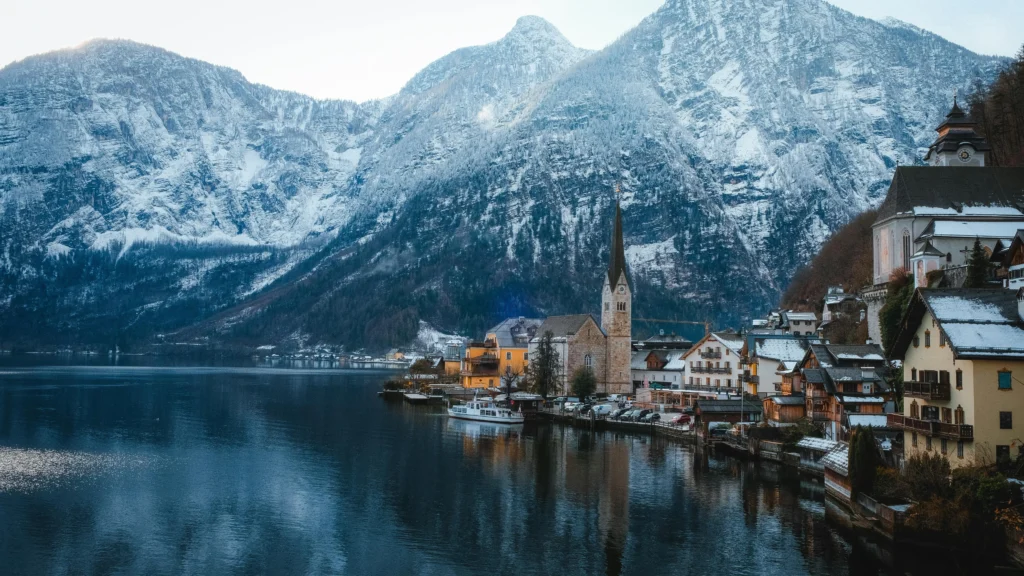
Austria takes the top position thanks to its exceptional combination of healthcare quality, environmental standards, outdoor recreation, and work-life balance.
The country offers universal healthcare, excellent public services, and some of Europe’s cleanest cities. Residents enjoy easy access to mountains, lakes, forests, and extensive hiking trails, making physical activity a natural part of daily life.
Cities such as Vienna consistently rank among the world’s most liveable urban areas. The Austrian capital provides extensive green spaces, efficient public transportation, and a strong cultural scene that supports mental well-being.
Austria’s emphasis on leisure time also contributes significantly to self-care. Generous holiday allowances and strong labour protections allow residents to maintain healthy personal and professional lives.
Whether enjoying Alpine skiing, mountain hiking, thermal spas, or peaceful countryside retreats, Austria provides countless opportunities to prioritise health and wellness.

2. Switzerland
Switzerland has long been associated with quality of life, and it continues to rank among the world’s leading destinations for self-care.
The country’s breathtaking Alpine scenery creates an environment where outdoor activity is deeply embedded in daily culture. Hiking, cycling, skiing, swimming, and mountain sports are easily accessible year-round.
Switzerland also boasts one of the world’s best healthcare systems, offering exceptional medical standards and widespread access to high-quality services.
Clean air, low crime rates, efficient infrastructure, and excellent public transportation contribute to reduced daily stress. Cities such as Zurich, Geneva, and Lausanne consistently achieve top rankings for quality of life.
Mental well-being is further supported by the country’s emphasis on work-life balance and environmental sustainability.
For those seeking a healthy and active lifestyle surrounded by spectacular natural beauty, Switzerland remains one of the best choices globally.

3. Finland
Finland’s strong focus on happiness, wellbeing, and social support makes it one of the most self-care-friendly countries in the world.
Often ranked as the happiest country globally, Finland provides residents with excellent healthcare, high-quality education, strong social services, and a deep connection to nature.
Forests cover approximately three-quarters of the country, offering endless opportunities for outdoor recreation and relaxation. Activities such as hiking, cross-country skiing, berry picking, and lakeside retreats are common parts of Finnish life.
The Finnish tradition of sauna culture also plays a major role in self-care. Many households have regular access to saunas, which are widely associated with relaxation, stress reduction, and overall well-being.
Combined with low pollution levels and a strong sense of community, Finland creates an ideal environment for healthy living.
4. Iceland
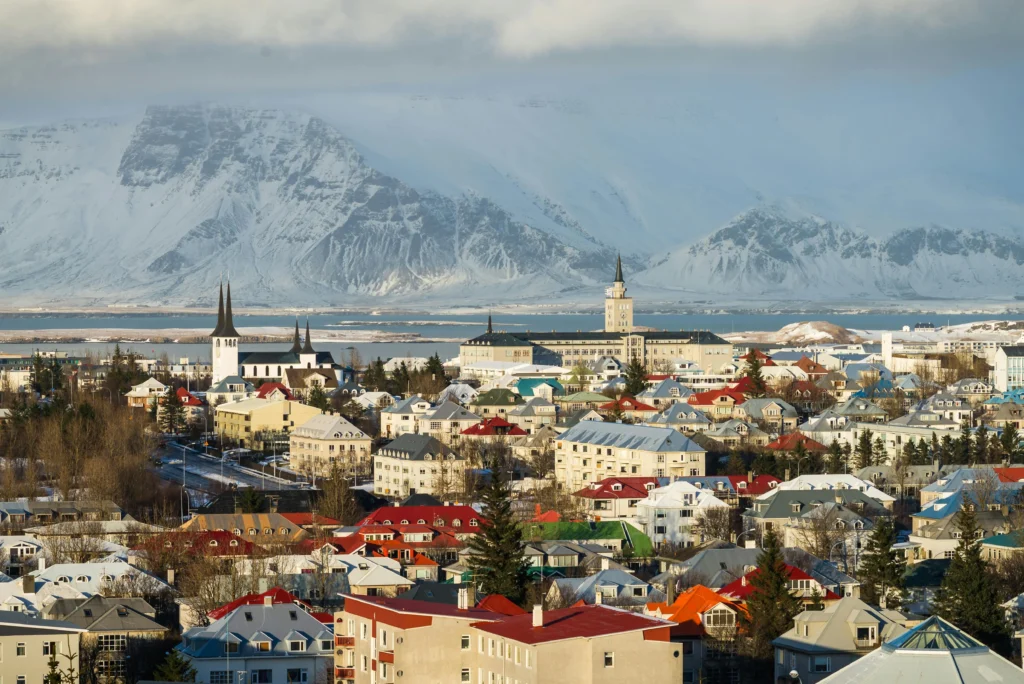
Iceland’s remarkable natural environment makes it one of the world’s most unique destinations for self-care.
The country offers dramatic landscapes featuring glaciers, volcanoes, waterfalls, geothermal springs, and black-sand beaches. Access to nature is rarely more than a short drive away, even for residents living in the capital, Reykjavik.
Iceland’s famous geothermal pools and hot springs encourage relaxation and wellness. The Blue Lagoon may be the most internationally recognised example, but countless geothermal bathing locations can be found throughout the country.
Healthcare standards are excellent, crime rates are extremely low, and air quality ranks among the best globally.
The slower pace of life and strong sense of community contribute to lower stress levels and improved mental well-being.
For those seeking a lifestyle centred around nature and balance, Iceland offers a compelling self-care environment.
5. Netherlands
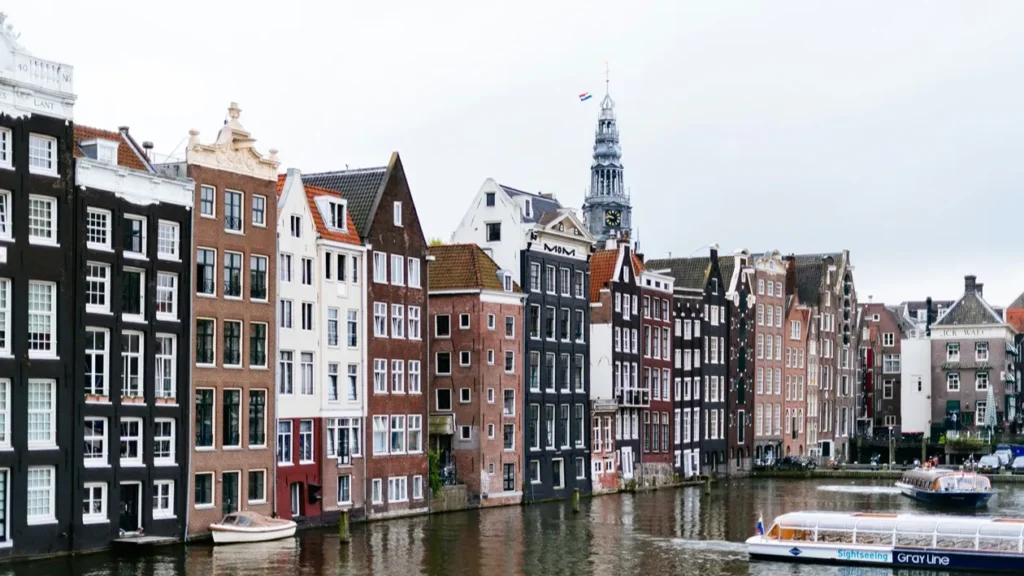
The Netherlands demonstrates that self-care is not solely about stunning landscapes but also about creating healthy urban environments.
Dutch cities consistently rank among the world’s most liveable thanks to their extensive cycling infrastructure, efficient public transport systems, and abundant green spaces.
Cycling forms a major part of daily life, promoting regular physical activity without requiring structured exercise routines. Residents benefit from active lifestyles while reducing dependence on cars.
The country also offers excellent healthcare, high levels of personal safety, and strong work-life balance policies.
Mental well-being is supported by vibrant communities, cultural opportunities, and accessible public spaces designed to encourage social interaction.
The Dutch approach to urban planning shows how thoughtful infrastructure can significantly enhance the quality of life and support everyday self-care.
6. New Zealand
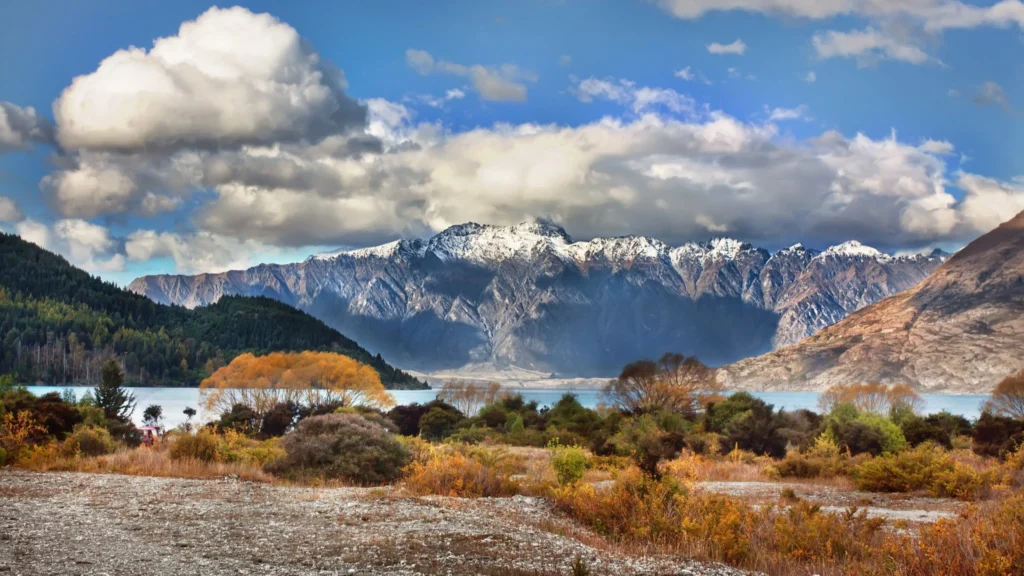
New Zealand is often regarded as one of the world’s ultimate destinations for outdoor enthusiasts and wellness seekers.
The country combines stunning natural scenery with a relaxed lifestyle that encourages people to spend time outdoors. Mountains, beaches, forests, lakes, and national parks provide endless opportunities for recreation and relaxation.
Residents frequently enjoy hiking, cycling, surfing, kayaking, and camping as part of their everyday lives.
New Zealand also performs strongly in healthcare quality, environmental protection, and overall safety. Its lower population density contributes to a calmer living environment compared to many larger countries.
Work-life balance remains an important aspect of Kiwi culture, helping individuals maintain healthy relationships and personal well-being.
The country’s emphasis on outdoor living makes it one of the world’s best places for holistic self-care.
7. Canada
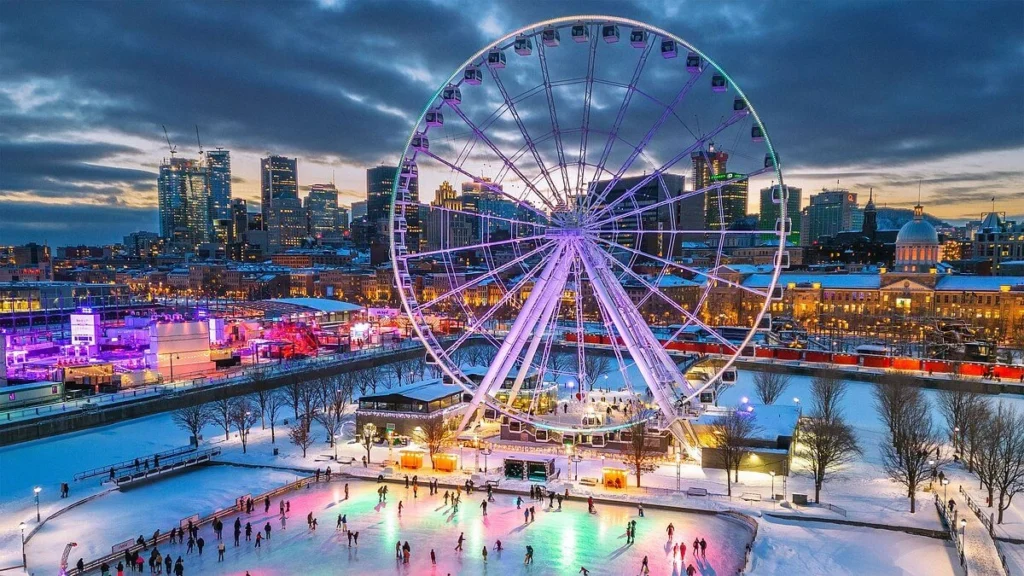
Canada’s combination of natural beauty, healthcare access, and high quality of life secures its position among the world’s leading self-care destinations.
From the Rocky Mountains and Atlantic coastline to vast forests and freshwater lakes, Canada offers extraordinary access to nature. Outdoor recreation is deeply integrated into Canadian culture.
Residents frequently participate in hiking, skiing, cycling, canoeing, and other activities that support physical and mental health.
Canada’s publicly funded healthcare system provides broad access to medical services, while strong social programmes contribute to overall well-being.
Cities such as Vancouver, Calgary, Ottawa, and Victoria consistently rank highly for quality of life and environmental standards.
The country’s multicultural society and welcoming communities further enhance social wellbeing and mental health.
8. Australia
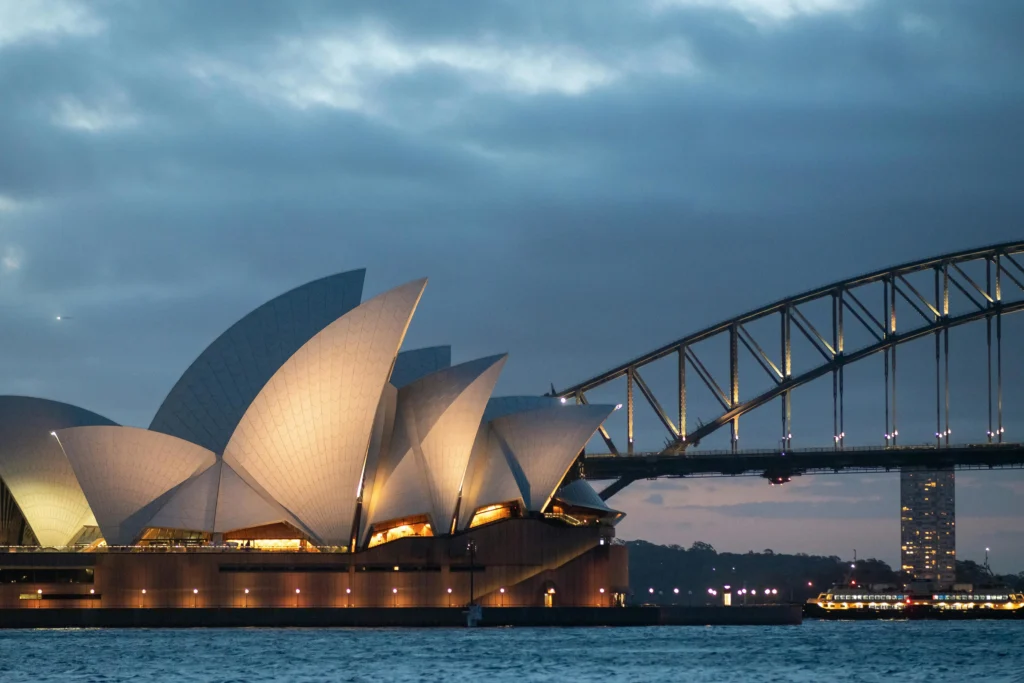
Australia’s warm climate and outdoor-focused culture make it one of the best countries in the world for self-care.
The country’s extensive coastline encourages activities such as swimming, surfing, walking, and outdoor fitness. Beach culture remains a central part of Australian life.
Major cities, including Melbourne, Sydney, Brisbane, and Perth, offer excellent healthcare services, abundant parks, and strong public infrastructure.
Australians generally place significant importance on maintaining work-life balance and spending time outdoors with family and friends.
The country’s favourable climate supports year-round physical activity, while access to natural attractions such as national parks and coastal reserves encourages healthy lifestyles.
Combined with high living standards and strong healthcare systems, Australia provides an excellent environment for personal well-being.
9. Norway
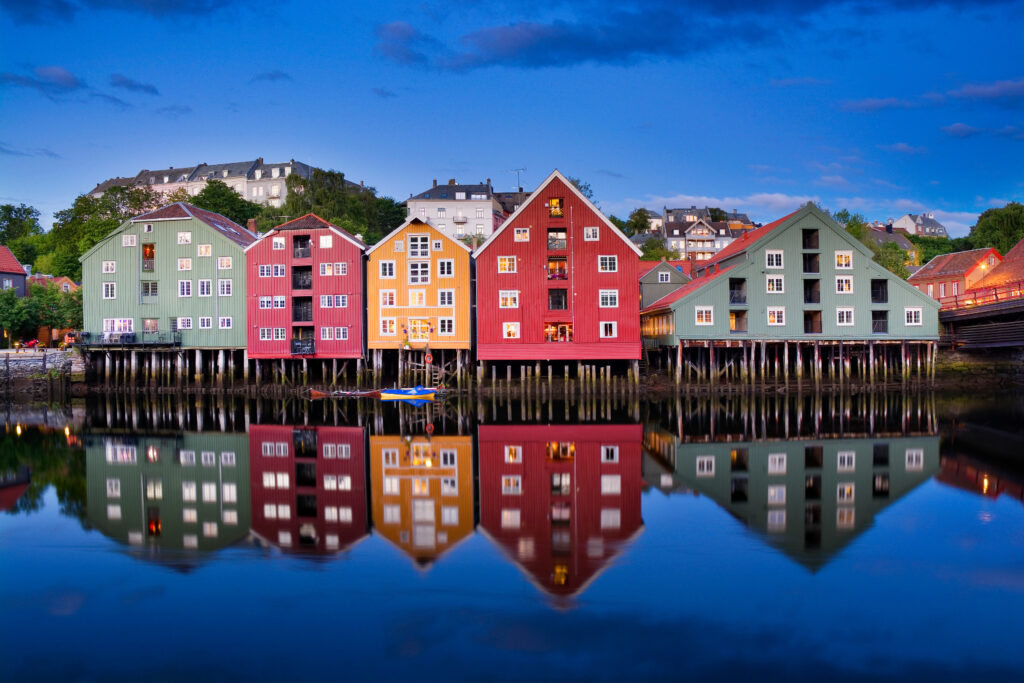
Norway consistently ranks among the world’s healthiest and happiest nations, making it a natural inclusion in this list.
The Norwegian concept of “friluftsliv,” meaning open-air living, encourages people to spend time outdoors regardless of weather conditions. This philosophy promotes physical activity, mental relaxation, and a strong connection to nature.
Residents enjoy easy access to fjords, mountains, forests, and hiking trails. Outdoor recreation is considered an essential part of life rather than simply a leisure activity.
Norway also provides outstanding healthcare, strong social support systems, low crime rates, and excellent environmental quality.
High wages and generous employee benefits allow individuals to focus more on personal well-being and less on financial stress.
The country’s balanced lifestyle contributes significantly to overall health and happiness.
10. Denmark
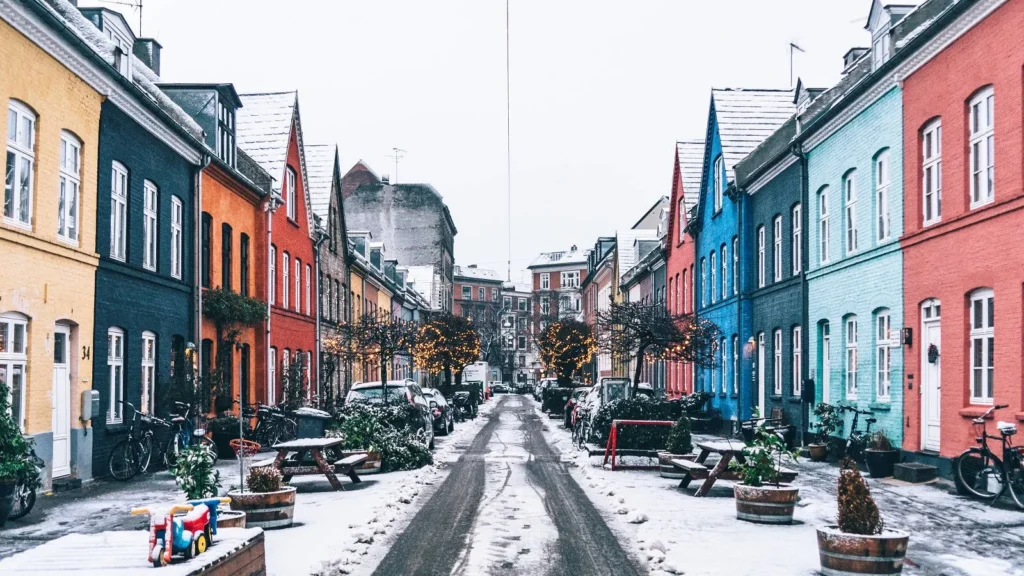
Completing the top ten is Denmark, a country frequently associated with happiness, comfort, and quality of life.
The Danish concept of “hygge” has gained worldwide popularity as a philosophy centred on comfort, relaxation, and appreciating simple pleasures. This cultural emphasis naturally supports mental well-being and stress management.
Denmark offers universal healthcare, excellent social services, and one of the highest standards of living globally.
Cycling is widely integrated into daily life, promoting physical activity and sustainable transportation. Cities such as Copenhagen feature extensive bike networks and pedestrian-friendly infrastructure.
Work-life balance is another major strength, with generous vacation allowances and flexible working arrangements helping residents maintain healthier lifestyles.
Denmark’s combination of social support, community spirit, and healthy living habits makes it one of the world’s leading destinations for self-care.
What Makes a Country Good for Self-Care?
Several factors contribute to a country’s ability to support self-care and well-being:
- High-quality healthcare systems
- Access to nature and outdoor recreation
- Low pollution levels
- Strong work-life balance
- Mental health support services
- Safe communities
- Active lifestyle opportunities
- Strong social support networks
- Environmental sustainability
- High overall quality of life
Countries that perform well across these areas tend to create healthier and happier populations.
Why Self-Care Matters More Than Ever
Modern lifestyles often involve long working hours, digital overload, and increasing stress levels. As a result, self-care has become an essential component of long-term health rather than a luxury.
Regular exercise, mental well-being practices, healthy eating, social connections, and time spent in nature can significantly reduce the risk of chronic disease while improving overall life satisfaction.
The countries featured in this ranking demonstrate how national policies and cultural values can help individuals maintain healthier lifestyles.
Bottom Line
The best countries for self-care in 2026 offer far more than beautiful scenery. They create environments where physical health, mental well-being, and quality of life can thrive.
As people increasingly prioritise wellbeing, these countries provide valuable examples of what it means to create societies that truly encourage self-care.
Best Self-Care Countries FAQs
Austria ranks first due to its outstanding healthcare system, work-life balance, natural beauty, and overall quality of life.
Nordic countries combine excellent healthcare, strong social support systems, low stress levels, and easy access to nature.
Yes. Studies consistently show that spending time in natural environments can reduce stress, improve mood, and support physical health.
Stay tuned with us. Further, follow us on social media for the latest updates.
Join us on Telegram Group for the Latest Aviation Updates. Subsequently, follow us on Google News
