


WASHINGTON, D.C.- American Airlines (AA) is facing renewed scrutiny over its handling of rolling flight delays after a Washington Post travel writer missed her flight from Ronald Reagan Washington National Airport (DCA) to Boston Logan International Airport (BOS) while waiting for a coffee during an extended delay.
The incident has sparked a wider discussion about whether airlines should provide stronger boarding notifications when delayed flights resume earlier than expected. While the passenger acknowledged her own mistakes, the experience also highlighted communication gaps that can leave travelers confused.
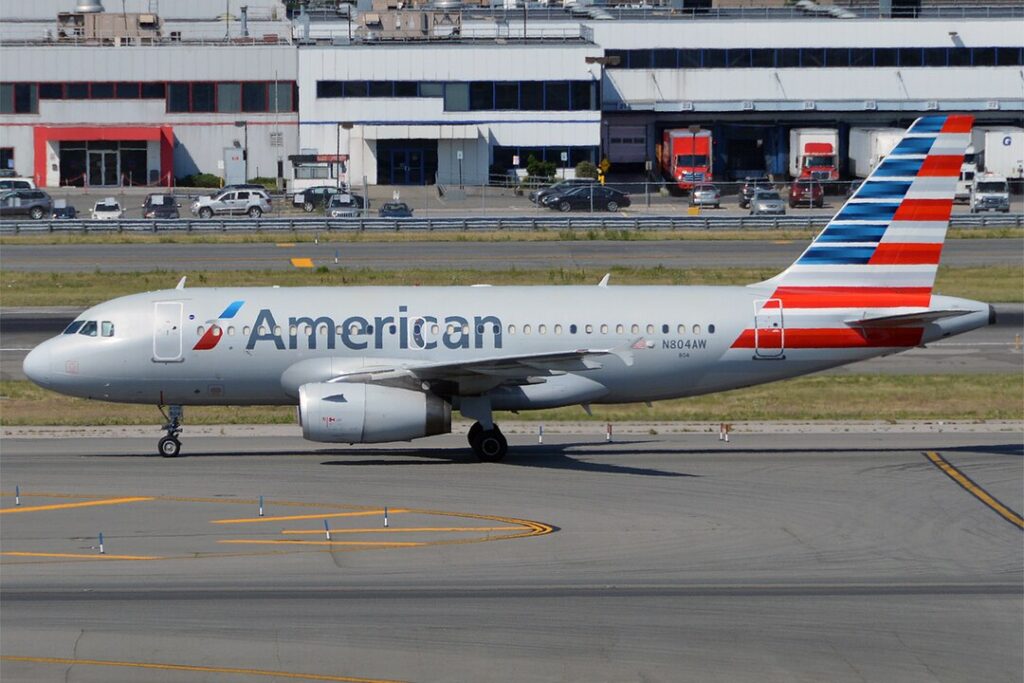
American Airlines Passenger Misses Flight
Washington Post travel writer Andrea Sachs was scheduled to travel on American Airlines (AA) Flight 3207 from Ronald Reagan Washington National Airport (DCA) to Boston Logan International Airport (BOS).
The flight was originally scheduled to depart at 5:00 p.m., but weather disruptions across the U.S. East Coast caused repeated delays throughout the afternoon.
American Airlines began issuing notifications citing air traffic control restrictions. Over several hours, the departure time changed multiple times, eventually moving from 5:00 p.m. to 6:42 p.m.
Sachs delayed leaving her office until she believed it was appropriate to head for the airport, reasoning that she wanted to remain close in case the airline shortened the delay.
After arriving at Washington National Airport, she considered using the Capital One Landing lounge but decided against it after learning there was a 25 to 30 minute wait. Instead, she remained near the departure gate as additional schedule updates continued.
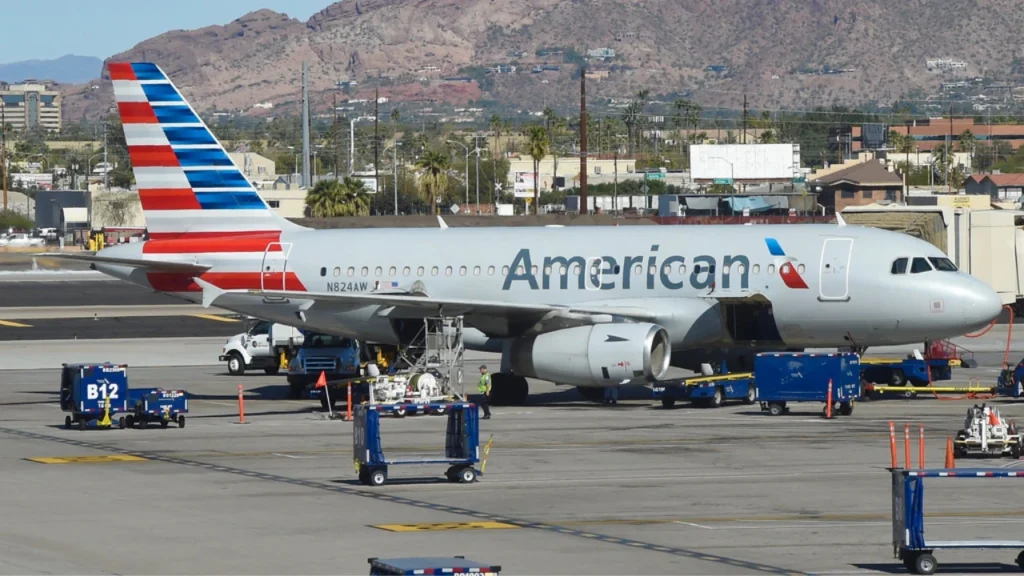
A Coffee Break That Ended in a Missed Flight
Later in the evening, American Airlines updated the departure time again, showing a scheduled departure of 7:36 p.m. The delay was linked to a temporary ground stop affecting flights arriving at Boston.
During this period, a gate agent announced that the aircraft would have “wheels up at 8.” While the statement referred to the expected takeoff time, it did not clearly indicate when boarding would begin or when the aircraft would leave the gate.
Believing there was still sufficient time, Sachs returned to the Capital One Landing lounge with another passenger traveling to Boston. After waiting for entry, both passengers ordered drinks.
Around 7:00 p.m., Sachs noticed that her most recent American Airlines notification still displayed a departure around 7:35 p.m. Instead of immediately returning to the gate, her travel companion walked over to check the boarding status.
By the time she reached the gate, boarding had already been completed, the aircraft door had closed, and both passengers were denied boarding.
Sachs later accepted responsibility for her decision to remain away from the gate, acknowledging that she underestimated how quickly the situation could change, Live and Let’s Fly flagged.
Why Rolling Delays Can Be Difficult for Passengers
The incident highlights one of the most challenging aspects of airline operations during weather disruptions: rolling delays.
Rolling delays occur when airlines repeatedly adjust departure times as operational conditions evolve. These changes allow carriers to depart as soon as airport capacity, aircraft availability, and air traffic control restrictions permit.
From an operational standpoint, this approach helps airlines reduce additional delays and improve network efficiency.
For passengers, however, the experience can be frustrating.
A traveler may receive repeated notifications indicating a lengthy delay, only for the flight to resume boarding much earlier than expected. While airlines generally advise passengers to remain close to the gate, travelers often use delay periods to eat, visit airport lounges, or move around the terminal.
This creates uncertainty because passengers are expected to plan around the latest published departure time while also anticipating that it could change again with little notice.
Boarding Notifications Could Improve the Passenger Experience
One of the key issues raised by the incident is the lack of a dedicated boarding notification.
American Airlines successfully sent multiple updates regarding changing departure times through its mobile app, text messages, and email. However, according to Sachs’ account, she never received a notification stating that boarding had officially begun.
Such an alert could have prompted passengers to immediately return to the gate before boarding closed.
Many travelers increasingly rely on airline mobile applications for real-time updates, making boarding alerts an important communication tool during irregular operations.
Comparison With United Airlines
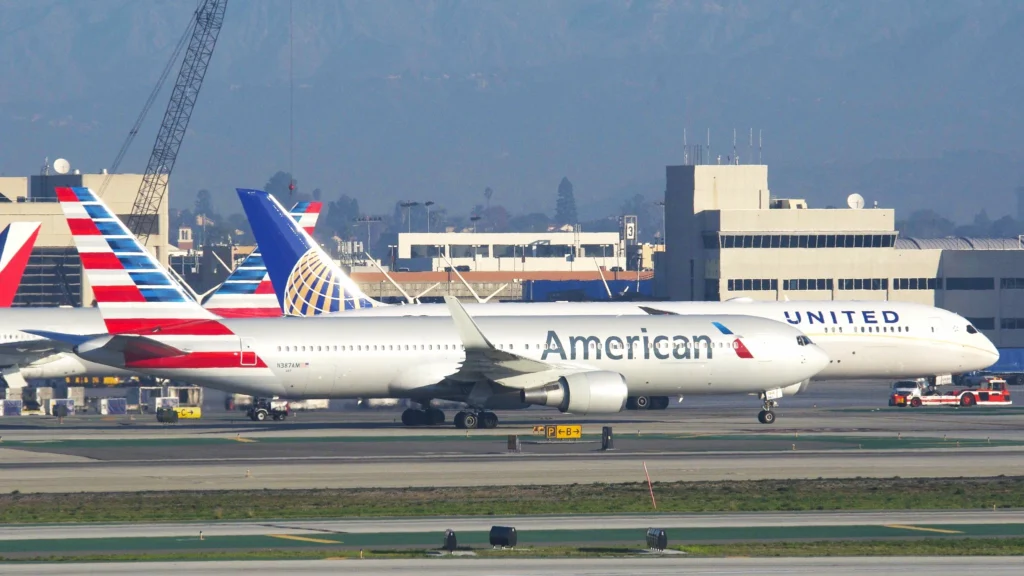
The discussion has also drawn comparisons with United Airlines (UA), which regularly sends push notifications informing passengers when boarding begins.
These alerts provide travelers with a clear signal that they should immediately return to the departure gate, even if the flight had previously experienced significant delays.
A boarding notification does not eliminate the operational challenges created by changing departure times, but it offers passengers one final reminder before the boarding window closes.
This additional layer of communication can be particularly valuable for travelers who are waiting in airport lounges, restaurants, or nearby terminal areas.
What American Airlines Advises Passengers
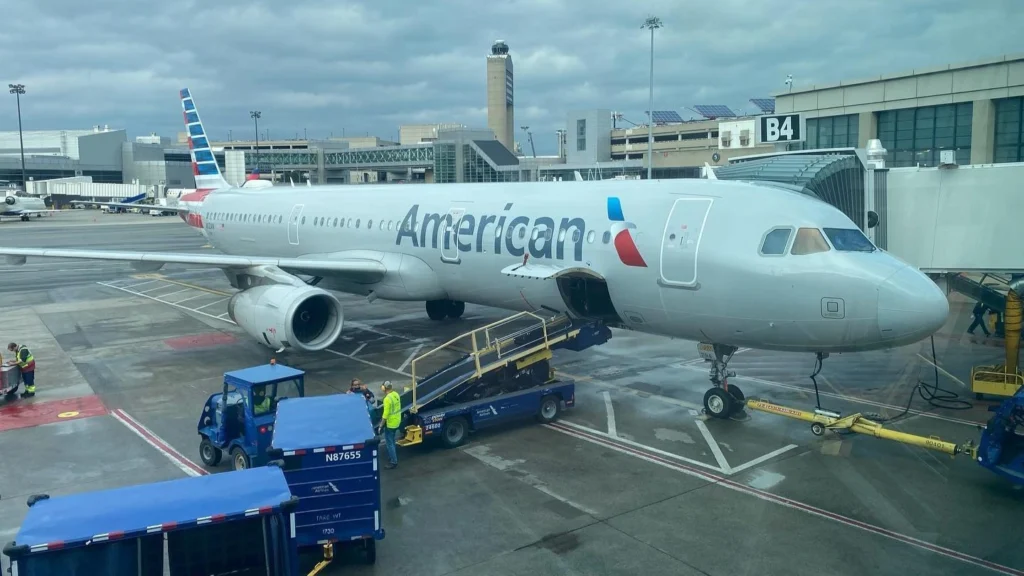
American Airlines advises customers to monitor its mobile application, airport information displays, and boarding announcements throughout the travel experience. The airline also recommends remaining close to the departure gate whenever possible, particularly during periods of irregular operations.
Those recommendations remain important because departure times can change rapidly once weather conditions improve or air traffic control restrictions are lifted.
Passengers should also remember that scheduled departure time and takeoff time are different operational milestones. Boarding typically begins well before the published departure time, and aircraft doors usually close several minutes before pushback.
Bottom Line
Andrea Sachs missed her American Airlines (AA) flight after leaving the gate for coffee during a series of rolling delays at Ronald Reagan Washington National Airport (DCA). While she acknowledged her own role in the missed flight, the incident also exposed how rapidly changing schedules can create confusion for passengers.
Rolling delays are often unavoidable during weather disruptions, but clearer communication could reduce misunderstandings. A dedicated boarding notification, similar to the system used by United Airlines (UA), could help passengers return to the gate on time while still allowing them to make use of airport amenities during extended delays.
Stay tuned with us. Further, follow us on social media for the latest updates.
Join us on Telegram Group for the Latest Aviation Updates. Subsequently, follow us on Google News
