

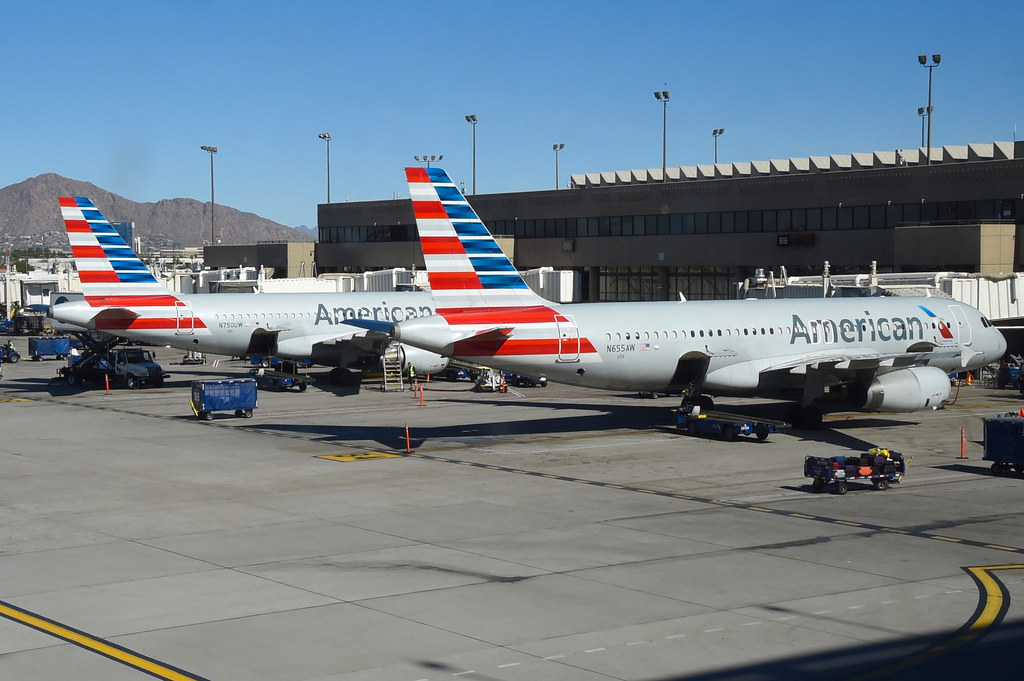
FORT WORTH— American Airlines (AA) has accelerated the cabin retrofit program for its legacy Airbus A319 and A320 narrowbody fleet, introducing premium upgrades while making several layout compromises that affect both passengers and crew. The overhaul brings the carrier’s older jets in line with the design language launched on its newer Boeing 787-9P and Airbus A321XLR aircraft.
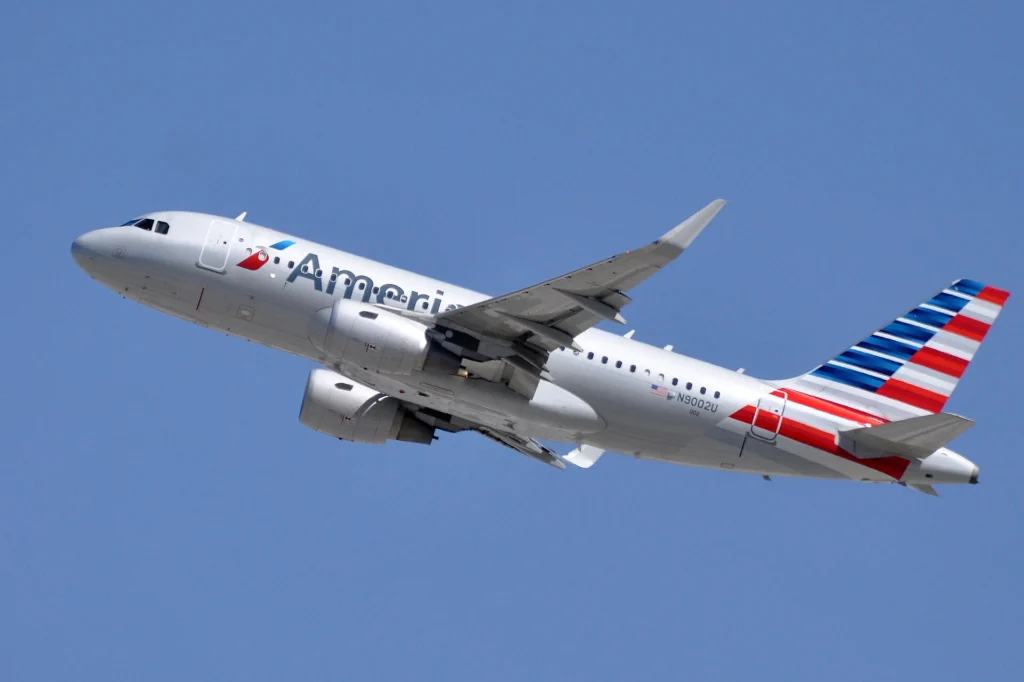
The first retrofitted A319, a 12-year-old jet registered N9002U, returned to passenger service in February after an extensive cabin overhaul at a maintenance facility in San Salvador (SAL). According to PYOK, this aircraft served as the prototype for the wider rollout across the rest of the Fort Worth-based carrier’s aging Airbus narrowbody jets.
American Airlines’ New Cabins Offer Passengers
The refreshed interiors pair an updated color palette and new material finishes with a series of upgrades aimed at improving the onboard experience. New First Class seats include privacy wings, additional storage space, and two cocktail beverage trays per seat.
The aircraft also gains XL overhead bins that let passengers store rollaboards sideways, increasing the total number of bags that fit on board. Enhanced mood lighting and in-seat power at every seat round out the headline improvements.
American Airlines is expanding its domestic First Class cabins on the reconfigured airplanes. The A319 increases from 8 First Class seats to 12, while the A320 moves from 12 First Class seats to 16.
Despite the larger premium cabins, Economy Class capacity remains unchanged. The A319 retains 120 Economy seats, and the A320 is expected to keep its 138 Economy seats. To achieve this balance, the carrier reconfigured the rear layout of the aircraft in ways that crew and travelers are unlikely to welcome.
The SpaceFlex Galley Trade-Off
To free up space for the additional seats, American installed the Airbus SpaceFlex galley, a module first introduced in 2017. The SpaceFlex sits at the very back of the cabin and cuts the flight attendant workspace roughly in half to accommodate two slimline lavatories.
On standard A319 and A320 aircraft, the two rear lavatories sat just forward of the aft doors. The SpaceFlex design relocates them and reclaims enough space for an additional row of seats.
The galley is widely disliked by cabin crew. The reduced working area makes routine service tasks difficult, and the space fills quickly with passengers waiting to use the bathrooms. A flight attendant jumpseat is also positioned directly against one of the lavatory doors.
Notably, former American Airlines chief executive Doug Parker had previously assured flight attendants that the airline would never install SpaceFlex, citing concerns about its impact on the customer experience.
No Seatback Screens, But Starlink Is Coming
American has also chosen not to reverse its long-running decision, known internally as Project Oasis, to leave seatback screens off its retrofitted narrowbody aircraft.
The airline began removing seatback screens more than eight years ago to cut costs and compete against ultra-low-cost carriers.
Recent reports indicate the carrier is seriously considering restoring seatback screens across its narrowbody fleet, though it has not confirmed any such plans. In the meantime, American Airlines expects to begin equipping its A319 and A320 jets with free and fast Starlink in-flight Wi-Fi from early 2027.
Stay tuned with us. Further, follow us on social media for the latest updates.
Join us on Telegram Group for the Latest Aviation Updates. Subsequently, follow us on Google News
