

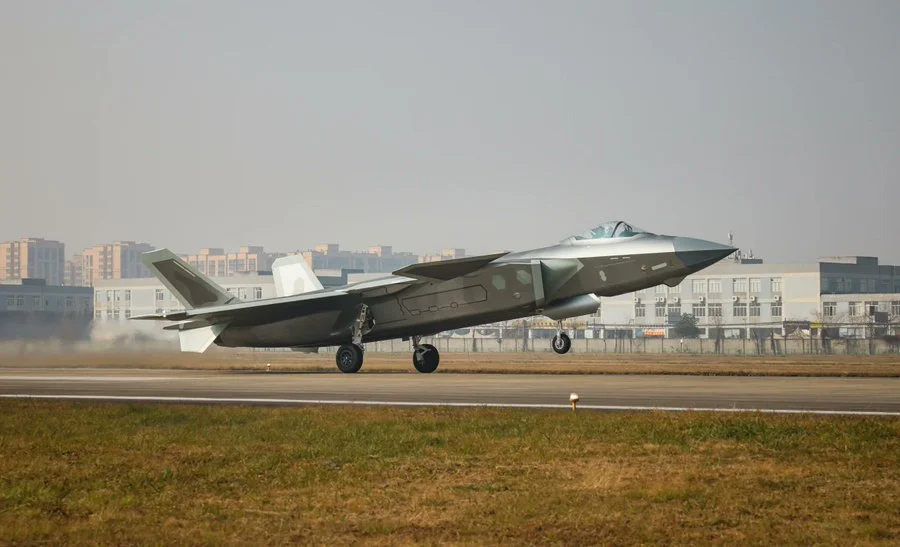
TAIPEI— China’s latest air-to-air missile, the PL-16, has drawn global attention as military analysts compare it with the United States’ next-generation AIM-260 Joint Advanced Tactical Missile (JATM).
The development is being closely watched amid rising security tensions across the Taiwan Strait and the wider Indo-Pacific region.
Experts suggest the PL-16 could reshape beyond-visual-range (BVR) air combat dynamics if its reported specifications are confirmed.
The missile is believed to offer enhanced range and terminal-phase maneuverability, potentially improving engagement effectiveness against high-value aerial assets.
Defense observers argue that advancements in missile propulsion and guidance systems are accelerating a competitive technology race between major military powers.
The system is being discussed widely across defense circles as both sides push for extended engagement capability in future aerial warfare scenarios.
Analysts say these developments highlight the growing emphasis on long-range precision weapons and networked air combat operations.
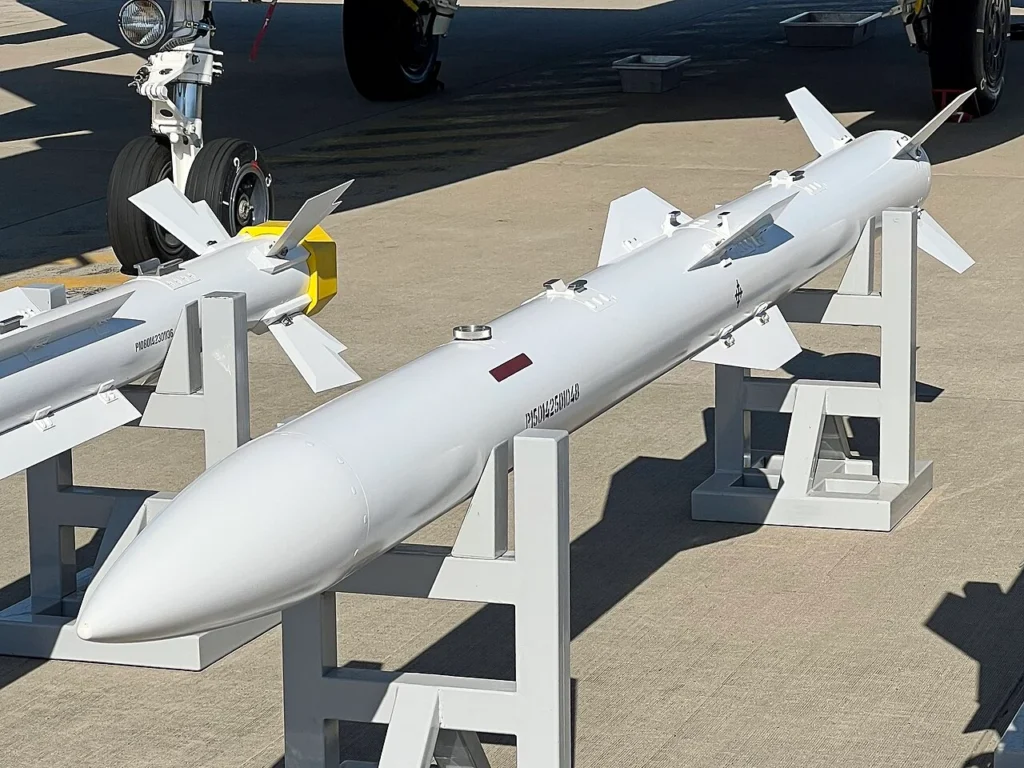
China’s PL-16 Has an Edge in Missile Range
The PL-16 is reported to feature a strike range between 200 and 300 kilometers, placing it among the longest-range air-to-air missiles under discussion today, Defense News reported
Analysts indicate it uses dual-pulse or variable-thrust propulsion technology, allowing a second burst of speed during the terminal phase of flight.
This capability may improve tracking and engagement of high-value aerial targets such as airborne early warning aircraft and refueling tankers.
Military experts suggest this would significantly increase survivability challenges for support aircraft operating near contested airspace.
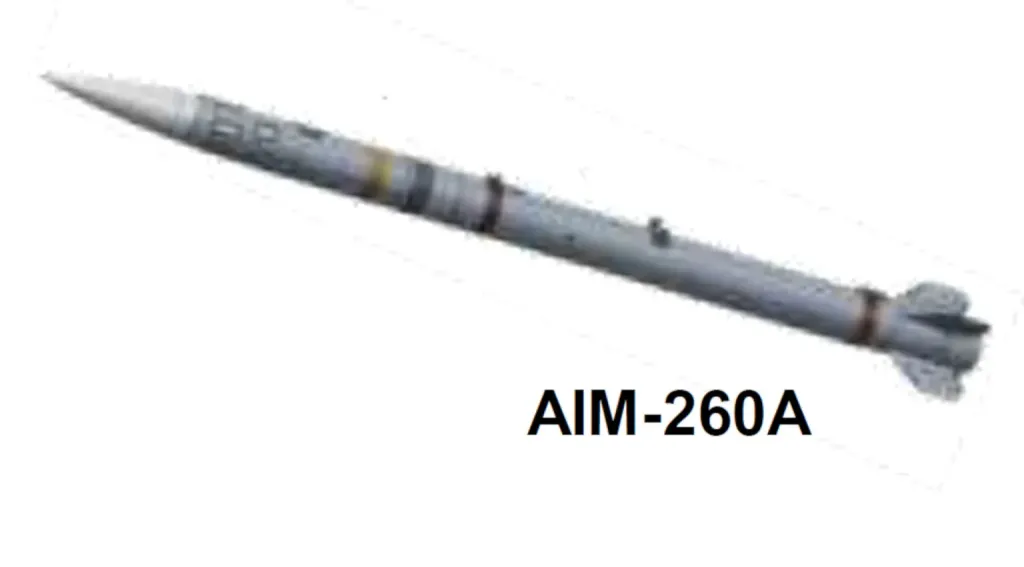
BVR Technology Race
The United States is developing the AIM-260 JATM to counter next-generation threats, including advanced Chinese missile systems.
Both missiles are expected to prioritize extended range, enhanced propulsion, and improved guidance accuracy for long-distance aerial engagements, allowing pilots to engage hostile aircraft from significantly greater distances.
Defense analysts describe this development as a technological race in beyond-visual-range combat capability.
The competition reflects a broader shift toward engaging targets before visual detection becomes possible, reducing reliance on close-range dogfights and placing greater emphasis on sensors, networking, and precision targeting technology.
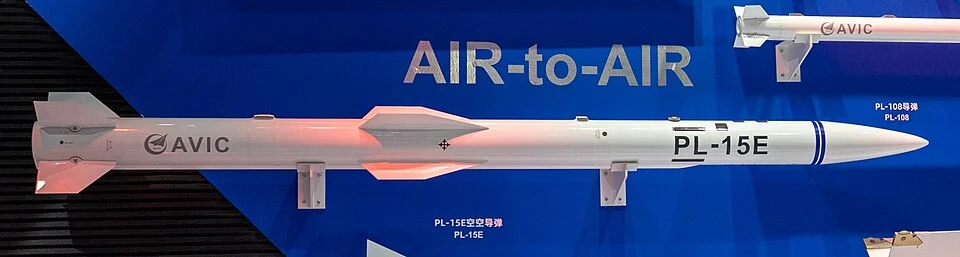
Indo-Pacific Impact of the PL-16
Military strategists believe the PL-16 could influence operational planning across the Indo-Pacific region, particularly around Taiwan and the South China Sea.
The missile’s potential deployment on advanced platforms like the J-20 and J-35 may expand China’s air combat reach and enhance its ability to engage targets at greater distances.
Experts also note that increased missile carriage capacity could allow fighters to engage more targets before returning to base. This could improve mission endurance and combat effectiveness during high-intensity operations.
However, analysts caution that much of the PL-16’s technical data remains unverified and based on leaked or secondary sources.
Stay tuned with us. Further, follow us on social media for the latest updates.
Join us on Telegram Group for the Latest Aviation Updates. Subsequently, follow us on Google News
