


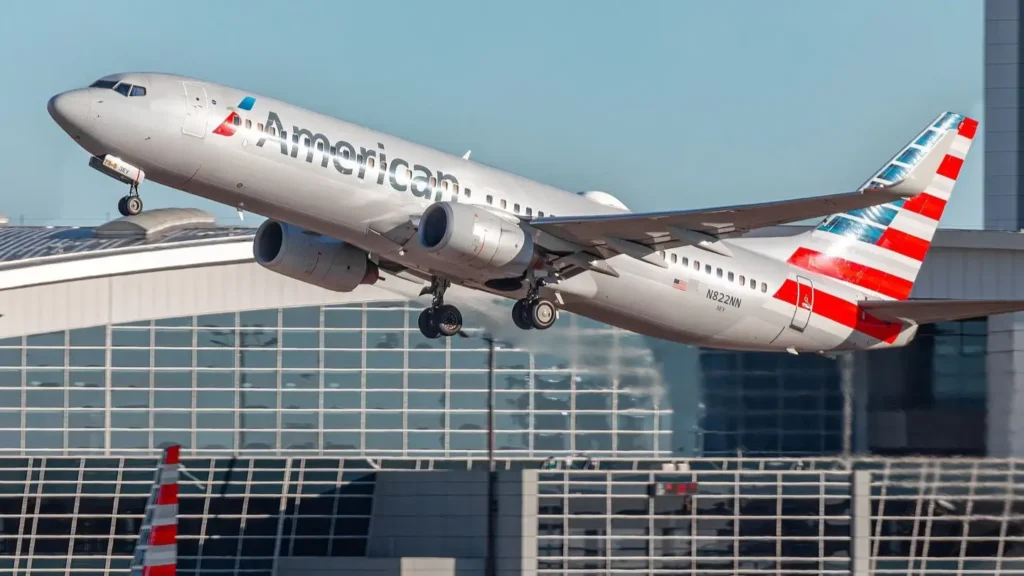
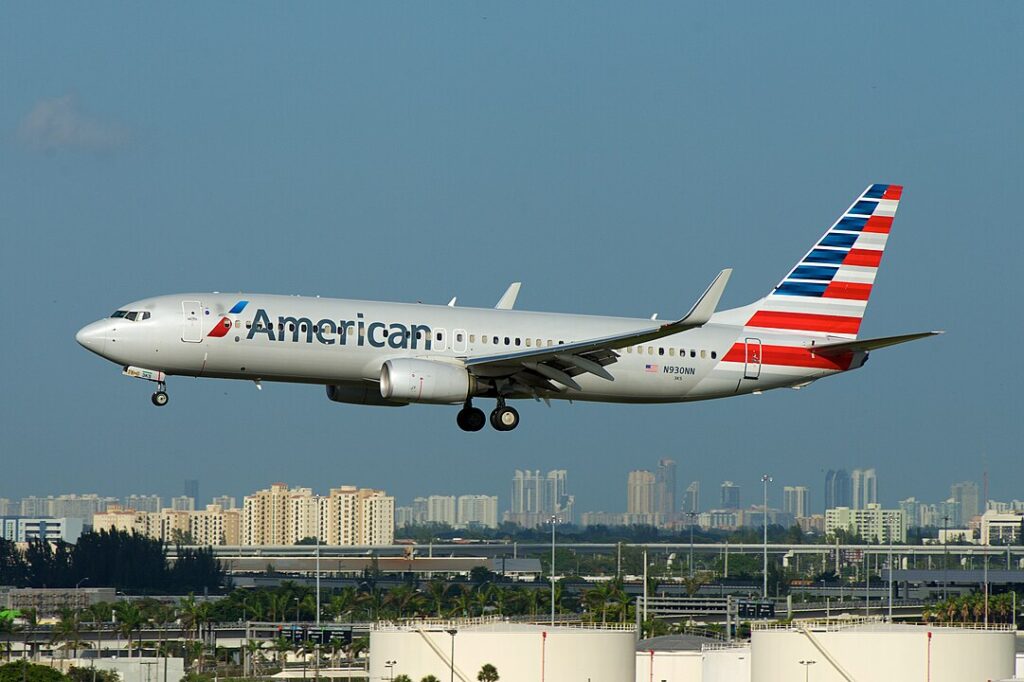
WASHINGTON, D.C.- American Airlines (AA) and Republic Airways were involved in a runway incursion at Ronald Reagan Washington National Airport (DCA) on July 30, after one regional jet mistakenly entered an active runway, forcing an arriving American Airlines (AA) Boeing 737 to perform a go-around.
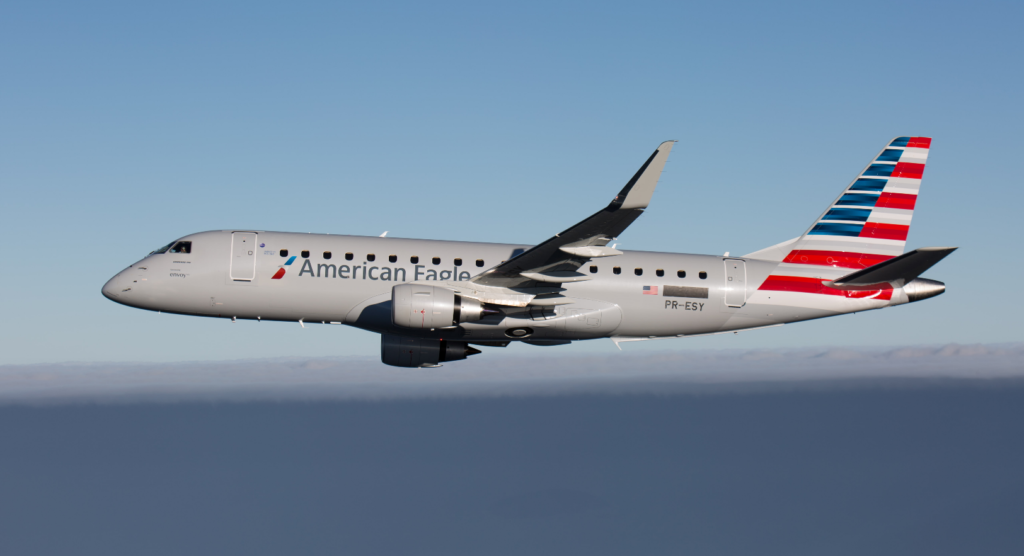
The incident involved two Republic Airways-operated American Eagle flights with nearly identical callsigns departing Washington National Airport (DCA), while American Airlines (AA) Flight 3101 was on final approach from Dallas/Fort Worth International Airport (DFW). No injuries or damage were reported, but the event is expected to receive regulatory scrutiny.

Similar Callsigns Trigger Runway Incursion
The incident occurred at approximately 6:55 p.m. Eastern on Thursday, July 30, 2026, when two Republic Airways-operated American Eagle flights were preparing for departure from adjacent runways at Washington National Airport, ViewfromtheWing flagged.
The aircraft involved were:
| Flight | Route | Operator | Assigned Runway |
|---|---|---|---|
| AA4702 | Washington (DCA) to New York LaGuardia (LGA) | Republic Airways | Runway 4 |
| AA4752 | Washington (DCA) to Raleigh-Durham (RDU) | Republic Airways | Runway 1 |
| AA3101 | Dallas/Fort Worth (DFW) to Washington (DCA) | American Airlines | Landing on Runway 1 |
Air traffic control instructed Brickyard 4702, the callsign for AA4702, to line up and wait on Runway 4 while traffic departed and landed on Runway 1.
Instead, the crew of Brickyard 4752 apparently believed the clearance was intended for them. The aircraft entered Runway 1 without authorization while American Airlines Flight 3101 was on short final.
The Boeing 737 crew immediately alerted the tower after spotting the Embraer E175 on the runway.
The pilot transmitted:
“Tower, there’s an airplane on Runway 1.”
Recognizing the conflict, controllers immediately instructed American 3101 to abandon the landing.
The flight was instructed to execute a go-around, turn left to a heading of 280 degrees, and climb to 3,000 feet.
Air Traffic Control Audio Explains the Confusion
Recorded tower communications indicate that controllers issued only one line-up-and-wait clearance.
The relevant exchanges included:
- Tower cleared Brickyard 4702 to line up and wait on Runway 4.
- Brickyard 4702 acknowledged the instruction.
- American 3101 reported an aircraft occupying Runway 1.
- Tower immediately ordered American 3101 to go around.
- Controllers then questioned Brickyard 4752 about entering Runway 1.
When challenged, the crew of Flight 4752 replied that they believed they had received a line up and wait clearance for Runway 1.
The controller clarified that the clearance had actually been issued to Flight 4702 for Runway 4.
The exchange suggests the crew mistakenly accepted a clearance intended for another aircraft with a nearly identical callsign.
Why the Incident Happened
Although the Federal Aviation Administration has not yet released its findings, the available evidence points toward a classic callsign confusion event.
Both Republic-operated flights shared almost identical identifiers:
- Brickyard 4702
- Brickyard 4752
Operating on the same tower frequency while positioned at adjacent runways increased the possibility of confusion.
Several scenarios remain possible:
- Flight 4752 may have heard only part of the callsign before assuming the clearance applied to them.
- A simultaneous transmission may have partially blocked radio communications.
- The incorrect readback may not have been heard clearly by controllers because of overlapping transmissions.
- The crew may simply have mistaken the runway assignment.
Unlike several recent runway incidents involving controller errors, there is currently no indication that the original clearance itself was incorrect.
Instead, the available communications suggest both flight crews accepted the same clearance, with Flight 4752 acting on instructions that had actually been issued to Flight 4702.
Separation Was Reduced, But Collision Was Avoided
Despite the seriousness of the runway incursion, available flight tracking data suggests the aircraft maintained some separation.
According to aviation commentator JonNYC, preliminary information indicated approximately 800 feet of vertical separation during the event, although he noted the figure was based on second-hand information.
Flight tracking data also indicates American Flight 3101 initiated its go-around while approximately 0.8 miles from the runway and roughly 320 feet above runway elevation.
The timely go-around prevented a potentially far more serious situation.
No injuries, aircraft damage, or ground impact occurred.
Aircraft Involved
| Flight | Registration | Aircraft | Age | Operator |
|---|---|---|---|---|
| AA4702 | N415YX | Embraer 175LR | 12.7 years | Republic Airways |
| AA4752 | N122HQ | Embraer 175LR | 18.7 years | Republic Airways |
| AA3101 | N983NN | Boeing 737-800 | 10.7 years | American Airlines |
Additional aircraft details include:
| Flight | MSN | Seating Capacity |
|---|---|---|
| AA4702 | 378 | 76 seats |
| AA4752 | 196 | 76 seats |
| AA3101 | 33337 | 172 seats |
Data from ch-aviation identifies Flight AA4752’s aircraft as an Embraer 175LR that has operated for Republic Airways since December 2007.
The arriving American Airlines Boeing 737-800 entered service in December 2015.
Investigation Likely to Focus on Flight Crew Actions
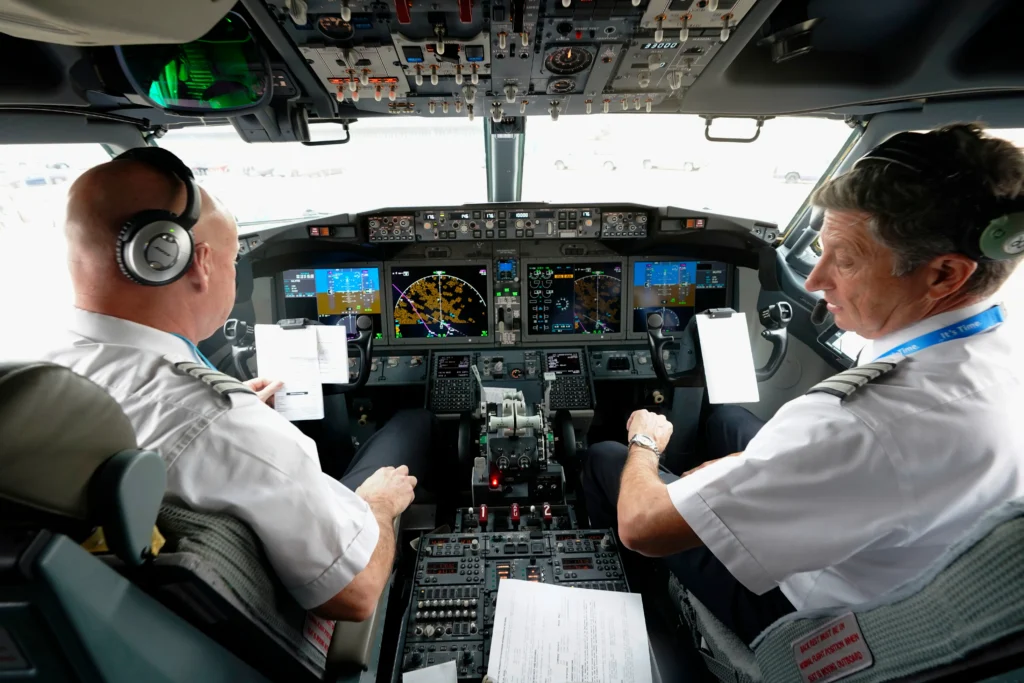
The incident is expected to undergo a formal review by aviation authorities.
Based on currently available information, the event appears to have resulted from mistaken acceptance of a runway clearance rather than an air traffic control error.
The combination of nearly identical callsigns, adjacent departure runways, and simultaneous ground operations created conditions where one crew apparently believed a clearance intended for another aircraft applied to them.
Runway incursions remain among the aviation industry’s highest safety priorities because they can rapidly develop into high-risk situations. In this case, prompt action by both the arriving American Airlines crew and Washington tower controllers prevented the incident from escalating into an accident.
Stay tuned with us. Further, follow us on social media for the latest updates.
Join us on Telegram Group for the Latest Aviation Updates. Subsequently, follow us on Google News
