

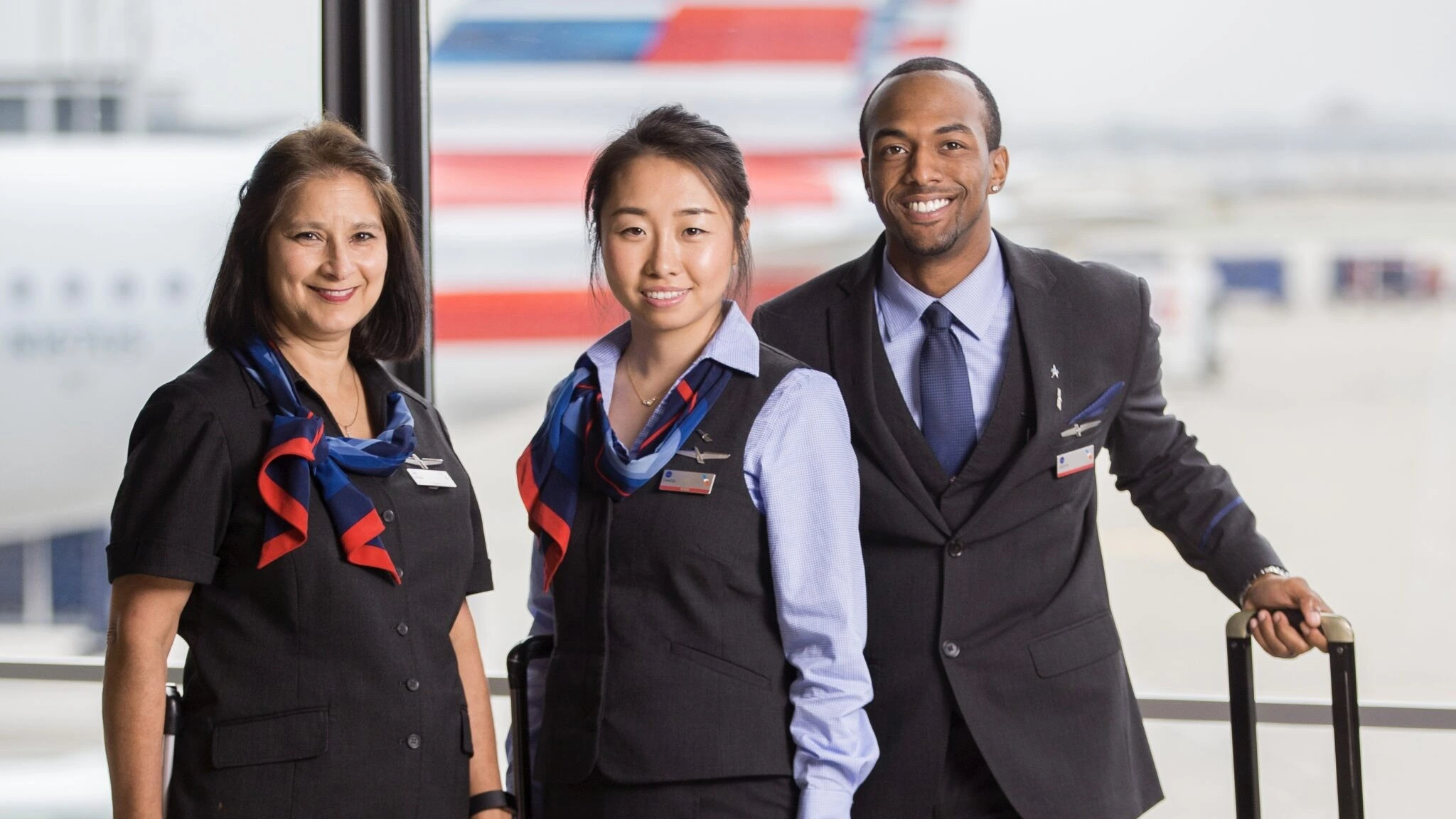
FORT WORTH- American Airlines (AA), which has lost an early bid to dismiss a lawsuit from two flight attendants who claim the carrier underpaid them for overtime under Illinois state law.
A federal judge let the case move forward last week, even though the workers are covered by a negotiated union contract that already sets their wages.
The dispute involves crew members tied to American’s operation out of Chicago O’Hare International Airport (ORD).
They argue that time spent at work at the airport, including boarding, should count as hours worked and earn overtime at a higher rate. The case is one of several similar claims now aimed at major US airlines.
American Airlines Overtime Lawsuit
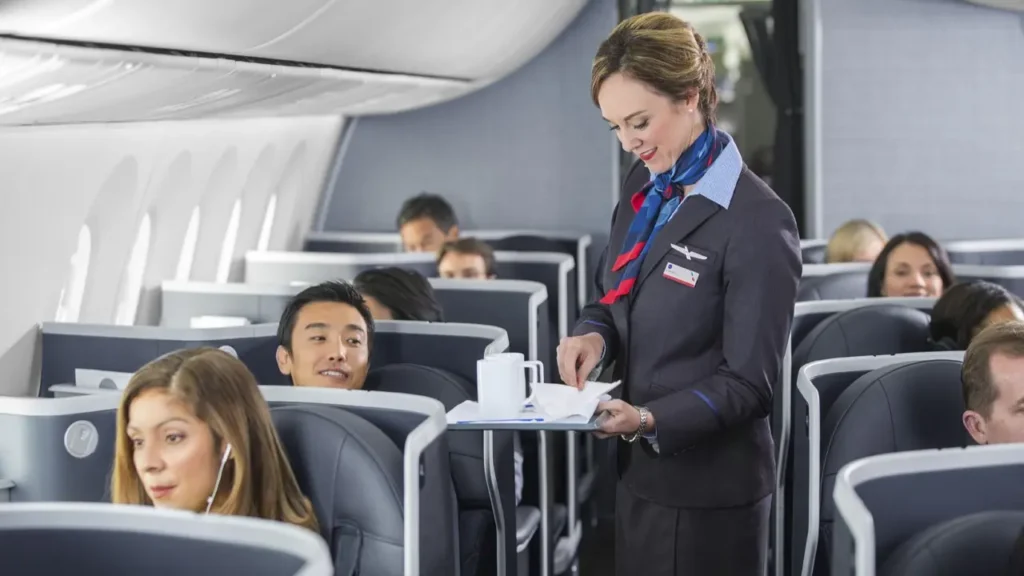
A wave of lawsuits has emerged in which flight attendants accuse airlines of paying them exactly what their union contracts call for, yet still falling short of state overtime rules.
Airlines bargain over wages with their unions at the national level, though most of Delta is non-union.
The complication is that flight attendants are based in states like California, Illinois, and New Jersey, and they travel through many other states with different labor laws, even when they do not actually work in their base state.
The legal strategy relies on state overtime laws rather than the union deal itself. Plaintiffs argue that time treated as unpaid in their contracts, or paid at reduced rates, such as time spent working at the airport, should count as hours worked.
Under that view, they should receive time and a half on their regular wages for those hours. This holds even though their unions negotiated pay agreements that carry higher wages, but work in a different way.
Inside Illinois Lawsuit Against American Airlines
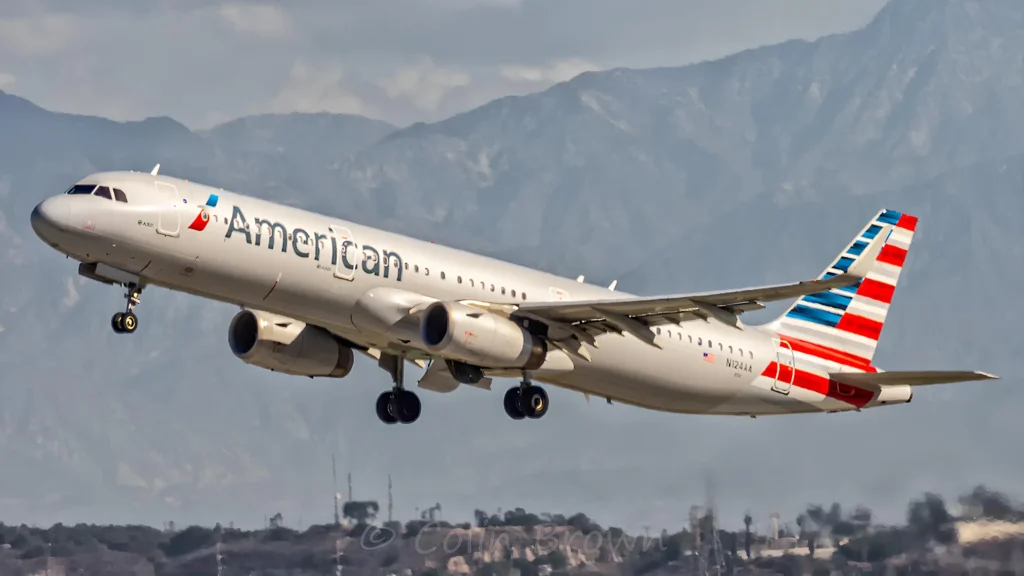
The case is Nicholas Greve and Jeffrey Nissen v. American Airlines, Inc., filed as No. 1:26-cv-00626 in the Northern District of Illinois.
Last week, American failed to convince the court to throw it out at the early stage, allowing the claims to advance.
Illinois treats overtime as mandatory and non-waivable. An employer cannot have an employee work more than 40 hours in a week without paying overtime at a rate of at least one and a half times the regular rate.
The federal Fair Labor Standards Act includes an overtime exemption for airlines, but that exemption does not block claims brought under state law.
The financial stakes are significant. Illinois law lets a worker recover 3 times the underpayment, plus an extra 5% of the underpayment for each month it stays unpaid after the due date, with a look-back period of three years.
Illinois Overtime Rules Boarding Pay
The same Illinois standard raises questions about American’s newer boarding pay arrangement for flight attendants.
Any time over 40 hours in a week must be paid at 1.5 times the regular rate, yet boarding pay is set at 50% of the regular rate. That gap sits at the center of the underpayment argument.
The harder issue is defining the terms. Working out what counts as “hours worked” and what the “regular rate” is becomes complex because the contract contains several different pay rates for different kinds of work.
Sorting out unpaid overtime would likely require reading and interpreting the union agreement rather than simply checking a pay stub.
Preemption Question and Railway Labor Act
If resolving the claim forces the court to interpret disputed contract terms, the case may be pushed out of state court and into a Railway Labor Act process instead.
That outcome is not guaranteed at the opening stage, but it appears to be the most probable path.
Even so, pursuing the suit can still make sense, since the longer it survives, the greater the chance of reaching a settlement.
A state law claim is not automatically blocked just because a collective bargaining agreement is relevant or needs to be checked. Preemption applies only when a court must actually interpret disputed terms of the union contract to decide the claim.
According to View from the Wing, if the question can be answered by looking at a pay stub, including hours worked, amounts paid, and what state law requires, the case can proceed.
A contrasting example is Adames v. Executive Airlines, which was preempted. There, Puerto Rico flight attendant overtime claims required interpreting flight time, on-duty time, guarantees, base pay, overtime pay, and industry practices.
Why Flight Attendant Pay Is Hard to Untangle
Compensation at a large network airline is far more than a simple hourly wage. The negotiated package includes flight hour rates, duty periods, report times, release times, reserve rules, trip rigs, minimum guarantees, premium pay, boarding pay, deadhead rules, reassignment rules, and monthly guarantees.
Deciding whether a flight attendant was underpaid means figuring out which hours fall inside a base 40 and which become overtime, especially since boarding pay sits at 50% of flight pay.
Even when report time, boarding, and deplaning are counted as work, the negotiated flight hour rates, guarantees, duty rigs, trip minimums, and premiums are built to account for that time.
The core wage law question remains whether the worker was paid enough overall for the work performed.
Growing Trend Across Industry
Building a class around “all Chicago-based flight attendants” also presents difficulties. Crew members fly very different schedules.
A single duty can begin in one state and end in another, mix international flying made up mostly of paid flight hours, and include short domestic hops with heavy boarding time and long sits.
Some hold regular lines while others sit in reserve, which widens the differences further.
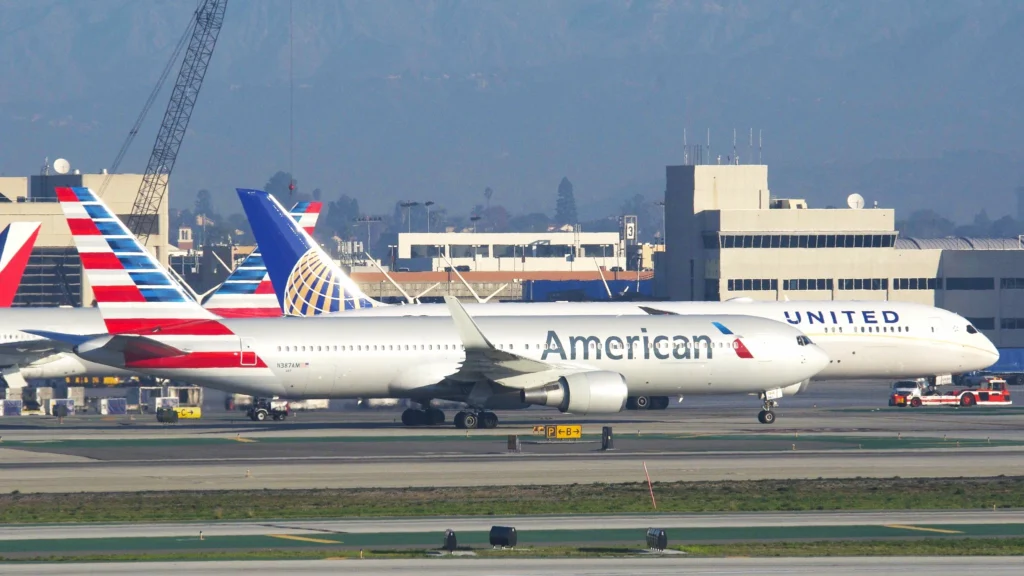
This pattern is not limited to American. Similar cases have already targeted United Airlines (UA) and Southwest Airlines (WN).
Challenging union contracts for offering insufficient pay has grown into something of a cottage industry, marking an unusual position for labor disputes to reach in 2026.
Stay tuned with us. Further, follow us on social media for the latest updates.
Join us on Telegram Group for the Latest Aviation Updates. Subsequently, follow us on Google News
