

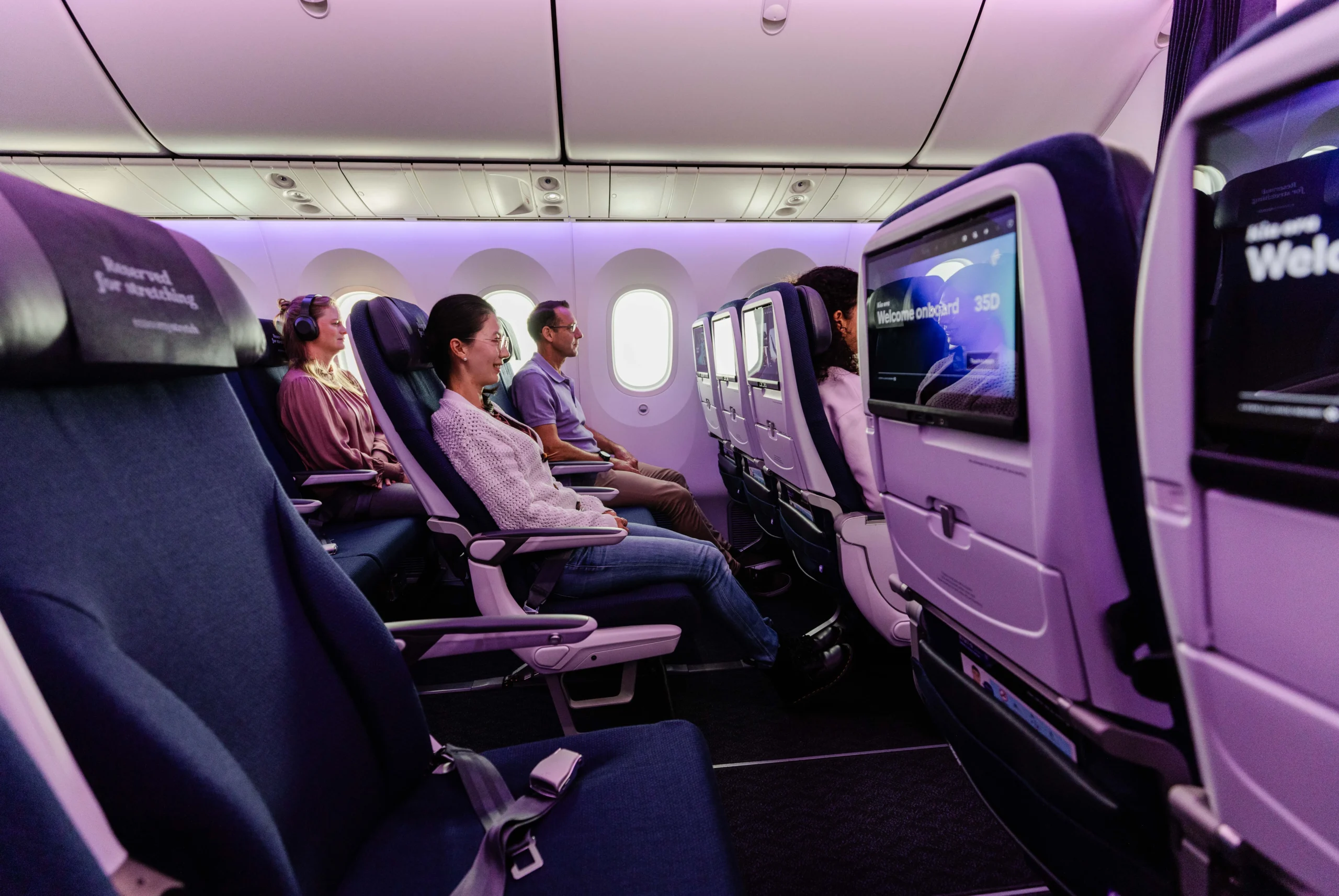
Air travel etiquette continues to spark debate among passengers, especially on full economy flights where personal space is limited. One of the most common questions involves who should use the shared armrests when three passengers occupy the same row.
Cabin crew from multiple U.S. airlines, including Southwest Airlines (WN) and American Airlines (AA), have offered a remarkably consistent answer.
According to experienced flight attendants, the passenger seated in the middle should have access to both shared armrests because they have the least personal space compared with travelers in the window and aisle seats.
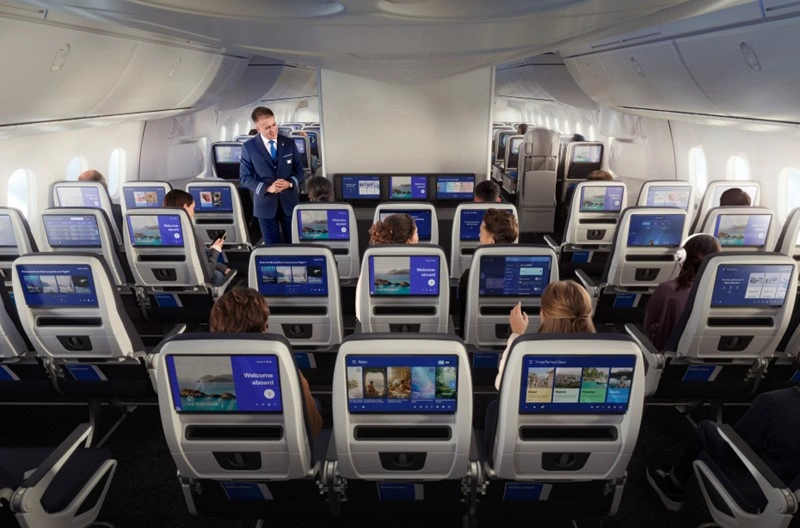
Flight Attendant Middle Seat Rule On Flights
The debate over armrests has existed for decades, particularly on narrow-body aircraft operating short- and medium-haul routes.
While airlines do not generally publish formal policies assigning armrests to specific passengers, cabin crew members say a widely accepted etiquette has emerged through years of customer interactions.
Flight attendants explain that the window-seat passenger can lean against the aircraft fuselage for additional support during the journey.
Likewise, the aisle-seat passenger enjoys slightly greater freedom to stretch toward the aisle whenever cabin conditions allow and when doing so does not obstruct crew members, service carts, or other passengers.
The middle-seat passenger, however, has neither of these advantages.
Positioned between two strangers, the traveler often has the smallest amount of personal space throughout the flight. For that reason, flight attendants believe allowing the center passenger to use both armrests represents a simple and fair compromise.
According to Travel and Leisure, Cabin crew also note that respecting this unwritten rule can reduce unnecessary disagreements and contribute to a more comfortable travel experience for everyone onboard.
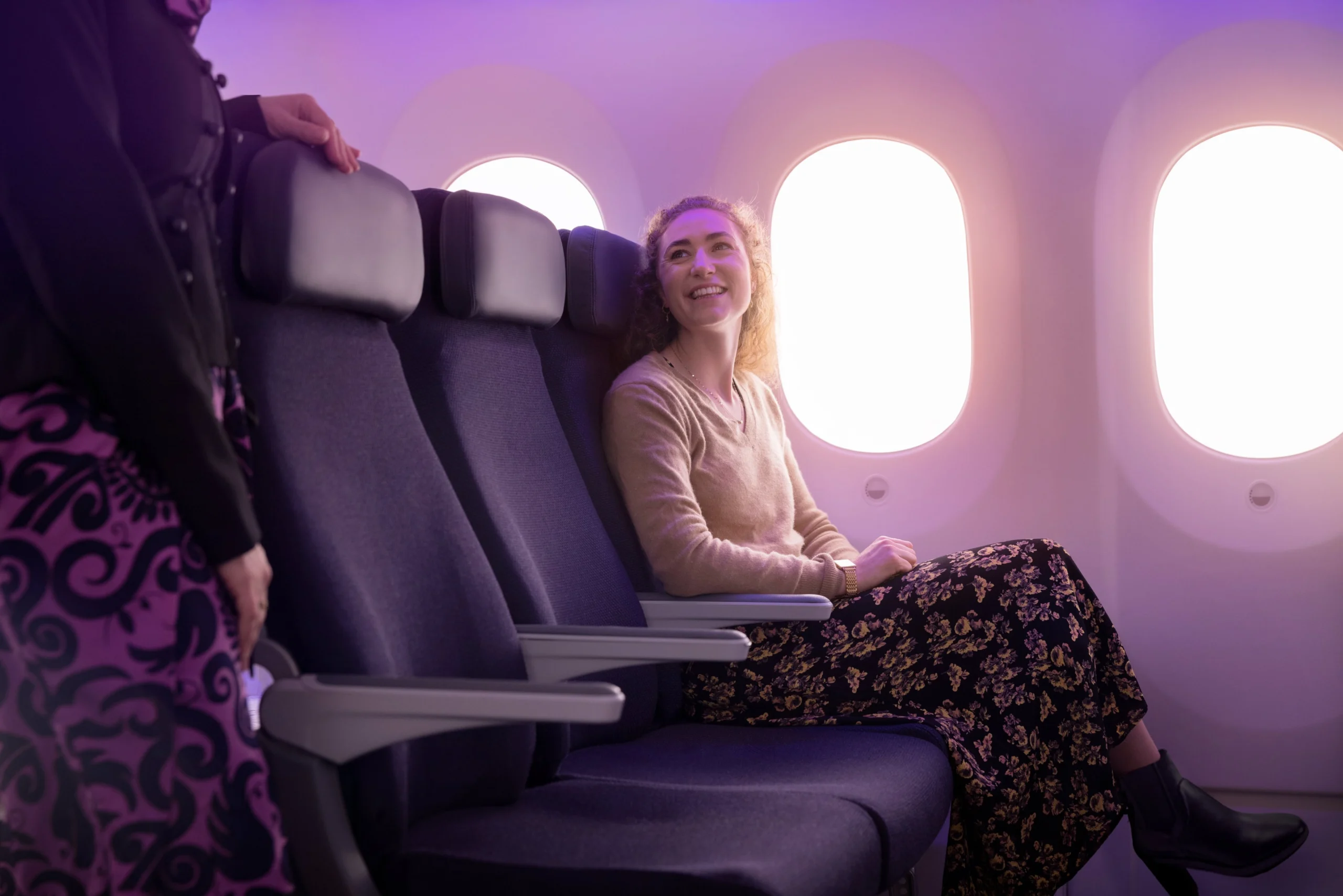
Cabin Crew Advice Explained Today
Flight attendants say most armrest disagreements begin without words. Passengers may slowly move their elbows onto the shared armrest, leading to silent competition before frustration builds.
Crew members recommend addressing the issue politely rather than reacting emotionally. A simple and respectful request often resolves the situation because many passengers do not realize they are occupying more space than intended.
If the disagreement continues, passengers should seek assistance from a flight attendant instead of confronting each other. Cabin crew are trained to manage onboard conflicts professionally and can remind travelers about proper cabin etiquette.
On flights with empty seats, flight attendants may also relocate a passenger to create additional space, although this depends entirely on seat availability and operational requirements.
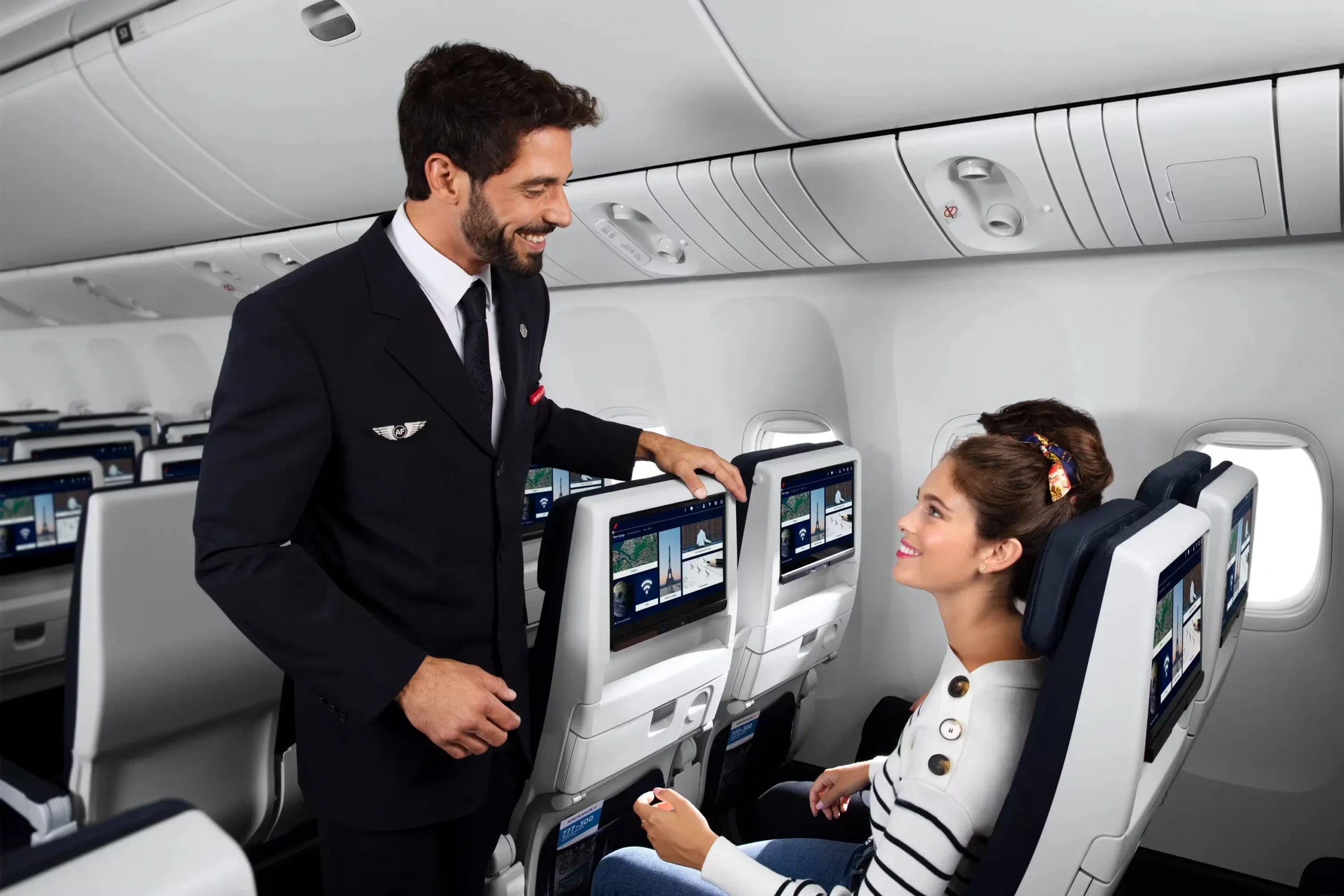
Avoid Conflicts During Flights
Aviation professionals emphasize that passengers should never allow a disagreement over armrests to become physical. Any aggressive behavior onboard can create a safety concern and may result in serious consequences after landing.
Airlines maintain strict policies regarding disruptive passenger behavior. Depending on the severity of an incident, travelers could face removal from the aircraft, intervention by law enforcement upon arrival, financial penalties, or future travel restrictions imposed by the airline.
Passengers who wish to avoid the issue altogether can select preferred seats during booking whenever possible. Choosing a window or aisle seat may involve an additional fee, but many travelers consider the extra comfort worthwhile.
Ultimately, experienced flight attendants agree that showing courtesy remains the best solution.
Stay tuned with us. Further, follow us on social media for the latest updates.
Join us on Telegram Group for the Latest Aviation Updates. Subsequently, follow us on Google News
