

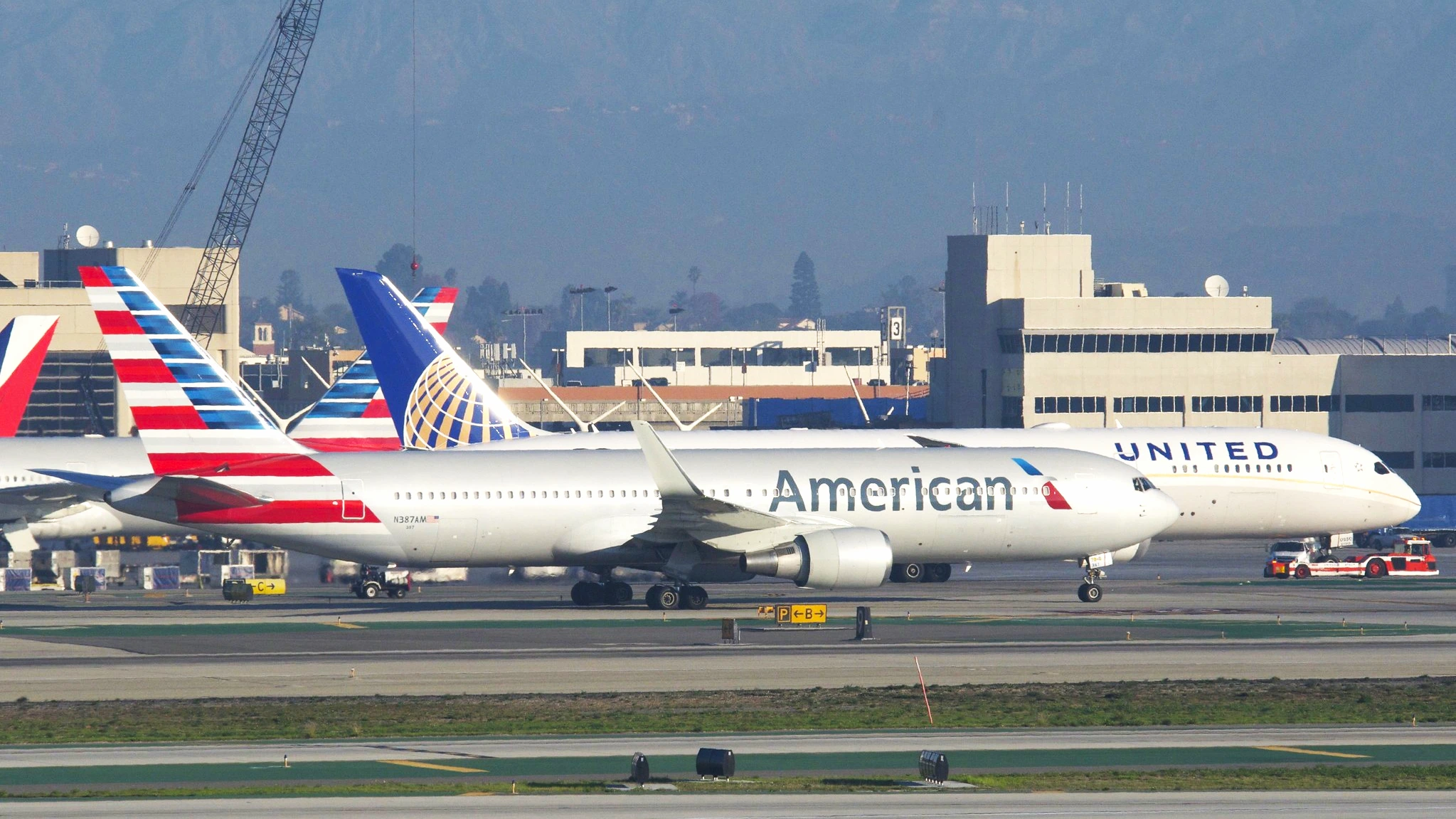
FORT WORTH- American Airlines (AA) allows customers to switch to a different flight on the same travel day. Yet, the carrier attaches strict conditions that limit who can actually use the benefit. Passengers flying from major hubs such as Dallas/Fort Worth (DFW) report growing difficulty securing these changes, especially when seated in first class.
The policy stands in sharp contrast to rivals United Airlines (UA) and Delta Air Lines (DL), both of which offer more flexible same-day confirmed change rules. As American works to repair its finances and customer reputation, its restrictive approach has drawn criticism from frequent flyers who pay premium fares at connecting hubs.
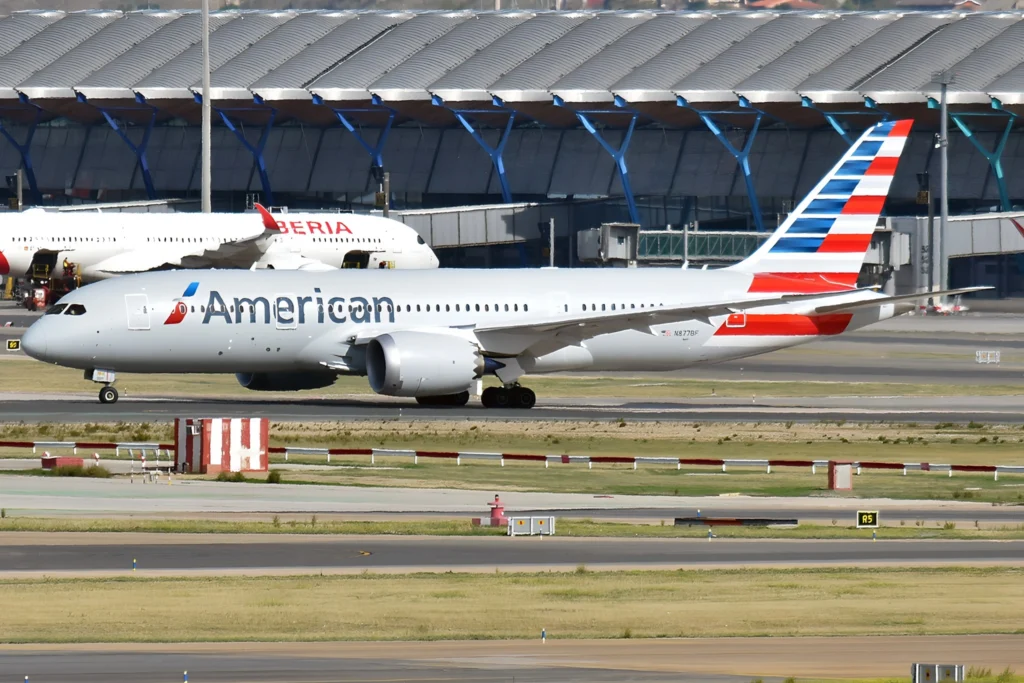
How American Airlines Handles Same-Day Confirmed Changes
American Airlines lets travelers move to another flight on the same calendar day, with pricing that starts at $60. The fee is waived for members holding Platinum Pro AAdvantage status and above, for Alaska Airlines (AS) Platinum members and higher, and for passengers traveling on full-fare coach tickets.
This option is not on standby. When a same-day confirmed change is approved, the passenger is rebooked onto the chosen flight and does not wait at the gate. The challenge lies in qualifying for it in the first place.
Americans apply several conditions that narrow eligibility. A passenger must fly the same number of stops, meaning a non-stop ticket cannot be switched to a connecting itinerary or the reverse. Travelers who connect cannot change the city where they connect.
Despite operating the largest domestic route network, American does not let customers take full advantage of that reach.
The flight must also have “E” inventory available. Open seats for sale do not guarantee approval, since the airline reserves this specific fare bucket for same-day changes.
Why First Class Passengers Face the Toughest Limits
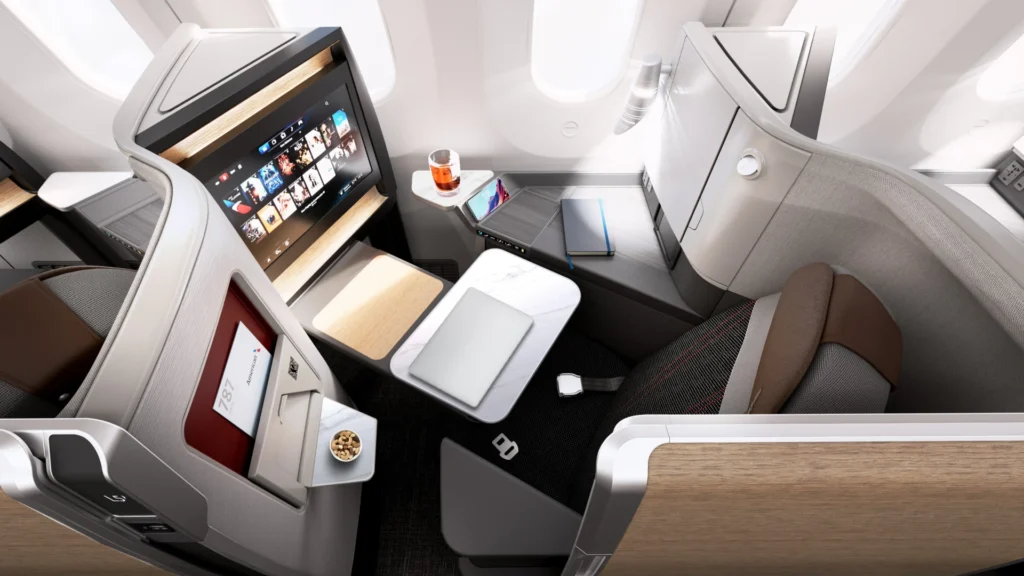
The restrictions become heavier for premium cabin travelers. A passenger already seated in first class needs both available space and eligibility to confirm into first class on the new flight.
One reader reported successfully downgrading to coach to complete a same-day change onto a flight with E inventory, but never managed to move from first class on one flight directly to first class on another.
Customers who purchased a coach ticket and accepted an “Instant Upgrade” offer to first class lose the benefit entirely. American states that segments upgraded through the Instant Upgrade process do not qualify for Same Day Flight Change or Same Day Standby.
There is also a technology gap. Several readers note that the American app sometimes fails to display options that are in fact available, forcing them to call the airline to complete the change, View from the Wing reported.
The Hub Origin Problem
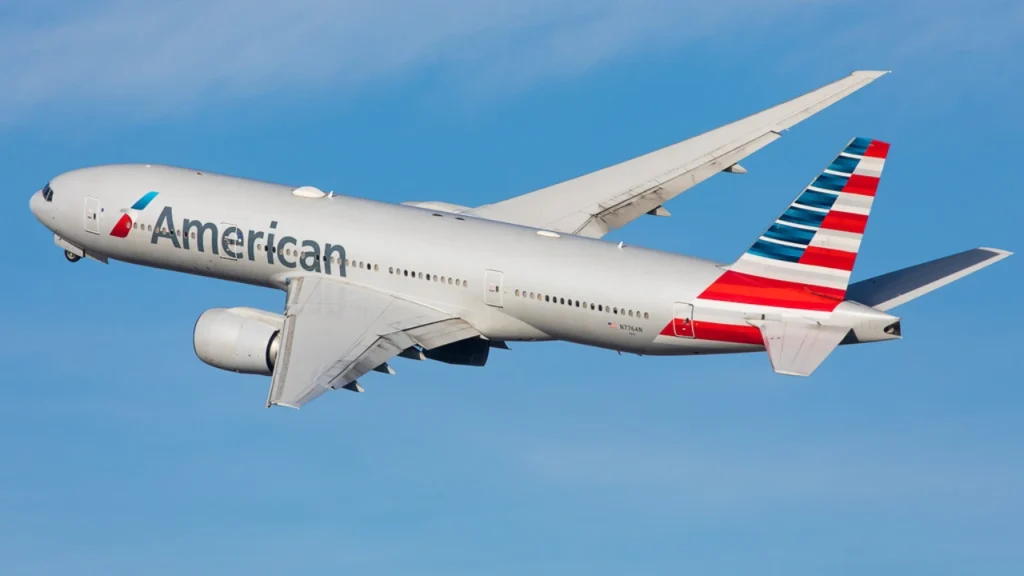
The issue carries real weight for people who live in an American Airlines hub city, where multiple daily flights serve a single destination. A traveler might leave a meeting early and want to head home sooner, or worry about bad weather before any delay appears on the schedule.
One reader raised a pointed concern about journey control. Inventory may be withheld from a local origin city, such as Dallas, to a destination like Springfield (SGF), even when the same inventory remains open for a passenger arriving in Dallas from Waco (ACT) and connecting onward.
Local origin and destination passengers pay among the highest fares because the hub exists to support connecting traffic, since originating in smaller cities like Tyler (TYR) or Waco often costs less.
The frustration is that these high-paying local customers appear to be losing benefits that the airline still advertises publicly.
American began enforcing tighter inventory rules, the same connecting city requirement, and a strict same-calendar-day window rather than a 24-hour window shortly after US Airways (US) management took control. That period marked a shift toward viewing the product as a commodity, competing mainly on price and treating passengers as interchangeable.
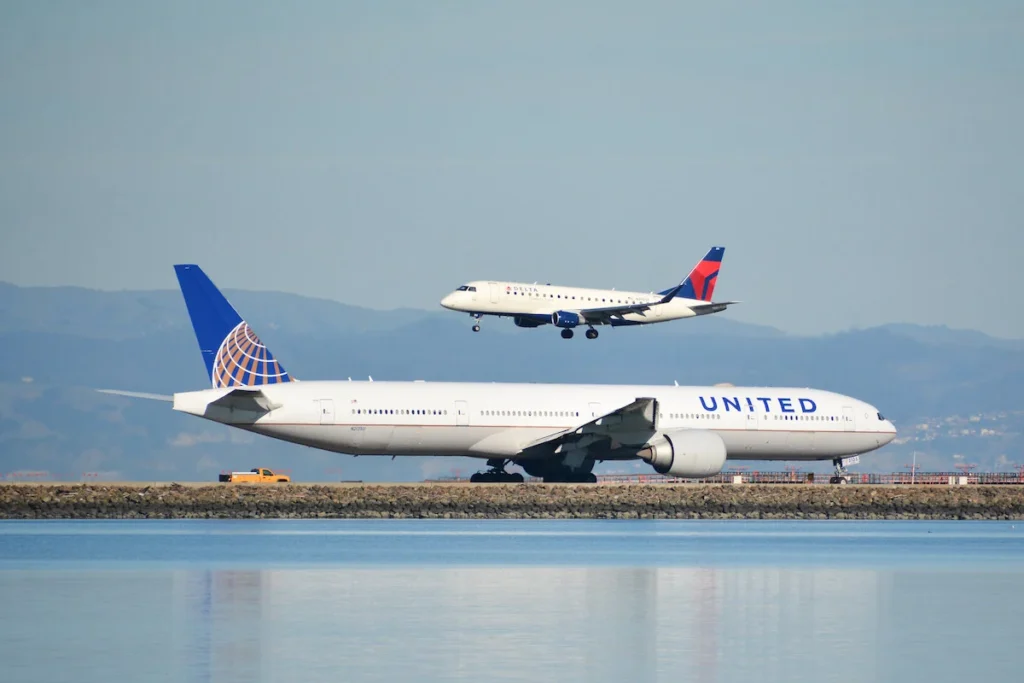
How United and Delta Compare
Both United and Delta offer more generous same-day confirmed change policies, which highlights where American falls behind.
United does not require elite members to connect in the same city for a same-day confirmed change. It also avoids the special inventory requirement, asking only that the same inventory the passenger is ticketed in remains available. United extends flexibility to a full 24-hour window, allowing travel the day before or the day after, not just the same calendar day.
Delta permits first class passengers to make a same-day confirmed change to another flight as long as a seat is available, or to move down to a lower cabin. Coach passengers, much like on United, need availability in the same fare class they purchased.
Delta does not allow same-day confirmed changes from a connection to a non-stop, but it does not force passengers to connect in the same city the way American does.
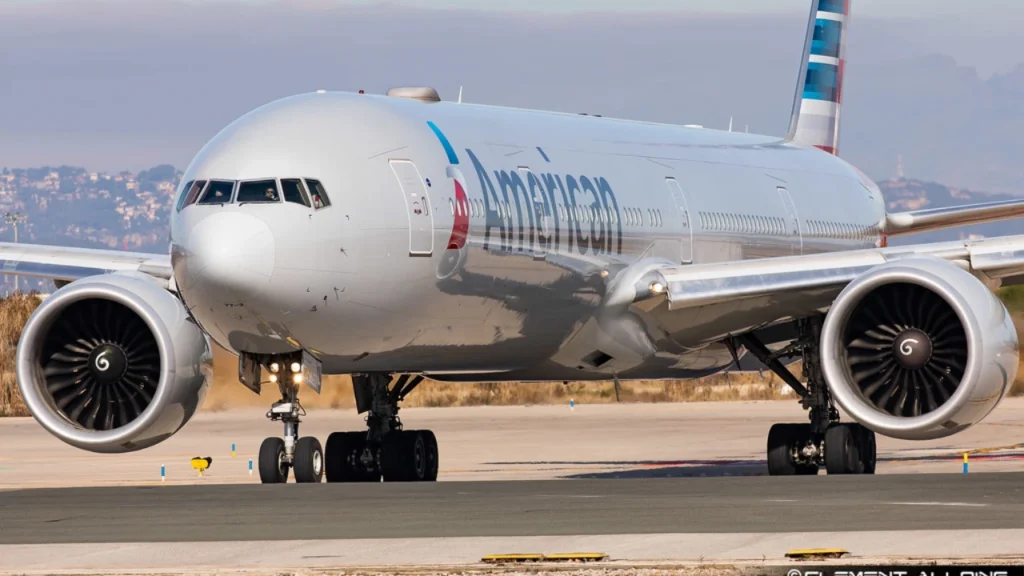
What American Could Fix
American has stated that every one-point gain in Net Promoter Score is worth $50 million to $100 million to the company. Improving its weaker same-day change policy offers a clear path to a better customer experience and stronger scores.
Another policy worth revisiting is the airline’s refusal to through-check bags on separate tickets. American does not permit this even on two American Airlines tickets or with its joint venture partners.
United, by contrast, allows through-checked bags as long as the journey stays within the Star Alliance network.
Stay tuned with us. Further, follow us on social media for the latest updates.
Join us on Telegram Group for the Latest Aviation Updates. Subsequently, follow us on Google News
