

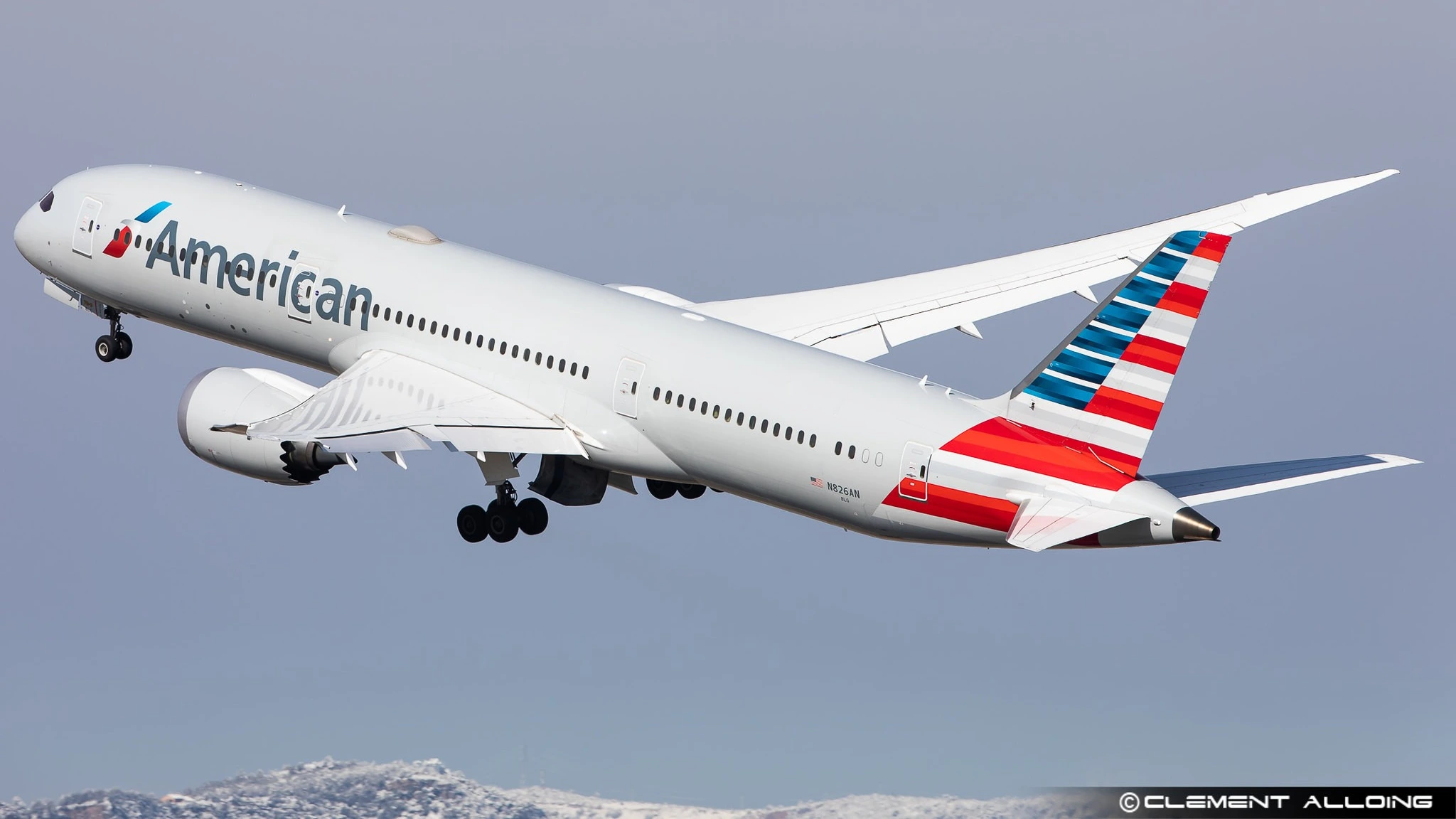
FORT WORTH- American Airlines (AA) CEO Robert Isom publicly praised the airline’s move away from complimentary first class upgrades for frequent flyers, calling the shift a deliberate revenue strategy.
Speaking at the Bernstein 42nd Annual Strategic Decisions Conference, Isom confirmed that American Airlines (AA) now actively pushes paid buy-up offers through its mobile app instead of rewarding top-tier members with free cabin upgrades.
The airline operates its main hub at Dallas/Fort Worth International Airport (DFW) and serves millions of AAdvantage members across the United States and internationally. The policy shift affects elite status holders who previously relied on upgrade availability as a core benefit of their loyalty with American Airlines (AA), ViewfromtheWing reported.

How American Airlines Is Replacing Free Upgrades With Paid Buy-Ups?
American Airlines has redesigned its mobile app across multiple phases to better promote paid upgrade options at the point of booking and post-purchase. Isom described the experience as one that “lays out what’s available” and encourages passengers to pay more for premium cabin access.
The airline now groups cabin buy-ups alongside pre-purchased bags and checked baggage as standard merchandising items, treating upgrade access as a retail product rather than a loyalty reward.
Last summer, American Airlines (AA) eliminated traditional mileage-based upgrade awards entirely. Members can no longer redeem miles for complimentary upgrades in the traditional sense. Instead, the program allows miles to be spent like cash on post-purchase buy-up offers, which industry observers note deliver significantly lower value per point compared to the previous system.
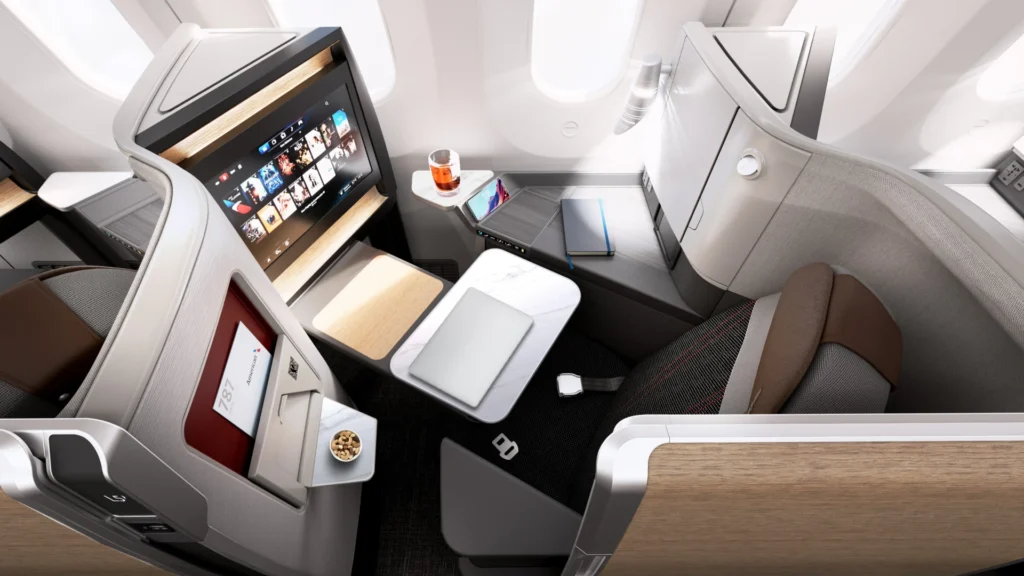
The airline has also grown increasingly aggressive in making first class inventory available to any passenger willing to pay, regardless of their loyalty tier. Upgrade offers as low as $26 are now common on American Airlines (AA) flights, meaning a casual traveler can access the same first class seat that a customer spending $30,000 to $50,000 annually on airfare — or $200,000 a year on the Citibank co-brand credit card — was once rewarded with as a recognition of loyalty.
The Loyalty Contradiction at the Core of AAdvantage
Isom describes the AAdvantage program as one of the four pillars of American Airlines’ (AA) strategy and the element that holds the rest of the strategy together. He has stated publicly that “everybody wants an AAdvantage mile.” Yet the airline’s actions directly contradict that claim by reducing the value of those miles and the status earned through spending them.
Loyalty programs rest on two foundations: reward and recognition. Reward refers to points currency — how members earn and spend miles. Recognition is the differential treatment of top spenders, including priority access, dedicated service, and cabin upgrades.
Analysts and loyalty experts note that points create a transactional incentive, but exclusive experiences create emotional commitment to a brand. American Airlines (AA) is weakening both.
Over the past two decades, American Airlines (AA) has shifted the percentage of first class seats sold commercially from roughly 10% to over 80%. This leaves very little inventory available for complimentary upgrades, effectively dismantling the primary motivation that drives high-value customers to maintain elite status.
Status members who spend more, purchase premium products more often, and transact more frequently with the Citi co-brand credit card are now receiving fewer of the tangible benefits that justified that spending.
What This Means for Elite Status Chasers
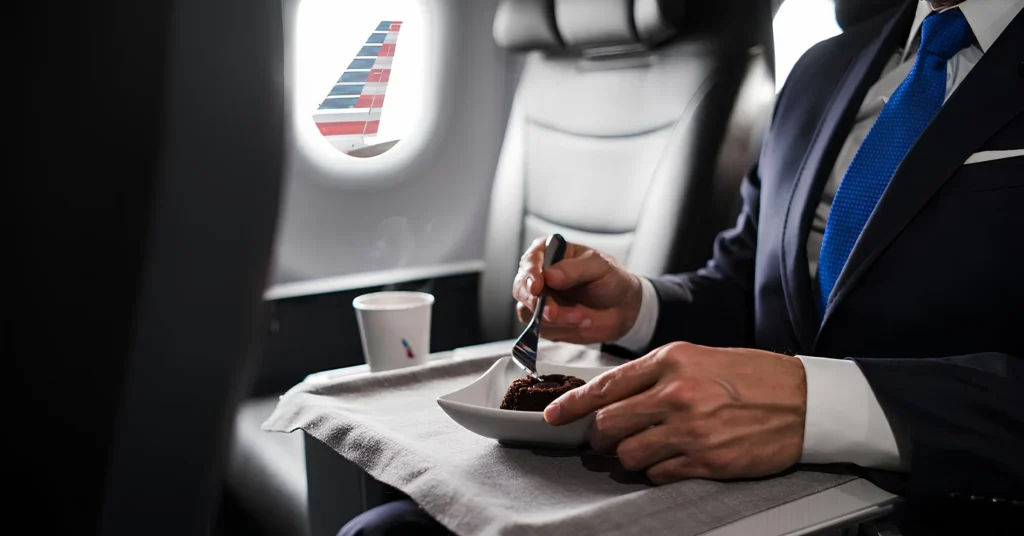
With first class upgrades increasingly monetized and elite recognition diminished, industry analysts suggest that chasing top-tier status at American Airlines no longer makes financial sense for most travelers.
Mid-tier status has emerged as the practical sweet spot, offering benefits such as extra legroom seating, earlier boarding, and some priority handling during flight disruptions — without requiring the extreme spending levels that once unlocked complimentary upgrades.
Schedule and price remain as the primary differentiators in the absence of strong loyalty incentives, but both are commodities easily matched by competitors. Product quality, including cabin experience and onboard connectivity, also offers a limited, durable advantage.
American Airlines (AA) and other carriers are in the process of adopting Starlink satellite Wi-Fi, a feature United Airlines (UA) is currently rolling out fastest. However, once the technology reaches full industry adoption, it will no longer serve as a competitive differentiator for any single carrier.
Stay tuned with us. Further, follow us on social media for the latest updates.
Join us on Telegram Group for the Latest Aviation Updates. Subsequently, follow us on Google News
