

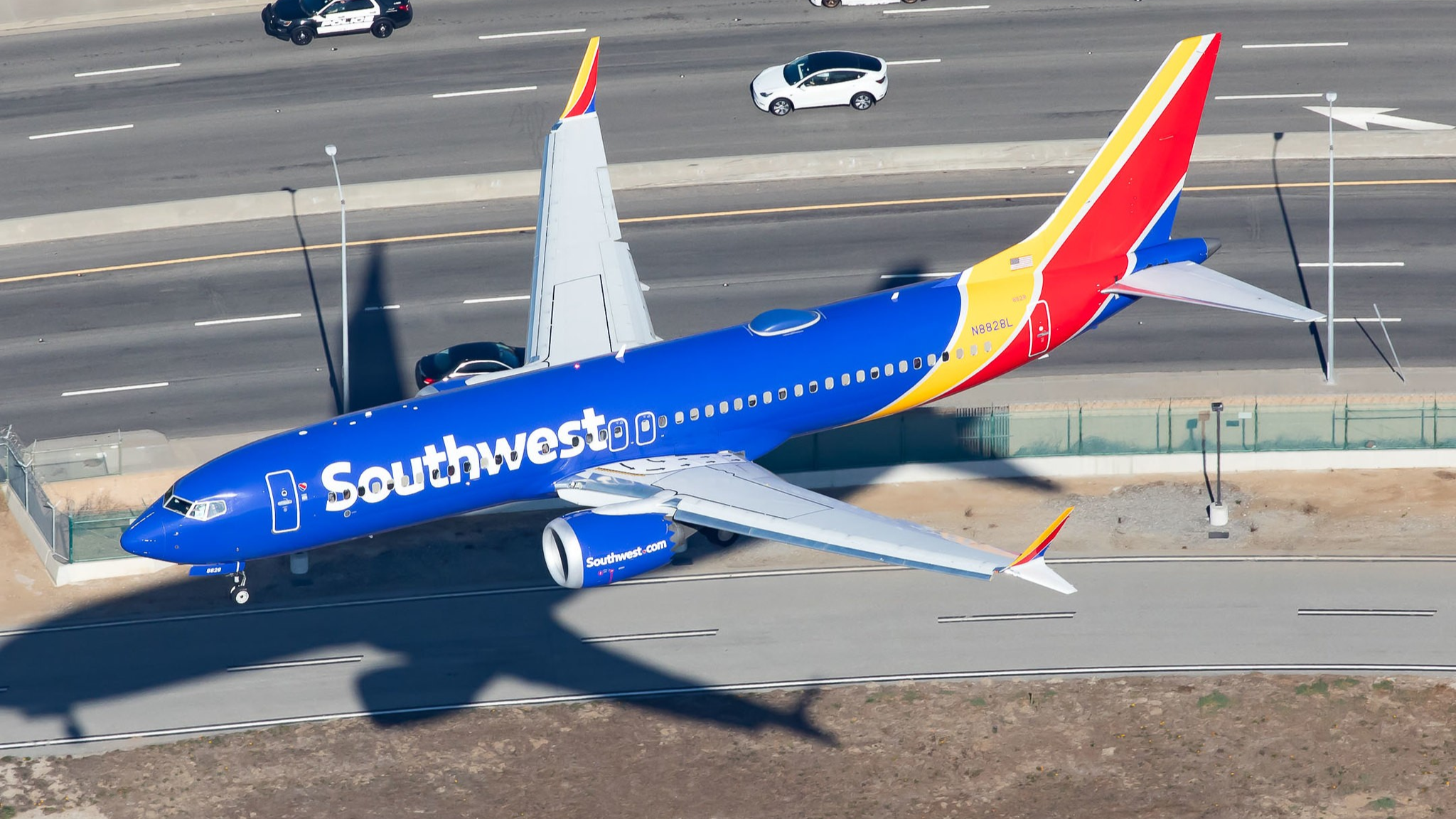
DALLAS- Southwest Airlines (WN) flight WN 375 returned safely to Austin–Bergstrom International Airport (AUS) on June 4 after pilots reported problems with the aircraft’s right engine shortly after departure.
The Boeing 737 was operating a scheduled service from Austin to Phoenix Sky Harbor International Airport (PHX) when the crew decided to discontinue the flight and return to its departure airport.
The 21-year-old Boeing 737 departed Austin at approximately 11:53 AM and climbed to just 13,000 feet before the diversion request was made.
Subsequent inspections identified metal debris and damage inside the right engine, while the source of the debris remains unknown.
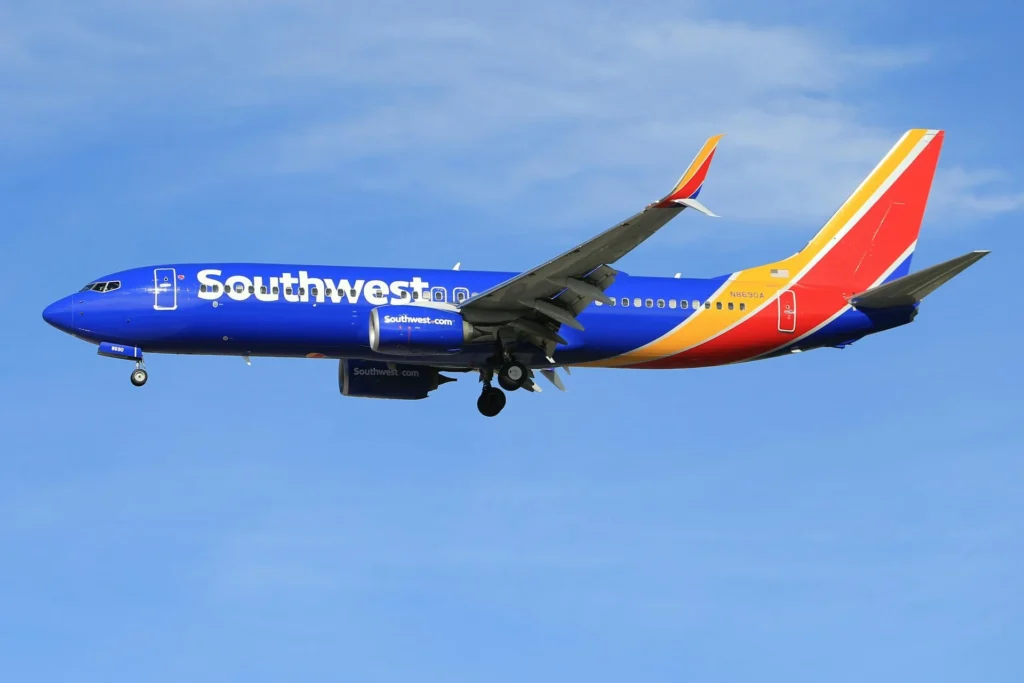
Southwest Flight WN375 Diverts Shortly After Departure
Southwest Airlines flight WN-375 departed Austin–Bergstrom International Airport at approximately 11:53 AM on June 4 for a regularly scheduled flight to Phoenix Sky Harbor International Airport.
Shortly after takeoff, the flight crew reported issues involving the aircraft’s right-hand engine. After reaching approximately 13,000 feet, the pilots requested a diversion back to Austin as a precautionary measure.
The return to Austin was temporarily delayed by local weather conditions.
According to flight tracking data from FlightRadar24, the aircraft descended to around 5,000 feet and briefly circled north of Austin while awaiting clearance for its approach back to the airport.
The Boeing 737 landed safely at Austin–Bergstrom International Airport approximately 40 minutes after departure.
According to Aviation Herald, the aircraft was briefly held on the runway following landing while airport fire services conducted an inspection. Emergency responders examined the aircraft as a precaution after the reported engine issue.
Following the inspection, the aircraft was given the all-clear and allowed to taxi back to the terminal under its own power. Passengers subsequently deplaned without incident.
No injuries were reported during the event.
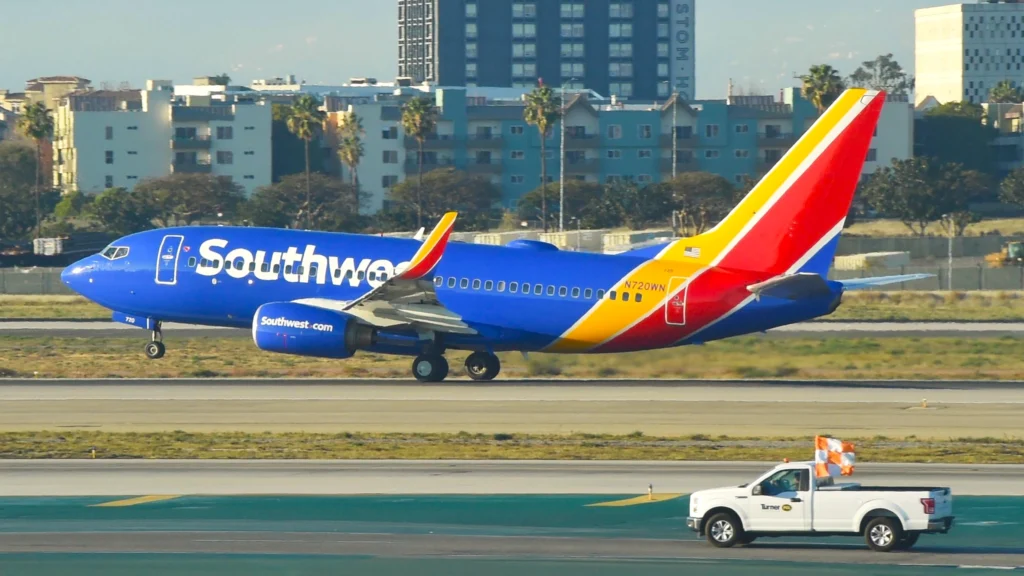
Metal Debris Found Inside Right Engine
A more detailed post-flight inspection revealed metal debris and damage within the aircraft’s right engine.
The Federal Aviation Administration (FAA) confirmed the presence of “metal debris and damage to the right engine” during the inspection process. However, investigators have not publicly identified the source of the debris.
During communications with air traffic control, the pilots reportedly stated that they had not received an engine fire warning. Despite the absence of a fire indication, the engine-related issue was significant enough for the crew to return to Austin and request emergency services to meet the aircraft upon landing.
The aircraft has not returned to service since the incident, and the cause of the metal debris remains under investigation.
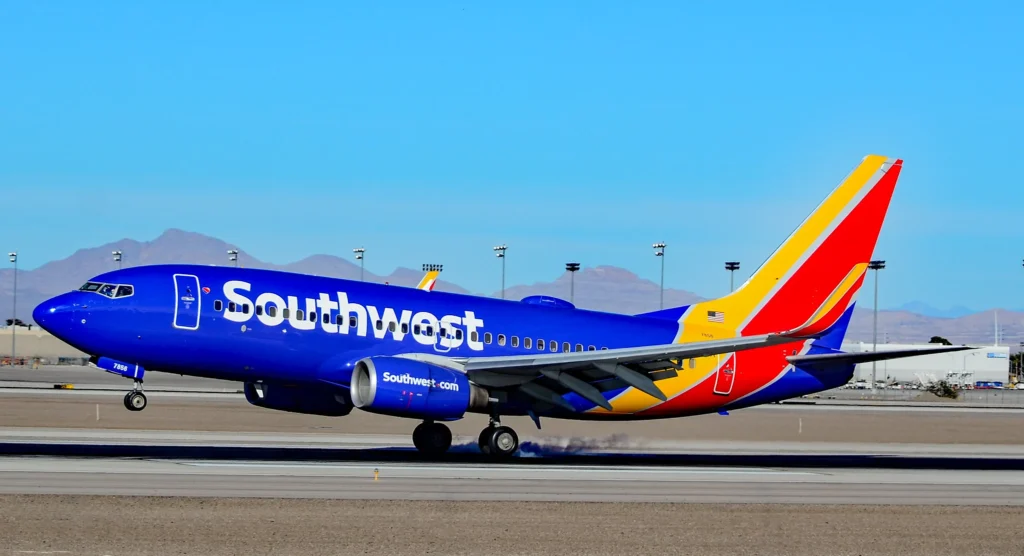
Previous Southwest 737 Engine Failure
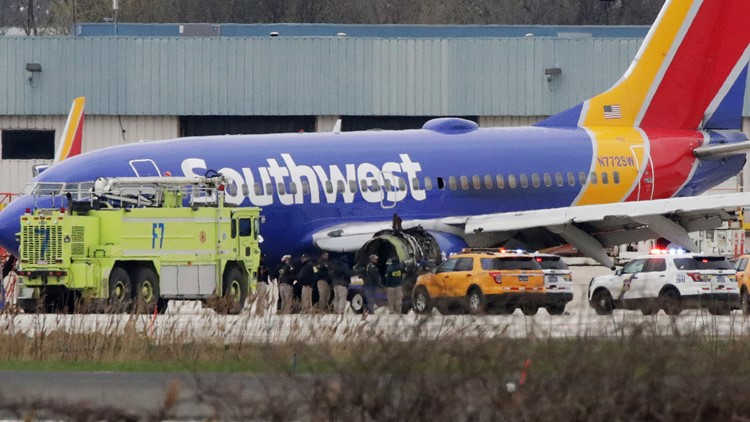
The latest incident recalls Southwest Airlines flight WN 1380, which suffered a major engine failure in April 2018.
The Boeing 737 was operating a flight from LaGuardia Airport (LGA) in New York to Dallas Love Field (DAL) when the engine failure occurred at high altitude over Pennsylvania.
Investigators found that the failure damaged the engine cowling, which is the outer protective covering surrounding the engine.
Fragments from the damaged engine struck the aircraft’s fuselage, and one fragment penetrated a passenger window.
The impact caused an explosive depressurization event that partially pulled a passenger from the aircraft.
The passenger later died from injuries sustained during the accident, while eight other passengers suffered minor injuries.
NTSB Findings and FAA Safety Requirements
The National Transportation Safety Board (NTSB) concluded that the 2018 engine failure began when a fan blade separated from the engine assembly and struck the engine cowling.
Following the investigation, the FAA ordered operators of Boeing 737 Next Generation aircraft to implement design modifications intended to reduce the likelihood of detached fan blade fragments penetrating the engine cowling structure.
The mandated changes are designed to improve containment capability and reduce the risk of secondary damage to the aircraft during an engine failure.
While the FAA has required the modifications, airlines operating affected Boeing 737NG aircraft are not required to complete the work until 2028.
Investigation Continues
The FAA and maintenance personnel continue to examine the Southwest Airlines Boeing 737 involved in the Austin incident.
Investigators are expected to determine whether the metal debris originated from an internal engine component, foreign object damage, or another mechanical issue. Until those findings are released, the exact cause of the right-engine damage remains a mystery.
According to PYOK, the aircraft remains grounded while inspections and investigative work continue.
Stay tuned with us. Further, follow us on social media for the latest updates.
Join us on Telegram Group for the Latest Aviation Updates. Subsequently, follow us on Google News
