

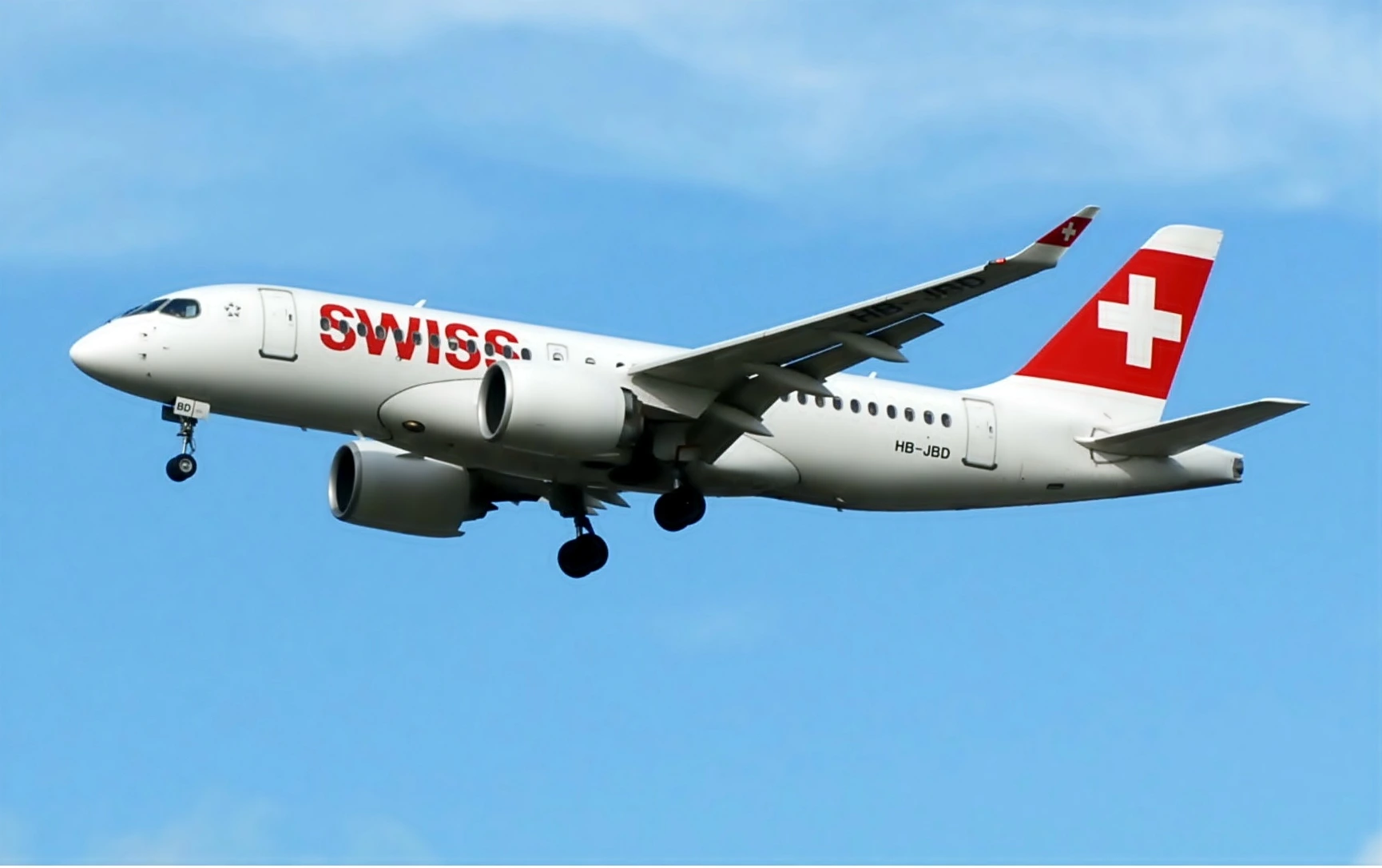
ZURICH— Swiss International Air Lines (LX) is permanently removing two Airbus A220-100 aircraft from its fleet as the carrier seeks to strengthen operations of its larger A220-300 jets amid ongoing engine availability challenges.
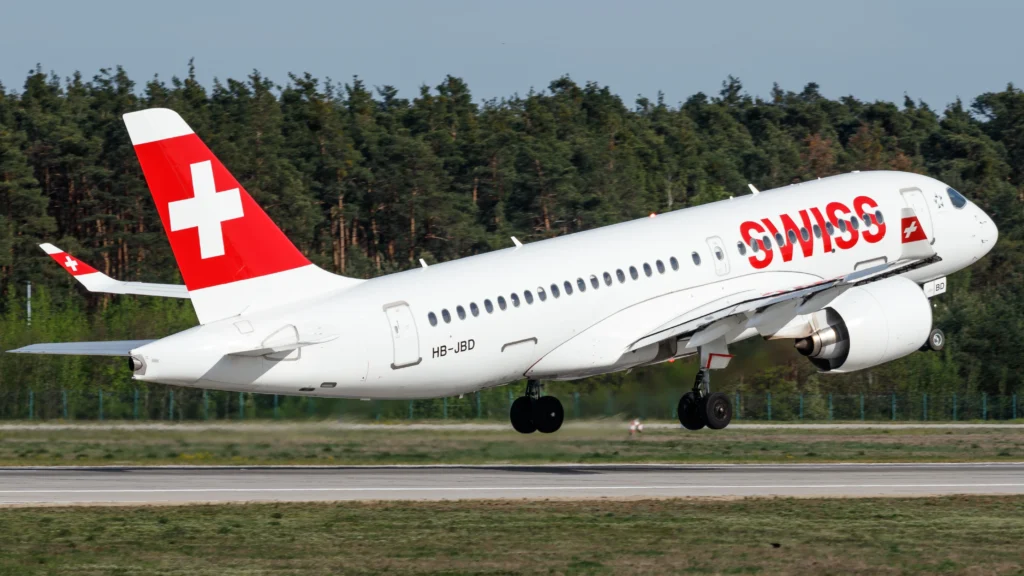
The airline has confirmed that two A220-100 aircraft, registered HB-JBC and HB-JBD, will be dismantled after being placed in storage in Toulouse, France.
The move forms part of a broader strategy to free up engines and spare parts for the airline’s more efficient Airbus A220-300 fleet.
Swiss Airbus A220 Strategy
Swiss became the launch operator of the Airbus A220 program when it introduced the aircraft, then known as the Bombardier CS100, in 2016.
However, nearly a decade later, the airline is reshaping its fleet priorities as engine shortages continue to affect operations across the aviation industry.
The two aircraft selected for dismantling were among nine Airbus A220-100s that Swiss had already planned to withdraw temporarily from active service. Instead of returning HB-JBC and HB-JBD to operations, the airline will use them as a source of components and engines for other aircraft within its fleet.
According to company officials, the decision is intended to secure critical parts internally and improve fleet reliability. The airline emphasized that the move is focused on supporting day-to-day operations rather than signaling an immediate retirement of the entire A220-100 subfleet.
Engine Shortage Impact
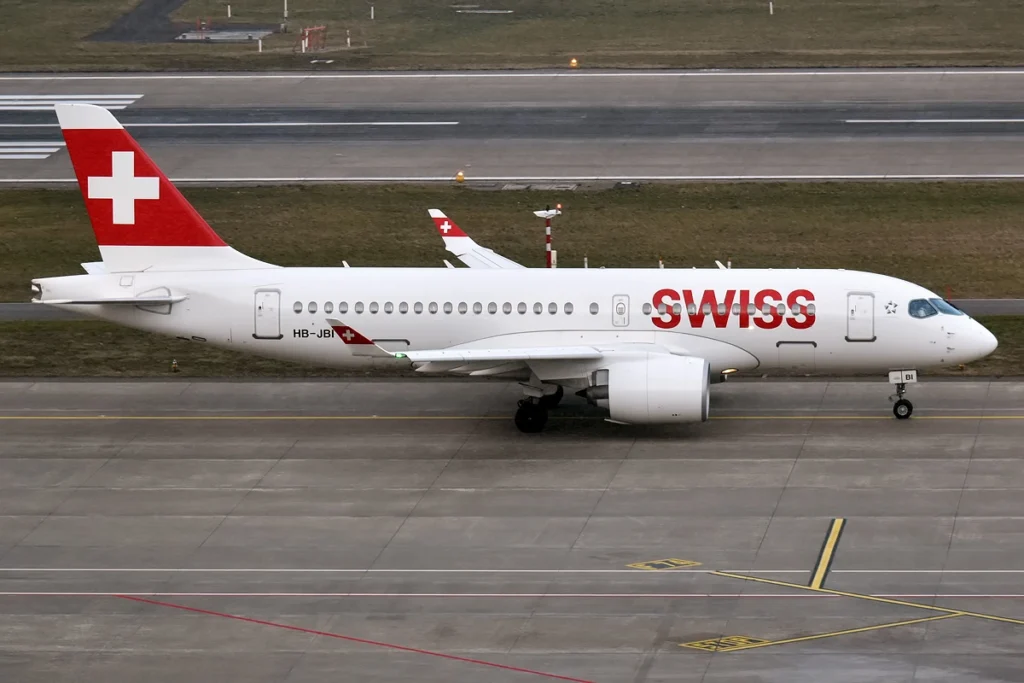
The primary driver behind the decision is the continued shortage of Pratt & Whitney PW1500G geared turbofan engines. These powers, both the Airbus A220-100 and Airbus A220-300, have been affected by industry-wide maintenance and inspection requirements.
Swiss plans to gradually remove its remaining A220-100 aircraft from service over the coming months.
Three of the seven remaining aircraft are currently parked at Toulouse Francazal Airport, while additional jets could be stored for periods of up to 18 months.
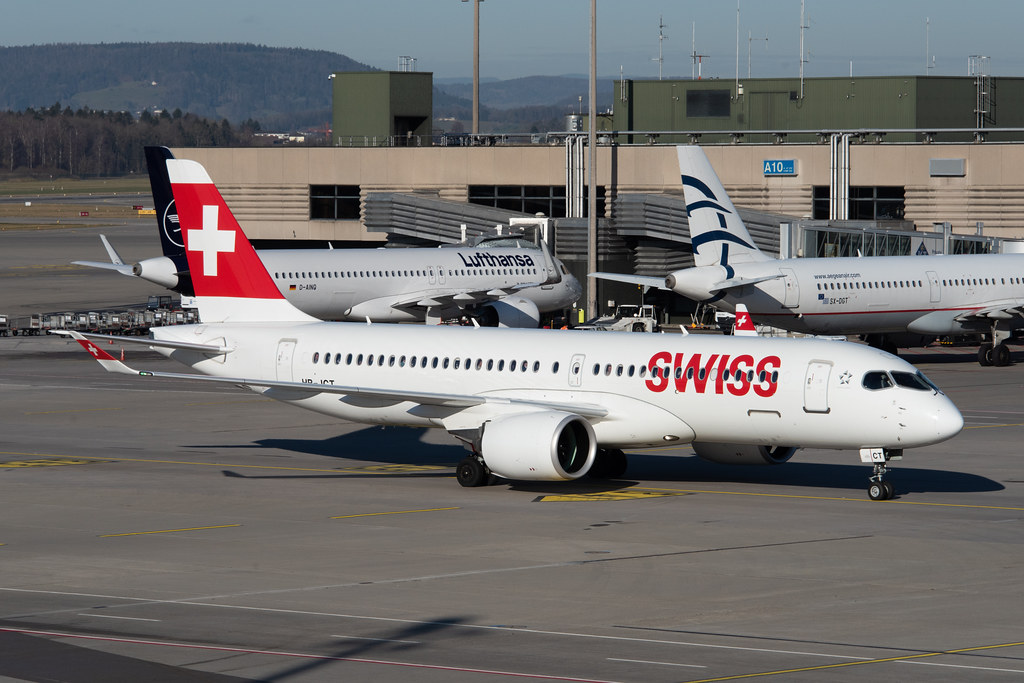
By reallocating PW1500G engines from the smaller aircraft, Swiss can keep a larger number of Airbus A220-300s operational. The A220-300 offers greater seating capacity, accommodating 145 passengers, and provides stronger operating economics on many of the airline’s European routes.
The carrier stated that operational schedules will continue to be adjusted based on fleet availability and maintenance requirements.
Future Fleet Plans
Despite the latest fleet changes, Swiss has not made a final decision regarding the long-term future of the Airbus A220-100 fleet.
Airline officials noted that prioritizing the A220-300 is currently the most practical approach to maintaining operational stability and controlling costs, Aviation Week flagged.
The company stressed that the ongoing redistribution of resources should not be interpreted as a definitive phase-out of the smaller variant. Instead, Swiss intends to evaluate future fleet requirements as market conditions and engine availability evolve.
Like several operators worldwide, Swiss continues to face challenges linked to Pratt & Whitney’s geared turbofan engine family. In addition to the A220 fleet, the airline confirmed that four Airbus A320neo-family aircraft are currently grounded because of engine-related issues.
Stay tuned with us. Further, follow us on social media for the latest updates.
Join us on Telegram Group for the Latest Aviation Updates. Subsequently, follow us on Google News
