

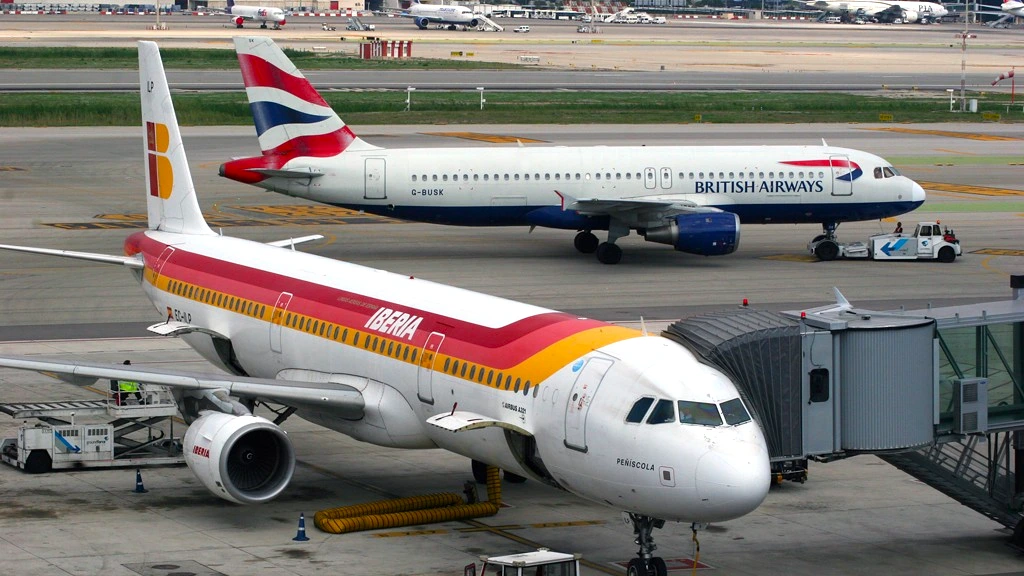
LONDON— The British government is exploring new measures that could see the country’s most disruptive airline passengers banned from flying across multiple carriers, marking one of the toughest proposed crackdowns on air rage and onboard misconduct in recent years.
The proposal, currently under consideration by officials from the Home Office and the Department for Transport, would create a mechanism allowing airlines to identify repeat offenders and potentially deny them future travel.
The move follows a sharp rise in incidents involving violent, intoxicated, and abusive passengers aboard commercial flights.
Airlines, including Ryanair (FR), Jet2 (LS), British Airways (BA), and easyJet (U2), have long called for stronger action against disruptive travelers. Industry leaders argue that current airline-specific bans do not go far enough because passengers prohibited by one carrier can often continue flying simply by booking with another airline.
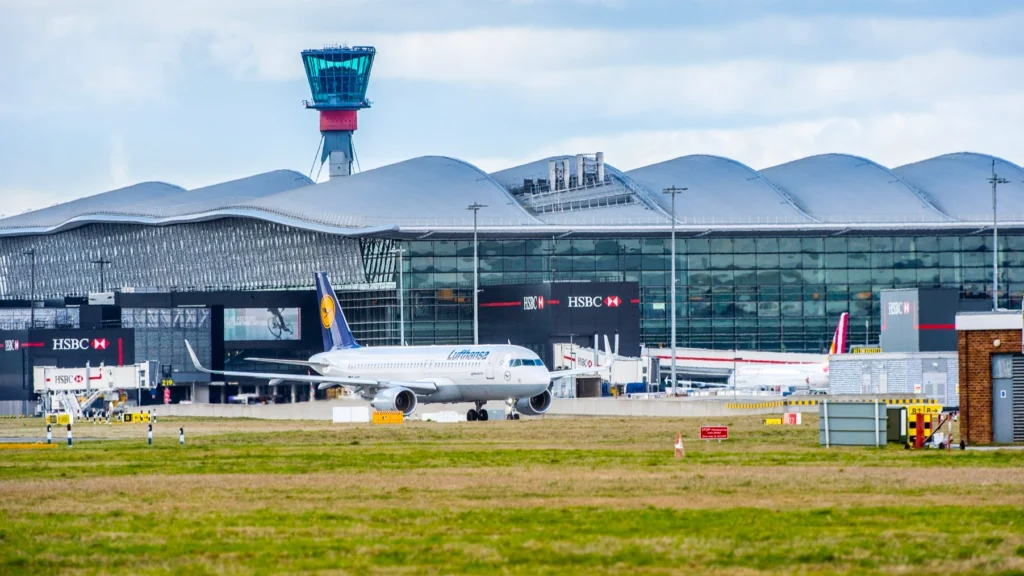
UK Flight Ban Plans
Under the plans being examined, officials could establish a centrally managed database containing details of passengers who have committed serious onboard offenses and received airline bans.
Rather than airlines sharing customer data directly with each other, government authorities would reportedly oversee the information. If a blacklisted traveler attempted to book or check in for a flight with another airline, the carrier could receive a notification and choose whether to refuse transportation.
The proposal remains in the early stages of development and has not yet been formally adopted.
Ministers are expected to hold discussions with airlines and aviation stakeholders in the coming weeks to evaluate how such a system could operate within existing legal frameworks, express.co.uk reported.
Current regulations already allow airlines to ban passengers who engage in threatening, violent, or abusive behavior. However, those restrictions only apply to the specific airline involved in the incident.
As a result, individuals who have been removed from one airline’s services often face few obstacles when booking with another carrier. Supporters of the new proposal argue that this loophole undermines efforts to deter repeat misconduct.
Government officials have indicated that the objective is not to punish occasional mistakes or minor disputes.
Instead, the focus would be on passengers responsible for serious incidents that jeopardize safety, disrupt operations, or threaten crew members and fellow travelers.
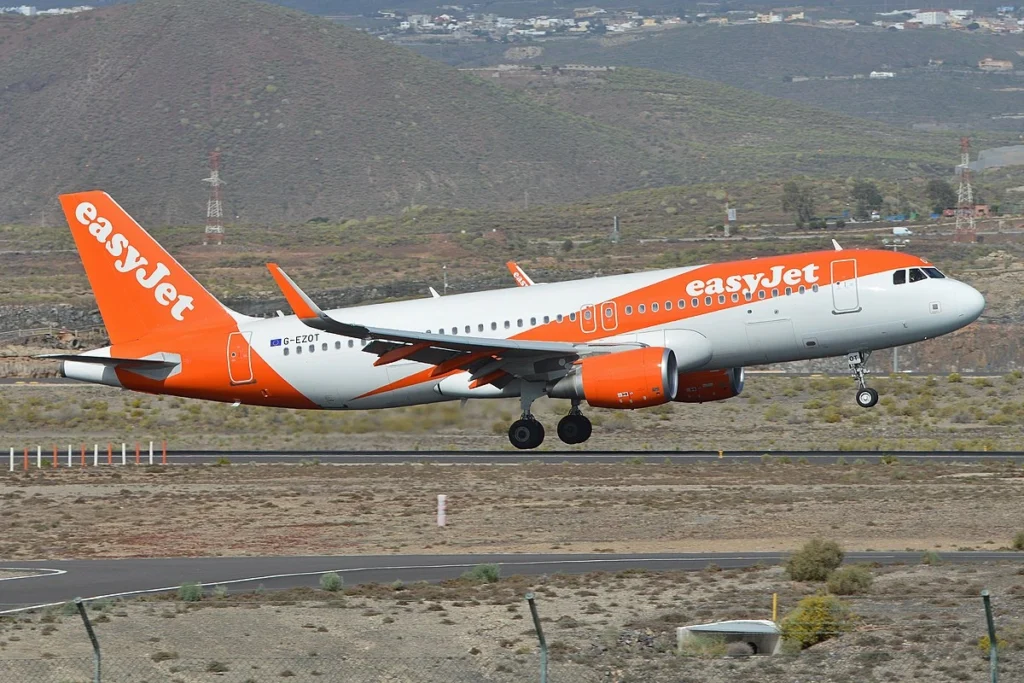
Air Rage Cases Rise
The proposed crackdown comes as airlines continue to report elevated levels of disruptive passenger behavior compared with pre-pandemic years.
Official aviation data shows that reports involving intoxicated, violent, or unruly passengers have increased dramatically over the past several years. Before the pandemic, authorities recorded 390 such incidents during 2019.
By 2023, that figure had climbed to 1,245 reported incidents, more than tripling pre-pandemic levels. Reports have remained above 1,000 annually since then, highlighting the ongoing challenge facing airlines across the United Kingdom.
Many incidents involve excessive alcohol consumption before or during flights. Others stem from disputes between passengers, refusal to comply with crew instructions, or aggressive behavior directed at airline employees.
Several recent events have attracted significant public attention. In one case, a flight was forced to divert after a violent altercation broke out onboard. In another case, a passenger allegedly threatened and assaulted cabin crew members while under the influence of alcohol.
Such incidents often create operational complications that extend far beyond the aircraft involved. Emergency diversions can lead to substantial costs for airlines, disrupt schedules across wider networks, and inconvenience hundreds of passengers.
For cabin crews, the consequences can be even more serious. Flight attendants regularly serve as the first line of defense against disruptive behavior, and aviation unions have repeatedly called for stronger protections and stricter penalties.
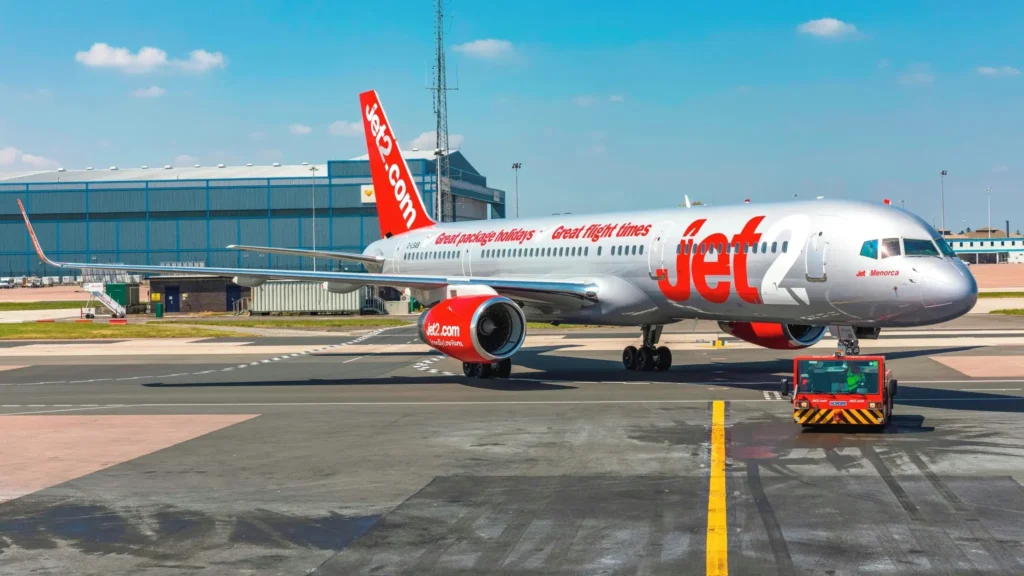
Airlines Back Database
The airline industry has largely welcomed the government’s exploration of a national blacklist system.
Jet2 executives have publicly supported the concept, arguing that repeat offenders should not be able to avoid consequences simply by switching carriers. Industry representatives believe a shared system would strengthen deterrence and improve safety across the aviation sector.
Airlines UK, which represents major British carriers, has also indicated support for additional measures targeting the most serious cases of onboard disruption. Industry leaders maintain that a coordinated approach would help reduce incidents and protect both passengers and employees.
Supporters argue that a national database could also reduce costly flight diversions. Diversions triggered by disruptive passengers can cost airlines tens of thousands of pounds through additional fuel burn, airport fees, crew expenses, and passenger compensation obligations.
Travel industry figures have likewise endorsed tougher penalties, describing persistent air rage as a growing problem that requires stronger intervention than current airline-specific bans provide.
Criticism from Civil Liberties Advocates
Opponents warn that creating a government-managed no-fly database could establish a concerning precedent for the sharing of personal information between authorities and private companies.
Questions have also been raised regarding who would decide which passengers qualify for inclusion and how long restrictions would remain in place.
Critics argue that criminal justice systems traditionally allow opportunities for rehabilitation, whereas indefinite flight bans could leave little room for individuals to demonstrate changed behavior.
For now, the proposal remains under review. Any future system would need to balance passenger safety, operational efficiency, privacy protections, and legal rights before it could become a reality.
As discussions continue, one thing is clear: the aviation industry is seeking stronger tools to combat disruptive behavior, and the United Kingdom may soon become one of the first countries to explore a nationwide approach to keeping repeat offenders out of the skies.
Stay tuned with us. Further, follow us on social media for the latest updates.
Join us on Telegram Group for the Latest Aviation Updates. Subsequently, follow us on Google News
