

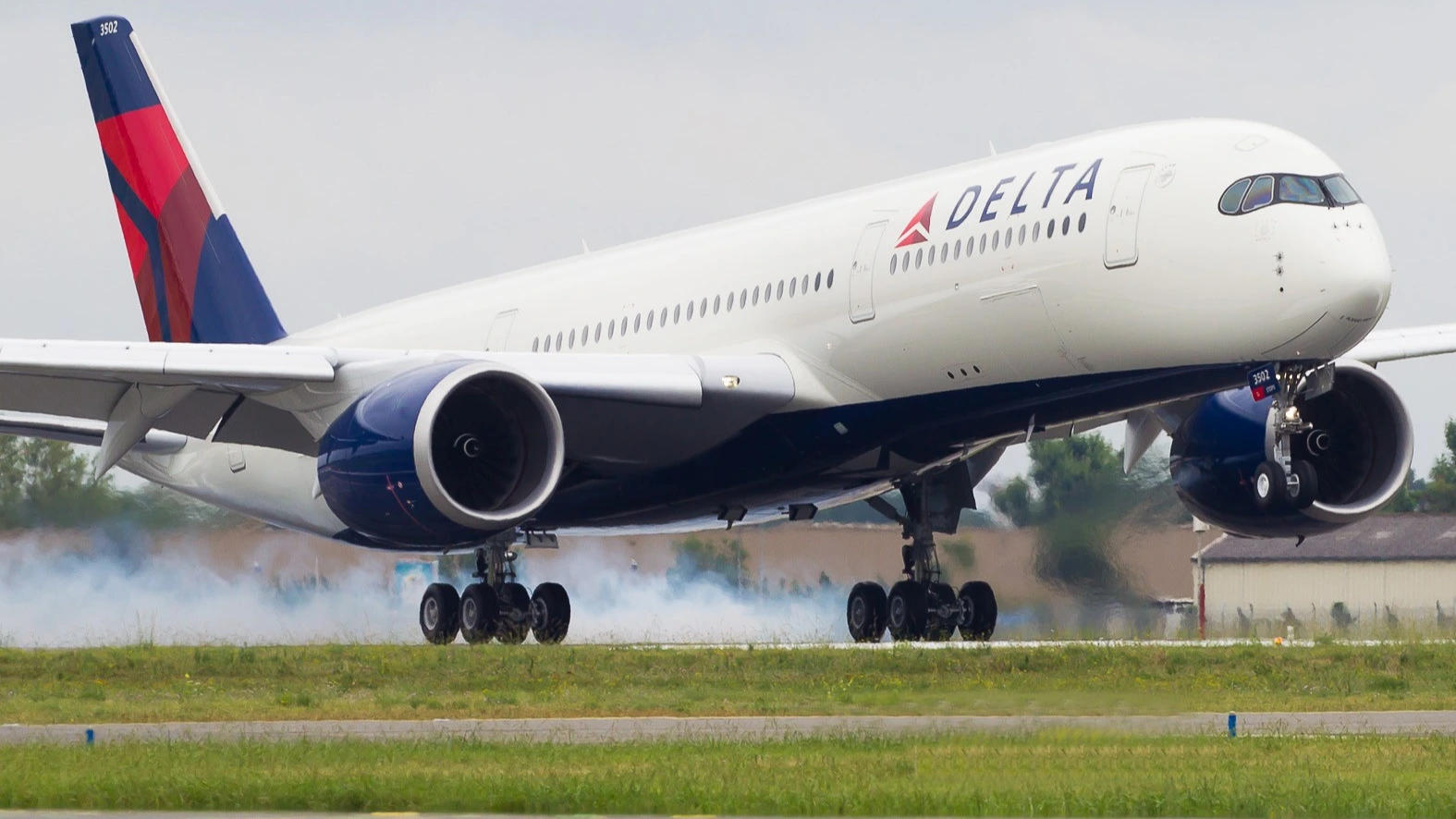
ATLANTA- Delta Air Lines (DL) will move forward with its planned nonstop service between Atlanta Hartsfield-Jackson International Airport (ATL) and Riyadh King Khalid International Airport (RUH) despite ongoing security concerns across parts of the Middle East and continued flight suspensions by several international airlines.
The new route comes as carriers, including United Airlines (UA) and American Airlines (AA), remain cautious about operations in the Middle East. Delta believes its partnership with Riyadh Air and Saudi Arabia’s growing aviation market provide a long-term opportunity despite regional uncertainty.
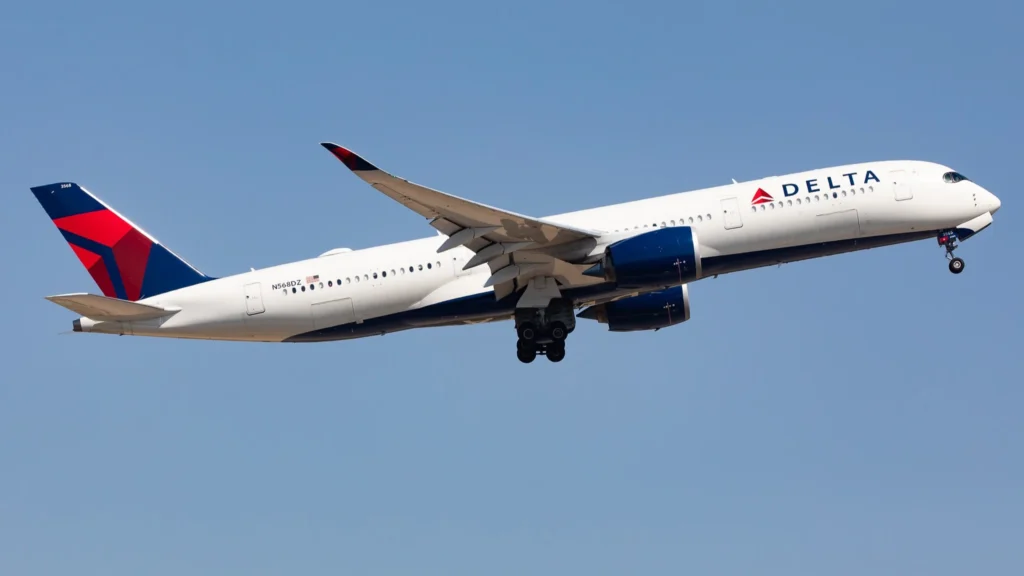
Delta Stands Firm on Riyadh Expansion
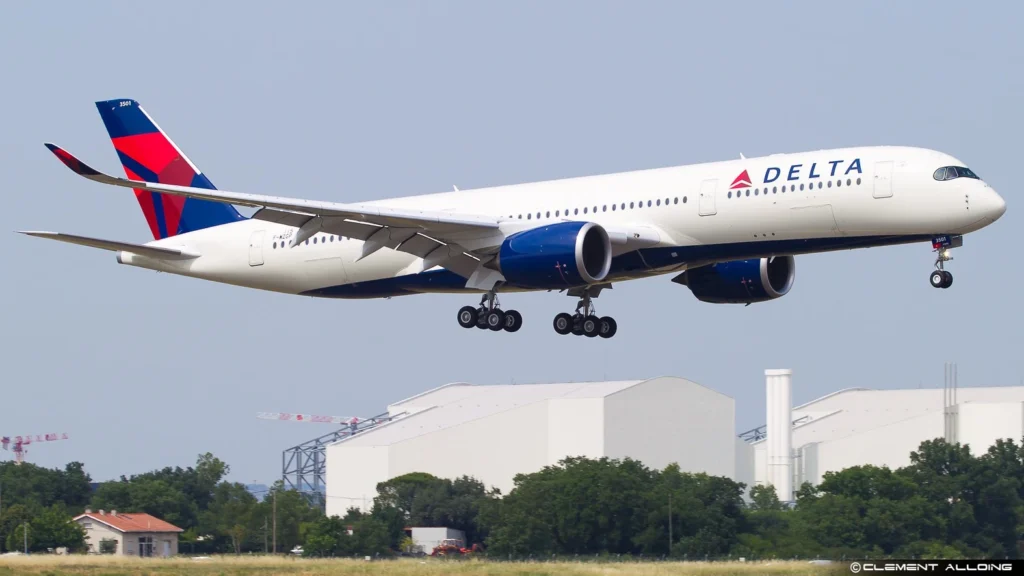
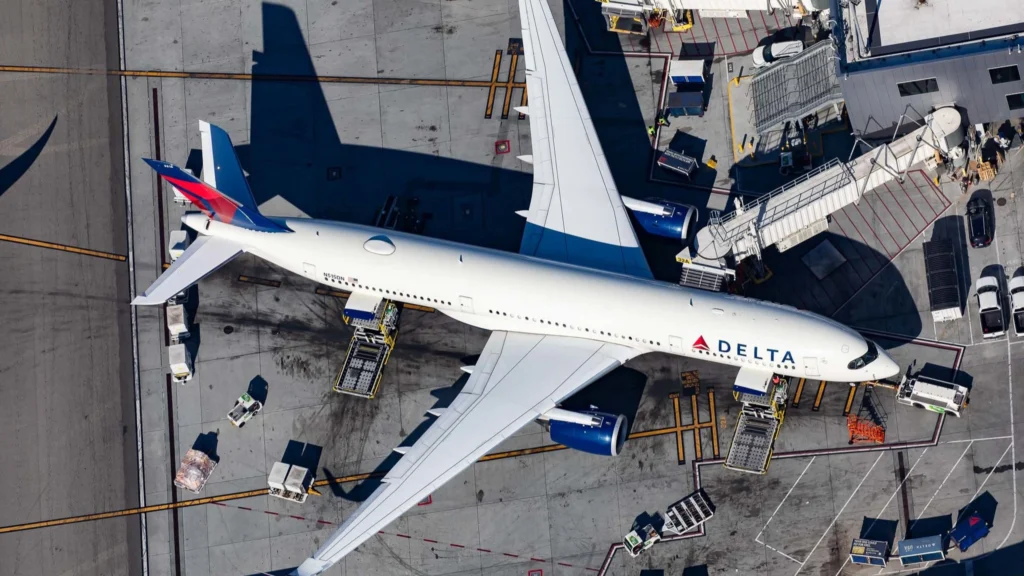
Delta Air Lines has confirmed it will launch its new nonstop service between Atlanta and Riyadh on October 23, operating the route with its Airbus A350-900 aircraft.
The airline will initially operate the service daily before reducing it to three weekly flights after the launch period.
Delta President Peter Carter reaffirmed the airline’s commitment to the route, describing Riyadh as one of the world’s fastest-growing aviation and business markets.
According to Carter, the new service will improve connectivity between the United States and Saudi Arabia through Delta’s Atlanta hub while maintaining the airline’s focus on premium service, operational reliability, and customer experience.
The decision stands out because many international airlines continue to adjust their schedules in the Middle East as geopolitical tensions between Iran and the United States remain unresolved.
Several carriers have either suspended or delayed flights to parts of the region due to security concerns, making Delta’s expansion particularly notable.
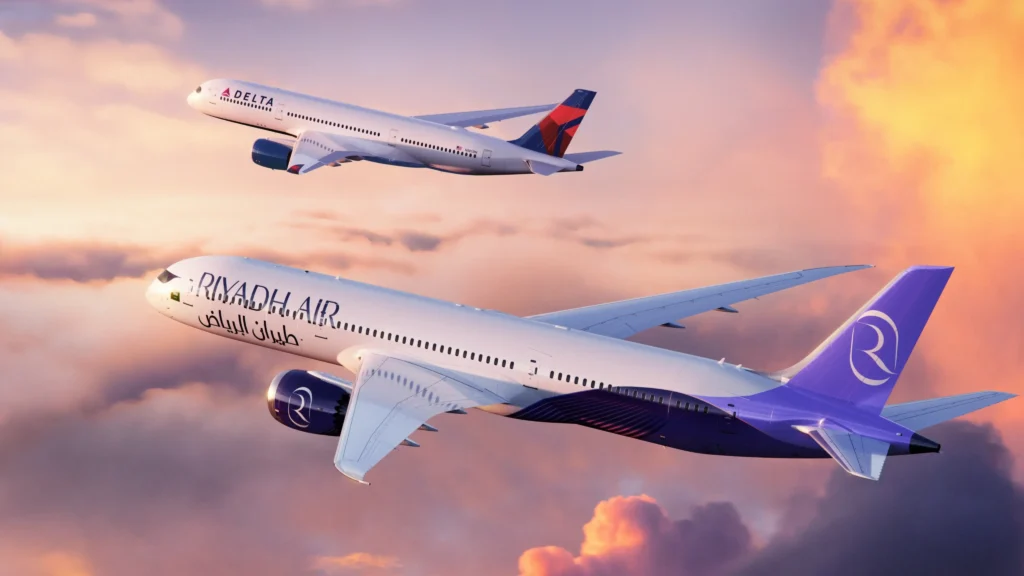
Partnership With Riyadh Air Drives Strategy
The Atlanta to Riyadh route is closely linked to Delta’s strategic partnership with Riyadh Air (RX), first announced in July 2024.
The agreement includes interline and codeshare cooperation, allowing passengers to connect beyond Riyadh as Riyadh Air continues expanding its international network.
Although connecting itineraries are not yet widely available, the partnership is expected to become increasingly valuable as Riyadh Air adds destinations across Asia, Europe, and other international markets.
Reported by PYOK, Delta officially markets the route as serving direct demand between the United States and Saudi Arabia, including business travel and the Kingdom’s expanding tourism sector.
However, industry analysts have long viewed the partnership with Riyadh Air as one of the primary strategic reasons behind launching the service.
As Riyadh Air continues building its network, Delta passengers are expected to gain access to additional destinations through Riyadh using coordinated schedules and future codeshare agreements.
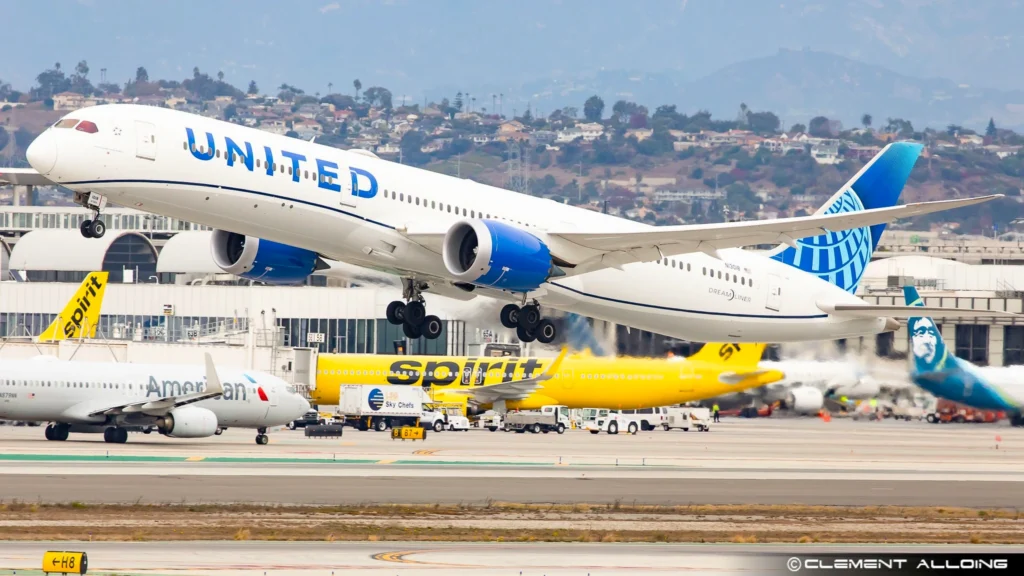
Regional Airlines Remain More Cautious
Delta’s decision contrasts sharply with the approach taken by several other US airlines.
United Airlines continues to keep its nonstop Dubai service suspended while monitoring regional developments.
American Airlines previously transferred its Philadelphia to Doha route to Qatar Airways, allowing passengers to continue traveling to the region through its alliance partner rather than operating its own aircraft.
Meanwhile, many airlines have postponed plans to restore flights to destinations affected by the evolving security environment.
Airlines generally assess geopolitical risks carefully because sudden airspace restrictions or military activity can quickly disrupt long-haul international operations.
Although Riyadh has remained relatively insulated from direct attacks compared with other locations in the region, airlines continue evaluating operational risks before committing aircraft and crews.
Commercial Success Will Depend on Passenger Demand
Delta has not disclosed its expected passenger load factors or booking performance for the Atlanta to Riyadh route.
The airline will initially rely largely on travelers whose final destination is Saudi Arabia until broader connectivity through Riyadh Air becomes available.
Historically, many successful Middle East routes operated by US airlines have depended heavily on connecting traffic rather than local demand alone.
For example, American Airlines’ former Philadelphia to Doha service benefited significantly from onward connections through Qatar Airways’ extensive global network.
Similarly, United’s Dubai flights attracted travelers connecting beyond the UAE, alongside passengers visiting Dubai itself.
Saudi Arabia has invested heavily in tourism, infrastructure, and aviation as part of its Vision 2030 economic diversification strategy.
The Kingdom has opened new tourism projects and expanded international air connectivity in an effort to attract millions of foreign visitors.
Even so, current geopolitical uncertainty could influence travel demand in the near term, making the route’s long-term commercial performance an important indicator of future US airline expansion into Saudi Arabia.
Delta Bets on Long-Term Growth
While many airlines continue taking a cautious approach toward the Middle East, Delta appears focused on long-term strategic positioning rather than short-term market conditions.
The combination of Riyadh Air’s expanding network, Saudi Arabia’s aviation investments, and Delta’s global partnership strategy provides a foundation that the airline believes will support future growth.
Whether passenger demand develops as expected will become clearer after the route enters service later this year, but Delta’s decision signals confidence in Saudi Arabia’s role as an emerging global aviation hub.
Stay tuned with us. Further, follow us on social media for the latest updates.
Join us on Telegram Group for the Latest Aviation Updates. Subsequently, follow us on Google News
